








Discovering the Eight-Month Window of Spotted Lanternflies
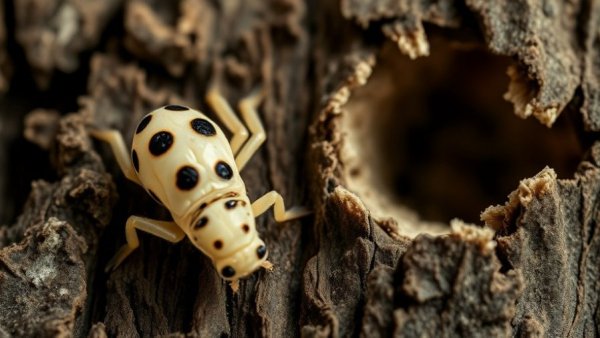
The spotted lanternfly (Lycorma delicatula) has emerged as a significant pest affecting various landscapes, particularly vineyards. One intriguing aspect of its life cycle is its egg stage, where these pests spend around eight months immobile, covered in protective coatings that sometimes blend seamlessly with tree bark. This long duration provides us with a unique window to manage these pests before they hatch and begin their destructive feeding habits.
The Challenge of Egg Management
Egg masses, while stationary, present a different challenge compared to nymphs and adults that can easily move around and feed on our trees. A critical factor in mitigating their impact is understanding how to target these egg masses effectively. Recent research conducted by entomologists, including innovative studies at Virginia Tech, sought to explore methods to treat these egg masses carefully. By applying insecticides and biological control methods—such as insect-killing fungi—we can potentially protect our trees before lanternfly nymphs emerge.
Effective Tools for Lanternfly Management
The studies revealed promising results. Specifically, two organophosphate insecticides, malathion and chlorpyrifos, were found to consistently reduce hatch rates in controlled environments. Applying these treatments correctly, at appropriate times, can effectively target these vulnerable egg masses long before the next generation hatches, thus acting as a proactive measure for homeowners and tree care specialists alike.
Leveraging Fungal Ecology in Pest Control
In addition to chemical solutions, using nature's own tools can also yield beneficial results. Research on the fungus Beauveria bassiana, which targets insects upon emergence, highlights the potential for sustainable pest management techniques. By applying fungal spores to egg masses, nymphs that hatch may become infected, providing an ecological approach to controlling the lanternfly population.
What Homeowners Can Do
This extended window of opportunity allows homeowners a proactive approach to manage spotted lanternfly populations in their yards effectively. With the right knowledge and treatment methods, you can keep these pesky pests at bay. It’s essential to monitor your trees, particularly during the late winter and early spring, when treatments might be most effective. Not only will this safeguard your trees from damage, but it will also contribute to a healthier, thriving ecosystem.
Common Misconceptions to Address
A prevalent misconception among homeowners is that once pests are established, little can be done to manage them. However, the egg stage offers a clear opportunity for intervention. Armed with knowledge of effective management practices—whether through chemical treatments or biological control methods—homeowners can take decisive steps to mitigate the impact of spotted lanternflies.
Ready to Take Action?
As spring approaches and trees begin to come alive, take a moment to inspect your plants for spotted lanternfly egg masses. Understanding how to effectively treat them will not only protect your landscape but also contribute to regional pest management efforts. Together, we can keep our trees healthy and beautiful!





Write A Comment