





Tree Guardian News
Tree Guardian News
  • Home
  • Categories
    • Storm Damage & Prevention
    • Tree Care Tips & Landscaping
    • Tree Disease Identification & Treatment
    • Insurance Intel
    • DIY Tree Care & Safety
    • Sustainable Tree Care & Eco Solutions
    • Professional Tree Services
    • Arborist Stories
    • Latest News
    • Industry Insights
Join the Arborist Forum 
April 17.2026
1 Minute Read

How to Inspect for Winter Damage Before It Gets Worse

Did you know? Homeowners who recognize and address winter damage early are up to five times less likely to face major repairs come spring. While snow and ice may create a postcard-worthy landscape, they can also hide serious problems beneath the surface. Learning how to inspect for winter damage can be the key difference between an easy fix and a massive, unexpected repair bill. With unpredictable winter weather becoming the new norm, a well-timed home inspection is every property owner's secret weapon.

Start Smart: Why Knowing How to Inspect for Winter Damage Matters

“A thorough home inspection after winter’s worst can safeguard more than your curb appeal—it protects your investment.”

Understanding how to inspect for winter damage keeps your home safer and your wallet heavier. Each year, thousands of property owners miss subtle signs of trouble left behind by snow and ice—minor leaks, soft spots in drywall, or a small gap around windows. When those issues go unchecked, they grow unnoticed until the spring rain or summer heat exposes deeper concerns. Think ice dam on your roof deck leading to attic leaks or basement moisture evolving into mold. Early detection through a detailed home inspection can prevent costly crises by revealing issues while they're small and manageable. When you pay attention and apply these steps, you're not just watching for winter damage—you're investing in your home's long-term health.

  • Learn how to inspect for winter damage with clear steps
  • Spot early warning signs before minor problems become expensive headaches
  • Gain confidence in identifying home inspection red flags tied to snow and ice damage
  • Know when to call a professional versus handling tasks yourself

What You’ll Learn: Essential Skills for Homeowners and Property Managers

This guide is built to empower both new and seasoned property caretakers. You'll come away with the practical know-how to manage your property's winter recovery with confidence. Here's what you'll cover along the way:

  • How to conduct a basic home inspection focused on winter damage
  • Key areas to check for water damage, ice dam formation, and safety hazards
  • Actionable ways to prevent costly repairs
  • Simple ‘what to look for’ checks around your home’s interior and exterior

Confident homeowner inspects roof and gutters for winter damage on snowy morning, with icicles visible - how to inspect for winter damage
Inspect your home’s exterior for signs of winter damage as the snow melts away.

Table: At-a-Glance Home Inspection Checklist for Winter Damage

Before you start, refer to this quick table to zero in on key areas most likely to show signs of snow and ice damage:

Area What to Look For
Roof & Gutters ice dams, missing shingles, heavy snow loads
Attic & Ceilings water stains, mold, insulation issues
Windows and Doors condensation, drafts, cracked seals
Basement & Foundation water damage, leaks, frost heave
Walkways & Driveways cracks, slippery ice patches, pooling water

Opening Your Home Inspection with a Fresh Winter Perspective

Hook: Eye-Opening Fact about Winter Damage & Home Inspections

“According to industry reports, undetected winter damage can lead to repairs costing several times more than early intervention.”

It’s tempting to assume winter’s over when the snow begins to melt, but the risks really start to surface in this seasonal transition. Every experienced home inspection professional agrees: taking a fresh look at your property as the seasons change is critical. Why wait for a news story about someone else's roof collapse or water-damaged basement when a few simple checks could alert you to problem areas in your own home? Pay attention as thaw cycles reveal hidden damage, and you’ll be well ahead in protecting your home and budget.

Pay Attention to Immediate Signs of Winter Damage

Start your inspection by being attuned to subtle but telling cues of winter damage:

  • Unusual drafts or cold spots
  • Staining on ceilings or walls
  • Sticky windows and doors

Even slight cold patches or new water stains can point to leaks from ice dam formation, snow load stress, or roof damage previously hidden by winter’s blanket. If your windows and doors are suddenly harder to open and close or show evidence of condensation, these symptoms could indicate compromised seals or insulation, making your home less energy-efficient. Pay attention to these warning signs as they often signal where bigger issues may be brewing, whether it's a clogged drainage system or damage to your roof deck and attic. Early detection helps you prevent costly repairs and allows for focused home inspection efforts.

While inspecting for winter damage is crucial, it's also worth considering how advancements in home and landscape technology can help prevent future issues. For example, smart irrigation systems are transforming how homeowners manage water runoff and lawn health—learn how innovative solutions like Irrigreen's recent funding are shaping the future of lawn care at this in-depth look at smart irrigation technology.

Homeowner checks ceiling for water stains and dampness after winter—paying attention to subtle signs of water damage as part of a home inspection
Don’t ignore small stains or damp spots—they’re often the first indicator of a bigger winter problem.

Understanding How to Inspect for Winter Damage: A Homeowner’s Approach

How to Inspect for Winter Damage After Harsh Weather

After a severe winter, performing a methodical home inspection isn’t just practical—it’s essential. Begin outdoors, working from your roof and gutters downward to the basement and foundation. Look above for ice dams, missing or shifted shingles, and clogged gutters on the roof deck. These can create moisture pathways and contribute to water damage in attic spaces. Examine attic insulation for damp spots or irregularities and move room by room to search for new water stains, mold, or soft spots on ceilings and walls. This step-by-step approach covers the critical key areas most vulnerable to winter damage, making it easier to document issues and prioritize repairs. Remember, even if things look fine now, the effects of snow and ice might appear weeks or months later—especially if repeated thaw cycles have allowed water to seep beneath surfaces unseen.

Home Inspection Tips for Beginners

  • Make a checklist before starting: Note down each key area—roof, gutters, attic, windows, doors, basement, and exterior surfaces. Having a visual reference keeps your inspection focused and systematic.
  • Use a flashlight and camera for documentation: Shadows, dampness, or minor damage aren’t always obvious. Snap clear photos of visible water stains, missing shingles, or soft spots for easier comparison during future inspections or when consulting a general contractor.
  • Work methodically from top to bottom: Starting at the top (roof, attic) helps you spot problem areas before water migrates down to lower floors or the foundation. This method is especially helpful when tracking the path of leaks caused by ice dams or damaged drainage systems.

These actionable tips help beginners feel in control and ensure that nothing gets missed—giving you peace of mind and proof of diligent, regular maintenance if you ever need to share your findings with a professional.

Snow and Ice Issues: The Most Overlooked Risks During Home Inspection

Spotting an Ice Dam and Other Ice-Related Hazards

  • Look for icicles at roof edges
  • Check attic for damp insulation or water stains
  • Pay attention to gutters and downspouts

Ice dams are one of winter’s most insidious culprits. They form when snow melts unevenly, refreezing at the eaves and pushing moisture back up under shingles—often unseen until interior water stains or damp spots appear on ceilings. Spotting these hazards early can greatly prevent costly repairs. Examine for heavy icicle buildup and check the attic directly beneath the roof eaves. If you discover damp insulation, wet framing, or visible leaks along the walls, you may have an active or recently resolved ice dam issue. Also, pay close attention to your gutters and downspouts, which may be clogged or damaged from thaw cycles and freeze events. These problem areas are especially common in older homes or those with complex rooflines where ice dams form easily. Document all signs and, if in doubt, reach out to a professional roofing or home inspection expert.
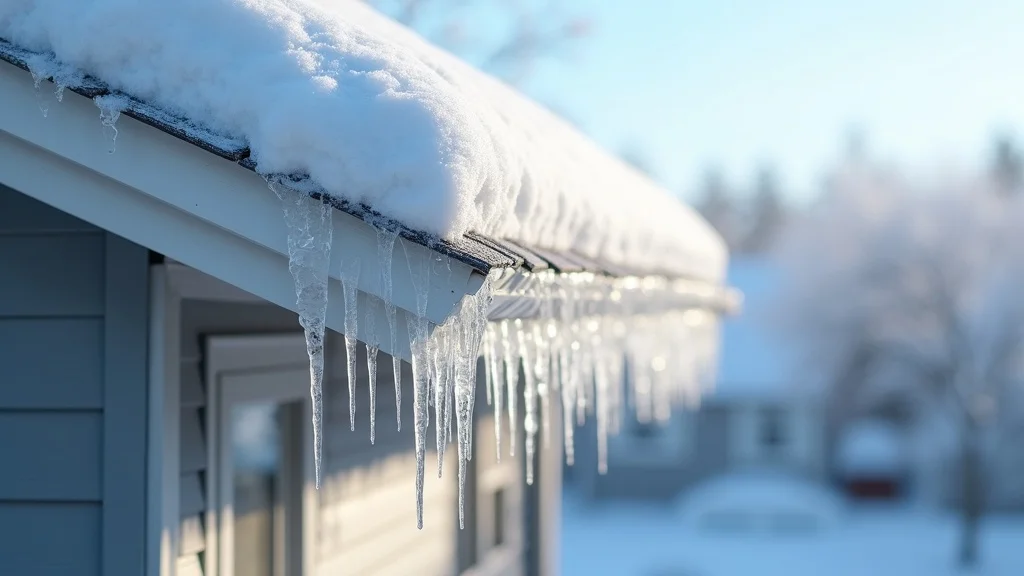
Heavy icicles on roof edge signaling potential ice dams after winter—risk of home inspection issues
Watch for icicles and melting patterns on your roof—they often signal where ice dams may be lurking.

Water Damage: What to Look for and How to Respond

How to Inspect for Water Damage in Different Home Areas

Water damage can hide nearly anywhere after a harsh winter, often presenting in subtle forms like water stains, musty odors, or peeling paint. Begin your inspection in the attic and upper floors, as water introduced by ice damming or roof problems will often make its first appearance there. Move methodically through each room, watching for changes in ceiling or wall color, ripples, or damp spots—particularly in rooms beneath roof valleys or eaves. In the basement, check for high humidity, standing water, or condensation near windows and corners; these are classic signs of foundation seepage or drainage system failures prompted by freeze-thaw cycles. When spring rain arrives, previously unseen problems may emerge, making this a critical area for new and persistent basement moisture.

Water Stains and Mold: Early Warning Signs

  • Yellowish or brown stains on ceilings/walls
  • Musty odors
  • Peeling paint or bubbling drywall

Spotting water stains early is the first step in preventing costly mold issues. Once water penetrates the building envelope, it can quickly turn a small issue like a stain or damp spot into a serious, health-threatening mold problem. Mold spreads fast in warm, moist environments, so any sign—no matter how minor—should prompt further home inspection or, for widespread damage, a call to general contractors or restoration experts. Regular maintenance and vigilance in this area can keep your family safe and your home structurally sound year-round.

Windows and Doors: Checking for Hidden Winter Damage

How to Inspect for Drafts or Seal Failures

  • Frost or condensation between panes
  • Difficulty opening/closing
  • Noticeable air leaks

Windows and doors are often overlooked during home inspections for winter damage, but they're a prime area for hidden issues. Examine all frames, paying special attention to any persistent drafts, visible small gaps, or windows that stick or rattle when you open and close them. Condensation or frost appearing between window panes is a red flag: it signals a broken seal and loss of insulating power, reducing your home's energy efficiency. A methodical check can uncover where winter weather has compromised your home’s envelope, preventing bigger water damage and heating costs down the line. For doors, check for sticking (particularly after repeated freezing and thawing), caulking failures, or warping that may have developed during severe cold snaps.
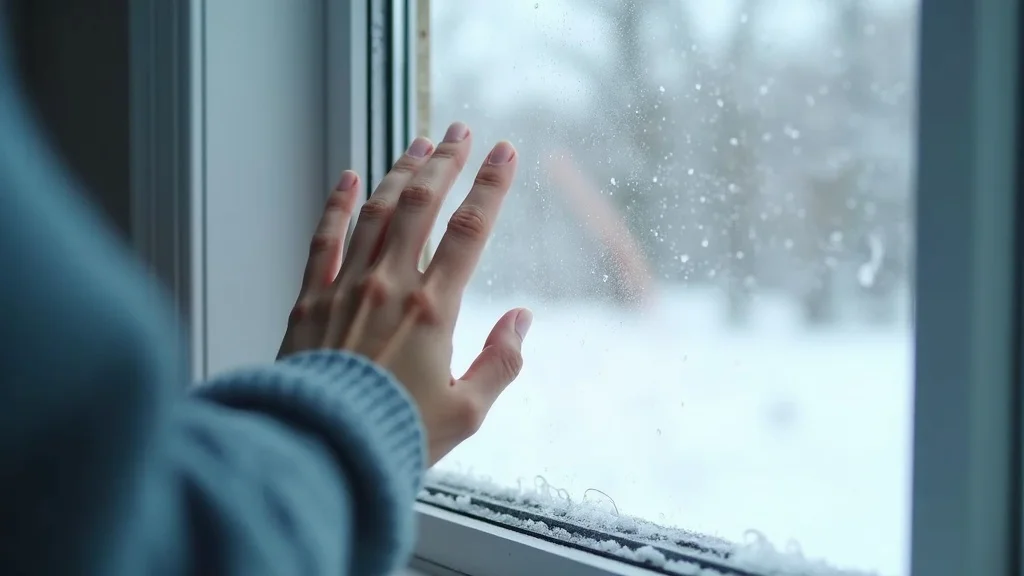
Hand checking window for drafts and condensation—looking for signs of winter damage around frames and seals
Feel around window edges for drafts—hidden air leaks mean the winter may have damaged your home’s weather seals.

Safety Hazards: When Winter Damage Puts You at Risk

Common Winter Safety Hazards in Your Home Inspection

  • Loose exterior handrails
  • Icy walkways and driveways
  • Basement flooding or sump pump issues

Beyond comfort and aesthetics, safety hazards created by winter damage require urgent attention. Loose handrails can cause accidents, especially where ice builds up on stairs or porches. Slippery patches or cracks on walkways and driveways are trip hazards, while basement moisture—whether from a faulty sump pump or freeze-thaw cycles—can escalate into flooding fast. Including these checks in your post-winter home inspection routine keeps everyone on your property safer and minimizes your risk for insurance claims or unexpected liability. Make a habit of addressing signs of rot, shifting, or sagging sections immediately—especially if you’re a property manager or responsible for multiple units.

Prevent Costly Mistakes: When to Call an Expert for Winter Damage

Tips for Knowing Your Limits & Getting Professional Help

  • Large roof leaks or structural damage
  • Widespread mold growth
  • Compromised trees or branches near your home

Some winter damage signs go beyond basic home inspection skills. If you see major water entry, roof damage with missing shingles, or significant structural changes (like sagging beams or shifting foundations), it’s time to call a general contractor or specialized home inspector. Widespread mold growth, persistent leaks, or large compromised trees require expert diagnosis to prevent more severe (or even hazardous) issues—especially before another season of severe weather. Don’t hesitate to contact a certified professional; acting early often stops a news story-worthy calamity in its tracks. As one expert put it:

“Calling an arborist or home inspector early can save you from much larger repairs after a harsh winter.”

Home inspector on roof checks missing shingles and heavy snow—showing when to call an expert for winter damage home inspection
For roof leaks, structural issues, or unsafe conditions, bring in a pro—fast.

People Also Ask: How to Inspect for Winter Damage FAQs

What are the 4 P's of winter safety?

Answer:

  • Preparation: Ensure your home exterior and roof are ready for weather.
  • Prevention: Address minor repairs before winter hits.
  • Protection: Use weatherproofing tools and materials.
  • Plan: Have emergency supplies and services on call.

What things are big red flags in a home inspection?

Answer:

  • Significant water stains or mold
  • Large cracks in foundation or walls
  • Missing or damaged shingles after snow and ice
  • Persistent drafts or ice dam formation

What is a winter inspection?

Answer:

  • A targeted home inspection performed after winter to assess snow and ice-related damage and safety risks.
  • Focuses on water damage, roof integrity, insulation, and walkways.

How to tell if it's going to be a bad winter?

Answer:

  • Watch for long-term weather forecasts and local historical trends.
  • Signs like early persistent frosts, heavy snow forecasts, and rapid temperature drops can signal a challenging season.

Seasonal Home Inspection Video Guide: How to Inspect for Winter Damage

Watch our step-by-step demonstration: A friendly, knowledgeable home inspector walks through the entire home inspection process after winter. See key outdoor and indoor checks in action—spot ice dams, identify water damage, inspect windows and doors, and hear practical tips for homeowners. All content is safety-focused, showing real-world checks and smart maintenance tips, so you can confidently tackle winter's aftermath.

Don’t miss our expert walk-through video, showing how to spot early water stains, test for soft spots, and examine eaves for ice dam warning signs. Learn from pros how to document damage and when quick action is vital—perfect for both homeowners and property managers handling post-winter home inspection duties.

Checklist Recap: Key Takeaways from How to Inspect for Winter Damage

  • Inspect your property regularly after winter events
  • Address small issues early to prevent costly repairs
  • Prioritize safety hazards, water damage, and exterior elements
  • Consult professionals for major or unclear damage

Couple checks icy driveway for cracks and hazards after winter—important home inspection safety step
Walkways and driveways are key areas for safety—always check and clear ice after every storm.

Frequently Asked Questions About How to Inspect for Winter Damage

  • When should I schedule a home inspection after winter?
  • Can I do an inspection myself or should I hire an expert?
  • What are the most easily missed signs of winter damage?

Stay safer, smarter, and ahead of the next storm—subscribe to Tree Guardian News for practical tree-care guidance, hazard-spotting tips, and pro-backed insights you can use immediately.

Conclusion: Act now—your future self will thank you. Stay diligent, check often, and never hesitate to call an expert to keep your home safe and sound all year long.

As you continue to safeguard your home from the effects of winter, consider how integrating smart technology can further protect your property and simplify seasonal maintenance. Exploring the latest in smart irrigation not only helps prevent water-related issues but also supports a healthier, more resilient landscape year-round. For a deeper dive into how cutting-edge solutions are revolutionizing lawn care and property management, discover the impact of Irrigreen's $19M investment in smart irrigation technology and what it means for the future of homeownership by visiting this comprehensive overview of smart irrigation advancements. Stay proactive, stay informed, and let innovation work for you as you prepare for every season ahead.

Tree Disease Identification & Treatment

71 Views

Write A Comment

*
*
Please complete the captcha to submit your comment.
Related Posts All Posts
07.10.2026

Why Cutting Federal Science Funding Threatens Our Environment

Update Why Funding for Science MattersScience funding is like watering a plant—it helps it grow! When the government gives money to scientific projects, it helps scientists discover new things, just like how trees need water to grow big and strong. Without enough funds, important studies could slow down or even stop. For example, when scientists study trees and pests that affect them, they find better ways to keep our forests healthy. This kind of research can lead to innovative solutions, such as developing pest-resistant tree varieties or understanding the best practices for forest management.Historical Context: A Growing ConcernIn the past, government support for science was stronger. However, recent budget cuts have left many scientists worried about their upcoming projects. Many students enter science because they want to learn and discover, and losing funding can mean fewer chances for young scientists to pursue their dreams. The decline in financial support has also been linked to fewer research opportunities at universities, which can impact the next generation of scientists and researchers, leading to a gap in innovation and discovery.The Link to Our EcosystemWhen science funding gets cut, it doesn’t just impact researchers; it also affects our environment. For instance, studies that focus on how climate change influences trees are crucial. We need to know how to protect our ecosystems! Those findings help our communities understand how to care for local forests and what actions we need to take. Healthy forests contribute to biodiversity, provide homes for countless species, and play an essential role in the carbon cycle, which is vital for combatting climate change. If we fail to fund scientific research effectively, we may not have the tools needed to address these pressing environmental issues.Future Insights: What Can Happen?If the trend of cutting science funding continues, we might see fewer environmental protections. Less funding could lead to delays in research on diseases affecting trees and how to combat pests, which could ultimately harm our forests. A weakened scientific foundation means that we will have less knowledge about how to manage our natural resources sustainably. By investing in science now, we can ensure our environment has a brighter future. For example, researchers can work on creating new technologies to monitor forest health faster and more efficiently, ensuring that we can respond to issues as they arise.Engaging the CommunityWe all play a role in science funding. Talking to friends about why science is important, participating in local discussions, and getting involved with community science projects are just some ways to advocate for funding in our neighborhoods. Schools and community centers can be great places to host science fairs or talks that educate people about local trees and forest care. Remember, the health of our trees today affects the air we breathe and the planet we live on!Ways to Advocate for Science FundingIn addition to personal conversations, communities can also engage with local representatives to express the importance of science funding. Writing letters, organizing petitions, or simply attending town hall meetings can amplify the message. Reaching out to local environmental groups or educational organizations can also help in raising awareness. Together, we can create a collective voice that calls for greater investment in scientific research and education.Furthermore, schools can initiate programs that educate children about the significance of forests and ecological research. By fostering an appreciation for nature from a young age, we can inspire future generations to champion science and its funding. When we understand our environment, we become more motivated to protect it.The Importance of Long-Term VisionUltimately, it's crucial for decision-makers to understand that investing in science is not just a budgetary choice; it is an investment in our future. Scientific research leads to technological advancements that can solve complex problems. For our trees and forests, this means healthier ecosystems and better strategies to manage and respond to threats. If funding diminishes, so does our capacity to innovate and adapt in an ever-changing world.In closing, the need for increased and stable funding for scientific research has never been more pressing. It is up to all of us, individuals and communities alike, to champion these vital efforts. A thriving scientific community ensures a thriving planet, and together we can create a more sustainable and well-informed future.

07.10.2026

Discover the Tree Risk Assessment of a Shumard Red Oak in Bedford, Texas

Update Assessing the Risks of a Shumard Red Oak In Bedford, Texas, a Shumard Red Oak has raised significant concerns due to its structural compromises. Arborist USA was called to conduct a thorough risk assessment of this mature tree, which exhibited severe internal decay and basal deterioration. Such assessments are crucial, as they help identify hazards before they can result in accidents or extensive damage. One important lesson to take from this case is that trees may appear healthy from a distance, but extensive issues can lurk beneath the bark and within the structural wood. The Shumard Red Oak in question, although still providing partial canopy, has suffered from significant internal decay, a failing compartmentalization defense, and an unstable lean towards high-value infrastructure—putting it in a high-risk scenario despite its beautiful appearance. Tree Risk Assessment: A Crucial Understanding According to the International Society of Arboriculture (ISA), a proper tree risk assessment should evaluate three primary factors: Likelihood of Failure Likelihood of Impact Consequences of Failure It is essential to recognize that even trees with significant defects may still present low risk if they are situated away from targets like homes or playgrounds. However, in this case, the Shumard Red Oak presents considerable danger to nearby structures and individuals due to its compromised health and unsafe positioning. The Majestic Shumard Red Oak The Shumard Red Oak (Quercus shumardii) is celebrated as one of North Texas's most valuable native shade trees. It thrives in appropriate conditions, offering rapid canopy development, robust shade production, wildlife habitats, and even stormwater interception. However, despite their advantages, trees like the Shumard Red Oak are not immune to structural decline. Decay organisms can invade their heartwood and sapwood, causing devastating impacts on their structural stability and safety. Decoding Compartmentalization: The CODIT Concept One critical concept in understanding tree defense against decay is the Compartmentalization Of Decay In Trees (CODIT). Developed by renowned arborist Dr. Alex Shigo, this model represents how trees attempt to protect themselves by forming barriers around infected areas. While trees cannot heal wounds like animals, they do isolate damaged wood using a system of four walls to contain decay. Unfortunately, in the case of the Bedford Shumard, evidence suggests that the first three walls of CODIT have failed, allowing decay to spread unchecked. The Consequences of Failing Defense Walls The collapse of Walls 1, 2, and 3 in this tree has led to severe internal issues, allowing decay to spread both vertically and laterally. As a result, the tree's structural integrity is greatly reduced, necessitating urgent remediation to prevent catastrophic failure. When the core wood becomes compromised, the load-bearing ability of the tree decreases dramatically, intensifying the risk of failure. Some Hope: The Condition of Wall 4 Interestingly, Wall 4 of the tree appears functional. While this section does not eliminate decay, it seeks to separate future growth from already compromised tissue. The presence of a functioning Wall 4 offers a glimmer of hope, but the ongoing degradation of the previous walls continues to pose a serious threat to the tree's overall stability. Potential Impacts of Extensive Basal Decay The situation is further exacerbated by extensive basal decay at the tree’s trunk base, crucial for supporting loads from wind, weight, and movement forces. Such deterioration makes the tree increasingly reliant on a decreasing amount of sound wood, ultimately increasing the likelihood of a serious failure that could impact surrounding structures and people. Effects of Sunscald Damage on Structural Health Sunscald damage is another vital factor contributing to the Shumard Red Oak's structural decline. Excessive solar heating followed by rapid temperature changes can harm bark tissue and accelerate deterioration. As this damage grows, the tree's ability to withstand stress is further compromised, increasing the potential for catastrophic failures. What You Can Take Away from This Assessment Understanding the complexities involved in tree care and risk assessment is crucial for tree owners. Recognizing when trees like the Shumard Red Oak are at risk allows for timely intervention and reduces the potential for accidents or damage. Takeaway: If you notice deformities, leaning, or other signs of decay in your trees, it might be time to consult a professional to evaluate the condition and preemptively address any potential hazards. Safeguarding not only your property but also your loved ones is of the essence when it comes to tree management.

07.10.2026

Protect Your Italian Cypress from Seiridium Canker: Essential Insights for Homeowners

Update Protect Your Italian Cypress from Seiridium Canker: Essential Insights for HomeownersItalian Cypress trees add elegance and beauty to landscapes, particularly in the Southlake area of Texas. These popular trees, known scientifically as Cupressus sempervirens, grace many estates with their tall, slender forms, making them ideal for privacy screens and architectural focal points. However, they face significant threats from a fungal disease known as Seiridium Canker, which can devastate entire rows of these magnificent trees.What Is Seiridium Canker?Seiridium Canker is caused by several species of fungi including Seiridium cardinale and Seiridium unicorne. It primarily targets trees already under stress, capitalizing on weakened conditions. While the presence of the fungus is alarming, often the root causes are below the surface. In many cases, homeowners may not realize that environmental stresses—such as poor drainage and root stress—initiate the onset of this disease.Why Are Italian Cypress Particularly Vulnerable?Italian Cypress thrive in well-drained soils with dry climates, but North Texas presents challenges unlike their native habitats. The region’s clay-heavy soils can create saturation, leading to root stress. Conditions such as prolonged rains or over-irrigation can drown roots, affecting their health and making them susceptible to Seiridium Canker. Consequently, if your trees are showing signs of decline, like browning canopies or sparse foliage, it’s critical to address the root issues quickly.The Importance of Proper DrainageDrainage is essential for the health of Italian Cypress. Without adequate drainage, roots suffer from a lack of oxygen, leading to a state called root-zone hypoxia. In this state, trees struggle to absorb nutrients and moisture effectively. They may appear weakened, and this creates an opening for diseases like Seiridium Canker. Homeowners can improve their tree's health by ensuring proper drainage and avoiding soil compaction.Recognizing the Signs of StressMany homeowners may overlook the signs of an unhealthy tree. Look for browning leaves, existing cankers on the bark, or infestations of spider mites, which can further weaken your tree. It's essential to act quickly. A combination of treatments can include pruning affected branches and assessing soil conditions to improve drainage. Remember, it’s not just about treating the fungus—addressing the underlying stressors is key to prevention.Common Misconceptions About Tree CareA popular misconception is that watering trees means they're healthy and will thrive regardless of weather conditions. During the wet season, additional irrigation can make matters worse. Homeowners should know that trees can suffer from too much moisture as much as too little, making careful management of irrigation crucial.Taking Action Against Seiridium CankerIf you notice signs of Seiridium Canker or other health issues with your Italian Cypress, consult with tree care professionals who understand local conditions and diseases. They can provide integrated treatments that focus not just on the visible symptoms but also on restoring overall tree vigor. Proper treatment and care can ensure that your Italian Cypress remains a prideful feature of your landscape.Your Role in Tree HealthBy staying informed and proactive about your trees’ health, you can protect your investment and the beauty of your property. Monitor your Italian Cypress regularly and remember the signs of stress and disease.Consult experts when necessary, and be prepared to act swiftly in facing issues like Seiridium Canker. There is no substitute for attentive care and early intervention. Your efforts ultimately will promote longevity and beauty in your landscape.

Green Space News

Homeowners & Businesses concerned about tree and landscape care, safety issues from storms, old or diseased trees, structural damage risks, and insurance implications.

Green Space News is a subsidiary of RP Design Web Services.

COMPANY

  • Privacy Policy
  • Terms of Use
  • Advertise
  • Contact Us
  • Menu 5
  • Menu 6

AVAILABLE FROM 8AM - 5PM

Cheshire,CT

POBox 1189

ABOUT US

Green Space News is your go-to media hub for cutting-edge strategies to maintain a safe and vibrant environment. We are committed to protecting your property and family by providing proactive tree hazard prevention and awareness. Our platform  empower communities to safeguard their surroundings and enjoy healthier, more resilient landscapes.

© 2026 RP Design Web Services All Rights Reserved. P.O. Box 1189, Cheshire, CT 06410 . Contact Us . Terms of Service . Privacy Policy

eyJjb21wYW55IjoiUlAgRGVzaWduIFdlYiBTZXJ2aWNlcyIsImFkZHJlc3MiOiJQLk8uIEJveCAxMTg5IiwiY2l0eSI6IkNoZXNoaXJlIiwic3RhdGUiOiJDVCIsInppcCI6IjA2NDEwIiwiZW1haWwiOiJyb2JlcnRAcnBkZXNpZ24uY29tIiwidG9zIjoiUEhBK1BITjBjbTl1Wno0OFpXMCtWMmhsYmlCNWIzVWdjMmxuYmkxcGJpQjNhWFJvSUhWekxDQjViM1VnWVhKbElHZHBkbWx1WnladVluTndPeUI1YjNWeUlIQmxjbTFwYzNOcGIyNGdZVzVrSUdOdmJuTmxiblFnZEc4Z2MyVnVaQ0I1YjNVZ1pXMWhhV3dnWVc1a0wyOXlJRk5OVXlCMFpYaDBJRzFsYzNOaFoyVnpMaUJDZVNCamFHVmphMmx1WnlCMGFHVWdWR1Z5YlhNZ1lXNWtJRU52Ym1ScGRHbHZibk1nWW05NElHRnVaQ0JpZVNCemFXZHVhVzVuSUdsdUlIbHZkU0JoZFhSdmJXRjBhV05oYkd4NUlHTnZibVpwY20wZ2RHaGhkQ0I1YjNVZ1lXTmpaWEIwSUdGc2JDQjBaWEp0Y3lCcGJpQjBhR2x6SUdGbmNtVmxiV1Z1ZEM0OEwyVnRQand2YzNSeWIyNW5Qand2Y0Q0S0NqeHdQanhoSUdoeVpXWTlJbWgwZEhBNkx5OTNkM2N1WjI5dloyeGxMbU52YlNJK2FIUjBjRG92TDNkM2R5NW5iMjluYkdVdVkyOXRQQzloUGp3dmNENEtDanh3UGladVluTndPend2Y0Q0S0NqeHdQanh6ZEhKdmJtYytVMFZTVmtsRFJUd3ZjM1J5YjI1blBqd3ZjRDRLQ2p4d1BsZGxJSEJ5YjNacFpHVWdZU0J6WlhKMmFXTmxJSFJvWVhRZ1kzVnljbVZ1ZEd4NUlHRnNiRzkzY3lCNWIzVWdkRzhnY21WalpXbDJaU0J5WlhGMVpYTjBjeUJtYjNJZ1ptVmxaR0poWTJzc0lHTnZiWEJoYm5rZ2FXNW1iM0p0WVhScGIyNHNJSEJ5YjIxdmRHbHZibUZzSUdsdVptOXliV0YwYVc5dUxDQmpiMjF3WVc1NUlHRnNaWEowY3l3Z1kyOTFjRzl1Y3l3Z1pHbHpZMjkxYm5SeklHRnVaQ0J2ZEdobGNpQnViM1JwWm1sallYUnBiMjV6SUhSdklIbHZkWElnWlcxaGFXd2dZV1JrY21WemN5QmhibVF2YjNJZ1kyVnNiSFZzWVhJZ2NHaHZibVVnYjNJZ1pHVjJhV05sTGlCWmIzVWdkVzVrWlhKemRHRnVaQ0JoYm1RZ1lXZHlaV1VnZEdoaGRDQjBhR1VnVTJWeWRtbGpaU0JwY3lCd2NtOTJhV1JsWkNBbWNYVnZkRHRCVXkxSlV5WnhkVzkwT3lCaGJtUWdkR2hoZENCM1pTQmhjM04xYldVZ2JtOGdjbVZ6Y0c5dWMybGlhV3hwZEhrZ1ptOXlJSFJvWlNCMGFXMWxiR2x1WlhOekxDQmtaV3hsZEdsdmJpd2diV2x6TFdSbGJHbDJaWEo1SUc5eUlHWmhhV3gxY21VZ2RHOGdjM1J2Y21VZ1lXNTVJSFZ6WlhJZ1kyOXRiWFZ1YVdOaGRHbHZibk1nYjNJZ2NHVnljMjl1WVd4cGVtRjBhVzl1SUhObGRIUnBibWR6TGp3dmNENEtDanh3UGxsdmRTQmhjbVVnY21WemNHOXVjMmxpYkdVZ1ptOXlJRzlpZEdGcGJtbHVaeUJoWTJObGMzTWdkRzhnZEdobElGTmxjblpwWTJVZ1lXNWtJSFJvWVhRZ1lXTmpaWE56SUcxaGVTQnBiblp2YkhabElIUm9hWEprSUhCaGNuUjVJR1psWlhNZ0tITjFZMmdnWVhNZ1UwMVRJSFJsZUhRZ2JXVnpjMkZuWlhNc0lFbHVkR1Z5Ym1WMElITmxjblpwWTJVZ2NISnZkbWxrWlhJZ2IzSWdZMlZzYkhWc1lYSWdZV2x5ZEdsdFpTQmphR0Z5WjJWektTNGdXVzkxSUdGeVpTQnlaWE53YjI1emFXSnNaU0JtYjNJZ2RHaHZjMlVnWm1WbGN5d2dhVzVqYkhWa2FXNW5JSFJvYjNObElHWmxaWE1nWVhOemIyTnBZWFJsWkNCM2FYUm9JSFJvWlNCa2FYTndiR0Y1SUc5eUlHUmxiR2wyWlhKNUlHOW1JR1ZoWTJnZ1UwMVRJSFJsZUhRZ2JXVnpjMkZuWlNCelpXNTBJSFJ2SUhsdmRTQmllU0IxY3k0Z1NXNGdZV1JrYVhScGIyNHNJSGx2ZFNCdGRYTjBJSEJ5YjNacFpHVWdZVzVrSUdGeVpTQnlaWE53YjI1emFXSnNaU0JtYjNJZ1lXeHNJR1Z4ZFdsd2JXVnVkQ0J1WldObGMzTmhjbmtnZEc4Z1lXTmpaWE56SUhSb1pTQlRaWEoyYVdObElHRnVaQ0J5WldObGFYWmxJSFJvWlNCVFRWTWdkR1Y0ZENCdFpYTnpZV2RsY3k0Z1YyVWdaRzhnYm05MElHTm9ZWEpuWlNCaGJua2dabVZsY3lCbWIzSWdaR1ZzYVhabGNua2diMllnWlcxaGFXd2diM0lnVTAxVExpQlVhR2x6SUdseklHRWdabkpsWlNCelpYSjJhV05sSUhCeWIzWnBaR1ZrSUdKNUlIVnpMaUJJYjNkbGRtVnlMQ0J3YkdWaGMyVWdZMmhsWTJzZ2QybDBhQ0I1YjNWeUlHbHVkR1Z5Ym1WMElITmxjblpwWTJVZ2NISnZkbWxrWlhJZ1lXNWtJR05sYkd4MWJHRnlJR05oY25KcFpYSWdabTl5SUdGdWVTQmphR0Z5WjJWeklIUm9ZWFFnYldGNUlHbHVZM1Z5SUdGeklHRWdjbVZ6ZFd4MElHWnliMjBnY21WalpXbDJhVzVuSUdWdFlXbHNJR0Z1WkNCVFRWTWdkR1Y0ZENCdFpYTnpZV2RsY3lCMGFHRjBJSGRsSUdSbGJHbDJaWElnZFhCdmJpQjViM1Z5SUc5d2RDMXBiaUJoYm1RZ2NtVm5hWE4wY21GMGFXOXVJSGRwZEdnZ2IzVnlJR1Z0WVdsc0lHRnVaQ0JUVFZNZ2MyVnlkbWxqWlhNdUlGbHZkU0JqWVc0Z1kyRnVZMlZzSUdGMElHRnVlU0IwYVcxbExpQktkWE4wSUhSbGVIUWdKbkYxYjNRN1UxUlBVQ1p4ZFc5ME95QjBieUE4YUdsbmFHeHBaMmgwSUdOc1lYTnpQU0pqYjIxd1lXNTVVR2h2Ym1WVmNHUmhkR1VpUGlzeE1qQXpNamN4TnprNU1Ud3ZhR2xuYUd4cFoyaDBQaTRnUVdaMFpYSWdlVzkxSUhObGJtUWdkR2hsSUZOTlV5QnRaWE56WVdkbElDWnhkVzkwTzFOVVQxQW1jWFZ2ZERzZ2RHOGdkWE1zSUhkbElIZHBiR3dnYzJWdVpDQjViM1VnWVc0Z1UwMVRJRzFsYzNOaFoyVWdkRzhnWTI5dVptbHliU0IwYUdGMElIbHZkU0JvWVhabElHSmxaVzRnZFc1emRXSnpZM0pwWW1Wa0xpQkJablJsY2lCMGFHbHpMQ0I1YjNVZ2QybHNiQ0J1YnlCc2IyNW5aWElnY21WalpXbDJaU0JUVFZNZ2JXVnpjMkZuWlhNZ1puSnZiU0IxY3k0OEwzQStDZ284Y0Q0OGMzUnliMjVuUGxsUFZWSWdVa1ZIU1ZOVVVrRlVTVTlPSUU5Q1RFbEhRVlJKVDA1VFBDOXpkSEp2Ym1jK1BDOXdQZ29LUEhBK1NXNGdZMjl1YzJsa1pYSmhkR2x2YmlCdlppQjViM1Z5SUhWelpTQnZaaUIwYUdVZ1UyVnlkbWxqWlN3Z2VXOTFJR0ZuY21WbElIUnZPand2Y0Q0S0NqeHZiRDRLQ1R4c2FUNXdjbTkyYVdSbElIUnlkV1VzSUdGalkzVnlZWFJsTENCamRYSnlaVzUwSUdGdVpDQmpiMjF3YkdWMFpTQnBibVp2Y20xaGRHbHZiaUJoWW05MWRDQjViM1Z5YzJWc1ppQmhjeUJ3Y205dGNIUmxaQ0JpZVNCMGFHVWdVMlZ5ZG1salpTWWpNems3Y3lCeVpXZHBjM1J5WVhScGIyNGdabTl5YlNBb2MzVmphQ0JwYm1admNtMWhkR2x2YmlCaVpXbHVaeUIwYUdVZ0puRjFiM1E3VW1WbmFYTjBjbUYwYVc5dUlFUmhkR0VtY1hWdmREc3BJR0Z1WkR3dmJHaytDZ2s4YkdrK2JXRnBiblJoYVc0Z1lXNWtJSEJ5YjIxd2RHeDVJSFZ3WkdGMFpTQjBhR1VnVW1WbmFYTjBjbUYwYVc5dUlFUmhkR0VnZEc4Z2EyVmxjQ0JwZENCMGNuVmxMQ0JoWTJOMWNtRjBaU3dnWTNWeWNtVnVkQ0JoYm1RZ1kyOXRjR3hsZEdVdUlFbG1JSGx2ZFNCd2NtOTJhV1JsSUdGdWVTQnBibVp2Y20xaGRHbHZiaUIwYUdGMElHbHpJSFZ1ZEhKMVpTd2dhVzVoWTJOMWNtRjBaU3dnYm05MElHTjFjbkpsYm5RZ2IzSWdhVzVqYjIxd2JHVjBaU3dnYjNJZ2QyVWdhR0YyWlNCeVpXRnpiMjVoWW14bElHZHliM1Z1WkhNZ2RHOGdjM1Z6Y0dWamRDQjBhR0YwSUhOMVkyZ2dhVzVtYjNKdFlYUnBiMjRnYVhNZ2RXNTBjblZsTENCcGJtRmpZM1Z5WVhSbExDQnViM1FnWTNWeWNtVnVkQ0J2Y2lCcGJtTnZiWEJzWlhSbExDQjNaU0JvWVhabElIUm9aU0J5YVdkb2RDQjBieUJ6ZFhOd1pXNWtJRzl5SUR4emRISnZibWMrUEhOd1lXNGdjM1I1YkdVOUltTnZiRzl5T2lOR1JqQXdNREE3SWo1MFpYSnRhVzVoZEdVZ2VXOTFjaUJoWTJOdmRXNTBMM0J5YjJacGJHVWdZVzVrSUhKbFpuVnpaU0JoYm5rZ1lXNWtJR0ZzYkNCamRYSnlaVzUwSUc5eUlHWjFkSFZ5WlNCMWMyVWdiMllnZEdobElGTmxjblpwWTJVZ0tHOXlJR0Z1ZVNCd2IzSjBhVzl1SUhSb1pYSmxiMllwTGp3dmMzQmhiajQ4TDNOMGNtOXVaejQ4TDJ4cFBnbzhMMjlzUGdvS1BIQStKbTVpYzNBN1BDOXdQZ284YUdsbmFHeHBaMmgwSUdOc1lYTnpQU0pqYjIxd1lXNTVUbUZ0WlZWd1pHRjBaU0krVWxBZ1JHVnphV2R1SUZkbFlpQlRaWEoyYVdObGN6d3ZhR2xuYUd4cFoyaDBQanhpY2lBdlBnbzhhR2xuYUd4cFoyaDBJR05zWVhOelBTSmpiMjF3WVc1NVFXUmtjbVZ6YzFWd1pHRjBaU0krVUM1UExpQkNiM2dnTVRFNE9Td2dRMmhsYzJocGNtVXNJRU5VSURBMk5ERXdQQzlvYVdkb2JHbG5hSFErUEdKeUlDOCtDanhvYVdkb2JHbG5hSFFnWTJ4aGMzTTlJbU52YlhCaGJubFFhRzl1WlZWd1pHRjBaU0krS3pFeU1ETXlOekUzT1RreFBDOW9hV2RvYkdsbmFIUStQR0p5SUM4K0NqeG9hV2RvYkdsbmFIUWdZMnhoYzNNOUltTnZiWEJoYm5sRmJXRnBiRlZ3WkdGMFpTSStjbTlpWlhKMFFISndaR1Z6YVdkdUxtTnZiVHd2YUdsbmFHeHBaMmgwUGc9PSIsInByaXZhY3kiOiJQSEErUEhOMGNtOXVaejVRVWtsV1FVTlpQQzl6ZEhKdmJtYytQQzl3UGdvS1BIQStQSE4wY205dVp6NVVhR1VnYVc1bWIzSnRZWFJwYjI0Z2NISnZkbWxrWldRZ1pIVnlhVzVuSUhSb2FYTWdjbVZuYVhOMGNtRjBhVzl1SUdseklHdGxjSFFnY0hKcGRtRjBaU0JoYm1RZ1kyOXVabWxrWlc1MGFXRnNMQ0JoYm1RZ2QybHNiQ0J1WlhabGNpQmlaU0JrYVhOMGNtbGlkWFJsWkN3Z1kyOXdhV1ZrTENCemIyeGtMQ0IwY21Ga1pXUWdiM0lnY0c5emRHVmtJR2x1SUdGdWVTQjNZWGtzSUhOb1lYQmxJRzl5SUdadmNtMHVJRlJvYVhNZ2FYTWdiM1Z5SUdkMVlYSmhiblJsWlM0OEwzTjBjbTl1Wno0OEwzQStDZ284Y0Q0OGMzUnliMjVuUGtsT1JFVk5Ua2xVV1R3dmMzUnliMjVuUGp3dmNENEtDanh3UGp4bGJUNVpiM1VnWVdkeVpXVWdkRzhnYVc1a1pXMXVhV1o1SUdGdVpDQm9iMnhrSUhWekxDNGdZVzVrSUdsMGN5QnpkV0p6YVdScFlYSnBaWE1zSUdGbVptbHNhV0YwWlhNc0lHOW1abWxqWlhKekxDQmhaMlZ1ZEhNc0lHTnZMV0p5WVc1a1pYSnpJRzl5SUc5MGFHVnlJSEJoY25SdVpYSnpMQ0JoYm1RZ1pXMXdiRzk1WldWekxDQm9ZWEp0YkdWemN5Qm1jbTl0SUdGdWVTQmpiR0ZwYlNCdmNpQmtaVzFoYm1Rc0lHbHVZMngxWkdsdVp5QnlaV0Z6YjI1aFlteGxJR0YwZEc5eWJtVjVjeVlqTXprN0lHWmxaWE1zSUcxaFpHVWdZbmtnWVc1NUlIUm9hWEprSUhCaGNuUjVJR1IxWlNCMGJ5QnZjaUJoY21semFXNW5JRzkxZENCdlppQkRiMjUwWlc1MElIbHZkU0J5WldObGFYWmxMQ0J6ZFdKdGFYUXNJSEpsY0d4NUxDQndiM04wTENCMGNtRnVjMjFwZENCdmNpQnRZV3RsSUdGMllXbHNZV0pzWlNCMGFISnZkV2RvSUhSb1pTQlRaWEoyYVdObExDQjViM1Z5SUhWelpTQnZaaUIwYUdVZ1UyVnlkbWxqWlN3Z2VXOTFjaUJqYjI1dVpXTjBhVzl1SUhSdklIUm9aU0JUWlhKMmFXTmxMQ0I1YjNWeUlIWnBiMnhoZEdsdmJpQnZaaUIwYUdVZ1ZFOVRMQ0J2Y2lCNWIzVnlJSFpwYjJ4aGRHbHZiaUJ2WmlCaGJua2djbWxuYUhSeklHOW1JR0Z1YjNSb1pYSXVQQzlsYlQ0OEwzQStDZ284Y0Q0OGMzUnliMjVuUGtSSlUwTk1RVWxOUlZJZ1QwWWdWMEZTVWtGT1ZFbEZVend2YzNSeWIyNW5Qand2Y0Q0S0NqeHdQanh6ZEhKdmJtYytXVTlWSUVWWVVGSkZVMU5NV1NCVlRrUkZVbE5VUVU1RUlFRk9SQ0JCUjFKRlJTQlVTRUZVT2p3dmMzUnliMjVuUGp3dmNENEtDanh2YkQ0S0NUeHNhVDVaVDFWU0lGVlRSU0JQUmlCVVNFVWdVMFZTVmtsRFJTQkpVeUJCVkNCWlQxVlNJRk5QVEVVZ1VrbFRTeTRnVkVoRklGTkZVbFpKUTBVZ1NWTWdVRkpQVmtsRVJVUWdUMDRnUVU0Z0puRjFiM1E3UVZNZ1NWTW1jWFZ2ZERzZ1FVNUVJQ1p4ZFc5ME8wRlRJRUZXUVVsTVFVSk1SU1p4ZFc5ME95QkNRVk5KVXk0Z0xDNGdRVTVFSUZWVExDQkpWQ1lqTXprN1V5QkRWVk5VVDAxRlVsTXNJRVZZVUZKRlUxTk1XU0JFU1ZORFRFRkpUVk1nUVV4TUlGZEJVbEpCVGxSSlJWTWdUMFlnUVU1WklFdEpUa1FzSUZkSVJWUklSVklnUlZoUVVrVlRVeUJQVWlCSlRWQk1TVVZFTENCSlRrTk1WVVJKVGtjc0lFSlZWQ0JPVDFRZ1RFbE5TVlJGUkNCVVR5QlVTRVVnU1UxUVRFbEZSQ0JYUVZKU1FVNVVTVVZUSUU5R0lFMUZVa05JUVU1VVFVSkpURWxVV1N3Z1JrbFVUa1ZUVXlCR1QxSWdRU0JRUVZKVVNVTlZURUZTSUZCVlVsQlBVMFVnUVU1RUlFNVBUaTFKVGtaU1NVNUhSVTFGVGxRdVBDOXNhVDRLQ1R4c2FUNU5RVXRGVXlCT1R5QlhRVkpTUVU1VVdTQlVTRUZVSUNocEtTQlVTRVVnVTBWU1ZrbERSU0JYU1V4TUlFMUZSVlFnV1U5VlVpQlNSVkZWU1ZKRlRVVk9WRk1zSUNocGFTa2dWRWhGSUZORlVsWkpRMFVnVjBsTVRDQkNSU0JWVGtsT1ZFVlNVbFZRVkVWRUxDQlVTVTFGVEZrc0lGTkZRMVZTUlN3Z1QxSWdSVkpTVDFJdFJsSkZSU3dnS0dscGFTa2dWRWhGSUZKRlUxVk1WRk1nVkVoQlZDQk5RVmtnUWtVZ1QwSlVRVWxPUlVRZ1JsSlBUU0JVU0VVZ1ZWTkZJRTlHSUZSSVJTQlRSVkpXU1VORklGZEpURXdnUWtVZ1FVTkRWVkpCVkVVZ1QxSWdVa1ZNU1VGQ1RFVXNJRUZPUkNBb2FYWXBJRUZPV1NCRlVsSlBVbE1nU1U0Z1ZFaEZJRk5QUmxSWFFWSkZJRmRKVEV3Z1FrVWdRMDlTVWtWRFZFVkVMand2YkdrK0NnazhiR2srUVU1WklFMUJWRVZTU1VGTUlFUlBWMDVNVDBGRVJVUWdUMUlnVDFSSVJWSlhTVk5GSUU5Q1ZFRkpUa1ZFSUZSSVVrOVZSMGdnVkVoRklGVlRSU0JQUmlCVVNFVWdVMFZTVmtsRFJTQkpVeUJFVDA1RklFRlVJRmxQVlZJZ1QxZE9JRVJKVTBOU1JWUkpUMDRnUVU1RUlGSkpVMHNnUVU1RUlGUklRVlFnV1U5VklGZEpURXdnUWtVZ1UwOU1SVXhaSUZKRlUxQlBUbE5KUWt4RklFWlBVaUJCVGxrZ1JFRk5RVWRGSUZSUElGbFBWVklnUTA5TlVGVlVSVklnVTFsVFZFVk5JRTlTSUV4UFUxTWdUMFlnUkVGVVFTQlVTRUZVSUZKRlUxVk1WRk1nUmxKUFRTQlVTRVVnUkU5WFRreFBRVVFnVDBZZ1FVNVpJRk5WUTBnZ1RVRlVSVkpKUVV3dVBDOXNhVDRLQ1R4c2FUNU9UeUJCUkZaSlEwVWdUMUlnU1U1R1QxSk5RVlJKVDA0c0lGZElSVlJJUlZJZ1QxSkJUQ0JQVWlCWFVrbFVWRVZPTENCUFFsUkJTVTVGUkNCQ1dTQlpUMVVnUmxKUFRTQlBVaUJVU0ZKUFZVZElJRTlTSUVaU1QwMGdWRWhGSUZORlVsWkpRMFVnVTBoQlRFd2dRMUpGUVZSRklFRk9XU0JYUVZKU1FVNVVXU0JPVDFRZ1JWaFFVa1ZUVTB4WklGTlVRVlJGUkNCSlRpQlVTRVVnVkU5VExqd3ZiR2srQ2p3dmIydytDZ284Y0Q0OGMzUnliMjVuUGt4SlRVbFVRVlJKVDA0Z1QwWWdURWxCUWtsTVNWUlpQQzl6ZEhKdmJtYytQQzl3UGdvS1BIQStXVTlWSUVWWVVGSkZVMU5NV1NCVlRrUkZVbE5VUVU1RUlFRk9SQ0JCUjFKRlJTQlVTRUZVSUVGT1JDQlRTRUZNVENCT1QxUWdRa1VnVEVsQlFreEZJRVpQVWlCQlRsa2dSRWxTUlVOVUxDQkpUa1JKVWtWRFZDd2dTVTVEU1VSRlRsUkJUQ3dnVTFCRlEwbEJUQ3dnUTA5T1UwVlJWVVZPVkVsQlRDQlBVaUJGV0VWTlVFeEJVbGtnUkVGTlFVZEZVeXdnU1U1RFRGVkVTVTVISUVKVlZDQk9UMVFnVEVsTlNWUkZSQ0JVVHl3Z1JFRk5RVWRGVXlCR1QxSWdURTlUVXlCUFJpQlFVazlHU1ZSVExDQkhUMDlFVjBsTVRDd2dWVk5GTENCRVFWUkJJRTlTSUU5VVNFVlNJRWxPVkVGT1IwbENURVVnVEU5VFUwVlRJQ2hGVmtWT0lFbEdJRWhCVXlCQ1JVVk9JRUZFVmtsVFJVUWdUMFlnVkVoRklGQlBVMU5KUWtsTVNWUlpJRTlHSUZOVlEwZ2dSRUZOUVVkRlV5a3NJRkpGVTFWTVZFbE9SeUJHVWs5Tk9qd3ZjRDRLQ2p4dmJENEtDVHhzYVQ1VVNFVWdWVk5GSUU5U0lGUklSU0JKVGtGQ1NVeEpWRmtnVkU4Z1ZWTkZJRlJJUlNCVFJWSldTVU5GT3p3dmJHaytDZ2s4YkdrK1ZFaEZJRU5QVTFRZ1QwWWdVRkpQUTFWU1JVMUZUbFFnVDBZZ1UxVkNVMVJKVkZWVVJTQkhUMDlFVXlCQlRrUWdVMFZTVmtsRFJWTWdVa1ZUVlV4VVNVNUhJRVpTVDAwZ1FVNVpJRWRQVDBSVExDQkVRVlJCTENCSlRrWlBVazFCVkVsUFRpQlBVaUJUUlZKV1NVTkZVeUJRVlZKRFNFRlRSVVFnVDFJZ1QwSlVRVWxPUlVRZ1QxSWdUVVZUVTBGSFJWTWdVa1ZEUlVsV1JVUWdUMUlnVkZKQlRsTkJRMVJKVDA1VElFVk9WRVZTUlVRZ1NVNVVUeUJVU0ZKUFZVZElJRTlTSUVaU1QwMGdWRWhGSUZORlVsWkpRMFU3UEM5c2FUNEtDVHhzYVQ1VlRrRlZWRWhQVWtsYVJVUWdRVU5EUlZOVElGUlBJRTlTSUVGTVZFVlNRVlJKVDA0Z1QwWWdXVTlWVWlCVVVrRk9VMDFKVTFOSlQwNVRJRTlTSUVSQlZFRTdQQzlzYVQ0S0NUeHNhVDVUVkVGVVJVMUZUbFJUSUU5U0lFTlBUa1JWUTFRZ1QwWWdRVTVaSUZSSVNWSkVJRkJCVWxSWklFOU9JRlJJUlNCVFJWSldTVU5GT3lCUFVqd3ZiR2srQ2drOGJHaytRVTVaSUU5VVNFVlNJRTFCVkZSRlVpQlNSVXhCVkVsT1J5QlVUeUJVU0VVZ1UwVlNWa2xEUlM0OEwyeHBQZ284TDI5c1Bnb0tQSEErUEhVK1Fua2djbVZuYVhOMFpYSnBibWNnWVc1a0lITjFZbk5qY21saWFXNW5JSFJ2SUc5MWNpQmxiV0ZwYkNCaGJtUWdVMDFUSUhObGNuWnBZMlVzSUdKNUlHOXdkQzFwYml3Z2IyNXNhVzVsSUhKbFoybHpkSEpoZEdsdmJpQnZjaUJpZVNCbWFXeHNhVzVuSUc5MWRDQmhJR05oY21Rc0lDWnhkVzkwTzNsdmRTQmhaM0psWlNCMGJ5QjBhR1Z6WlNCVVJWSk5VeUJQUmlCVFJWSldTVU5GSm5GMWIzUTdJR0Z1WkNCNWIzVWdZV05yYm05M2JHVmtaMlVnWVc1a0lIVnVaR1Z5YzNSaGJtUWdkR2hsSUdGaWIzWmxJSFJsY20xeklHOW1JSE5sY25acFkyVWdiM1YwYkdsdVpXUWdZVzVrSUdSbGRHRnBiR1ZrSUdadmNpQjViM1VnZEc5a1lYa3VQQzkxUGp3dmNENEtDanh3UGladVluTndPend2Y0Q0S1BHaHBaMmhzYVdkb2RDQmpiR0Z6Y3owaVkyOXRjR0Z1ZVU1aGJXVlZjR1JoZEdVaVBsSlFJRVJsYzJsbmJpQlhaV0lnVTJWeWRtbGpaWE04TDJocFoyaHNhV2RvZEQ0OFluSWdMejRLUEdocFoyaHNhV2RvZENCamJHRnpjejBpWTI5dGNHRnVlVUZrWkhKbGMzTlZjR1JoZEdVaVBsQXVUeTRnUW05NElERXhPRGtzSUVOb1pYTm9hWEpsTENCRFZDQXdOalF4TUR3dmFHbG5hR3hwWjJoMFBqeGljaUF2UGdvOGFHbG5hR3hwWjJoMElHTnNZWE56UFNKamIyMXdZVzU1VUdodmJtVlZjR1JoZEdVaVBpc3hNakF6TWpjeE56azVNVHd2YUdsbmFHeHBaMmgwUGp4aWNpQXZQZ284YUdsbmFHeHBaMmgwSUdOc1lYTnpQU0pqYjIxd1lXNTVSVzFoYVd4VmNHUmhkR1VpUG5KdlltVnlkRUJ5Y0dSbGMybG5iaTVqYjIwOEwyaHBaMmhzYVdkb2REND0ifQ==

Terms of Service

Privacy Policy

Core Modal Title

Sorry, no results found

You Might Find These Articles Interesting

T
Please Check Your Email
We Will Be Following Up Shortly
*
*
*

