





Tree Guardian News
Tree Guardian News
  • Home
  • Categories
    • Storm Damage & Prevention
    • Tree Care Tips & Landscaping
    • Tree Disease Identification & Treatment
    • Insurance Intel
    • DIY Tree Care & Safety
    • Sustainable Tree Care & Eco Solutions
    • Professional Tree Services
    • Arborist Stories
    • Latest News
    • Industry Insights
Join the Arborist Forum 
April 19.2026
1 Minute Read

How to Inspect for Winter Damage in Spring: A Must-Do Guide

Did you know? Research shows even a single cycle of snowmelt and refreeze can cause hidden damage—from foundation cracks to downed limbs and roof leaks—costing homeowners thousands if left unchecked. Here’s how to inspect for winter damage in spring so you can protect your property, avoid costly surprises, and start your season strong.

A Surprising Reason You Should Inspect for Winter Damage in Spring

Every spring, as the snow and ice finally recede, property owners are often focused on planting flowers or cleaning out their gutters. Yet, the real risk lurking after a harsh winter aren’t just messy lawns but undetected winter damage that can threaten your safety and your wallet. When the spring thaw begins, it exposes issues that were hidden by snow accumulation, such as broken branches or foundation cracks. Inspecting for winter damage in spring isn’t just a seasonal chore—it's your first line of defense against long-term property issues. Ignoring this vital step can allow small problems to turn into expensive headaches as spring rains and thaw cycles bring water damage or create safety hazards. Don’t wait for these issues to surface during a storm, take action as soon as the snow melts to catch them early while repairs are still manageable.

Early spring is the perfect time to assess your home and yard for any hidden impacts of winter weather. Many issues, from ice dams to cracked tree limbs and water stains on ceilings, only become obvious after the spring thaw has softened and shifted the ground. By catching these issues early, you improve your home’s curb appeal, prevent water from seeping indoors, and avoid trouble with insurance claims due to overlooked damage. The key area to remember: acting now is far easier (and cheaper) than dealing with bigger repairs down the road.

Homeowners visually inspecting front yard for winter damage in spring—happy faces, patches of snow, blue sky, trees swaying in breeze.

Uncovering Hidden Effects of Winter Damage After the Spring Thaw

One of the trickiest aspects of winter damage is that it often isn’t obvious until well after the last snow melts. When the ground begins to thaw and the air warms up, ice dams start to melt, releasing trapped water that can seep into roofs, attics, or exterior walls. Cracks hidden by frost may suddenly spit out water stains on ceilings, or show up as swelling and peeling paint indoors. And outdoors, shrubs and trees may look fine until warmer days reveal broken branches or dead spots from the harsh cold.

This is why it’s essential to take a proactive, step-by-step approach to inspecting for winter damage in spring. By walking your property and using a keen eye for subtle clues—like patches of soggy ground from poor drainage, or telltale lines of dirt where water once pooled—you can uncover damage before it worsens with spring rains. It’s about much more than simple cosmetic fixes: spotting issues early prevents serious water damage, maintains structural integrity, and keeps you and your family safe all year long.

While inspecting for winter damage, it's also worth considering how your landscape's recovery can be supported by modern solutions. For example, integrating smart irrigation technology can help your lawn bounce back efficiently after harsh weather. Learn how recent advancements in smart irrigation are transforming lawn care and supporting healthier landscapes in the wake of seasonal challenges by exploring the impact of Irrigreen's $19M funding on smart irrigation technology.

“Most property owners underestimate the impact a single thaw cycle can have on their landscape and structures—taking a closer look in spring can save big headaches down the line.”

What You’ll Learn: Essential Steps to Inspect for Winter Damage in Spring

  • Why spring thaw reveals hidden winter damage
  • How to spot winter damage in trees, roofs, and property
  • Key risks of ice dams and thaw cycles
  • What water stains and roof damage really signal
  • Assessing safety hazards post-snow and ice
  • When to DIY and when to call in expert support
Section Overview: Winter Damage at a Glance
Common Winter Damage Issues Easy Signs to Spot Professional vs. DIY Fixes
Broken tree limbs, split trunks Hanging branches, bark splits, leaning trees DIY for small branches; call arborist for structural damage or large limbs
Roof damage, missing shingles, ice dams Curling or missing shingles, water stains, ice dam residue DIY for minor shingle replacement; pro for leaks/large areas
Water stains on ceilings or walls Brown spots, bubbling paint/plaster DIY for minor stains; pro if persistent or severe
Drainage & grading issues Pooling water, erosion, soggy ground DIY for minor regrading/drainage; pro for ongoing issues or basement moisture
Windows and doors, draftiness Drafts, condensation, sticking or cracked seals DIY for weatherstripping; pro for major glass/seal replacement

Understanding Winter Damage: The Risks Lurking After Snow and Ice

To inspect for winter damage in spring effectively, it helps to know precisely what kinds of threats winter weather brings. Ice, snow, and repeated thaw cycles can inflict slow, subtle harm as well as catastrophic damage. Ice dams on rooftops block water flow, causing moisture to work its way under shingles and sheathing. Heavy snow accumulation stresses roof structures and weakens tree limbs. After the spring thaw, what seemed like a small issue—such as a bit of discoloration inside—can reveal larger water damage lurking unseen within walls or beneath the ground. Left unchecked, these issues threaten both your property’s safety and value.

Because winter damage can be both hidden and dangerous, homeowners cannot rely on a casual once-over. The freeze-thaw cycle makes structures expand and contract, prying apart seals and foundation joints. This is why a deliberate, room-by-room and yard-by-yard approach is critical to catching roof leaks, damp spots, poor drainage, or safety hazards before they become emergencies. The primary goal: prevent water intrusion, structural decay, and unsafe living conditions for another season.
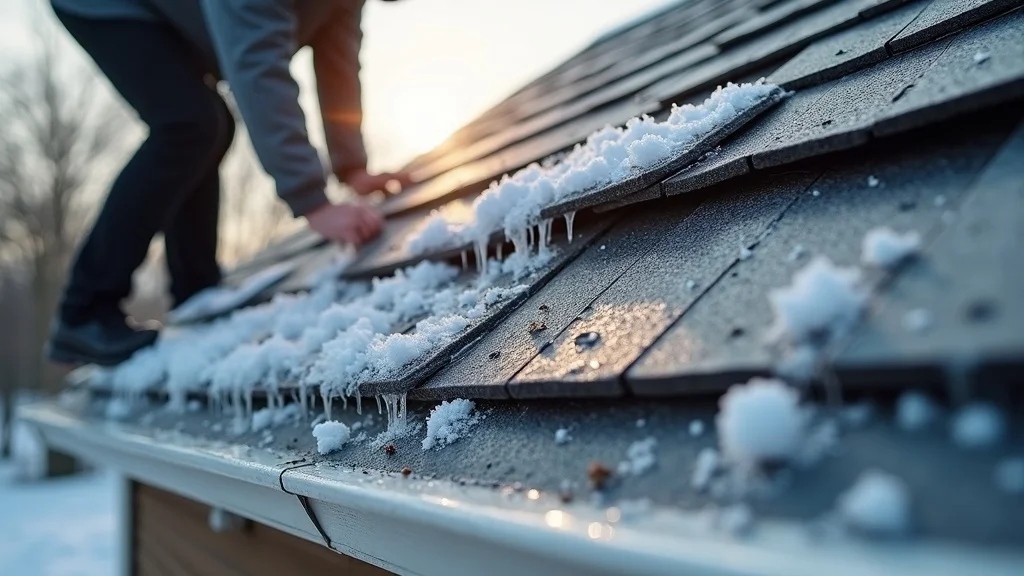
Homeowner inspects winter roof damage near edge—damaged shingles and ice dam residue after spring thaw.

How Spring Thaw Can Reveal Hidden Winter Damage

The spring thaw acts almost like a spotlight for winter damage. As snow and ice melt, they release trapped moisture that can make its way into the smallest cracks or weaknesses. Whether it’s an ice dam melting off your roof edge or pooled water seeping around your foundation, these meltwater trickles can expose swelling, wood rot, or masonry faults that went unnoticed in winter. Many homeowners discover their first signs of water stains, basement moisture, or landscape erosion only after the ground is no longer frozen and snow melts away.

Spring’s warmer weather brings the added complication of frequent rain showers, which stress your property’s drainage system even more. Water from both snow and spring rains seeks the path of least resistance—and if your structure has even minor vulnerabilities left from winter, it will find them. Early detection when the ground begins to thaw is key: walking the perimeter of your home, peering into the attic, and scanning basement corners for hidden winter damage allows you to address issues early and maintain a sound, safe, and dry home into the next season.

Why Inspect for Winter Damage in Spring? Safety, Liability, and Curb Appeal

There are three big reasons to make this inspection a seasonal habit: safety hazards, liability concerns, and curb appeal. On the safety front, loose limbs, slippery decks, or water-damaged structures can create immediate risks to your household. Overlooking these hazards can result in costly accidents, from slips and falls on water-logged walkways to tree limbs breaking during spring storms and causing property damage.

From a liability perspective, insurance claims for roof damage or water infiltration are more likely to be approved—and less expensive to resolve—when tackled promptly. Over time, unresolved winter damage can seriously drag down your home’s market value and visual appeal. By performing a thorough inspection for winter damage in spring, you not only protect your investment, you also boost energy efficiency, reduce utility costs (by sealing leaks in windows and doors), and create a safer, healthier environment for your family and guests.

How to Inspect for Winter Damage in Spring: Step-by-Step Checklist

Now that you know why spring is critical, let’s walk step-by-step through every key area prone to winter damage. Performing a thorough assessment outside and inside your home ensures nothing is missed. Check out these detailed guides for each part of your property:

Trees and Shrubs: Signs of Winter Damage from Ice, Snow, and Thaw Cycles

  • Broken branches and split limbs
  • Cracked or leaning trunks
  • Dead or discolored foliage
  • Girdling from ice dam formation

Winter storms can leave behind more than just debris in your landscape—they can weaken tree limbs or trunks, making them a genuine safety hazard as spring winds pick up. After every thaw cycle, check for branches that appear broken yet are hung up in the canopy—these are prone to falling unexpectedly. Splits in trunks, signs of cracking, or trees leaning can indicate root damage caused by the freeze-thaw cycle. Damaged bark or open wounds may attract pests or lead to disease.

Scan for foliage that appears brown or dead as the plants emerge from dormancy. This may signal that the branch or part of the tree was unable to recover from cold stress or from being buried under snow and ice. In some cases, girdling from accumulated ice damages a tree’s vascular system, disrupting spring growth. Early pruning of these areas can improve plant recovery and safety, but if you spot extensive structural damage, call a certified arborist—especially for limbs near power lines or property.
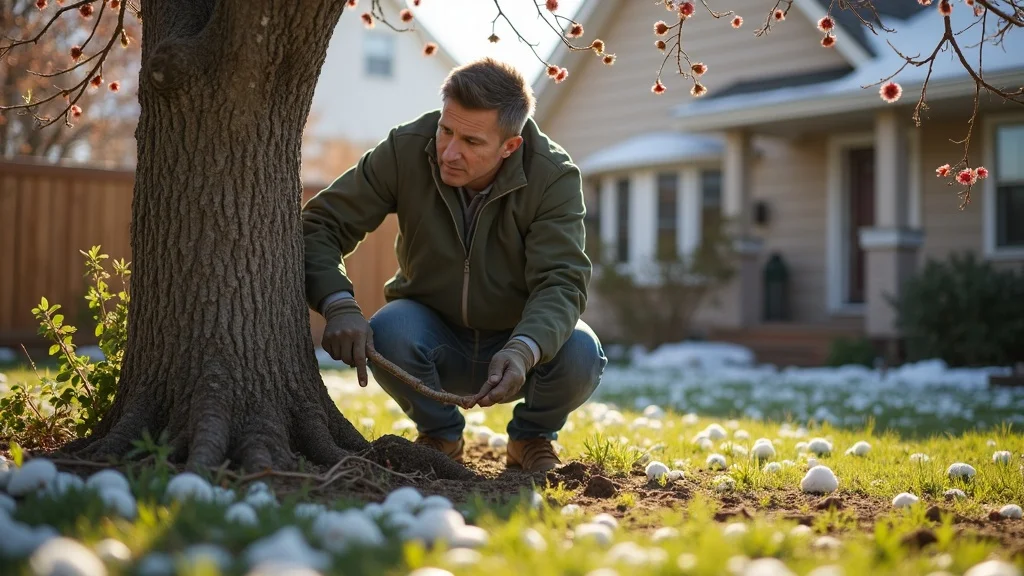
Gardener inspects tree branch for winter damage in spring—melting snow, exposed roots, fresh foliage in suburban garden.

Roof Damage and Water Stains: What to Look for After a Tough Winter

  • Missing or curled shingles
  • Cracks near roof edges (common after thaw cycles)
  • Ice dam residue and water stains on ceilings or walls
  • Visible signs of water damage or leaks

The roof is a key area where hidden damage from winter can have a lasting impact. Start by visually inspecting from the ground with binoculars, or climb via a secured ladder if safe. Look for shingles that are missing, loose, or curled up—these are signs of wind, ice, or freeze-thaw stress. Pay special attention to cracks near the roof edges; thaw cycles make these more likely, and untreated gaps can lead to leaks when spring rain arrives.

If you see clusters of dark residue near the gutter line, you may have had ice dams, which trap water and force it under shingles. This can cause roof damage and create water stains or leaks in attics and upper floors. Take note of any damp spots, especially after strong spring storms. Address small repairs promptly, and consult a professional if you spot wide areas of damage, persistent leaks, or sagging roof structures.

Water Stains and Hidden Water Damage: Detecting the Warning Signs

  • Brown spots on walls or ceilings
  • Swelling or buckling of wallboard
  • Peeling paint or bubbling plaster

Water stains are a classic post-winter telltale, but they are more than just cosmetic. Brown circles on the ceiling, walls that appear “wavy” or feel damp, and bubbling, peeling, or flaking paint may all signal ongoing water intrusion. These signs often appear as a result of roof damage, ice dams, or poor attic ventilation. The key is to trace each water stain to its source—often, the underlying issue is not where the damage shows.

Inspect attic spaces and upper levels for wet insulation or visible leaks, especially after spring showers. If the affected area continues to grow, or you notice swelling of drywall or a musty odor, it’s essential to address it immediately. Mold can begin to grow within 24-48 hours of water exposure, making safety a concern. Small spots may be managed with sealant and fresh paint, but extensive or persistent stains require the attention of a qualified contractor.
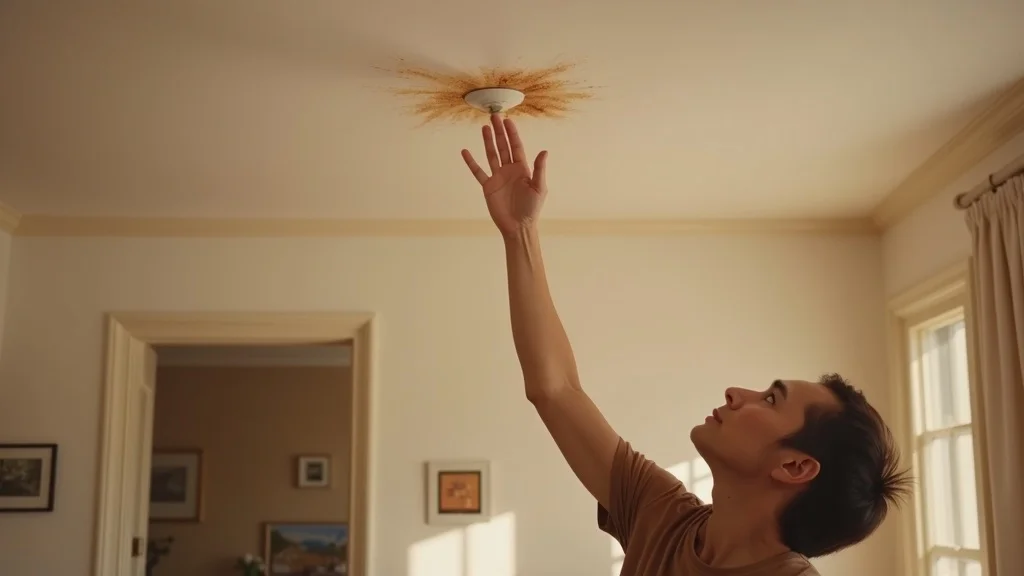
Homeowner examines water stain on ceiling—warm living room interior after winter, checking for hidden water damage.

Windows and Doors: Check for Post-Winter Safety Hazards

  • Drafts or sticking doors/windows
  • Condensation between glass panes
  • Cracks or leaks in seals

Your windows and doors are among the most common locations for subtle winter damage. Check each for smooth operation: sticking, drafty, or difficult doors and windows typically result from expansion/contraction around seals during cold weather. Look for visible condensation trapped between glass panes (a red flag for failed insulation) or water leaks along the sill.

Gaps or cracks in seals don’t just cause chilly rooms and higher utility bills—over time, they lead to leaks, mold, and water damage. Ensure all locking mechanisms work as expected, and address cracked or brittle weatherstripping. Draft stoppers and caulk can help for minor issues, but severe condensation or leaks point to a need for professional help—especially to maintain energy efficiency and prevent basement moisture.

Proper Grading and Drainage: Ensuring Your Yard Recovers from the Spring Thaw

  • Pooling water near foundation
  • Erosion trails in landscaping
  • Soggy or uneven ground

The impact of snow and ice on landscaping and hardscapes becomes clear as the spring thaw arrives. Carefully inspect for pooling water near your home’s foundation, as this can indicate improper grading or compromised drainage systems—a major contributor to basement moisture and long-term damage. Erosion channels or exposed roots are key clues that melting snow and spring rain are not flowing away from the house as they should.

Soggy or uneven patches of ground may also reveal problems with proper grading. Resolve minor regrading or gutter adjustments yourself, but chronic water accumulation or visible sinkholes warrant a call to a landscape or drainage professional. Addressing these issues early ensures your property is prepared for summer storms and supports healthy lawn and garden recovery after a tough winter.
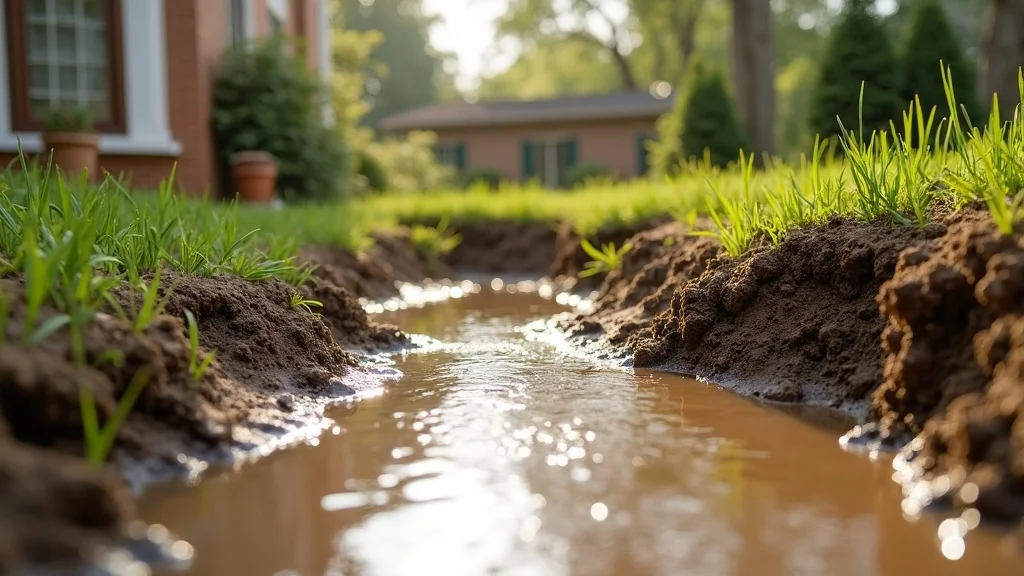
Pooling water and erosion around home foundation—spring thaw signs of winter damage outdoors in bright yard.

When to Call for Help: Professional Support for Serious Winter Damage

  • Unstable trees or large broken limbs
  • Severe roof leaks or structural damage
  • Unsafe mold growth or persistent water stains
  • Lingering safety hazards

Most minor winter damage can be handled by a confident homeowner, but some situations demand quick help from professionals. Call an arborist immediately for trees or limbs that threaten structures or power lines. Roofs with ongoing leaks, large areas of missing shingles, or visible sagging all require expert repair. Persistent water stains accompanied by softening drywall, buckling floors, or mold growth should never be ignored—these are issues that can quickly escalate, compromise safety, and cost much more if left unresolved.

Remember, taking action after a thorough spring inspection isn’t just about avoiding hassle. It protects your property’s value, keeps your home safe, and can even help with insurance claims by showing that you acted quickly and responsibly. A fast call to your contractor or a reputable customer support number will put you ahead of the curve this season—and may prevent a sudden emergency tomorrow.

“A quick inspection today could prevent a costly emergency tomorrow—don’t ignore what winter left behind.”

Watch this practical walkthrough: Homeowner and contractor team up to check for winter damage—see real-life examples of inspecting roofs, trees, interiors, spotting water stains and drainage issues, and learn insider tips for a thorough property review.

People Also Ask

What is a spring inspection?

A spring inspection is a thorough check of your property, especially after snow and ice melt, to detect and address any winter damage. It assesses structures, landscaping, and safety risks to ensure your home is ready for the warmer months.

What is a winter inspection?

A winter inspection focuses on identifying damage or vulnerabilities during the cold season, often targeting areas threatened by snow, ice, and harsh temperature fluctuations.

Can you get a roof inspection in the winter?

While roof inspections are possible in winter, snow and ice can limit access and visibility. Spring is often a better time to thoroughly inspect for winter damage after the thaw clears away obstructions.

FAQs: Your Top Questions On How to Inspect for Winter Damage in Spring

  • How soon after the snow melts should I inspect my property?
    As soon as the majority of snow has melted and the ground is visible. This is when winter damage is most easily spotted and before spring rains arrive to worsen problems.
  • What’s the fastest way to spot hidden water stains?
    Look for new brown or yellow spots on ceilings and upper walls, especially after a rainfall or rapid thaw. Feel for soft spots or bulging drywall—these can indicate water behind the surface.
  • DIY or pro: When do I need to call an arborist or contractor?
    Call a pro if you see unstable or large tree limbs, ongoing roof leaks, structural cracks, or persistent water stains—these can quickly become costly safety hazards if not addressed.

Key Takeaways: Safe, Simple Steps to Inspect for Winter Damage in Spring

  • Inspect for winter damage in spring to prevent long-term property risks
  • Focus on trees, roofs, water stains, and drainage after the spring thaw
  • Handle minor issues yourself—call pros for structural or safety concerns
  • A little attention now can save on expensive repairs later

Professional contractor with client in front of home after spring inspection for winter damage—green landscaping, clean home siding.

Feeling Prepared for Spring? Stay Safer and Smarter Year-Round

  • Stay safer, smarter, and ahead of the spring season—subscribe to Tree Guardian News for practical tree-care guidance, hazard-spotting tips, and pro-backed insights you can use immediately. For more tips, call us at (203) 271-7991

Don’t wait until problems get worse—inspect for winter damage in spring and enjoy peace of mind all season long. Stay proactive and your property will thank you!

As you wrap up your spring inspection and address any winter damage, consider how adopting innovative solutions can further protect and enhance your property for the seasons ahead. The future of lawn care is evolving rapidly, with smart irrigation systems offering not just convenience but also resilience against unpredictable weather patterns. If you’re interested in learning how technology is reshaping the way we care for our landscapes—and how you can leverage these advancements for a healthier, more sustainable yard—discover the broader impact of smart irrigation technology and what it means for homeowners in this in-depth look at Irrigreen’s transformative approach to lawn care. Staying informed and proactive today sets the stage for a thriving, worry-free property tomorrow.

Tree Disease Identification & Treatment

51 Views

Write A Comment

*
*
Please complete the captcha to submit your comment.
Related Posts All Posts
07.10.2026

Why Cutting Federal Science Funding Threatens Our Environment

Update Why Funding for Science MattersScience funding is like watering a plant—it helps it grow! When the government gives money to scientific projects, it helps scientists discover new things, just like how trees need water to grow big and strong. Without enough funds, important studies could slow down or even stop. For example, when scientists study trees and pests that affect them, they find better ways to keep our forests healthy. This kind of research can lead to innovative solutions, such as developing pest-resistant tree varieties or understanding the best practices for forest management.Historical Context: A Growing ConcernIn the past, government support for science was stronger. However, recent budget cuts have left many scientists worried about their upcoming projects. Many students enter science because they want to learn and discover, and losing funding can mean fewer chances for young scientists to pursue their dreams. The decline in financial support has also been linked to fewer research opportunities at universities, which can impact the next generation of scientists and researchers, leading to a gap in innovation and discovery.The Link to Our EcosystemWhen science funding gets cut, it doesn’t just impact researchers; it also affects our environment. For instance, studies that focus on how climate change influences trees are crucial. We need to know how to protect our ecosystems! Those findings help our communities understand how to care for local forests and what actions we need to take. Healthy forests contribute to biodiversity, provide homes for countless species, and play an essential role in the carbon cycle, which is vital for combatting climate change. If we fail to fund scientific research effectively, we may not have the tools needed to address these pressing environmental issues.Future Insights: What Can Happen?If the trend of cutting science funding continues, we might see fewer environmental protections. Less funding could lead to delays in research on diseases affecting trees and how to combat pests, which could ultimately harm our forests. A weakened scientific foundation means that we will have less knowledge about how to manage our natural resources sustainably. By investing in science now, we can ensure our environment has a brighter future. For example, researchers can work on creating new technologies to monitor forest health faster and more efficiently, ensuring that we can respond to issues as they arise.Engaging the CommunityWe all play a role in science funding. Talking to friends about why science is important, participating in local discussions, and getting involved with community science projects are just some ways to advocate for funding in our neighborhoods. Schools and community centers can be great places to host science fairs or talks that educate people about local trees and forest care. Remember, the health of our trees today affects the air we breathe and the planet we live on!Ways to Advocate for Science FundingIn addition to personal conversations, communities can also engage with local representatives to express the importance of science funding. Writing letters, organizing petitions, or simply attending town hall meetings can amplify the message. Reaching out to local environmental groups or educational organizations can also help in raising awareness. Together, we can create a collective voice that calls for greater investment in scientific research and education.Furthermore, schools can initiate programs that educate children about the significance of forests and ecological research. By fostering an appreciation for nature from a young age, we can inspire future generations to champion science and its funding. When we understand our environment, we become more motivated to protect it.The Importance of Long-Term VisionUltimately, it's crucial for decision-makers to understand that investing in science is not just a budgetary choice; it is an investment in our future. Scientific research leads to technological advancements that can solve complex problems. For our trees and forests, this means healthier ecosystems and better strategies to manage and respond to threats. If funding diminishes, so does our capacity to innovate and adapt in an ever-changing world.In closing, the need for increased and stable funding for scientific research has never been more pressing. It is up to all of us, individuals and communities alike, to champion these vital efforts. A thriving scientific community ensures a thriving planet, and together we can create a more sustainable and well-informed future.

07.10.2026

Discover the Tree Risk Assessment of a Shumard Red Oak in Bedford, Texas

Update Assessing the Risks of a Shumard Red Oak In Bedford, Texas, a Shumard Red Oak has raised significant concerns due to its structural compromises. Arborist USA was called to conduct a thorough risk assessment of this mature tree, which exhibited severe internal decay and basal deterioration. Such assessments are crucial, as they help identify hazards before they can result in accidents or extensive damage. One important lesson to take from this case is that trees may appear healthy from a distance, but extensive issues can lurk beneath the bark and within the structural wood. The Shumard Red Oak in question, although still providing partial canopy, has suffered from significant internal decay, a failing compartmentalization defense, and an unstable lean towards high-value infrastructure—putting it in a high-risk scenario despite its beautiful appearance. Tree Risk Assessment: A Crucial Understanding According to the International Society of Arboriculture (ISA), a proper tree risk assessment should evaluate three primary factors: Likelihood of Failure Likelihood of Impact Consequences of Failure It is essential to recognize that even trees with significant defects may still present low risk if they are situated away from targets like homes or playgrounds. However, in this case, the Shumard Red Oak presents considerable danger to nearby structures and individuals due to its compromised health and unsafe positioning. The Majestic Shumard Red Oak The Shumard Red Oak (Quercus shumardii) is celebrated as one of North Texas's most valuable native shade trees. It thrives in appropriate conditions, offering rapid canopy development, robust shade production, wildlife habitats, and even stormwater interception. However, despite their advantages, trees like the Shumard Red Oak are not immune to structural decline. Decay organisms can invade their heartwood and sapwood, causing devastating impacts on their structural stability and safety. Decoding Compartmentalization: The CODIT Concept One critical concept in understanding tree defense against decay is the Compartmentalization Of Decay In Trees (CODIT). Developed by renowned arborist Dr. Alex Shigo, this model represents how trees attempt to protect themselves by forming barriers around infected areas. While trees cannot heal wounds like animals, they do isolate damaged wood using a system of four walls to contain decay. Unfortunately, in the case of the Bedford Shumard, evidence suggests that the first three walls of CODIT have failed, allowing decay to spread unchecked. The Consequences of Failing Defense Walls The collapse of Walls 1, 2, and 3 in this tree has led to severe internal issues, allowing decay to spread both vertically and laterally. As a result, the tree's structural integrity is greatly reduced, necessitating urgent remediation to prevent catastrophic failure. When the core wood becomes compromised, the load-bearing ability of the tree decreases dramatically, intensifying the risk of failure. Some Hope: The Condition of Wall 4 Interestingly, Wall 4 of the tree appears functional. While this section does not eliminate decay, it seeks to separate future growth from already compromised tissue. The presence of a functioning Wall 4 offers a glimmer of hope, but the ongoing degradation of the previous walls continues to pose a serious threat to the tree's overall stability. Potential Impacts of Extensive Basal Decay The situation is further exacerbated by extensive basal decay at the tree’s trunk base, crucial for supporting loads from wind, weight, and movement forces. Such deterioration makes the tree increasingly reliant on a decreasing amount of sound wood, ultimately increasing the likelihood of a serious failure that could impact surrounding structures and people. Effects of Sunscald Damage on Structural Health Sunscald damage is another vital factor contributing to the Shumard Red Oak's structural decline. Excessive solar heating followed by rapid temperature changes can harm bark tissue and accelerate deterioration. As this damage grows, the tree's ability to withstand stress is further compromised, increasing the potential for catastrophic failures. What You Can Take Away from This Assessment Understanding the complexities involved in tree care and risk assessment is crucial for tree owners. Recognizing when trees like the Shumard Red Oak are at risk allows for timely intervention and reduces the potential for accidents or damage. Takeaway: If you notice deformities, leaning, or other signs of decay in your trees, it might be time to consult a professional to evaluate the condition and preemptively address any potential hazards. Safeguarding not only your property but also your loved ones is of the essence when it comes to tree management.

07.10.2026

Protect Your Italian Cypress from Seiridium Canker: Essential Insights for Homeowners

Update Protect Your Italian Cypress from Seiridium Canker: Essential Insights for HomeownersItalian Cypress trees add elegance and beauty to landscapes, particularly in the Southlake area of Texas. These popular trees, known scientifically as Cupressus sempervirens, grace many estates with their tall, slender forms, making them ideal for privacy screens and architectural focal points. However, they face significant threats from a fungal disease known as Seiridium Canker, which can devastate entire rows of these magnificent trees.What Is Seiridium Canker?Seiridium Canker is caused by several species of fungi including Seiridium cardinale and Seiridium unicorne. It primarily targets trees already under stress, capitalizing on weakened conditions. While the presence of the fungus is alarming, often the root causes are below the surface. In many cases, homeowners may not realize that environmental stresses—such as poor drainage and root stress—initiate the onset of this disease.Why Are Italian Cypress Particularly Vulnerable?Italian Cypress thrive in well-drained soils with dry climates, but North Texas presents challenges unlike their native habitats. The region’s clay-heavy soils can create saturation, leading to root stress. Conditions such as prolonged rains or over-irrigation can drown roots, affecting their health and making them susceptible to Seiridium Canker. Consequently, if your trees are showing signs of decline, like browning canopies or sparse foliage, it’s critical to address the root issues quickly.The Importance of Proper DrainageDrainage is essential for the health of Italian Cypress. Without adequate drainage, roots suffer from a lack of oxygen, leading to a state called root-zone hypoxia. In this state, trees struggle to absorb nutrients and moisture effectively. They may appear weakened, and this creates an opening for diseases like Seiridium Canker. Homeowners can improve their tree's health by ensuring proper drainage and avoiding soil compaction.Recognizing the Signs of StressMany homeowners may overlook the signs of an unhealthy tree. Look for browning leaves, existing cankers on the bark, or infestations of spider mites, which can further weaken your tree. It's essential to act quickly. A combination of treatments can include pruning affected branches and assessing soil conditions to improve drainage. Remember, it’s not just about treating the fungus—addressing the underlying stressors is key to prevention.Common Misconceptions About Tree CareA popular misconception is that watering trees means they're healthy and will thrive regardless of weather conditions. During the wet season, additional irrigation can make matters worse. Homeowners should know that trees can suffer from too much moisture as much as too little, making careful management of irrigation crucial.Taking Action Against Seiridium CankerIf you notice signs of Seiridium Canker or other health issues with your Italian Cypress, consult with tree care professionals who understand local conditions and diseases. They can provide integrated treatments that focus not just on the visible symptoms but also on restoring overall tree vigor. Proper treatment and care can ensure that your Italian Cypress remains a prideful feature of your landscape.Your Role in Tree HealthBy staying informed and proactive about your trees’ health, you can protect your investment and the beauty of your property. Monitor your Italian Cypress regularly and remember the signs of stress and disease.Consult experts when necessary, and be prepared to act swiftly in facing issues like Seiridium Canker. There is no substitute for attentive care and early intervention. Your efforts ultimately will promote longevity and beauty in your landscape.

Green Space News

Homeowners & Businesses concerned about tree and landscape care, safety issues from storms, old or diseased trees, structural damage risks, and insurance implications.

Green Space News is a subsidiary of RP Design Web Services.

COMPANY

  • Privacy Policy
  • Terms of Use
  • Advertise
  • Contact Us
  • Menu 5
  • Menu 6

AVAILABLE FROM 8AM - 5PM

Cheshire,CT

POBox 1189

ABOUT US

Green Space News is your go-to media hub for cutting-edge strategies to maintain a safe and vibrant environment. We are committed to protecting your property and family by providing proactive tree hazard prevention and awareness. Our platform  empower communities to safeguard their surroundings and enjoy healthier, more resilient landscapes.

© 2026 RP Design Web Services All Rights Reserved. P.O. Box 1189, Cheshire, CT 06410 . Contact Us . Terms of Service . Privacy Policy

eyJjb21wYW55IjoiUlAgRGVzaWduIFdlYiBTZXJ2aWNlcyIsImFkZHJlc3MiOiJQLk8uIEJveCAxMTg5IiwiY2l0eSI6IkNoZXNoaXJlIiwic3RhdGUiOiJDVCIsInppcCI6IjA2NDEwIiwiZW1haWwiOiJyb2JlcnRAcnBkZXNpZ24uY29tIiwidG9zIjoiUEhBK1BITjBjbTl1Wno0OFpXMCtWMmhsYmlCNWIzVWdjMmxuYmkxcGJpQjNhWFJvSUhWekxDQjViM1VnWVhKbElHZHBkbWx1WnladVluTndPeUI1YjNWeUlIQmxjbTFwYzNOcGIyNGdZVzVrSUdOdmJuTmxiblFnZEc4Z2MyVnVaQ0I1YjNVZ1pXMWhhV3dnWVc1a0wyOXlJRk5OVXlCMFpYaDBJRzFsYzNOaFoyVnpMaUJDZVNCamFHVmphMmx1WnlCMGFHVWdWR1Z5YlhNZ1lXNWtJRU52Ym1ScGRHbHZibk1nWW05NElHRnVaQ0JpZVNCemFXZHVhVzVuSUdsdUlIbHZkU0JoZFhSdmJXRjBhV05oYkd4NUlHTnZibVpwY20wZ2RHaGhkQ0I1YjNVZ1lXTmpaWEIwSUdGc2JDQjBaWEp0Y3lCcGJpQjBhR2x6SUdGbmNtVmxiV1Z1ZEM0OEwyVnRQand2YzNSeWIyNW5Qand2Y0Q0S0NqeHdQanhoSUdoeVpXWTlJbWgwZEhBNkx5OTNkM2N1WjI5dloyeGxMbU52YlNJK2FIUjBjRG92TDNkM2R5NW5iMjluYkdVdVkyOXRQQzloUGp3dmNENEtDanh3UGladVluTndPend2Y0Q0S0NqeHdQanh6ZEhKdmJtYytVMFZTVmtsRFJUd3ZjM1J5YjI1blBqd3ZjRDRLQ2p4d1BsZGxJSEJ5YjNacFpHVWdZU0J6WlhKMmFXTmxJSFJvWVhRZ1kzVnljbVZ1ZEd4NUlHRnNiRzkzY3lCNWIzVWdkRzhnY21WalpXbDJaU0J5WlhGMVpYTjBjeUJtYjNJZ1ptVmxaR0poWTJzc0lHTnZiWEJoYm5rZ2FXNW1iM0p0WVhScGIyNHNJSEJ5YjIxdmRHbHZibUZzSUdsdVptOXliV0YwYVc5dUxDQmpiMjF3WVc1NUlHRnNaWEowY3l3Z1kyOTFjRzl1Y3l3Z1pHbHpZMjkxYm5SeklHRnVaQ0J2ZEdobGNpQnViM1JwWm1sallYUnBiMjV6SUhSdklIbHZkWElnWlcxaGFXd2dZV1JrY21WemN5QmhibVF2YjNJZ1kyVnNiSFZzWVhJZ2NHaHZibVVnYjNJZ1pHVjJhV05sTGlCWmIzVWdkVzVrWlhKemRHRnVaQ0JoYm1RZ1lXZHlaV1VnZEdoaGRDQjBhR1VnVTJWeWRtbGpaU0JwY3lCd2NtOTJhV1JsWkNBbWNYVnZkRHRCVXkxSlV5WnhkVzkwT3lCaGJtUWdkR2hoZENCM1pTQmhjM04xYldVZ2JtOGdjbVZ6Y0c5dWMybGlhV3hwZEhrZ1ptOXlJSFJvWlNCMGFXMWxiR2x1WlhOekxDQmtaV3hsZEdsdmJpd2diV2x6TFdSbGJHbDJaWEo1SUc5eUlHWmhhV3gxY21VZ2RHOGdjM1J2Y21VZ1lXNTVJSFZ6WlhJZ1kyOXRiWFZ1YVdOaGRHbHZibk1nYjNJZ2NHVnljMjl1WVd4cGVtRjBhVzl1SUhObGRIUnBibWR6TGp3dmNENEtDanh3UGxsdmRTQmhjbVVnY21WemNHOXVjMmxpYkdVZ1ptOXlJRzlpZEdGcGJtbHVaeUJoWTJObGMzTWdkRzhnZEdobElGTmxjblpwWTJVZ1lXNWtJSFJvWVhRZ1lXTmpaWE56SUcxaGVTQnBiblp2YkhabElIUm9hWEprSUhCaGNuUjVJR1psWlhNZ0tITjFZMmdnWVhNZ1UwMVRJSFJsZUhRZ2JXVnpjMkZuWlhNc0lFbHVkR1Z5Ym1WMElITmxjblpwWTJVZ2NISnZkbWxrWlhJZ2IzSWdZMlZzYkhWc1lYSWdZV2x5ZEdsdFpTQmphR0Z5WjJWektTNGdXVzkxSUdGeVpTQnlaWE53YjI1emFXSnNaU0JtYjNJZ2RHaHZjMlVnWm1WbGN5d2dhVzVqYkhWa2FXNW5JSFJvYjNObElHWmxaWE1nWVhOemIyTnBZWFJsWkNCM2FYUm9JSFJvWlNCa2FYTndiR0Y1SUc5eUlHUmxiR2wyWlhKNUlHOW1JR1ZoWTJnZ1UwMVRJSFJsZUhRZ2JXVnpjMkZuWlNCelpXNTBJSFJ2SUhsdmRTQmllU0IxY3k0Z1NXNGdZV1JrYVhScGIyNHNJSGx2ZFNCdGRYTjBJSEJ5YjNacFpHVWdZVzVrSUdGeVpTQnlaWE53YjI1emFXSnNaU0JtYjNJZ1lXeHNJR1Z4ZFdsd2JXVnVkQ0J1WldObGMzTmhjbmtnZEc4Z1lXTmpaWE56SUhSb1pTQlRaWEoyYVdObElHRnVaQ0J5WldObGFYWmxJSFJvWlNCVFRWTWdkR1Y0ZENCdFpYTnpZV2RsY3k0Z1YyVWdaRzhnYm05MElHTm9ZWEpuWlNCaGJua2dabVZsY3lCbWIzSWdaR1ZzYVhabGNua2diMllnWlcxaGFXd2diM0lnVTAxVExpQlVhR2x6SUdseklHRWdabkpsWlNCelpYSjJhV05sSUhCeWIzWnBaR1ZrSUdKNUlIVnpMaUJJYjNkbGRtVnlMQ0J3YkdWaGMyVWdZMmhsWTJzZ2QybDBhQ0I1YjNWeUlHbHVkR1Z5Ym1WMElITmxjblpwWTJVZ2NISnZkbWxrWlhJZ1lXNWtJR05sYkd4MWJHRnlJR05oY25KcFpYSWdabTl5SUdGdWVTQmphR0Z5WjJWeklIUm9ZWFFnYldGNUlHbHVZM1Z5SUdGeklHRWdjbVZ6ZFd4MElHWnliMjBnY21WalpXbDJhVzVuSUdWdFlXbHNJR0Z1WkNCVFRWTWdkR1Y0ZENCdFpYTnpZV2RsY3lCMGFHRjBJSGRsSUdSbGJHbDJaWElnZFhCdmJpQjViM1Z5SUc5d2RDMXBiaUJoYm1RZ2NtVm5hWE4wY21GMGFXOXVJSGRwZEdnZ2IzVnlJR1Z0WVdsc0lHRnVaQ0JUVFZNZ2MyVnlkbWxqWlhNdUlGbHZkU0JqWVc0Z1kyRnVZMlZzSUdGMElHRnVlU0IwYVcxbExpQktkWE4wSUhSbGVIUWdKbkYxYjNRN1UxUlBVQ1p4ZFc5ME95QjBieUE4YUdsbmFHeHBaMmgwSUdOc1lYTnpQU0pqYjIxd1lXNTVVR2h2Ym1WVmNHUmhkR1VpUGlzeE1qQXpNamN4TnprNU1Ud3ZhR2xuYUd4cFoyaDBQaTRnUVdaMFpYSWdlVzkxSUhObGJtUWdkR2hsSUZOTlV5QnRaWE56WVdkbElDWnhkVzkwTzFOVVQxQW1jWFZ2ZERzZ2RHOGdkWE1zSUhkbElIZHBiR3dnYzJWdVpDQjViM1VnWVc0Z1UwMVRJRzFsYzNOaFoyVWdkRzhnWTI5dVptbHliU0IwYUdGMElIbHZkU0JvWVhabElHSmxaVzRnZFc1emRXSnpZM0pwWW1Wa0xpQkJablJsY2lCMGFHbHpMQ0I1YjNVZ2QybHNiQ0J1YnlCc2IyNW5aWElnY21WalpXbDJaU0JUVFZNZ2JXVnpjMkZuWlhNZ1puSnZiU0IxY3k0OEwzQStDZ284Y0Q0OGMzUnliMjVuUGxsUFZWSWdVa1ZIU1ZOVVVrRlVTVTlPSUU5Q1RFbEhRVlJKVDA1VFBDOXpkSEp2Ym1jK1BDOXdQZ29LUEhBK1NXNGdZMjl1YzJsa1pYSmhkR2x2YmlCdlppQjViM1Z5SUhWelpTQnZaaUIwYUdVZ1UyVnlkbWxqWlN3Z2VXOTFJR0ZuY21WbElIUnZPand2Y0Q0S0NqeHZiRDRLQ1R4c2FUNXdjbTkyYVdSbElIUnlkV1VzSUdGalkzVnlZWFJsTENCamRYSnlaVzUwSUdGdVpDQmpiMjF3YkdWMFpTQnBibVp2Y20xaGRHbHZiaUJoWW05MWRDQjViM1Z5YzJWc1ppQmhjeUJ3Y205dGNIUmxaQ0JpZVNCMGFHVWdVMlZ5ZG1salpTWWpNems3Y3lCeVpXZHBjM1J5WVhScGIyNGdabTl5YlNBb2MzVmphQ0JwYm1admNtMWhkR2x2YmlCaVpXbHVaeUIwYUdVZ0puRjFiM1E3VW1WbmFYTjBjbUYwYVc5dUlFUmhkR0VtY1hWdmREc3BJR0Z1WkR3dmJHaytDZ2s4YkdrK2JXRnBiblJoYVc0Z1lXNWtJSEJ5YjIxd2RHeDVJSFZ3WkdGMFpTQjBhR1VnVW1WbmFYTjBjbUYwYVc5dUlFUmhkR0VnZEc4Z2EyVmxjQ0JwZENCMGNuVmxMQ0JoWTJOMWNtRjBaU3dnWTNWeWNtVnVkQ0JoYm1RZ1kyOXRjR3hsZEdVdUlFbG1JSGx2ZFNCd2NtOTJhV1JsSUdGdWVTQnBibVp2Y20xaGRHbHZiaUIwYUdGMElHbHpJSFZ1ZEhKMVpTd2dhVzVoWTJOMWNtRjBaU3dnYm05MElHTjFjbkpsYm5RZ2IzSWdhVzVqYjIxd2JHVjBaU3dnYjNJZ2QyVWdhR0YyWlNCeVpXRnpiMjVoWW14bElHZHliM1Z1WkhNZ2RHOGdjM1Z6Y0dWamRDQjBhR0YwSUhOMVkyZ2dhVzVtYjNKdFlYUnBiMjRnYVhNZ2RXNTBjblZsTENCcGJtRmpZM1Z5WVhSbExDQnViM1FnWTNWeWNtVnVkQ0J2Y2lCcGJtTnZiWEJzWlhSbExDQjNaU0JvWVhabElIUm9aU0J5YVdkb2RDQjBieUJ6ZFhOd1pXNWtJRzl5SUR4emRISnZibWMrUEhOd1lXNGdjM1I1YkdVOUltTnZiRzl5T2lOR1JqQXdNREE3SWo1MFpYSnRhVzVoZEdVZ2VXOTFjaUJoWTJOdmRXNTBMM0J5YjJacGJHVWdZVzVrSUhKbFpuVnpaU0JoYm5rZ1lXNWtJR0ZzYkNCamRYSnlaVzUwSUc5eUlHWjFkSFZ5WlNCMWMyVWdiMllnZEdobElGTmxjblpwWTJVZ0tHOXlJR0Z1ZVNCd2IzSjBhVzl1SUhSb1pYSmxiMllwTGp3dmMzQmhiajQ4TDNOMGNtOXVaejQ4TDJ4cFBnbzhMMjlzUGdvS1BIQStKbTVpYzNBN1BDOXdQZ284YUdsbmFHeHBaMmgwSUdOc1lYTnpQU0pqYjIxd1lXNTVUbUZ0WlZWd1pHRjBaU0krVWxBZ1JHVnphV2R1SUZkbFlpQlRaWEoyYVdObGN6d3ZhR2xuYUd4cFoyaDBQanhpY2lBdlBnbzhhR2xuYUd4cFoyaDBJR05zWVhOelBTSmpiMjF3WVc1NVFXUmtjbVZ6YzFWd1pHRjBaU0krVUM1UExpQkNiM2dnTVRFNE9Td2dRMmhsYzJocGNtVXNJRU5VSURBMk5ERXdQQzlvYVdkb2JHbG5hSFErUEdKeUlDOCtDanhvYVdkb2JHbG5hSFFnWTJ4aGMzTTlJbU52YlhCaGJubFFhRzl1WlZWd1pHRjBaU0krS3pFeU1ETXlOekUzT1RreFBDOW9hV2RvYkdsbmFIUStQR0p5SUM4K0NqeG9hV2RvYkdsbmFIUWdZMnhoYzNNOUltTnZiWEJoYm5sRmJXRnBiRlZ3WkdGMFpTSStjbTlpWlhKMFFISndaR1Z6YVdkdUxtTnZiVHd2YUdsbmFHeHBaMmgwUGc9PSIsInByaXZhY3kiOiJQSEErUEhOMGNtOXVaejVRVWtsV1FVTlpQQzl6ZEhKdmJtYytQQzl3UGdvS1BIQStQSE4wY205dVp6NVVhR1VnYVc1bWIzSnRZWFJwYjI0Z2NISnZkbWxrWldRZ1pIVnlhVzVuSUhSb2FYTWdjbVZuYVhOMGNtRjBhVzl1SUdseklHdGxjSFFnY0hKcGRtRjBaU0JoYm1RZ1kyOXVabWxrWlc1MGFXRnNMQ0JoYm1RZ2QybHNiQ0J1WlhabGNpQmlaU0JrYVhOMGNtbGlkWFJsWkN3Z1kyOXdhV1ZrTENCemIyeGtMQ0IwY21Ga1pXUWdiM0lnY0c5emRHVmtJR2x1SUdGdWVTQjNZWGtzSUhOb1lYQmxJRzl5SUdadmNtMHVJRlJvYVhNZ2FYTWdiM1Z5SUdkMVlYSmhiblJsWlM0OEwzTjBjbTl1Wno0OEwzQStDZ284Y0Q0OGMzUnliMjVuUGtsT1JFVk5Ua2xVV1R3dmMzUnliMjVuUGp3dmNENEtDanh3UGp4bGJUNVpiM1VnWVdkeVpXVWdkRzhnYVc1a1pXMXVhV1o1SUdGdVpDQm9iMnhrSUhWekxDNGdZVzVrSUdsMGN5QnpkV0p6YVdScFlYSnBaWE1zSUdGbVptbHNhV0YwWlhNc0lHOW1abWxqWlhKekxDQmhaMlZ1ZEhNc0lHTnZMV0p5WVc1a1pYSnpJRzl5SUc5MGFHVnlJSEJoY25SdVpYSnpMQ0JoYm1RZ1pXMXdiRzk1WldWekxDQm9ZWEp0YkdWemN5Qm1jbTl0SUdGdWVTQmpiR0ZwYlNCdmNpQmtaVzFoYm1Rc0lHbHVZMngxWkdsdVp5QnlaV0Z6YjI1aFlteGxJR0YwZEc5eWJtVjVjeVlqTXprN0lHWmxaWE1zSUcxaFpHVWdZbmtnWVc1NUlIUm9hWEprSUhCaGNuUjVJR1IxWlNCMGJ5QnZjaUJoY21semFXNW5JRzkxZENCdlppQkRiMjUwWlc1MElIbHZkU0J5WldObGFYWmxMQ0J6ZFdKdGFYUXNJSEpsY0d4NUxDQndiM04wTENCMGNtRnVjMjFwZENCdmNpQnRZV3RsSUdGMllXbHNZV0pzWlNCMGFISnZkV2RvSUhSb1pTQlRaWEoyYVdObExDQjViM1Z5SUhWelpTQnZaaUIwYUdVZ1UyVnlkbWxqWlN3Z2VXOTFjaUJqYjI1dVpXTjBhVzl1SUhSdklIUm9aU0JUWlhKMmFXTmxMQ0I1YjNWeUlIWnBiMnhoZEdsdmJpQnZaaUIwYUdVZ1ZFOVRMQ0J2Y2lCNWIzVnlJSFpwYjJ4aGRHbHZiaUJ2WmlCaGJua2djbWxuYUhSeklHOW1JR0Z1YjNSb1pYSXVQQzlsYlQ0OEwzQStDZ284Y0Q0OGMzUnliMjVuUGtSSlUwTk1RVWxOUlZJZ1QwWWdWMEZTVWtGT1ZFbEZVend2YzNSeWIyNW5Qand2Y0Q0S0NqeHdQanh6ZEhKdmJtYytXVTlWSUVWWVVGSkZVMU5NV1NCVlRrUkZVbE5VUVU1RUlFRk9SQ0JCUjFKRlJTQlVTRUZVT2p3dmMzUnliMjVuUGp3dmNENEtDanh2YkQ0S0NUeHNhVDVaVDFWU0lGVlRSU0JQUmlCVVNFVWdVMFZTVmtsRFJTQkpVeUJCVkNCWlQxVlNJRk5QVEVVZ1VrbFRTeTRnVkVoRklGTkZVbFpKUTBVZ1NWTWdVRkpQVmtsRVJVUWdUMDRnUVU0Z0puRjFiM1E3UVZNZ1NWTW1jWFZ2ZERzZ1FVNUVJQ1p4ZFc5ME8wRlRJRUZXUVVsTVFVSk1SU1p4ZFc5ME95QkNRVk5KVXk0Z0xDNGdRVTVFSUZWVExDQkpWQ1lqTXprN1V5QkRWVk5VVDAxRlVsTXNJRVZZVUZKRlUxTk1XU0JFU1ZORFRFRkpUVk1nUVV4TUlGZEJVbEpCVGxSSlJWTWdUMFlnUVU1WklFdEpUa1FzSUZkSVJWUklSVklnUlZoUVVrVlRVeUJQVWlCSlRWQk1TVVZFTENCSlRrTk1WVVJKVGtjc0lFSlZWQ0JPVDFRZ1RFbE5TVlJGUkNCVVR5QlVTRVVnU1UxUVRFbEZSQ0JYUVZKU1FVNVVTVVZUSUU5R0lFMUZVa05JUVU1VVFVSkpURWxVV1N3Z1JrbFVUa1ZUVXlCR1QxSWdRU0JRUVZKVVNVTlZURUZTSUZCVlVsQlBVMFVnUVU1RUlFNVBUaTFKVGtaU1NVNUhSVTFGVGxRdVBDOXNhVDRLQ1R4c2FUNU5RVXRGVXlCT1R5QlhRVkpTUVU1VVdTQlVTRUZVSUNocEtTQlVTRVVnVTBWU1ZrbERSU0JYU1V4TUlFMUZSVlFnV1U5VlVpQlNSVkZWU1ZKRlRVVk9WRk1zSUNocGFTa2dWRWhGSUZORlVsWkpRMFVnVjBsTVRDQkNSU0JWVGtsT1ZFVlNVbFZRVkVWRUxDQlVTVTFGVEZrc0lGTkZRMVZTUlN3Z1QxSWdSVkpTVDFJdFJsSkZSU3dnS0dscGFTa2dWRWhGSUZKRlUxVk1WRk1nVkVoQlZDQk5RVmtnUWtVZ1QwSlVRVWxPUlVRZ1JsSlBUU0JVU0VVZ1ZWTkZJRTlHSUZSSVJTQlRSVkpXU1VORklGZEpURXdnUWtVZ1FVTkRWVkpCVkVVZ1QxSWdVa1ZNU1VGQ1RFVXNJRUZPUkNBb2FYWXBJRUZPV1NCRlVsSlBVbE1nU1U0Z1ZFaEZJRk5QUmxSWFFWSkZJRmRKVEV3Z1FrVWdRMDlTVWtWRFZFVkVMand2YkdrK0NnazhiR2srUVU1WklFMUJWRVZTU1VGTUlFUlBWMDVNVDBGRVJVUWdUMUlnVDFSSVJWSlhTVk5GSUU5Q1ZFRkpUa1ZFSUZSSVVrOVZSMGdnVkVoRklGVlRSU0JQUmlCVVNFVWdVMFZTVmtsRFJTQkpVeUJFVDA1RklFRlVJRmxQVlZJZ1QxZE9JRVJKVTBOU1JWUkpUMDRnUVU1RUlGSkpVMHNnUVU1RUlGUklRVlFnV1U5VklGZEpURXdnUWtVZ1UwOU1SVXhaSUZKRlUxQlBUbE5KUWt4RklFWlBVaUJCVGxrZ1JFRk5RVWRGSUZSUElGbFBWVklnUTA5TlVGVlVSVklnVTFsVFZFVk5JRTlTSUV4UFUxTWdUMFlnUkVGVVFTQlVTRUZVSUZKRlUxVk1WRk1nUmxKUFRTQlVTRVVnUkU5WFRreFBRVVFnVDBZZ1FVNVpJRk5WUTBnZ1RVRlVSVkpKUVV3dVBDOXNhVDRLQ1R4c2FUNU9UeUJCUkZaSlEwVWdUMUlnU1U1R1QxSk5RVlJKVDA0c0lGZElSVlJJUlZJZ1QxSkJUQ0JQVWlCWFVrbFVWRVZPTENCUFFsUkJTVTVGUkNCQ1dTQlpUMVVnUmxKUFRTQlBVaUJVU0ZKUFZVZElJRTlTSUVaU1QwMGdWRWhGSUZORlVsWkpRMFVnVTBoQlRFd2dRMUpGUVZSRklFRk9XU0JYUVZKU1FVNVVXU0JPVDFRZ1JWaFFVa1ZUVTB4WklGTlVRVlJGUkNCSlRpQlVTRVVnVkU5VExqd3ZiR2srQ2p3dmIydytDZ284Y0Q0OGMzUnliMjVuUGt4SlRVbFVRVlJKVDA0Z1QwWWdURWxCUWtsTVNWUlpQQzl6ZEhKdmJtYytQQzl3UGdvS1BIQStXVTlWSUVWWVVGSkZVMU5NV1NCVlRrUkZVbE5VUVU1RUlFRk9SQ0JCUjFKRlJTQlVTRUZVSUVGT1JDQlRTRUZNVENCT1QxUWdRa1VnVEVsQlFreEZJRVpQVWlCQlRsa2dSRWxTUlVOVUxDQkpUa1JKVWtWRFZDd2dTVTVEU1VSRlRsUkJUQ3dnVTFCRlEwbEJUQ3dnUTA5T1UwVlJWVVZPVkVsQlRDQlBVaUJGV0VWTlVFeEJVbGtnUkVGTlFVZEZVeXdnU1U1RFRGVkVTVTVISUVKVlZDQk9UMVFnVEVsTlNWUkZSQ0JVVHl3Z1JFRk5RVWRGVXlCR1QxSWdURTlUVXlCUFJpQlFVazlHU1ZSVExDQkhUMDlFVjBsTVRDd2dWVk5GTENCRVFWUkJJRTlTSUU5VVNFVlNJRWxPVkVGT1IwbENURVVnVEU5VFUwVlRJQ2hGVmtWT0lFbEdJRWhCVXlCQ1JVVk9JRUZFVmtsVFJVUWdUMFlnVkVoRklGQlBVMU5KUWtsTVNWUlpJRTlHSUZOVlEwZ2dSRUZOUVVkRlV5a3NJRkpGVTFWTVZFbE9SeUJHVWs5Tk9qd3ZjRDRLQ2p4dmJENEtDVHhzYVQ1VVNFVWdWVk5GSUU5U0lGUklSU0JKVGtGQ1NVeEpWRmtnVkU4Z1ZWTkZJRlJJUlNCVFJWSldTVU5GT3p3dmJHaytDZ2s4YkdrK1ZFaEZJRU5QVTFRZ1QwWWdVRkpQUTFWU1JVMUZUbFFnVDBZZ1UxVkNVMVJKVkZWVVJTQkhUMDlFVXlCQlRrUWdVMFZTVmtsRFJWTWdVa1ZUVlV4VVNVNUhJRVpTVDAwZ1FVNVpJRWRQVDBSVExDQkVRVlJCTENCSlRrWlBVazFCVkVsUFRpQlBVaUJUUlZKV1NVTkZVeUJRVlZKRFNFRlRSVVFnVDFJZ1QwSlVRVWxPUlVRZ1QxSWdUVVZUVTBGSFJWTWdVa1ZEUlVsV1JVUWdUMUlnVkZKQlRsTkJRMVJKVDA1VElFVk9WRVZTUlVRZ1NVNVVUeUJVU0ZKUFZVZElJRTlTSUVaU1QwMGdWRWhGSUZORlVsWkpRMFU3UEM5c2FUNEtDVHhzYVQ1VlRrRlZWRWhQVWtsYVJVUWdRVU5EUlZOVElGUlBJRTlTSUVGTVZFVlNRVlJKVDA0Z1QwWWdXVTlWVWlCVVVrRk9VMDFKVTFOSlQwNVRJRTlTSUVSQlZFRTdQQzlzYVQ0S0NUeHNhVDVUVkVGVVJVMUZUbFJUSUU5U0lFTlBUa1JWUTFRZ1QwWWdRVTVaSUZSSVNWSkVJRkJCVWxSWklFOU9JRlJJUlNCVFJWSldTVU5GT3lCUFVqd3ZiR2srQ2drOGJHaytRVTVaSUU5VVNFVlNJRTFCVkZSRlVpQlNSVXhCVkVsT1J5QlVUeUJVU0VVZ1UwVlNWa2xEUlM0OEwyeHBQZ284TDI5c1Bnb0tQSEErUEhVK1Fua2djbVZuYVhOMFpYSnBibWNnWVc1a0lITjFZbk5qY21saWFXNW5JSFJ2SUc5MWNpQmxiV0ZwYkNCaGJtUWdVMDFUSUhObGNuWnBZMlVzSUdKNUlHOXdkQzFwYml3Z2IyNXNhVzVsSUhKbFoybHpkSEpoZEdsdmJpQnZjaUJpZVNCbWFXeHNhVzVuSUc5MWRDQmhJR05oY21Rc0lDWnhkVzkwTzNsdmRTQmhaM0psWlNCMGJ5QjBhR1Z6WlNCVVJWSk5VeUJQUmlCVFJWSldTVU5GSm5GMWIzUTdJR0Z1WkNCNWIzVWdZV05yYm05M2JHVmtaMlVnWVc1a0lIVnVaR1Z5YzNSaGJtUWdkR2hsSUdGaWIzWmxJSFJsY20xeklHOW1JSE5sY25acFkyVWdiM1YwYkdsdVpXUWdZVzVrSUdSbGRHRnBiR1ZrSUdadmNpQjViM1VnZEc5a1lYa3VQQzkxUGp3dmNENEtDanh3UGladVluTndPend2Y0Q0S1BHaHBaMmhzYVdkb2RDQmpiR0Z6Y3owaVkyOXRjR0Z1ZVU1aGJXVlZjR1JoZEdVaVBsSlFJRVJsYzJsbmJpQlhaV0lnVTJWeWRtbGpaWE04TDJocFoyaHNhV2RvZEQ0OFluSWdMejRLUEdocFoyaHNhV2RvZENCamJHRnpjejBpWTI5dGNHRnVlVUZrWkhKbGMzTlZjR1JoZEdVaVBsQXVUeTRnUW05NElERXhPRGtzSUVOb1pYTm9hWEpsTENCRFZDQXdOalF4TUR3dmFHbG5hR3hwWjJoMFBqeGljaUF2UGdvOGFHbG5hR3hwWjJoMElHTnNZWE56UFNKamIyMXdZVzU1VUdodmJtVlZjR1JoZEdVaVBpc3hNakF6TWpjeE56azVNVHd2YUdsbmFHeHBaMmgwUGp4aWNpQXZQZ284YUdsbmFHeHBaMmgwSUdOc1lYTnpQU0pqYjIxd1lXNTVSVzFoYVd4VmNHUmhkR1VpUG5KdlltVnlkRUJ5Y0dSbGMybG5iaTVqYjIwOEwyaHBaMmhzYVdkb2REND0ifQ==

Terms of Service

Privacy Policy

Core Modal Title

Sorry, no results found

You Might Find These Articles Interesting

T
Please Check Your Email
We Will Be Following Up Shortly
*
*
*

