








Did you know that properly mulched trees can grow up to 60% faster and suffer significantly fewer problems from pests and disease? This simple landscaping technique—often overlooked or done incorrectly—holds the key to robust, long-lived trees and shrubs. Whether you’re nurturing a young tree or caring for a mature tree, mastering the art and science of mulching for tree health is essential for ensuring strong root systems, lush foliage, and a landscape that thrives year-round. Keep reading to learn practical tips, discover common mistakes, and find straightforward steps for transforming your tree care with the power of mulch!
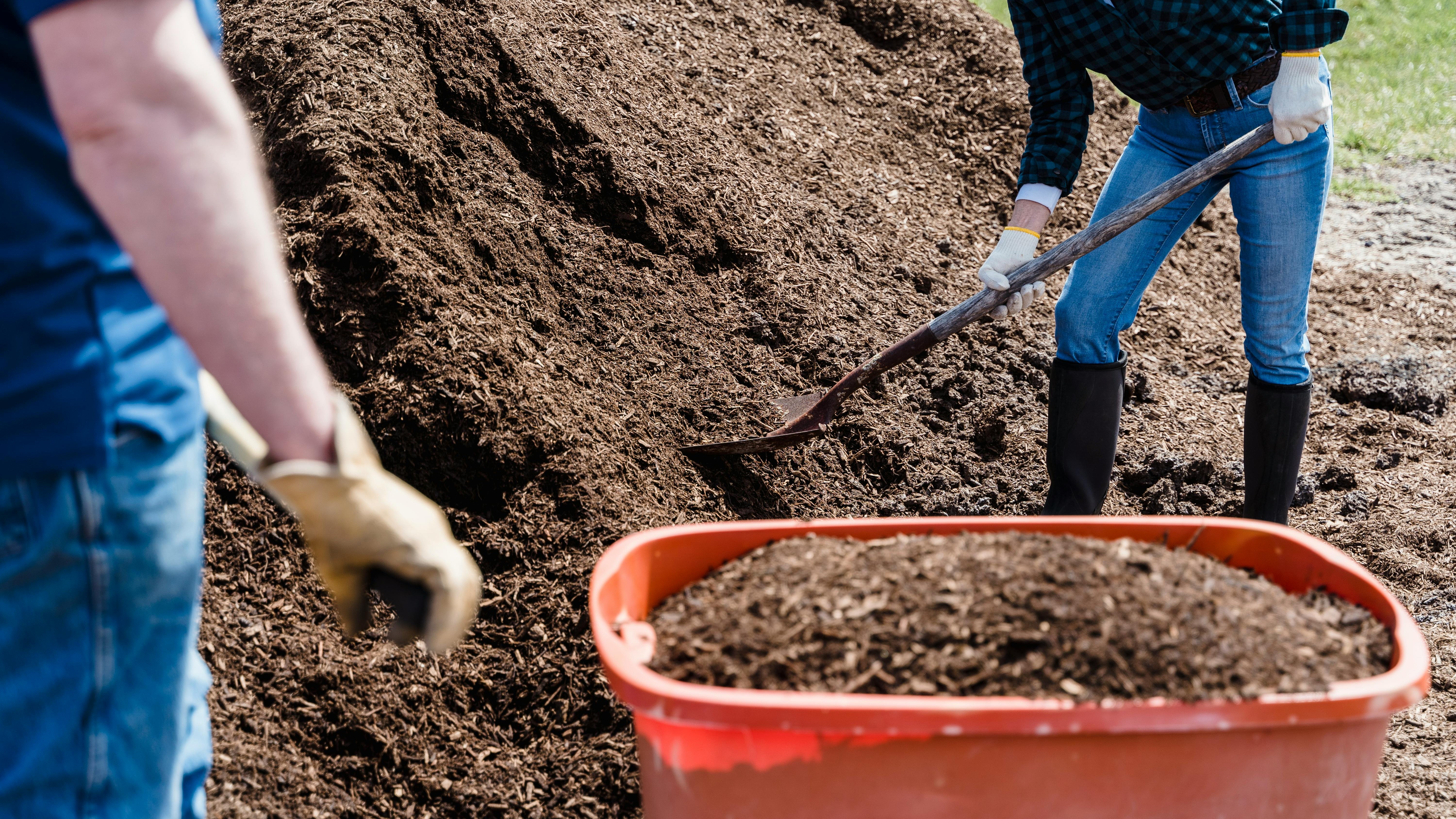
Why Mulching for Tree Health Matters: Surprising Benefits for Trees and Shrubs
The science behind effective mulching practices
Types of mulch and their specific benefits for tree health
Step-by-step process for applying mulch to trees and shrubs
Common mulching mistakes to avoid
"According to a recent study, properly mulched trees exhibit up to 60% faster growth and significantly reduced susceptibility to pests and diseases." — Penn State Extension
Tree health is directly linked to how well you mulch around your trees and shrubs. Actively mulching trees isn’t just about tidying up your landscape—effective mulch practices keep the soil surface cool, suppress weeds, and retain moisture that’s vital for deep root growth . Most importantly, quality organic mulch adds organic matter back to the soil, improving nutrient cycling and giving young trees and established shade trees the support they need. When comparing the roots of a mulched tree versus one without mulch, the difference in health is astonishing. Mulching for tree health protects roots from extreme temperatures and helps trees bounce back from drought, wind, and even pest pressure far better than bare-soil trees.
The best part is, mulching trees can be simple and cost-effective. Applying mulch using proper techniques—such as the 3-3-3 mulch rule —keeps your trees and shrubs strong while preventing the most common mistakes, like excess mulch burying the tree trunk. By investing a bit of time each year in inspecting and refreshing your mulch layer, you’ll foster a landscape that offers shade, beauty, and environmental benefits for years to come.
Understanding Mulching for Tree Health: Defining the Essentials
Mulching Trees: How Mulch Benefits Tree Health
Mulching for tree health leverages both scientific insight and practical wisdom. When you add a layer of mulch—preferably organic mulch such as wood chips or bark—around the base of trees and shrubs, you create a buffer that protects the soil surface and underlying root system . This critical layer acts as a shield against shifting temperatures, helping to regulate soil temperature throughout the seasons. During hot, dry spells, mulch slows water evaporation, letting roots draw in soil moisture for longer, which is vital during droughts or when watering is restricted. In cold seasons, mulch provides insulation, safeguarding roots from harsh freezes that could damage the root system of a young or mature tree.
Mulching also plays a profound role in preventing compaction—a major cause of declining tree health . The mulch keeps hard rains and foot traffic from packing soil tightly around the roots, ensuring oxygen, water, and nutrients can move freely to the places trees and shrubs need them most. Moreover, by blocking light to weed seeds, mulch suppresses unwanted ground cover, reducing competition for water and nutrients . This is especially important for mulching trees planted in lawns or high-traffic areas where competition from turf or weeds is fierce. Over time, as mulch breaks down, it boosts organic matter in the soil, feeding beneficial soil microbes and strengthening the whole ecosystem around your landscape plants.
The Science Behind Tree Health and Mulching for Trees and Shrubs
Scientific studies have confirmed what expert arborists have seen for decades: applying mulch around trees and shrubs accelerates growth and boosts long-term resilience. By creating a spongy, organic mulch layer, you set up a system that mimics the natural forest floor, supporting a robust, well-aerated root system . The decomposition of organic matter, like wood chips , shredded bark, or pine needles, feeds the soil’s microbial life—organisms essential for converting nutrients into forms your trees can absorb. This micro-ecosystem not only improves soil structure for easier root penetration but also strengthens disease resistance and suppresses harmful pathogens naturally.
The importance of soil chemistry and aeration cannot be overlooked when discussing mulching for tree health. Organic mulches, as they break down, create air channels and tiny reservoirs for soil moisture and oxygen. This is especially important for young tree plantings, where developing a healthy root system sets the foundation for a tree’s entire lifespan. Additionally, a well-applied mulch layer helps buffer the impact of heavy rain, reducing erosion and keeping vital topsoil intact around your trees and shrubs . In short, science shows that mulching creates the best growing environment for trees, while improper mulching—like piling mulch against the tree trunk—can have the opposite effect and lead to disease or root rot.
Mulching Terminology: Organic Mulch, Organic Mulches, and More
Before you get started, understanding mulching terms will help you choose and apply the right material. Organic mulch means mulch made from living or once-living materials such as shredded bark, wood chips , leaves, compost, or pine needles. These mulches break down over time, enriching the soil beneath with vital organic matter . On the other hand, inorganic mulch covers materials like stones or landscape fabric that don’t decompose and don’t add nutrients to the soil. When talking about organic mulches , remember that some types—such as wood chip mulch—are better suited for tree health, as they suppress weeds, regulate soil temperature, and support beneficial organisms in the soil.
Understanding the structure and recommended use of a mulch layer is crucial. Professionals suggest an even layer of 2-4 inches of mulch, using the 3-3-3 mulch rule to avoid smothering the tree trunk or piling excessive mulch, which can harm rather than help. You’ll hear terms like “drip line,” referring to the edge of the tree’s canopy where roots actively absorb water and nutrients . As you explore the world of mulching for tree health, these terms will guide you toward best practices and keep you from making common mistakes.
Selecting the Right Mulch for Trees and Shrubs
Comparing Organic Mulch and Inorganic Mulches for Mulching Trees
Mulch Comparison for Tree Health | ||
Type of Mulch |
Pros |
Cons |
|---|---|---|
Organic Mulch |
Improves soil, retains moisture, encourages root growth |
Breaks down faster, may attract pests if overapplied |
Inorganic Mulch |
Lasts longer, less likely to harbor pests |
Doesn’t improve soil, can overheat roots |
When choosing a type of mulch , consider your trees’ needs and your landscape’s conditions. Organic mulches like wood chips , shredded bark, pine needles, and compost offer exceptional benefits. They retain moisture , moderate soil temperature, and provide vital nutrients as they decompose—crucial for sustaining the root system over time. However, these mulches will need to be supplemented or refreshed yearly as they break down. On the other hand, inorganic mulch materials (such as stones or synthetic ground covers) are longer lasting and effective at weed suppression but do not contribute to soil health. In fact, applied incorrectly, inorganic mulches can cause overheating and compaction of the soil surface —risks for newly planted or sensitive trees and shrubs .
Selecting the best mulch means balancing function and aesthetics. Wood chip mulch, for example, offers a tidy appearance while naturally enhancing your yard’s biodiversity and soil conditions. While your instinct might be to refresh mulch frequently, always monitor your trees for signs of over-mulching, such as excessive mulch buildup near the trunk or symptoms of water-logging in the root zone. Ultimately, the right mulch will support tree health by ensuring your trees can reach water, nutrients, and air as they grow and mature.
Top Recommended Organic Mulches for Tree Health by Penn State
According to Penn State Extension , some organic mulch choices consistently outperform others for tree health . Shredded bark and wood chips are top picks—these provide a long-lasting layer that decomposes slowly, offering stability, weed suppression, and improved moisture retention. Avoid using mulches derived from black walnut or other toxic woods, as these can harm your trees and shrubs over time. For acid-loving species, pine needles can be a great choice, providing light coverage that slowly enriches soil without smothering roots.
When considering mulch materials, prioritize locally sourced, disease-free options to maximize both economic and ecological benefits. Homemade compost and well-aged leaf litter can be used, provided they’re applied in correct depths and kept away from the tree trunk . As a general guideline, always keep mulch clean, consistent in texture, and free from contaminants or invasive weed seeds—this is especially true when mulching young trees, where any imbalance can lead to trouble as roots establish.
Step-by-Step: Applying Mulch for Maximum Tree Health
How Much Mulch? Understanding the 3-3-3 Mulch Rule
Getting the amount and placement of mulch right is crucial. The 3-3-3 mulch rule makes it easy: apply a layer of mulch in a 3-foot diameter ring around the tree’s base, keep the depth to 3 inches, and maintain a mulch-free gap of 3 inches between the mulch and the tree trunk . This spacing ensures that tree bark stays dry and healthy, reducing risks of rot, pests, or disease.
Applying inches of mulch more than needed can be as harmful as not mulching at all. Over-mulching can block air and water from reaching tree roots, cause trunk decay, and even suffocate young trees. Always measure the mulch ring, using a ruler or careful estimation, to keep the thickness and radius within recommended ranges. Remember, excessive mulch or piling up against the trunk—commonly called "volcano mulching"—is one of the fastest ways to compromise long-term tree health .
Practical Example: Mulching Trees and Shrubs for Optimal Tree Health
Clear competing weeds and debris from the tree base
Keep mulch away from the trunk (the ‘volcano mulching’ mistake)
Spread mulch 2-4 inches deep, extending to canopy’s edge
Water thoroughly after mulching
Let’s walk through a real-world example of mulching for tree health, following the step-by-step checklist . Start by gently raking away grass, weeds, and debris from the base of your tree or shrub for a clean surface. Next, carefully spread your chosen organic mulch —such as wood chips or bark—first measuring out to the drip line or canopy edge. Lay the mulch 2-4 inches deep, but thinner closer to the trunk to prevent moisture buildup. Finally, water the area thoroughly, which settles the mulch and ensures immediate moisture availability for the root system .
"Applying excess mulch may suffocate roots and cause long-term tree health issues." — Penn State Urban Forestry
Following these steps minimizes risk of mulch-related issues while fostering rapid root growth and improved drought resistance. Take a moment after each application to double-check the space between the mulch and the tree trunk , and inspect the mulch layer for evenness. Consistency in routine—from clearing out old mulch each spring to avoiding excessive mulch —will yield healthier trees and a better-looking landscape for years to come.
Troubleshooting: Common Mulching Mistakes and Downsides for Tree Health
Major Downsides to Mulching Trees and How to Avoid Them
Piling mulch against the trunk (volcano mulching)
Using contaminated or diseased organic mulches
Over-mulching leading to root rot or nutrient deficiency
Even an activity as beneficial as mulching trees carries risks if done incorrectly. The single most damaging mistake—volcano mulching—happens when mulch is piled against the tree trunk. This hinders air exchange, increases moisture at the bark, and can invite disease, pests, and even root rot . Equally troublesome is the use of contaminated mulch, which may introduce harmful fungi or insects into your landscape, jeopardizing tree health .
Applying excess mulch creates a barrier that water can’t penetrate, causing shallow root growth and oxygen deprivation. Over time, this can reduce the tree’s structural stability and make it more vulnerable to drought and wind. Selecting clean, disease-free organic mulches , maintaining the right mulch depth , and following the 3-3-3 rule are your best defenses. And if you’ve already made a mistake, simply pull back excess or misplaced mulch to correct the problem and let the area dry out before re-mulching correctly.
Essential Tips to Safeguard Tree Health When Mulching Trees and Shrubs
To get the best out of mulching for tree health, commit to a set of simple, effective habits. First, inspect mulch annually—remove any mulch that’s crusted or decomposed into a thick mat that may repel water or encourage fungal growth. Keep your mulch ring tidy, ensuring that no mulch directly contacts the stem or root flare. Use only organic mulch types recommended for your trees and shrubs , and refresh as needed to maintain, but not exceed, a 2-3 inch layer.
It’s also critical to monitor for changes in your landscape: soil compaction, increased puddling, unexpected leaf yellowing, or fungus at the base of your trees could all be warning signs that the mulch setup must be adjusted. Make sure your mulch is loose and permeable, letting rainwater and air reach the root system . Avoid the urge to “top up” mulch unnecessarily, and favor gentle raking over aggressive rototilling to mix mulch into the soil. Simple vigilance and routine, coupled with attentive observation, are the best ways to ensure that mulching remains a benefit rather than a risk to tree health.
Best Practices for Long-Term Tree Health: Maintenance and Monitoring
Seasonal Mulching Tips for Year-Round Tree Health
For enduring tree health , adapt your mulching routine to the seasons. In spring, remove any soggy or compacted mulch left from winter, and apply a fresh layer of organic mulch before temperatures rise. This not only creates a weed barrier but prepares the root system for peak growing conditions. Summer may call for additional checks to ensure mulch remains evenly spread and isn’t encroaching on the tree trunk after storms or heavy watering. In fall, inspect and top up mulch to insulate roots against winter cold, always keeping depth in check to avoid excessive mulch or moisture.
Avoid applying mulch too late in the year as this could trap too much moisture and promote decay over dormant periods. For young tree plantings, extra care is needed the first few seasons—a thinner mulch layer is usually best to encourage deep root growth . By staying flexible and attentive, your trees and shrubs will benefit from consistently healthy growing conditions, translating to better foliage, resilience, and longevity.
Monitoring Tree Health After Mulching: Signs of Success and Distress
Routine observation is the foundation of tree and shrub care. After mulching, watch for the telltale signs of a successful system: rapid leaf growth, steady canopy expansion, and strong resistance to drought or pests. Trees that are properly mulched should continue pushing out vigorous shoots and show minimal wilting, even in harsh weather. Walk your landscape regularly, looking for changes at the mulch layer, such as mold, excess compacting, or chips that are washed away after strong rain.
"Consistent monitoring helps catch early signs of over-mulching or pest issues." — Certified Arborist
Detecting stress early prevents long-term problems. Warning signs that your mulching strategy might need revision include visible mushrooms, soured or rotten mulch odor, water pooling on the soil surface, or bark darkening around the root flare. Young trees are especially sensitive to these issues and should always draw your close attention. A simple seasonal checklist—for mulch depth, separation from the trunk, and overall cleanliness—will help keep tree health at its best year after year.
Expert Advice: Penn State Recommendations for Mulching for Tree Health
Prefer organic mulch whenever possible
Refresh mulch annually, avoiding build-up
Observe trees regularly for signs of distress
The Penn State Extension offers three key takeaways for successful mulching for tree health. First, always choose organic mulch materials—local, clean, and free from disease. Second, take time each spring to pull back old, matted mulch and refresh your mulch layer without continually adding new on top. Third, consistent weekly or monthly observation around tree bases will alert you early to signs of distress, letting you correct issues before they threaten your trees and shrubs. Adopting this system ensures mulching remains the powerful, tree-strengthening practice it’s meant to be.
People Also Ask: FAQs About Mulching for Tree Health
Is mulch healthy for trees?
Absolutely. Mulch, especially organic mulch like wood chips or bark, improves soil moisture , regulates soil temperature , and suppresses weeds—all of which give trees and shrubs a noticeable boost. When applied following best practices, mulching accelerates root growth and supports long-term tree health . However, improper application (like excess mulch or placing mulch against the trunk) can lead to problems, so it’s important to follow recommended guidelines.
What is the 3-3-3 mulch rule?
The 3-3-3 rule is a simple mnemonic for proper mulching: create a 3-foot diameter mulch ring around the tree’s base, keep the mulch depth at 3 inches, and ensure the mulch sits 3 inches away from the tree trunk . This prevents trunk rot, improves water infiltration, and maximizes the benefits of mulching for tree health.
What is a major downside to mulching?
If applied incorrectly, mulch can harm trees. The biggest danger is over-mulching —where a thick, dense layer suffocates roots, deprives them of oxygen, and promotes decay at the trunk base. This can result in stunted growth, root rot, and even death for sensitive or young trees. Always measure both mulch depth and proximity to the trunk to avoid these issues.
What kind of mulch is best for trees?
Organic mulches like wood chips , shredded bark, and pine needles are highly recommended. They improve soil conditions, help retain moisture, feed beneficial microbes, and support long-term tree health. Inorganic mulches (like gravel or landscape fabric) are rarely recommended for trees, as they do not improve the soil or support the root system as effectively.
Quick Recap: Essential Key Takeaways for Mulching for Tree Health
Mulching for tree health supports strong growth and better resilience
Use organic mulch, but avoid over-applying
Always follow the 3-3-3 mulch rule
Monitor trees and mulch regularly for continued tree health
Further Reading and Support for Maintaining Tree Health
Penn State Extension: Mulching Trees and Shrubs
Arbor Day Foundation: Mulch Myths and Facts
International Society of Arboriculture: Best Practices
Enhance Your Landscape: Expert Tips for Tree Health and Mulching Success
FAQs About Mulching for Tree Health
How often should mulch be refreshed?
Can I use grass clippings as mulch for trees and shrubs?
Is dyed mulch safe for tree health?
What signs signal over-mulching?
Should mulch touch the tree trunk?
Refreshing mulch annually prevents compaction and disease buildup. Avoid grass clippings as they may mat and keep soil too wet. Dyed mulch is safe if non-toxic, but always buy from reputable suppliers. Signs of over-mulching include sour odor, mushrooms, or wilting foliage; always keep mulch away from the tree trunk for best results.
Ready to take your mulching and tree health knowledge to the next level? Grow your landscaping expertise—call 203-271-7991 or visit TreeGuardianNews.com to subscribe.
Mulching is a fundamental practice for enhancing tree health, offering benefits such as moisture retention, temperature regulation, and weed suppression. For a comprehensive understanding, consider the Arbor Day Foundation’s article, Arborist Advice: Mulching 101 , which provides detailed guidance on selecting appropriate mulch types and correct application techniques. Additionally, Penn State Extension’s resource, Mulching Landscape Trees , delves into the science behind mulching, emphasizing the importance of proper depth and the risks associated with over-mulching. If you’re committed to fostering robust and resilient trees, these resources will equip you with the knowledge to implement effective mulching practices.





Write A Comment