








Ever wondered if pruning trees in fall could do more harm than good? As leaves drift to the ground and branches bare themselves to autumn’s chill, many homeowners reach for their pruning shears—sometimes risking the health of their cherished trees. Conventional wisdom says wait, but is that always true? In this comprehensive, informational guide, you’ll discover when and how pruning trees in fall makes sense, expert-recommended techniques, and why timing can make or break your landscape for the seasons ahead.
Does Pruning Trees in Fall Go Against Conventional Wisdom?
Pruning trees in fall is a practice that’s frequently debated among gardening communities and professionals. The old adage holds that the best time to prune trees is during the dormant season—after leaves have fallen and before buds open in early spring. Yet, with climate unpredictability and the spread of certain diseases like oak wilt, this advice isn’t always so clear-cut. Many experts urge caution since fresh pruning cuts made during fall may not heal quickly enough to prevent disease and pest intrusion, exposing trees and shrubs to long-term harm.
However, not every scenario fits neatly into established rules. Homeowners today often face urgent needs—such as removing dead, damaged, or hazardous limbs—that can’t wait until winter. It’s also vital to consider different tree species, since some can tolerate light pruning better than others in the cool, crisp months of autumn. Understanding the context and the potential effect on sap flow, branch collar integrity, and future flowering is key to making the right call. If you do choose to prune in the fall, always use the correct tools and methods to protect your trees’ longevity.
Why Homeowners Are Rethinking Fall Pruning
Recent seasons have shown homeowners that strict adherence to the dormant season rule isn’t always practical—or safe. After major storms, for instance, large branches can break and create risks that must be addressed quickly, regardless of the time of year. Many are rethinking fall pruning, weighing the risks of disease against the need to maintain property safety and tree structure. Leading sources like Tree Guardian News encourage “right place, right practice”—focusing on removing dead, dangerous wood rather than cutting back healthy branches.
Awareness is also growing about the differences between tree species and their unique responses to pruning cuts. For example, fruit trees that require shaping or shade trees with crossing limbs should rarely be pruned in the fall unless there’s a need to limit spread, such as with oak wilt. As urban landscapes shift and new challenges arise, smart homeowners prioritize tree health while also minimizing risks—making careful, informed decisions about what to prune and when.
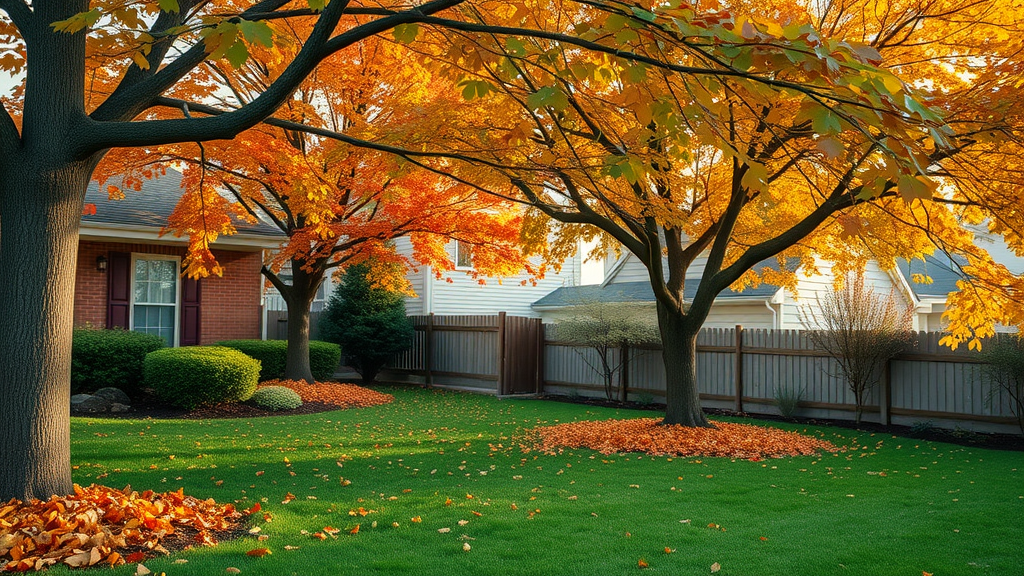
What You’ll Learn About Pruning Trees in Fall
- Essential reasons for pruning trees in fall
- How to perform effective pruning cuts and methods
- The best time of year for pruning different trees and shrubs
- Dangers of improper pruning in the fall season
- Expert strategies for handling large branches
- Common mistakes to avoid when you prune in the fall
Fall Pruning Explained: Should You Be Pruning Trees and Shrubs When Temperatures Drop?
As daylight wanes and temperatures cool, it’s tempting to ready your landscaping for winter by trimming overgrown or unruly branches. But does pruning trees in fall help or hurt? The answer is nuanced. For most trees and shrubs, fall is not the ideal time of year for pruning. The healing process slows significantly in cool weather, leaving fresh wounds vulnerable to pathogens and pests. Aside from weather, sap flow within the tree changes, and improper cuts can stimulate late growth that won’t mature before freezing temperatures set in.
However, limited fall pruning is sometimes necessary and even beneficial—such as when clearing away limb hazards near driveways or removing branches that threaten property structures. In these cases, experts recommend using specific pruning techniques: only remove what is dead, diseased, or immediately unsafe, and avoid taking off more than necessary. This approach protects both the tree’s energy reserves and its branch structure, ensuring it enters winter as healthy as possible.
Understanding the Science Behind Pruning Trees in Fall
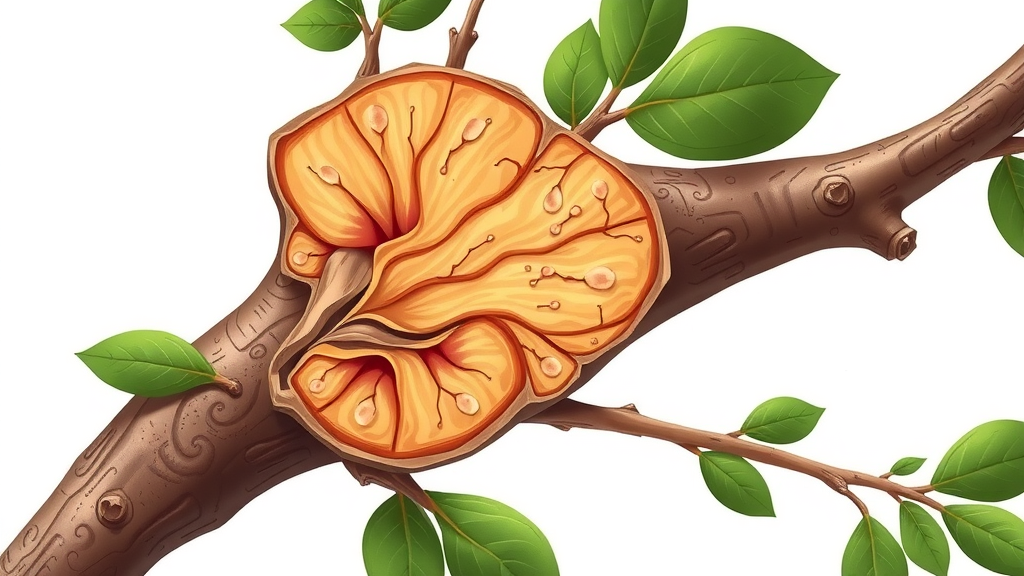
The underlying science of fall pruning focuses on a tree’s biological timing and how it heals from injury. When you prune trees and shrubs in fall, every pruning cut becomes an open wound—one that heals slowest in cool, damp conditions. As chlorophyll production tapers off and sap retreats towards the roots, the tree is less capable of sending resources to repair itself. The branch collar—a swollen area where the branch meets the main stem—is responsible for sealing wounds, but its activity is reduced during fall’s dormancy transition.
Improper pruning cuts in autumn increase susceptibility to disease agents like oak wilt, which can devastate susceptible species such as oaks and elms. Moreover, if you cut back healthy, live wood, you may inadvertently stimulate new growth that cannot harden off before winter frost. Specialized tools and clean pruning techniques—such as cutting just outside the branch collar for quick sealing—are crucial to minimize risk. By understanding the healing process, you’ll be better prepared to protect your landscape for seasons to come.
Types of Trees and Shrubs Most Affected by Fall Pruning
Not every tree species responds the same way to fall pruning. Some, like shade trees (oaks, maples, and birches) and flowering fruit trees, are especially vulnerable if pruned at the wrong time. Wounds left on these trees during fall can become entry points for fungal and bacterial pathogens, with oak wilt being an especially notorious concern. Elm and ash trees are similarly sensitive, with fall pruning raising the risk of spreading pests and diseases just as the growing season ends.
Evergreen trees and many hardy shrubs, by contrast, tolerate light fall pruning better as long as the cuts are minor and proper pruning methods are used. However, excessive removal of branches—even in these hardier varieties—can lead to stress and reduced energy reserves heading into winter. When in doubt, always consult a local certified arborist or resources like Tree Guardian News for species-specific advice before undertaking any major pruning cuts in the fall.
The Right Pruning Method for Trees in Autumn
Achieving healthy trees and shrubs through autumn pruning hinges on understanding and employing the correct pruning method. Begin with clear objectives: Are you removing deadwood, correcting structure, or protecting property from hazardous limbs? Each purpose calls for tailored techniques and precision. Use only sharp, clean tools to make precise pruning cuts—this ensures the least damage and fastest healing. Avoid creating branch stubs or ragged edges, which slow down the tree’s natural sealing process and can be an open invitation to pests.
Consider the type of tree and the current health of its main stem and branches. For large branches, make an undercut first to prevent bark tearing before completing the final pruning cut from above. Monitor the size and placement of cuts to avoid drastic removal that weakens the overall branch structure. Whether you’re tackling a fruit tree, shade tree, or any other woody plant, choosing the proper pruning method safeguards the tree’s vitality once winter sets in.
Safely Making Pruning Cuts on Trees in Fall
When pruning trees during the fall, safety and technique go hand in hand. Start by inspecting the tree for potential hazards—dead, split, or hanging branches—that pose genuine risk to people or property. Use stable ladders, appropriate safety gear, and only quality, sanitized cutting tools. For every large branch you plan to remove, first make a small notch on the underside a few inches from the branch collar. Follow with a second cut a few inches further out from the first, removing most of the branch weight. Finish with a clean cut just outside the branch collar for optimal healing.
Always keep presence of mind for your surroundings, especially when working with high or heavy limbs. Avoid damaging the bark or leaving behind long branch stubs, as these compromise both the structure and health of the tree. It’s also essential to avoid pruning trees in wet or icy conditions, which increases the risk of injury and disease spread. For particularly large branches or trees close to power lines or buildings, do not hesitate to call a professional. Proper safety practices are an investment in both personal well-being and the life of your trees.
How to Prune Trees: Tools, Techniques, and Best Practices
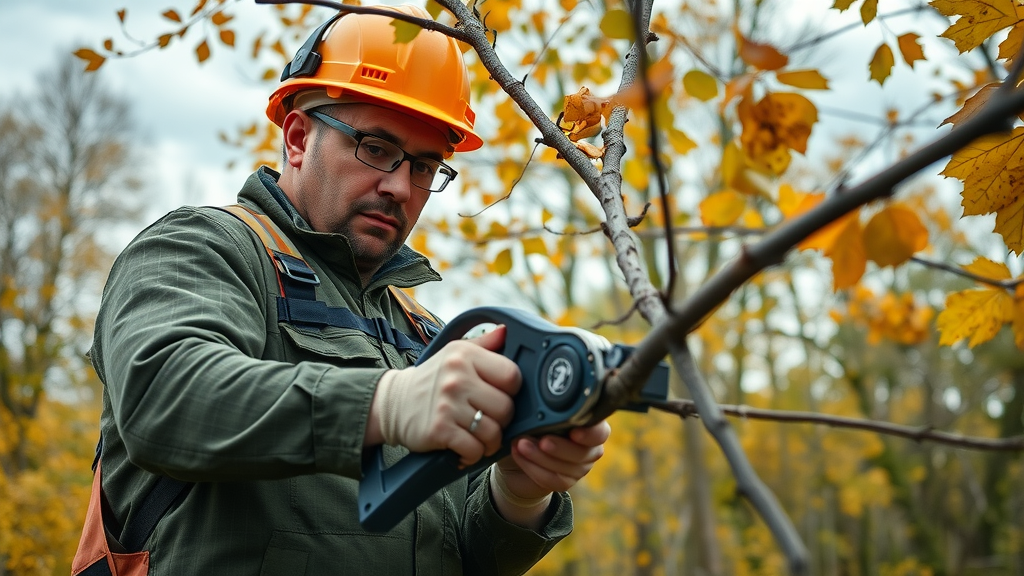
To prune trees effectively in the fall, start with the right tools: bypass hand pruners for small branches, loppers for medium-sized limbs, and a pruning saw for anything more substantial. Pruning shears should be sharp and sterilized to make precise, clean cuts that minimize trauma to the tree. Always cut just outside the branch collar, never flush with the trunk or main stem, to facilitate faster healing and reduce the risk of disease. Make each pruning cut at a slight angle so that water does not accumulate on the wounded area.
Best practices include never removing more than 20-25% of the live canopy in one season, prioritizing the removal of dead, diseased, or damaged material first. Space cuts apart and maintain the tree's natural branch structure, avoiding the temptation to aggressively cut back beyond what is essential. Practice patience—large or difficult branches may take several prudent cuts rather than forcing a single, hurried motion. Clean all tools between trees or after dealing with disease to prevent contamination across the landscape. These time-tested techniques can mean the difference between a thriving tree and one that struggles for seasons to come.

When Not to Prune Trees: Time of Year to Avoid
While minor pruning to remove hazardous or dead wood is sometimes unavoidable, most tree experts caution against routine fall pruning. The period from late summer through early fall is especially problematic, as trees are still preparing for dormancy and their resources are stretched. Pruning during this time of year often encourages a last flush of new growth—which is unlikely to harden off before frost—leaving the tree susceptible to winter injury.
Optimal periods for most tree pruning are during late winter or early spring, depending on the species. Trees are still dormant but the risk of disease and cold damage is minimized, and the wounds heal rapidly as soon as growth resumes. For shade trees and fruit trees, in particular, holding off until the dormant season helps maintain vigor and structural integrity. Remember that pruning cuts made at the wrong time may remain unhealed through winter, exposing your landscape to more risks than benefits.
| Pruning Method | When to Use in Fall | Benefits | Risks |
|---|---|---|---|
| Light Pruning (Dead/Diseased Wood) | Anytime safety is at risk | Removes hazards, minimal stress, prevents spread of disease | Low if proper cuts are made |
| Major Pruning (Live, Healthy Branches) | Fall (Not recommended) | Removes unwanted growth, shapes tree | Weakens tree, risk of disease, poor wound healing, stimulates unwanted growth |
| Structural Pruning (Branch Structure Correction) | Not in fall; Best in late winter/early spring | Improves tree health, long-term structure | If done in fall, increased risk of stress and dieback |
Key Timing: When to Prune In the Fall for Best Results
Tough decisions about WHEN to prune fall to timing and observation. If you must perform any pruning trees in fall, the optimal window is after leaf drop but before deep freeze sets in. During this short period, trees and shrubs are less active, but have not yet shut down completely for winter. Cuts made earlier than this may stimulate new growth, while later cuts run the risk of sluggish healing and increased disease exposure due to moisture and cold.
Assess each tree individually, looking for signs of dead wood, weak crotches, or dangerous leaning limbs after storms. If you’re addressing a large branch or complicated scenario, never hesitate to consult professional resources or services—sometimes waiting is the best “pruning cut” you can make to ensure the health of your trees. Patience and precision during the transition from growing season to dormant season will give your landscape its strongest start in spring.
Balancing Pruning Cut Timing and Tree Health
Striking the right balance between timely action and long-term tree health is critical. Make fall pruning decisions based on immediate safety and disease prevention rather than aesthetics or routine maintenance. A light touch in the fall—focusing strictly on removing dead, dying, or diseased wood—protects the branch collar’s ability to seal wounds and helps the tree marshal its resources for winter survival. Avoid the temptation to cut back healthy, living branches unless they present a clear hazard.
If you’re uncertain about whether a branch should be removed now or later, inspect for visible signs: brittle wood, lack of buds, fungus, or evidence of pests. If in doubt, waiting until late winter or consulting an arborist ensures you maintain a prudent approach. The goal with fall pruning is to mitigate risk—not to push your trees beyond what they’re biologically prepared to handle in cooler months.
Identifying Large Branches for Safe and Effective Pruning Cuts
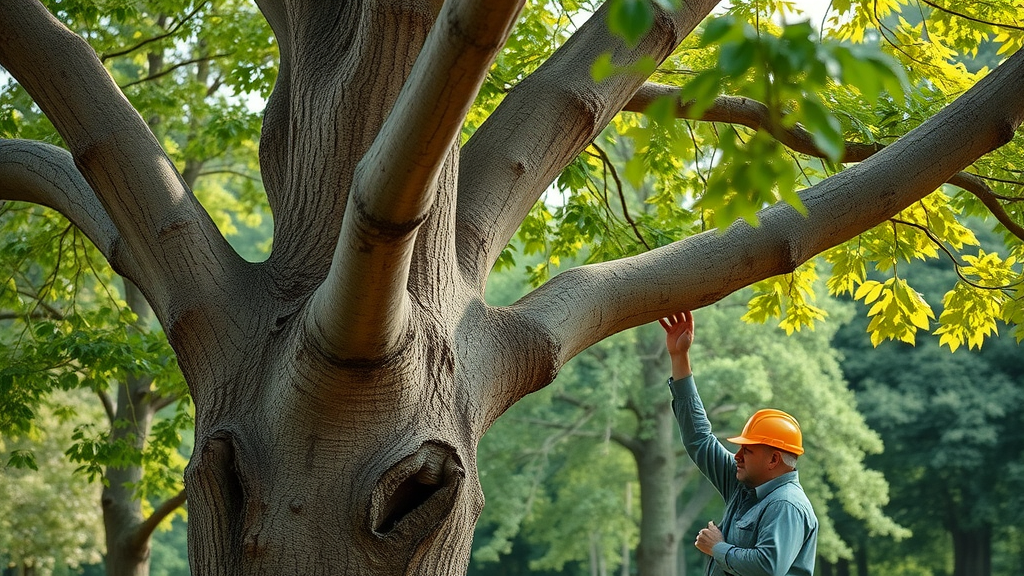
Large branches require special attention during autumn pruning. Their removal places more stress on the tree, and improper technique can result in dangerous tearouts or lingering branch stubs. To determine if a large branch should be pruned, check for splits, cracks, or signs of disease—a failing large branch could pose risks not just to the tree, but also to people and property beneath.
When pruning a large branch, always use the three-cut method: undercut a few inches past the branch collar, make a top cut further out to remove weight, then make a clean finish cut just outside the collar. This minimizes bark damage and encourages the tree to seal the wound efficiently. Document your process—note the size and angle of your cuts, and avoid removing multiple major branches in a single season to support sustained tree health.
Step-by-Step Fall Pruning Guide for Homeowners
-
Inspect trees and shrubs to assess pruning needs
Begin by surveying the health and structure of your landscape. Note any dead, broken, or obviously diseased limbs—these must take priority. Observe which areas of your trees and shrubs may pose a threat to people, power lines, or structures, and focus your efforts there. -
Identify dead, diseased, or damaged branches
Examine limbs for brittle wood, absence of buds, cankers, fungus, or visible decay. Mark branches for removal clearly and ensure you do not accidentally prune healthy, vigorous wood, especially on flowering trees or those entering dormancy. -
Make careful pruning cuts at the correct angle
Using sharp, clean tools, cut just outside the branch collar at a slight angle. This method helps wounds to seal quickly and prevents water accumulation, which can foster rot and disease. -
Use the appropriate pruning methods and tools
Select the right tool for each job: bypass pruners for twigs, loppers for medium branches, and a saw for large limbs. Always sanitize tools between trees to avoid spreading pathogens. -
Handle large branches with caution
Use the multi-cut (three-cut) technique for large branches to avoid tearing bark. Never rush or attempt to handle large, overhead branches alone—a team approach is safest. -
Dispose of pruned materials responsibly
Properly dispose of removed wood to prevent the spread of diseases and pests. Chip, compost, or use municipal yard waste services, and never leave piles at the base of trees.
"Proper fall pruning can ensure your trees and shrubs stay healthy and strong through the winter," says a certified arborist at Tree Guardian News.
People Also Ask About Pruning Trees in Fall
Is it OK to prune trees in the fall?
Answer: Pruning trees in fall is often discouraged for certain types of trees because new wounds may not heal before winter, exposing the tree to disease and stress. However, light pruning of dead or dangerous branches is generally acceptable.
What months should you not trim trees?
Answer: Generally, you should avoid trimming most trees during late summer and early fall, as cuts heal more slowly and the risk of disease increases. Each species may differ, so consult expert resources like Tree Guardian News.
What part of a tree should not be cut in the fall?
Answer: Avoid cutting healthy, living branches during the fall to reduce the risk of damaging the tree. Focus only on removing dead, diseased, or hazardous limbs until proper pruning time.
Can you trim your tree in October?
Answer: Minor pruning in October is possible if you are removing dead or broken branches. Extensive pruning should be reserved for late winter or early spring.
Preventing Damage: Common Fall Pruning Mistakes and How to Avoid Them
- Over-pruning live branches in fall – Only prune what is necessary for safety or health, to avoid undue stress on the tree.
- Using improper pruning methods – Clean, angled cuts outside the branch collar are critical; avoid stubs and bark tears.
- Ignoring the best time of year for pruning – Remember that late winter and early spring are generally best for most major cuts.
- Leaving ragged pruning cuts on large branches – Smooth cuts heal best and keep your tree’s defense mechanisms intact.
"Failing to follow correct pruning protocols in fall can weaken your trees and make them more susceptible to disease," advises the team at Tree Guardian News.
Essential Tree Pruning FAQs for Fall
-
What tools are best for pruning trees in fall?
Use bypass pruners for thin branches, loppers for medium cuts, and a pruning saw for large limbs. Sharp, sanitized tools ensure clean cuts and prevent disease spread. -
How can you tell if a branch should be removed now or later?
Inspect for signs of decay, lack of leaf growth, or obvious hazard. Dead or diseased branches are safe to prune in fall; living healthy ones are best left until dormant season. -
What signs indicate a poor pruning cut?
Ragged edges, torn bark, or lingering branch stubs all signal improper techniques. These can delay healing and increase the risk of disease. -
Why is tree health in fall important?
Healthy trees are better equipped to withstand winter stress. Proper fall care, including limited precise pruning, prevents disease and encourages strong spring regrowth.
Key Takeaways: Pruning Trees in Fall the Right Way
- Do not over-prune or prune healthy branches in fall
- Focus on dead, damaged, or diseased wood
- Use sharp, clean tools and make proper pruning cuts
- Consult professionals for large branches or uncertain cases
Conclusion: Mastering the Art of Pruning Trees in Fall
By applying the right fall pruning practices, you’ll keep your trees and shrubs healthy, safe, and ready for next season—always prioritize smart cuts, proper timing, and when in doubt, seek expert guidance.
Now is Your Time to Act: Share Your Insights on Tree Care—Call 203-271-7991 to Discuss!
Pruning trees in the fall is a topic of considerable debate among gardening experts. While some advocate for fall pruning under specific conditions, others caution against it due to potential risks. For instance, the article “Fall Pruning Dos and Don’ts” from AmericanGardener.com provides insights into the benefits and drawbacks of fall pruning, emphasizing the importance of timing and technique. (americangardener.com) Similarly, the Wisconsin Horticulture Extension’s piece “Pruning Deciduous Trees” offers detailed guidance on the best practices for pruning during different seasons, highlighting the potential risks associated with fall pruning. (hort.extension.wisc.edu) If you’re serious about maintaining the health and aesthetics of your trees, these resources will provide you with comprehensive information to make informed pruning decisions.





Write A Comment