





Tree Guardian News
Tree Guardian News
  • Home
  • Categories
    • Storm Damage & Prevention
    • Tree Care Tips & Landscaping
    • Tree Disease Identification & Treatment
    • Insurance Intel
    • DIY Tree Care & Safety
    • Sustainable Tree Care & Eco Solutions
    • Professional Tree Services
    • Arborist Stories
    • Latest News
    • Industry Insights
Join the Arborist Forum 
October 03.2025
1 Minute Read

Stop risking it—tree removal safety tips you need today

Startling Statistic: Every year, thousands of injuries and hundreds of fatalities occur during tree removal—most are preventable with the right approach. Stop risking it—tree removal safety tips you need today could save a life—maybe even yours. If you think felling a tree is as simple as swinging an axe, think again. Each branch and every power line presents a potentially deadly hazard. Ready to learn what it really takes to stay safe?

A Startling Look at Tree Removal Safety Risks

"Every year, thousands of injuries and hundreds of fatalities occur during tree removal—most are preventable with the right approach."

Tree removal safety is not just a concern for industry professionals. Homeowners, landscapers, and even bystanders face real dangers whenever a tree is trimmed or felled. The risks include falling branches, misjudged cuts, power line contact, and equipment malfunctions. According to industry standards and OSHA standards, these hazards are serious enough to make tree trimming and removal one of the most hazardous jobs in the United States. Whether you’re considering a DIY project or hiring tree care professionals, an understanding of essential safety and health measures is a must. Major hazards go beyond the visible—unstable ground, weather conditions, and hidden decay can all spell disaster, especially when the right personal protective equipment or fall protection systems are absent.

Why Tree Removal Safety Matters for Everyone

No matter your experience, tree removal safety protocols are critical in every situation. Even seasoned arborists face risks on the job site, especially when dealing with power lines or performing tree care operations that require aerial lifts. For homeowners, neglecting proper safety procedures can lead to catastrophic injury, costly property damage, or even fatalities. But why is tree removal safety so vital? Not only do industry standards and best practices keep people safe, but following them can also make trimming or tree removal more efficient and cost-effective in the long run. By taking the time to prepare and use personal protective equipment, homeowners and professionals alike significantly reduce the odds of injury. Remember, the right approach to tree care and trimming makes all the difference between a safe job and a dangerous disaster.

Worried homeowner observing tree removal crew, focused on tree removal safety with visible safety cones and professionals using safety gear. Photorealistic suburban front yard, sawdust in the air, soft natural light.

What You'll Learn About Tree Removal Safety

  • Key tree removal safety hazards
  • Steps for using protective equipment
  • Techniques for working near power lines
  • Tree care and trimming best practices
  • Choosing professional tree removal services

Understanding Core Tree Removal Safety Principles

To safely tackle tree removal, you must first grasp the key principles of safe tree care operation. Distinguishing between tree trimming and full tree removal is crucial because each process demands unique safety and health considerations. Established safety fact: both jobs can expose workers to falling debris, energized power lines, and unstable tree limbs. Industry guidelines and osha standard procedures require all participants to wear personal protective equipment and follow outlined fall protection system protocols. By integrating best practices at every step—from job site assessment to final cleanup—accidents can be avoided and both property and people can be protected.

Tree Trimming vs. Tree Removal: Distinctions in Safety Protocols

Tree trimming and tree removal may look similar but the risks—and the required safety measures—can be very different. Tree trimming generally involves removing tree limbs or branches, which can still pose significant hazards as these can swing unpredictably or strike workers below. Conversely, tree removal takes the entire tree down, demanding a coordinated strategy to avoid property damage, personal injury, or even contact with an energized power line. Each step, whether using hand tools or aerial lift equipment, requires adherence to different fall protection systems. Understanding these distinctions is fundamental to any safe tree care operation.

Essential Tree Care Safety Considerations

When it comes to effective tree care, safety should be the first priority—whether you’re using chainsaws, climbing lines, or aerial lifts. Compliance with general industry standards is non-negotiable; proper training, regular inspection of protective equipment, and selecting the right fall protection system are all essential. Tree care operations often require a team approach to spot hazards, mitigate risks from decaying trees, and safely manage weather-related variables. Personal protective gear, including helmets, gloves, boots, and hearing protection, reduces the risk of cuts, falls, or contact with power lines. Recognizing and preparing for possible dangers at every stage is the cornerstone of responsible tree removal safety and overall project success.
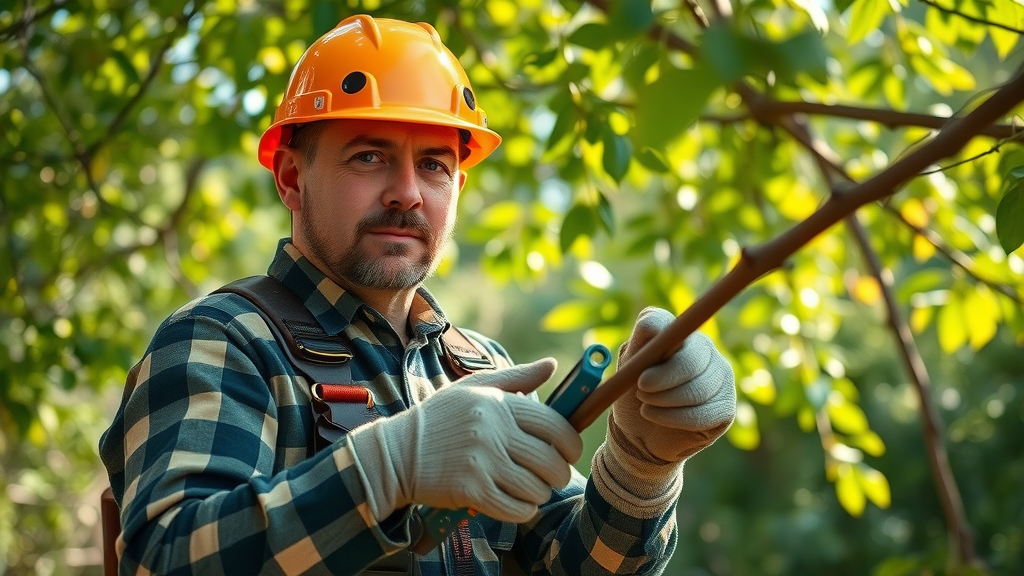
Professional arborist preparing to trim a tree, focused on tree care safety with helmet, pruning tools, gloves, and climbing gear. Lush backyard setting with cut branches. Photorealistic with natural afternoon sunlight.

Evaluating Fall Protection Measures

One of the greatest threats in tree removal and tree trimming is falling—from the tree itself or from aerial lift platforms. Proper fall protection systems, including full-body harnesses, climbing lines, and protection systems tailored to tree care operations, can mean the difference between life and death. OSHA standard guidance specifically addresses fall protection in tree care; these systems must be used at heights of more than six feet to guard against dangerous falls. Regular inspection and training in the use of these systems are also essential. The adoption of reputable fall protection and protection system tools not only meets general industry requirements but also strengthens overall workplace safety and health for every crew member involved in tree care and removal projects.

Personal Protective Equipment for Tree Removal Safety

Personal protective equipment (PPE) forms the backbone of any tree removal safety plan. Whether you’re dealing with tree trimming, limb removal, or full-scale tree felling, the correct protective equipment shields workers from a host of risks—ranging from falling branches and flying debris to chainsaw kickback and hazardous noise. Professional tree trimmers and property owners alike benefit from investing in PPE that meets or exceeds general industry standards for tree care operations. Consistent use of PPE is a major safety fact—accidents are not only less frequent but also less severe when proper gear is in place. Tree care industry leaders continually emphasize the importance of not only owning but also properly maintaining and regularly replacing worn-out gear to ensure its protective integrity on the job site.

Personal Protective Equipment Must-Haves

Essential personal protective equipment for tree removal laid out on a workbench, including helmet, gloves, boots, safety glasses, hearing protection, and chainsaw-resistant clothing. High real detail. No people.

To maximize tree removal safety, certain pieces of personal protective equipment are must-haves for all workers and homeowners.

  • Helmets: Protect against falling limbs and debris.
  • Gloves: Offer grip and protect hands from cuts, splinters, and chainsaw vibration.
  • Safety glasses: Shield eyes from chips, dust, and flying bark.
  • Hearing protection: Reduce risk of hearing loss from chainsaws and chippers.
  • Chainsaw-resistant clothing: Pants, chaps, or jackets made to stop saw blades on contact.

How Protective Equipment Prevents Tree Removal Injuries

Proper protective equipment is more than a box to check—it’s a critical line of defense. For instance, chainsaw-resistant chaps can stop a moving blade, potentially saving a leg. Helmets and safety glasses guard against overhead dangers and sharp debris, while hearing protection reduces long-term risk of hearing loss—a hidden hazard in noisy tree care operations. Collectively, these protective systems address the full spectrum of hazards present in tree removal, including unforeseen events like a snapped climbing line, shifting tree limb, or accidental contact with an energized line. In fact, by following personal protective equipment guidelines, both companies and individuals can comply with OSHA standards while greatly improving the safety and health outcomes for everyone involved.

  • Helmets
  • Gloves
  • Safety glasses
  • Hearing protection
  • Chainsaw-resistant clothing

Power Lines and Tree Removal Safety: Avoiding Electrical Hazards

Working near power lines poses lethal dangers—always treat lines as energized unless verified otherwise by your utility company. Electrical hazards remain the top issue for tree removal professionals, especially when using aerial lifts or dealing with tall trees near overhead power lines. Any contact with an energized line can cause shock, burns, or worse. Safety protocols require all job site participants to stay alert, visually scan for power line locations, and collaborate closely with utility partners. Industry standards specifically address the risk factors, emphasizing thorough site planning, strict adherence to protection systems, and appropriate use of personal protective equipment specifically designed to shield against electrical danger.

How to Identify and Work Near Power Lines Safely

The risk of working near a power line cannot be understated. Before beginning any tree care operation, survey the job site for power lines both above and around your work area. Set up safety zones with cones or warning signs, and maintain a safe minimum approach distance, usually at least 10 feet from any energized line. Use non-conductive tools and always avoid using metal ladders or aerial lifts near electric power sources. If you’re unsure about a line’s status, contact the utility company for confirmation. Remember: lines are energized until proven otherwise. Clever site setup and collaborative planning are your first lines of defense against tragic and costly mistakes.

Addressing Power Line and Power Lines Proximity Risks in Tree Removal

Proximity to power lines transforms any tree removal into a high-stakes task. Risks include accidental contact with an energized power line or indirect contact through a tool, ladder, or falling branch. Tree trimmers and removal professionals rely on specialized aerial lifts, insulated tools, and robust fall protection systems. To avoid disaster, always assign a ground observer whose sole job is to monitor the work near power lines. Should your job require work within the utility’s minimum clearance distance, the safest step is to contact licensed utility line-clearance arborists who follow strict OSHA standards for high-voltage work. Bystanders and untrained workers should never attempt tree care operations near power lines, as even minor miscalculations can lead to severe injuries or fatalities.
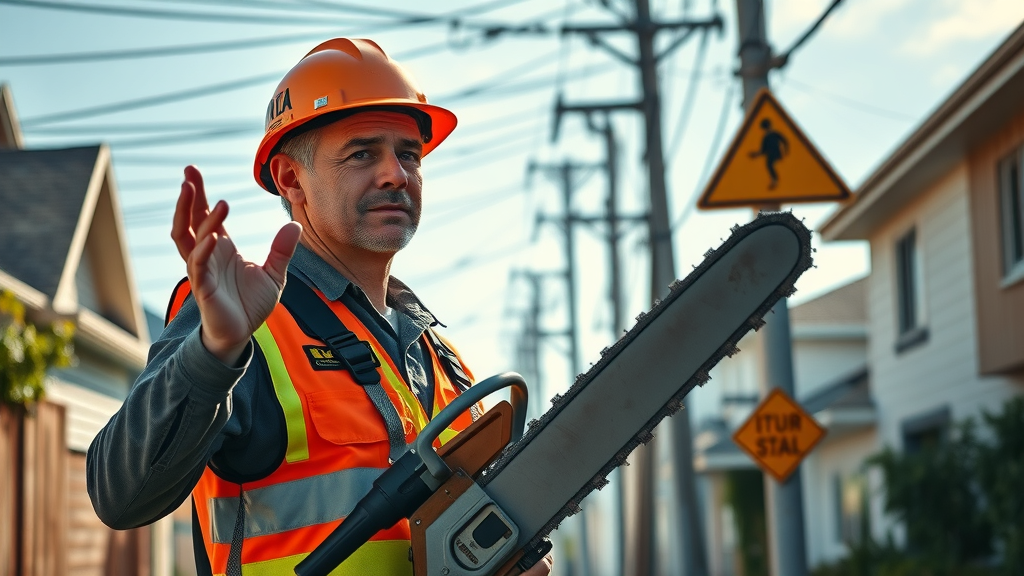
Tree removal worker assessing power line dangers for tree removal safety, gesturing towards overhead power lines while holding a pole saw. Visible safety vest, warning signs, utility poles, and high-contrast setting.

Pre-Removal Site Assessment for Tree Removal Safety

A safe tree removal process begins long before a single cut. Comprehensive pre-removal site assessment is a cornerstone of tree removal safety. This review includes evaluating the tree’s condition, identifying all hazards, and outlining escape routes for every worker. Pay attention to ground stability, decaying wood, weather threats, and overhead risks like power lines or nearby buildings. Meticulous pre-removal assessment also ensures compatibility with general industry standards, especially for professional care operations. By catching trouble spots early and mapping out safety and health steps, your team or family will be more prepared for every stage of the operation—reducing accidents and safeguarding property and lives.

Inspecting the Tree and Surroundings

Start your tree removal by carefully inspecting the target tree and its immediate surroundings. Look for signs of disease, rot, or structural instability in the trunk and major limbs. Check for insect infestations, fungi, or hollows that may cause the tree or its branches to fall unpredictably. Assess the ground for uneven terrain, wet soil, or exposed roots that could pose tripping hazards or indicate instability. Also, identify and respect the location of all power lines, fences, vehicles, and buildings within potential fall range. This intensive, precautionary stage sets the tone for safe and effective tree removal or major tree care operations, minimizing guesswork during the most dangerous steps of the job.

Assessing Potential Hazards: Safety and Health Factors

Once you’ve examined the tree, consider all environmental variables that could turn a routine removal into an accident. List potential hazards—including:

  • Unstable ground
  • Decaying trees
  • Overhead obstacles (wires/buildings)
  • Weather conditions (wind, rain, lightning)

Safety assessor marking hazardous tree conditions, crouched inspecting unstable ground with a clipboard and visible yellow hazard tape in a wooded backyard. Detailed, earthy, photorealistic setting.

Step-by-Step Tree Removal Safety Process

Tree removal is never a “just wing it” proposition. Below is a proven step-by-step tree removal safety process, structured for both DIYers and seasoned professionals. Following these stages ensures that no detail is overlooked, and risks are minimized at every point during the care operation or job site assessment. Clear planning, intentional action, and vigilant review make complex tree removal jobs both manageable and safe for everyone involved.

Step Description
1 Gather personal protective equipment
2 Clear the work area
3 Assess tree and site
4 Plan escape routes
5 Begin careful trimming
6 Execute controlled tree removal

Best Practices in Tree Care and Trimming for Safety

Successful, injury-free tree care and trimming rely on expertly chosen tools and proven safety strategies. By using the right protective equipment, maintaining all gear per industry standards, and continuously updating protocols to reflect new safety facts, tree care professionals and property owners can create safer work environments. Remember, each tree is unique—its height, proximity to power lines, and structural health will influence the required strategy. The integration of care operations techniques and advanced climbing equipment reduces risk and enhances job site efficiency while ensuring compliance with all applicable general industry standards.

Tree Trimming: Tools and Techniques for Safety

Using the proper tools for tree trimming is half the safety battle. Sharp, well-maintained saws and pruning shears prevent slips and muscle fatigue, while secure climbing lines and harnesses provide fall protection at any height. For branches close to power lines or requiring access by aerial lift, non-conductive pole saws are a must. Best practice: routinely inspect all personal protective and climbing gear before each use, and never improvise if a tool is damaged or missing. Adequate training in the use of each tool, and a commitment to team-based safety checks, prepare the work site for efficient—and accident-free—tree care or trimming.
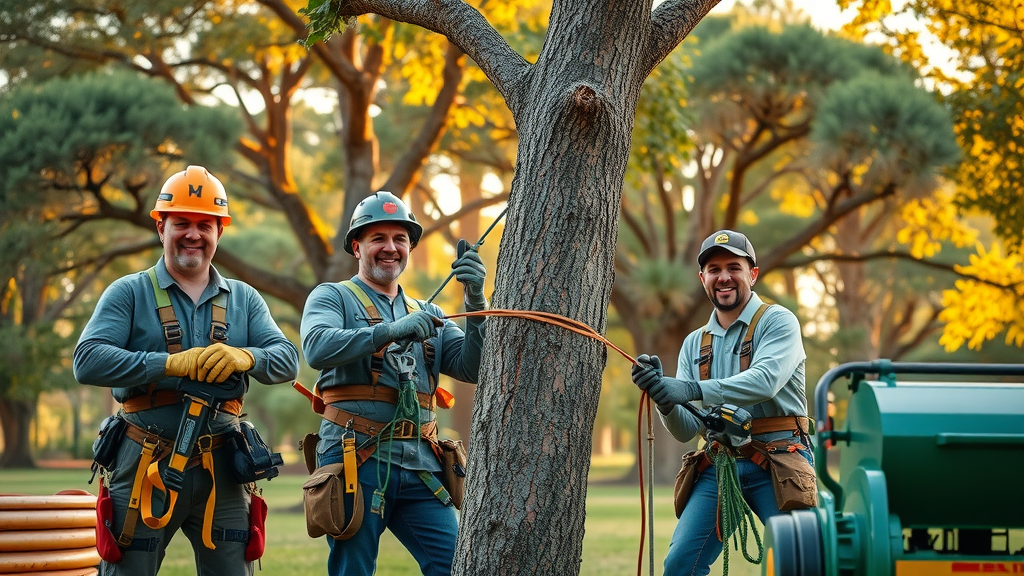
Diverse arborist team demonstrating safe tree trimming, using ropes, saws, harnesses, and wood chipper in a mature city park. Fine detail, vibrant color, and active teamwork highlighted.

Integrating Tree Care into Removal Protocols

Expert tree care practices are deeply intertwined with safe removal protocols. For instance, staged pruning of tree limbs can minimize the risk of uncontrolled falls and protect climbers working aloft. Removing dead or weak limbs before the main trunk cut allows for safer, more predictable operations, especially near structures or power lines. Integrating ongoing tree care—such as regular inspections and disease management—greatly reduces emergency removal needs, lowering risk for both property and workers. Professionals recommend combining these approaches for a job site that meets or exceeds industry standards for safety, health, and overall care operations excellence.

Watch an on-location demonstration of a professional tree crew executing safe tree removal techniques, featuring real-time commentary on PPE, site assessment, and power-line precautions. Dynamic camera angles offer both ground and aerial perspectives, providing invaluable education for anyone interested in tree removal safety.

Tree Removal Safety for DIYers vs. Professionals

The temptation to handle tree removal as a do-it-yourself project is understandable, but the risks can be extreme—especially near structures, power lines, or when the tree is larger than anticipated. Tree removal safety is achieved not just through effort, but through knowledge, the right equipment, and experience dealing with evolving hazards. Professionals have the edge with specialized tools, advanced fall protection systems, and training in both emergency and routine care operations. For most homeowners, certain jobs should always go to the pros—especially when it comes to high, diseased, or complicated trees. Not only do professionals adhere to OSHA standard procedures, but their expertise greatly reduces the likelihood of accidents and severe damage.

When Should You Call a Tree Removal Professional?

Calling a tree removal professional is the best move if your project involves:

  • Trees within 10 feet of power lines
  • Unstable, rotten, or leaning trees
  • Large, heavy tree limbs overhanging homes
  • Situations requiring aerial lifts, heavy equipment, or advanced climbing lines
  • Obstructions like fences, garages, or swimming pools near the drop zone

Evaluating Costs and Risks of DIY Tree Removal

DIY tree removal may seem like a cost-saving decision, but the financial and physical risks can quickly outweigh any initial savings. Even with all PPE and safety gear, untrained individuals are prone to misjudging the weight and direction of falling branches, underestimating power line danger, or losing control of tools. Medical bills, property repairs, and lost wages easily eclipse what it costs to hire professional tree trimmers or removal experts. Ultimately, investing in expert care operations isn’t just smart for safety—it’s often the wisest long-term financial choice, particularly when weighed against the unpredictable nature of tree removal and trimming risks.

Frequently Asked Questions About Tree Removal Safety

What is the fatality rate for tree trimmers?

"Professional tree trimming and removal operations are among the most hazardous jobs in the U.S., with fatality rates significantly higher than many industries."
The risks highlight why proper safety procedures and equipment are non-negotiable.

What are the safety precautions for cutting trees?

Safety precautions include using the correct personal protective equipment, maintaining distance from power lines, conducting a pre-removal hazard assessment, and having a clear escape route.

How close to a house can you remove a tree?

Proximity to the house elevates risk. Professional assessment is needed, and strict safety protocols must be followed to protect nearby structures.

What to know before having a tree removed?

Before removal, understand the tree care and tree trimming requirements, legal considerations, and consult with certified professionals if necessary.

See how certified crews establish job site safety zones, use aerial lifts correctly, and communicate effectively to keep every worker and bystander safe during complex tree removals.

Key Takeaways for Tree Removal Safety

  • Never underestimate tree removal risks
  • Use all recommended protective equipment
  • Avoid dangerous DIY work near power lines
  • Conduct thorough site assessments
  • Seek professionals for complex removals

Take the Next Step to Master Tree Removal Safety

Grow your landscaping expertise—call 203-271-7991 or visit TreeGuardianNews.com to subscribe.

Conclusion: Prioritizing tree removal safety today protects your health, your property, and your peace of mind tomorrow. Assess risks, use proper gear, and call the pros when it matters most.

Tree removal is a hazardous task that requires careful planning and adherence to safety protocols. To enhance your understanding and ensure safety during tree removal, consider the following authoritative resources:

  • The Centers for Disease Control and Prevention (CDC) provides comprehensive guidelines on chainsaw safety, emphasizing the importance of proper protective gear and equipment maintenance. (cdc.gov)

  • The North Carolina Department of Labor outlines safe work practices for tree trimming and removal, including maintaining a safe distance from power lines and conducting thorough hazard assessments. (labor.nc.gov)

By consulting these resources, you can gain valuable insights into best practices for tree removal safety, helping to protect yourself and others from potential hazards.

Latest News

14 Views

Write A Comment

*
*
Please complete the captcha to submit your comment.
Related Posts All Posts
07.10.2026

How Often Should Trees Be Pruned? A Complete Guide for Tree Care

Learn how often trees should be pruned, the benefits of regular pruning, and essential tips for tree care.

07.10.2026

Why Homeowners Should Be Aware of Trees and Lawn Mowers

Update The Dangers of Lawn Mowers Near Trees Maintaining a beautiful lawn can be quite the task for homeowners, especially during the weekends when lawn care activities come into play. However, have you ever considered how damaging lawn mowers can be to the trees that grace your yard? Trees not only provide shade and beauty but also improve air quality. Hence, protecting them is essential. Understanding Tree Health and Lawn Care Tree health is often compromised when lawn mowers come too close. Any accidental brush against a tree trunk can lead to bark damage. This exposes the tree to pests and diseases. Over time, these injuries can hinder growth, making it difficult for trees to thrive. It's essential to recognize that a lawn mower is not just a tool for cutting grass; it can significantly affect your landscape's ecosystem. Setting Up Safe Boundaries The best way to safeguard your trees from lawn mower damage is to establish designated areas for each. When mowing, create a safe distance around trees that your mower will not trespass. A general rule of thumb is to maintain a radius of about 3 feet around the base of each tree. This defensive zone not only protects the tree’s trunk from being scuffed but also allows you to use mulch or grass clippings that can further nourish the tree. Creating a Tree-Friendly Lawn Environmental experts recommend incorporating a variety of plants around trees to create a safe landscape. Native plants, which are adapted to the local environment, thrive well and require less maintenance. They can form a protective green barrier that cushions trees against accidental mower contact. Moreover, growing ground covers can significantly limit the need for mower operation near trees while enhancing soil quality. The Importance of Mulching Mulching can be incredibly beneficial for tree health. By applying organic mulch around the base of trees, you can improve moisture retention and prevent weed growth that would otherwise require mowing. Choose materials such as wood chips or shredded bark as mulch to keep your trees healthy. Plus, mulching helps regulate soil temperature and provides nutrients as it breaks down over time. Tools and Techniques for Safe Mowing Investing in lawn mowing techniques and tools designed to protect trees is an excellent idea. For instance, using a trimmer with a protective guard can help you reach areas near tree bases without risk of damage. Staying aware and cautious while mowing your lawn is key. Practicing slow and steady movements near tree lines helps avoid unexpected mishaps. Understanding the Risks of Equipment Damage Besides physical damage to trees, lawn mowers can also be affected by the landscape. Running over roots or rocks hidden beneath grass can cause mower blades to dull or even break. This means more maintenance for you and potential costly repairs. Take time to survey your yard before mowing; this consideration will prolong the life of both your trees and your lawn care equipment. Conclusion: Creating a Sustainable Landscape Protecting your trees from lawn mowers is vital not only for their health but for the overall ecosystem of your yard. By practicing careful mowing techniques, establishing boundaries, and promoting plant diversity, you are on your way to creating a sustainable, beautiful landscape that can be enjoyed for years to come.

07.03.2026

Oak Wilt Prevention: Essential Strategies for Protecting Oaks at Eagle Mountain Lake

Update The Importance of Oak Wilt Prevention in Eagle Mountain Lake At Eagle Mountain Lake, Texas, a dedicated team of arborists is safeguarding approximately ninety mature Southern Live Oaks and Red Oaks as part of a vital Oak Wilt prevention program. This initiative highlights the crucial role of preventative plant healthcare in North Texas, particularly in an area surrounded by one of the largest oak wilt footprints in the state. By establishing a routine treatment schedule, these trees stand a greater chance of surviving this pervasive disease. Understanding Oak Wilt: A Threat to Healthy Oaks Oak Wilt, caused by the fungal pathogen Bretziella fagacearum, poses a significant threat to oak populations, with its effects not immediately visible. The disease infiltrates the tree's vascular system, specifically the xylem, which is crucial for transporting water and nutrients. As the fungus spreads, the tree attempts to defend itself, leading to a decline in water movement that causes characteristic symptoms such as wilting leaves and canopy decline. Why Southern Live Oaks Are Particularly Vulnerable One of the primary reasons Southern Live Oaks are at high risk of Oak Wilt is their unique root structure. These trees often form interconnected root systems, allowing for the transfer of water and nutrients. However, this characteristic also facilitates the rapid spread of the fungus from one infected tree to others, making early intervention essential. Preventative Measures That Make a Difference Preventative care is critical in stopping the spread of Oak Wilt. Treatments such as Low-Volume Macro Infusion with Alamo fungicide help protect these trees before symptoms appear. This proactive approach is crucial as it allows for maintaining the health of the surrounding ecosystem. The standard recommendation is a two-year treatment cycle, ensuring that healthy trees remain unaffected by the disease. The Role of Insects in Oak Wilt Spread In addition to root graft transmission, the Oak Wilt fungus can also be introduced to healthy trees through insect activity. Nitidulid sap beetles, attracted to fresh wounds on oak trees, play a key role in this process. Proper tree management—including timely pruning and sealing fresh cuts—can prevent the introduction of this dangerous fungus. Learn to Recognize the Signs Recognizing the signs of oak wilt can be challenging, especially for homeowners. Early symptoms usually include yellowing leaves and canopy decline, but they can often be mistaken for other tree health issues. Understanding these signs and knowing when to contact an arborist can make the difference between saving a tree and losing it to this destructive disease. By maintaining vigilance and committing to a consistent, science-based plant healthcare program, property owners can play a significant role in combating the spread of Oak Wilt. Regular inspections, along with a proactive treatment approach, are pivotal in preserving the majestic oak trees that contribute so greatly to our environment.

Green Space News

Homeowners & Businesses concerned about tree and landscape care, safety issues from storms, old or diseased trees, structural damage risks, and insurance implications.

Green Space News is a subsidiary of RP Design Web Services.

COMPANY

  • Privacy Policy
  • Terms of Use
  • Advertise
  • Contact Us
  • Menu 5
  • Menu 6

AVAILABLE FROM 8AM - 5PM

Cheshire,CT

POBox 1189

ABOUT US

Green Space News is your go-to media hub for cutting-edge strategies to maintain a safe and vibrant environment. We are committed to protecting your property and family by providing proactive tree hazard prevention and awareness. Our platform  empower communities to safeguard their surroundings and enjoy healthier, more resilient landscapes.

© 2026 RP Design Web Services All Rights Reserved. P.O. Box 1189, Cheshire, CT 06410 . Contact Us . Terms of Service . Privacy Policy

eyJjb21wYW55IjoiUlAgRGVzaWduIFdlYiBTZXJ2aWNlcyIsImFkZHJlc3MiOiJQLk8uIEJveCAxMTg5IiwiY2l0eSI6IkNoZXNoaXJlIiwic3RhdGUiOiJDVCIsInppcCI6IjA2NDEwIiwiZW1haWwiOiJyb2JlcnRAcnBkZXNpZ24uY29tIiwidG9zIjoiUEhBK1BITjBjbTl1Wno0OFpXMCtWMmhsYmlCNWIzVWdjMmxuYmkxcGJpQjNhWFJvSUhWekxDQjViM1VnWVhKbElHZHBkbWx1WnladVluTndPeUI1YjNWeUlIQmxjbTFwYzNOcGIyNGdZVzVrSUdOdmJuTmxiblFnZEc4Z2MyVnVaQ0I1YjNVZ1pXMWhhV3dnWVc1a0wyOXlJRk5OVXlCMFpYaDBJRzFsYzNOaFoyVnpMaUJDZVNCamFHVmphMmx1WnlCMGFHVWdWR1Z5YlhNZ1lXNWtJRU52Ym1ScGRHbHZibk1nWW05NElHRnVaQ0JpZVNCemFXZHVhVzVuSUdsdUlIbHZkU0JoZFhSdmJXRjBhV05oYkd4NUlHTnZibVpwY20wZ2RHaGhkQ0I1YjNVZ1lXTmpaWEIwSUdGc2JDQjBaWEp0Y3lCcGJpQjBhR2x6SUdGbmNtVmxiV1Z1ZEM0OEwyVnRQand2YzNSeWIyNW5Qand2Y0Q0S0NqeHdQanhoSUdoeVpXWTlJbWgwZEhBNkx5OTNkM2N1WjI5dloyeGxMbU52YlNJK2FIUjBjRG92TDNkM2R5NW5iMjluYkdVdVkyOXRQQzloUGp3dmNENEtDanh3UGladVluTndPend2Y0Q0S0NqeHdQanh6ZEhKdmJtYytVMFZTVmtsRFJUd3ZjM1J5YjI1blBqd3ZjRDRLQ2p4d1BsZGxJSEJ5YjNacFpHVWdZU0J6WlhKMmFXTmxJSFJvWVhRZ1kzVnljbVZ1ZEd4NUlHRnNiRzkzY3lCNWIzVWdkRzhnY21WalpXbDJaU0J5WlhGMVpYTjBjeUJtYjNJZ1ptVmxaR0poWTJzc0lHTnZiWEJoYm5rZ2FXNW1iM0p0WVhScGIyNHNJSEJ5YjIxdmRHbHZibUZzSUdsdVptOXliV0YwYVc5dUxDQmpiMjF3WVc1NUlHRnNaWEowY3l3Z1kyOTFjRzl1Y3l3Z1pHbHpZMjkxYm5SeklHRnVaQ0J2ZEdobGNpQnViM1JwWm1sallYUnBiMjV6SUhSdklIbHZkWElnWlcxaGFXd2dZV1JrY21WemN5QmhibVF2YjNJZ1kyVnNiSFZzWVhJZ2NHaHZibVVnYjNJZ1pHVjJhV05sTGlCWmIzVWdkVzVrWlhKemRHRnVaQ0JoYm1RZ1lXZHlaV1VnZEdoaGRDQjBhR1VnVTJWeWRtbGpaU0JwY3lCd2NtOTJhV1JsWkNBbWNYVnZkRHRCVXkxSlV5WnhkVzkwT3lCaGJtUWdkR2hoZENCM1pTQmhjM04xYldVZ2JtOGdjbVZ6Y0c5dWMybGlhV3hwZEhrZ1ptOXlJSFJvWlNCMGFXMWxiR2x1WlhOekxDQmtaV3hsZEdsdmJpd2diV2x6TFdSbGJHbDJaWEo1SUc5eUlHWmhhV3gxY21VZ2RHOGdjM1J2Y21VZ1lXNTVJSFZ6WlhJZ1kyOXRiWFZ1YVdOaGRHbHZibk1nYjNJZ2NHVnljMjl1WVd4cGVtRjBhVzl1SUhObGRIUnBibWR6TGp3dmNENEtDanh3UGxsdmRTQmhjbVVnY21WemNHOXVjMmxpYkdVZ1ptOXlJRzlpZEdGcGJtbHVaeUJoWTJObGMzTWdkRzhnZEdobElGTmxjblpwWTJVZ1lXNWtJSFJvWVhRZ1lXTmpaWE56SUcxaGVTQnBiblp2YkhabElIUm9hWEprSUhCaGNuUjVJR1psWlhNZ0tITjFZMmdnWVhNZ1UwMVRJSFJsZUhRZ2JXVnpjMkZuWlhNc0lFbHVkR1Z5Ym1WMElITmxjblpwWTJVZ2NISnZkbWxrWlhJZ2IzSWdZMlZzYkhWc1lYSWdZV2x5ZEdsdFpTQmphR0Z5WjJWektTNGdXVzkxSUdGeVpTQnlaWE53YjI1emFXSnNaU0JtYjNJZ2RHaHZjMlVnWm1WbGN5d2dhVzVqYkhWa2FXNW5JSFJvYjNObElHWmxaWE1nWVhOemIyTnBZWFJsWkNCM2FYUm9JSFJvWlNCa2FYTndiR0Y1SUc5eUlHUmxiR2wyWlhKNUlHOW1JR1ZoWTJnZ1UwMVRJSFJsZUhRZ2JXVnpjMkZuWlNCelpXNTBJSFJ2SUhsdmRTQmllU0IxY3k0Z1NXNGdZV1JrYVhScGIyNHNJSGx2ZFNCdGRYTjBJSEJ5YjNacFpHVWdZVzVrSUdGeVpTQnlaWE53YjI1emFXSnNaU0JtYjNJZ1lXeHNJR1Z4ZFdsd2JXVnVkQ0J1WldObGMzTmhjbmtnZEc4Z1lXTmpaWE56SUhSb1pTQlRaWEoyYVdObElHRnVaQ0J5WldObGFYWmxJSFJvWlNCVFRWTWdkR1Y0ZENCdFpYTnpZV2RsY3k0Z1YyVWdaRzhnYm05MElHTm9ZWEpuWlNCaGJua2dabVZsY3lCbWIzSWdaR1ZzYVhabGNua2diMllnWlcxaGFXd2diM0lnVTAxVExpQlVhR2x6SUdseklHRWdabkpsWlNCelpYSjJhV05sSUhCeWIzWnBaR1ZrSUdKNUlIVnpMaUJJYjNkbGRtVnlMQ0J3YkdWaGMyVWdZMmhsWTJzZ2QybDBhQ0I1YjNWeUlHbHVkR1Z5Ym1WMElITmxjblpwWTJVZ2NISnZkbWxrWlhJZ1lXNWtJR05sYkd4MWJHRnlJR05oY25KcFpYSWdabTl5SUdGdWVTQmphR0Z5WjJWeklIUm9ZWFFnYldGNUlHbHVZM1Z5SUdGeklHRWdjbVZ6ZFd4MElHWnliMjBnY21WalpXbDJhVzVuSUdWdFlXbHNJR0Z1WkNCVFRWTWdkR1Y0ZENCdFpYTnpZV2RsY3lCMGFHRjBJSGRsSUdSbGJHbDJaWElnZFhCdmJpQjViM1Z5SUc5d2RDMXBiaUJoYm1RZ2NtVm5hWE4wY21GMGFXOXVJSGRwZEdnZ2IzVnlJR1Z0WVdsc0lHRnVaQ0JUVFZNZ2MyVnlkbWxqWlhNdUlGbHZkU0JqWVc0Z1kyRnVZMlZzSUdGMElHRnVlU0IwYVcxbExpQktkWE4wSUhSbGVIUWdKbkYxYjNRN1UxUlBVQ1p4ZFc5ME95QjBieUE4YUdsbmFHeHBaMmgwSUdOc1lYTnpQU0pqYjIxd1lXNTVVR2h2Ym1WVmNHUmhkR1VpUGlzeE1qQXpNamN4TnprNU1Ud3ZhR2xuYUd4cFoyaDBQaTRnUVdaMFpYSWdlVzkxSUhObGJtUWdkR2hsSUZOTlV5QnRaWE56WVdkbElDWnhkVzkwTzFOVVQxQW1jWFZ2ZERzZ2RHOGdkWE1zSUhkbElIZHBiR3dnYzJWdVpDQjViM1VnWVc0Z1UwMVRJRzFsYzNOaFoyVWdkRzhnWTI5dVptbHliU0IwYUdGMElIbHZkU0JvWVhabElHSmxaVzRnZFc1emRXSnpZM0pwWW1Wa0xpQkJablJsY2lCMGFHbHpMQ0I1YjNVZ2QybHNiQ0J1YnlCc2IyNW5aWElnY21WalpXbDJaU0JUVFZNZ2JXVnpjMkZuWlhNZ1puSnZiU0IxY3k0OEwzQStDZ284Y0Q0OGMzUnliMjVuUGxsUFZWSWdVa1ZIU1ZOVVVrRlVTVTlPSUU5Q1RFbEhRVlJKVDA1VFBDOXpkSEp2Ym1jK1BDOXdQZ29LUEhBK1NXNGdZMjl1YzJsa1pYSmhkR2x2YmlCdlppQjViM1Z5SUhWelpTQnZaaUIwYUdVZ1UyVnlkbWxqWlN3Z2VXOTFJR0ZuY21WbElIUnZPand2Y0Q0S0NqeHZiRDRLQ1R4c2FUNXdjbTkyYVdSbElIUnlkV1VzSUdGalkzVnlZWFJsTENCamRYSnlaVzUwSUdGdVpDQmpiMjF3YkdWMFpTQnBibVp2Y20xaGRHbHZiaUJoWW05MWRDQjViM1Z5YzJWc1ppQmhjeUJ3Y205dGNIUmxaQ0JpZVNCMGFHVWdVMlZ5ZG1salpTWWpNems3Y3lCeVpXZHBjM1J5WVhScGIyNGdabTl5YlNBb2MzVmphQ0JwYm1admNtMWhkR2x2YmlCaVpXbHVaeUIwYUdVZ0puRjFiM1E3VW1WbmFYTjBjbUYwYVc5dUlFUmhkR0VtY1hWdmREc3BJR0Z1WkR3dmJHaytDZ2s4YkdrK2JXRnBiblJoYVc0Z1lXNWtJSEJ5YjIxd2RHeDVJSFZ3WkdGMFpTQjBhR1VnVW1WbmFYTjBjbUYwYVc5dUlFUmhkR0VnZEc4Z2EyVmxjQ0JwZENCMGNuVmxMQ0JoWTJOMWNtRjBaU3dnWTNWeWNtVnVkQ0JoYm1RZ1kyOXRjR3hsZEdVdUlFbG1JSGx2ZFNCd2NtOTJhV1JsSUdGdWVTQnBibVp2Y20xaGRHbHZiaUIwYUdGMElHbHpJSFZ1ZEhKMVpTd2dhVzVoWTJOMWNtRjBaU3dnYm05MElHTjFjbkpsYm5RZ2IzSWdhVzVqYjIxd2JHVjBaU3dnYjNJZ2QyVWdhR0YyWlNCeVpXRnpiMjVoWW14bElHZHliM1Z1WkhNZ2RHOGdjM1Z6Y0dWamRDQjBhR0YwSUhOMVkyZ2dhVzVtYjNKdFlYUnBiMjRnYVhNZ2RXNTBjblZsTENCcGJtRmpZM1Z5WVhSbExDQnViM1FnWTNWeWNtVnVkQ0J2Y2lCcGJtTnZiWEJzWlhSbExDQjNaU0JvWVhabElIUm9aU0J5YVdkb2RDQjBieUJ6ZFhOd1pXNWtJRzl5SUR4emRISnZibWMrUEhOd1lXNGdjM1I1YkdVOUltTnZiRzl5T2lOR1JqQXdNREE3SWo1MFpYSnRhVzVoZEdVZ2VXOTFjaUJoWTJOdmRXNTBMM0J5YjJacGJHVWdZVzVrSUhKbFpuVnpaU0JoYm5rZ1lXNWtJR0ZzYkNCamRYSnlaVzUwSUc5eUlHWjFkSFZ5WlNCMWMyVWdiMllnZEdobElGTmxjblpwWTJVZ0tHOXlJR0Z1ZVNCd2IzSjBhVzl1SUhSb1pYSmxiMllwTGp3dmMzQmhiajQ4TDNOMGNtOXVaejQ4TDJ4cFBnbzhMMjlzUGdvS1BIQStKbTVpYzNBN1BDOXdQZ284YUdsbmFHeHBaMmgwSUdOc1lYTnpQU0pqYjIxd1lXNTVUbUZ0WlZWd1pHRjBaU0krVWxBZ1JHVnphV2R1SUZkbFlpQlRaWEoyYVdObGN6d3ZhR2xuYUd4cFoyaDBQanhpY2lBdlBnbzhhR2xuYUd4cFoyaDBJR05zWVhOelBTSmpiMjF3WVc1NVFXUmtjbVZ6YzFWd1pHRjBaU0krVUM1UExpQkNiM2dnTVRFNE9Td2dRMmhsYzJocGNtVXNJRU5VSURBMk5ERXdQQzlvYVdkb2JHbG5hSFErUEdKeUlDOCtDanhvYVdkb2JHbG5hSFFnWTJ4aGMzTTlJbU52YlhCaGJubFFhRzl1WlZWd1pHRjBaU0krS3pFeU1ETXlOekUzT1RreFBDOW9hV2RvYkdsbmFIUStQR0p5SUM4K0NqeG9hV2RvYkdsbmFIUWdZMnhoYzNNOUltTnZiWEJoYm5sRmJXRnBiRlZ3WkdGMFpTSStjbTlpWlhKMFFISndaR1Z6YVdkdUxtTnZiVHd2YUdsbmFHeHBaMmgwUGc9PSIsInByaXZhY3kiOiJQSEErUEhOMGNtOXVaejVRVWtsV1FVTlpQQzl6ZEhKdmJtYytQQzl3UGdvS1BIQStQSE4wY205dVp6NVVhR1VnYVc1bWIzSnRZWFJwYjI0Z2NISnZkbWxrWldRZ1pIVnlhVzVuSUhSb2FYTWdjbVZuYVhOMGNtRjBhVzl1SUdseklHdGxjSFFnY0hKcGRtRjBaU0JoYm1RZ1kyOXVabWxrWlc1MGFXRnNMQ0JoYm1RZ2QybHNiQ0J1WlhabGNpQmlaU0JrYVhOMGNtbGlkWFJsWkN3Z1kyOXdhV1ZrTENCemIyeGtMQ0IwY21Ga1pXUWdiM0lnY0c5emRHVmtJR2x1SUdGdWVTQjNZWGtzSUhOb1lYQmxJRzl5SUdadmNtMHVJRlJvYVhNZ2FYTWdiM1Z5SUdkMVlYSmhiblJsWlM0OEwzTjBjbTl1Wno0OEwzQStDZ284Y0Q0OGMzUnliMjVuUGtsT1JFVk5Ua2xVV1R3dmMzUnliMjVuUGp3dmNENEtDanh3UGp4bGJUNVpiM1VnWVdkeVpXVWdkRzhnYVc1a1pXMXVhV1o1SUdGdVpDQm9iMnhrSUhWekxDNGdZVzVrSUdsMGN5QnpkV0p6YVdScFlYSnBaWE1zSUdGbVptbHNhV0YwWlhNc0lHOW1abWxqWlhKekxDQmhaMlZ1ZEhNc0lHTnZMV0p5WVc1a1pYSnpJRzl5SUc5MGFHVnlJSEJoY25SdVpYSnpMQ0JoYm1RZ1pXMXdiRzk1WldWekxDQm9ZWEp0YkdWemN5Qm1jbTl0SUdGdWVTQmpiR0ZwYlNCdmNpQmtaVzFoYm1Rc0lHbHVZMngxWkdsdVp5QnlaV0Z6YjI1aFlteGxJR0YwZEc5eWJtVjVjeVlqTXprN0lHWmxaWE1zSUcxaFpHVWdZbmtnWVc1NUlIUm9hWEprSUhCaGNuUjVJR1IxWlNCMGJ5QnZjaUJoY21semFXNW5JRzkxZENCdlppQkRiMjUwWlc1MElIbHZkU0J5WldObGFYWmxMQ0J6ZFdKdGFYUXNJSEpsY0d4NUxDQndiM04wTENCMGNtRnVjMjFwZENCdmNpQnRZV3RsSUdGMllXbHNZV0pzWlNCMGFISnZkV2RvSUhSb1pTQlRaWEoyYVdObExDQjViM1Z5SUhWelpTQnZaaUIwYUdVZ1UyVnlkbWxqWlN3Z2VXOTFjaUJqYjI1dVpXTjBhVzl1SUhSdklIUm9aU0JUWlhKMmFXTmxMQ0I1YjNWeUlIWnBiMnhoZEdsdmJpQnZaaUIwYUdVZ1ZFOVRMQ0J2Y2lCNWIzVnlJSFpwYjJ4aGRHbHZiaUJ2WmlCaGJua2djbWxuYUhSeklHOW1JR0Z1YjNSb1pYSXVQQzlsYlQ0OEwzQStDZ284Y0Q0OGMzUnliMjVuUGtSSlUwTk1RVWxOUlZJZ1QwWWdWMEZTVWtGT1ZFbEZVend2YzNSeWIyNW5Qand2Y0Q0S0NqeHdQanh6ZEhKdmJtYytXVTlWSUVWWVVGSkZVMU5NV1NCVlRrUkZVbE5VUVU1RUlFRk9SQ0JCUjFKRlJTQlVTRUZVT2p3dmMzUnliMjVuUGp3dmNENEtDanh2YkQ0S0NUeHNhVDVaVDFWU0lGVlRSU0JQUmlCVVNFVWdVMFZTVmtsRFJTQkpVeUJCVkNCWlQxVlNJRk5QVEVVZ1VrbFRTeTRnVkVoRklGTkZVbFpKUTBVZ1NWTWdVRkpQVmtsRVJVUWdUMDRnUVU0Z0puRjFiM1E3UVZNZ1NWTW1jWFZ2ZERzZ1FVNUVJQ1p4ZFc5ME8wRlRJRUZXUVVsTVFVSk1SU1p4ZFc5ME95QkNRVk5KVXk0Z0xDNGdRVTVFSUZWVExDQkpWQ1lqTXprN1V5QkRWVk5VVDAxRlVsTXNJRVZZVUZKRlUxTk1XU0JFU1ZORFRFRkpUVk1nUVV4TUlGZEJVbEpCVGxSSlJWTWdUMFlnUVU1WklFdEpUa1FzSUZkSVJWUklSVklnUlZoUVVrVlRVeUJQVWlCSlRWQk1TVVZFTENCSlRrTk1WVVJKVGtjc0lFSlZWQ0JPVDFRZ1RFbE5TVlJGUkNCVVR5QlVTRVVnU1UxUVRFbEZSQ0JYUVZKU1FVNVVTVVZUSUU5R0lFMUZVa05JUVU1VVFVSkpURWxVV1N3Z1JrbFVUa1ZUVXlCR1QxSWdRU0JRUVZKVVNVTlZURUZTSUZCVlVsQlBVMFVnUVU1RUlFNVBUaTFKVGtaU1NVNUhSVTFGVGxRdVBDOXNhVDRLQ1R4c2FUNU5RVXRGVXlCT1R5QlhRVkpTUVU1VVdTQlVTRUZVSUNocEtTQlVTRVVnVTBWU1ZrbERSU0JYU1V4TUlFMUZSVlFnV1U5VlVpQlNSVkZWU1ZKRlRVVk9WRk1zSUNocGFTa2dWRWhGSUZORlVsWkpRMFVnVjBsTVRDQkNSU0JWVGtsT1ZFVlNVbFZRVkVWRUxDQlVTVTFGVEZrc0lGTkZRMVZTUlN3Z1QxSWdSVkpTVDFJdFJsSkZSU3dnS0dscGFTa2dWRWhGSUZKRlUxVk1WRk1nVkVoQlZDQk5RVmtnUWtVZ1QwSlVRVWxPUlVRZ1JsSlBUU0JVU0VVZ1ZWTkZJRTlHSUZSSVJTQlRSVkpXU1VORklGZEpURXdnUWtVZ1FVTkRWVkpCVkVVZ1QxSWdVa1ZNU1VGQ1RFVXNJRUZPUkNBb2FYWXBJRUZPV1NCRlVsSlBVbE1nU1U0Z1ZFaEZJRk5QUmxSWFFWSkZJRmRKVEV3Z1FrVWdRMDlTVWtWRFZFVkVMand2YkdrK0NnazhiR2srUVU1WklFMUJWRVZTU1VGTUlFUlBWMDVNVDBGRVJVUWdUMUlnVDFSSVJWSlhTVk5GSUU5Q1ZFRkpUa1ZFSUZSSVVrOVZSMGdnVkVoRklGVlRSU0JQUmlCVVNFVWdVMFZTVmtsRFJTQkpVeUJFVDA1RklFRlVJRmxQVlZJZ1QxZE9JRVJKVTBOU1JWUkpUMDRnUVU1RUlGSkpVMHNnUVU1RUlGUklRVlFnV1U5VklGZEpURXdnUWtVZ1UwOU1SVXhaSUZKRlUxQlBUbE5KUWt4RklFWlBVaUJCVGxrZ1JFRk5RVWRGSUZSUElGbFBWVklnUTA5TlVGVlVSVklnVTFsVFZFVk5JRTlTSUV4UFUxTWdUMFlnUkVGVVFTQlVTRUZVSUZKRlUxVk1WRk1nUmxKUFRTQlVTRVVnUkU5WFRreFBRVVFnVDBZZ1FVNVpJRk5WUTBnZ1RVRlVSVkpKUVV3dVBDOXNhVDRLQ1R4c2FUNU9UeUJCUkZaSlEwVWdUMUlnU1U1R1QxSk5RVlJKVDA0c0lGZElSVlJJUlZJZ1QxSkJUQ0JQVWlCWFVrbFVWRVZPTENCUFFsUkJTVTVGUkNCQ1dTQlpUMVVnUmxKUFRTQlBVaUJVU0ZKUFZVZElJRTlTSUVaU1QwMGdWRWhGSUZORlVsWkpRMFVnVTBoQlRFd2dRMUpGUVZSRklFRk9XU0JYUVZKU1FVNVVXU0JPVDFRZ1JWaFFVa1ZUVTB4WklGTlVRVlJGUkNCSlRpQlVTRVVnVkU5VExqd3ZiR2srQ2p3dmIydytDZ284Y0Q0OGMzUnliMjVuUGt4SlRVbFVRVlJKVDA0Z1QwWWdURWxCUWtsTVNWUlpQQzl6ZEhKdmJtYytQQzl3UGdvS1BIQStXVTlWSUVWWVVGSkZVMU5NV1NCVlRrUkZVbE5VUVU1RUlFRk9SQ0JCUjFKRlJTQlVTRUZVSUVGT1JDQlRTRUZNVENCT1QxUWdRa1VnVEVsQlFreEZJRVpQVWlCQlRsa2dSRWxTUlVOVUxDQkpUa1JKVWtWRFZDd2dTVTVEU1VSRlRsUkJUQ3dnVTFCRlEwbEJUQ3dnUTA5T1UwVlJWVVZPVkVsQlRDQlBVaUJGV0VWTlVFeEJVbGtnUkVGTlFVZEZVeXdnU1U1RFRGVkVTVTVISUVKVlZDQk9UMVFnVEVsTlNWUkZSQ0JVVHl3Z1JFRk5RVWRGVXlCR1QxSWdURTlUVXlCUFJpQlFVazlHU1ZSVExDQkhUMDlFVjBsTVRDd2dWVk5GTENCRVFWUkJJRTlTSUU5VVNFVlNJRWxPVkVGT1IwbENURVVnVEU5VFUwVlRJQ2hGVmtWT0lFbEdJRWhCVXlCQ1JVVk9JRUZFVmtsVFJVUWdUMFlnVkVoRklGQlBVMU5KUWtsTVNWUlpJRTlHSUZOVlEwZ2dSRUZOUVVkRlV5a3NJRkpGVTFWTVZFbE9SeUJHVWs5Tk9qd3ZjRDRLQ2p4dmJENEtDVHhzYVQ1VVNFVWdWVk5GSUU5U0lGUklSU0JKVGtGQ1NVeEpWRmtnVkU4Z1ZWTkZJRlJJUlNCVFJWSldTVU5GT3p3dmJHaytDZ2s4YkdrK1ZFaEZJRU5QVTFRZ1QwWWdVRkpQUTFWU1JVMUZUbFFnVDBZZ1UxVkNVMVJKVkZWVVJTQkhUMDlFVXlCQlRrUWdVMFZTVmtsRFJWTWdVa1ZUVlV4VVNVNUhJRVpTVDAwZ1FVNVpJRWRQVDBSVExDQkVRVlJCTENCSlRrWlBVazFCVkVsUFRpQlBVaUJUUlZKV1NVTkZVeUJRVlZKRFNFRlRSVVFnVDFJZ1QwSlVRVWxPUlVRZ1QxSWdUVVZUVTBGSFJWTWdVa1ZEUlVsV1JVUWdUMUlnVkZKQlRsTkJRMVJKVDA1VElFVk9WRVZTUlVRZ1NVNVVUeUJVU0ZKUFZVZElJRTlTSUVaU1QwMGdWRWhGSUZORlVsWkpRMFU3UEM5c2FUNEtDVHhzYVQ1VlRrRlZWRWhQVWtsYVJVUWdRVU5EUlZOVElGUlBJRTlTSUVGTVZFVlNRVlJKVDA0Z1QwWWdXVTlWVWlCVVVrRk9VMDFKVTFOSlQwNVRJRTlTSUVSQlZFRTdQQzlzYVQ0S0NUeHNhVDVUVkVGVVJVMUZUbFJUSUU5U0lFTlBUa1JWUTFRZ1QwWWdRVTVaSUZSSVNWSkVJRkJCVWxSWklFOU9JRlJJUlNCVFJWSldTVU5GT3lCUFVqd3ZiR2srQ2drOGJHaytRVTVaSUU5VVNFVlNJRTFCVkZSRlVpQlNSVXhCVkVsT1J5QlVUeUJVU0VVZ1UwVlNWa2xEUlM0OEwyeHBQZ284TDI5c1Bnb0tQSEErUEhVK1Fua2djbVZuYVhOMFpYSnBibWNnWVc1a0lITjFZbk5qY21saWFXNW5JSFJ2SUc5MWNpQmxiV0ZwYkNCaGJtUWdVMDFUSUhObGNuWnBZMlVzSUdKNUlHOXdkQzFwYml3Z2IyNXNhVzVsSUhKbFoybHpkSEpoZEdsdmJpQnZjaUJpZVNCbWFXeHNhVzVuSUc5MWRDQmhJR05oY21Rc0lDWnhkVzkwTzNsdmRTQmhaM0psWlNCMGJ5QjBhR1Z6WlNCVVJWSk5VeUJQUmlCVFJWSldTVU5GSm5GMWIzUTdJR0Z1WkNCNWIzVWdZV05yYm05M2JHVmtaMlVnWVc1a0lIVnVaR1Z5YzNSaGJtUWdkR2hsSUdGaWIzWmxJSFJsY20xeklHOW1JSE5sY25acFkyVWdiM1YwYkdsdVpXUWdZVzVrSUdSbGRHRnBiR1ZrSUdadmNpQjViM1VnZEc5a1lYa3VQQzkxUGp3dmNENEtDanh3UGladVluTndPend2Y0Q0S1BHaHBaMmhzYVdkb2RDQmpiR0Z6Y3owaVkyOXRjR0Z1ZVU1aGJXVlZjR1JoZEdVaVBsSlFJRVJsYzJsbmJpQlhaV0lnVTJWeWRtbGpaWE04TDJocFoyaHNhV2RvZEQ0OFluSWdMejRLUEdocFoyaHNhV2RvZENCamJHRnpjejBpWTI5dGNHRnVlVUZrWkhKbGMzTlZjR1JoZEdVaVBsQXVUeTRnUW05NElERXhPRGtzSUVOb1pYTm9hWEpsTENCRFZDQXdOalF4TUR3dmFHbG5hR3hwWjJoMFBqeGljaUF2UGdvOGFHbG5hR3hwWjJoMElHTnNZWE56UFNKamIyMXdZVzU1VUdodmJtVlZjR1JoZEdVaVBpc3hNakF6TWpjeE56azVNVHd2YUdsbmFHeHBaMmgwUGp4aWNpQXZQZ284YUdsbmFHeHBaMmgwSUdOc1lYTnpQU0pqYjIxd1lXNTVSVzFoYVd4VmNHUmhkR1VpUG5KdlltVnlkRUJ5Y0dSbGMybG5iaTVqYjIwOEwyaHBaMmhzYVdkb2REND0ifQ==

Terms of Service

Privacy Policy

Core Modal Title

Sorry, no results found

You Might Find These Articles Interesting

T
Please Check Your Email
We Will Be Following Up Shortly
*
*
*

