





Tree Guardian News
Tree Guardian News
  • Home
  • Categories
    • Storm Damage & Prevention
    • Tree Care Tips & Landscaping
    • Tree Disease Identification & Treatment
    • Insurance Intel
    • DIY Tree Care & Safety
    • Sustainable Tree Care & Eco Solutions
    • Professional Tree Services
    • Arborist Stories
    • Latest News
    • Industry Insights
Join the Arborist Forum 
September 26.2025
1 Minute Read

Struggling with tree removal? Here’s the quick fix

Did you know unplanned tree removal leads to thousands of dollars in property damage and injury claims each year? Whether it’s a towering oak too close to your home or a damaged tree at risk of falling on a power line, getting rid of problematic trees isn’t as simple as grabbing a chainsaw. In fact, tree removal is one of the most complex and hazardous landscaping jobs a homeowner can face. This guide breaks down the surprising truths behind tree care, the real cost of tree removal, and shows you exactly how to secure your landscape—quickly and safely.

Tree Removal: The Surprising Truth Behind a Common Challenge

Opening Insights: Why Proper Tree Removal Matters for Safety and Property Value

Proper tree removal does more than just get rid of a nuisance in your yard—it protects your family, your investment, and sometimes even the neighborhood. Each year, thousands of homes report damages due to falling branches or unstable trees, leading to rising insurance claims and home repair costs. More importantly, removing a tree the wrong way can negatively impact your property value, cause injury, or damage nearby structures and power lines.

Certified arborists and experienced tree service providers conduct careful risk assessments before taking action, weighing factors like the tree’s health, proximity to buildings, and complicated root systems. Unlike DIY attempts—which can sometimes put you and your property in harm’s way—professionals use specialized equipment and proven safety protocols that protect you and your landscape. Investing in professional tree care ensures that the job is done safely and efficiently, all while maintaining or enhancing the curb appeal of your home, ultimately protecting both lives and property value.
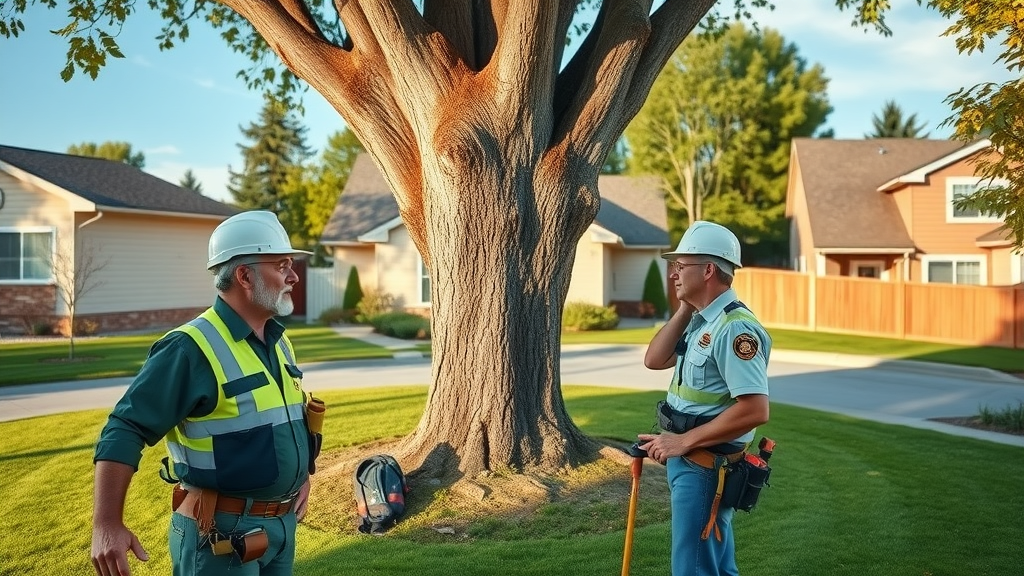
tree removal specialist and homeowner discussing tree care in suburban yard, safety equipment, and risk assessment

What You'll Learn: Demystifying Tree Removal and Tree Care

  • Understand essential tree removal techniques and when to call a professional tree service
  • Compare tree removal cost and factors influencing the price
  • Explore certified arborists’ role in modern tree care
  • Spot key risks and safety protocols to remove a tree effectively
  • Learn the criteria for DIY vs. hiring a professional

Tree Removal Essentials: Process Overview and Key Steps

How to Remove a Tree: DIY vs. Professional Tree Service

It’s tempting to try and remove your tree with a rented saw and some elbow grease, but the risks—personal injury, property damage, and legal liability—are significant. Professional tree removal companies follow a clear process: initial risk assessment, use of protective gear, establishing safety zones, and carefully dismantling the tree section by section to avoid unpredictable falls. These tree care industry practices ensure that even larger trees can be removed without putting anyone at risk.

A certified arborist might be required if your tree is entangled in power lines, close to structures, or shows signs of disease. While DIY may seem cost-effective, the lack of proper equipment and knowledge often leads to higher long-term costs. Always ask yourself—do you have the right experience to fell a large tree safely, or is it time to call a tree service company?

For homeowners who want to ensure the highest level of safety and expertise, learning more about the full range of professional arborist services can help you make an informed decision about your tree care needs.

  • Common tree service practices for efficient and safe tree removal
  • When it’s best to use a certified arborist vs. DIY
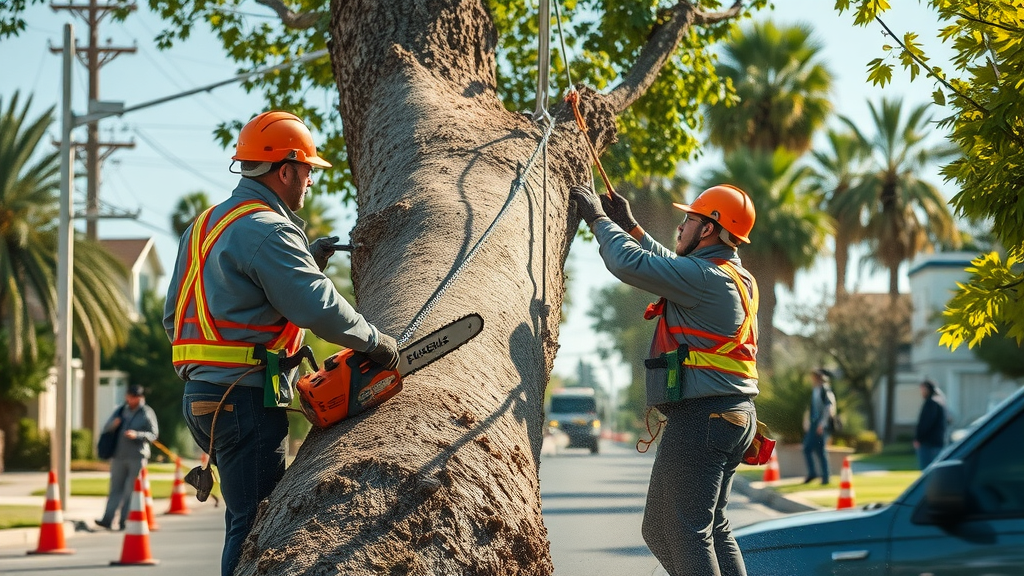
professional tree removal crew, arborists in protective gear removing trees beside suburban street, with safety equipment and onlookers at a distance

Tree Removal Cost: What Influences the Price?

Tree Removal Cost Breakdown by Factor and Region
Variable Average National Cost Low-End High-End Notes
Tree Size (Small) $300 $200 $500 Less than 30ft tall
Tree Size (Medium) $700 $400 $1,200 30-60ft tall
Tree Size (Large) $1,500 $1,000 $2,000+ Taller than 60ft
Region (Urban/Suburban) $700–$1,500 $500 $2,000+ Higher in large metro areas
Region (Rural) $300–$700 $200 $1,200 Fewer obstructions
Tree Health/Obstacles +10–50% cost Varies Varies Disease, rot, power lines, buildings
Number of Trees Reduced price per tree — — Bulk discounts may apply

Average Tree Removal Cost Across the Tree Care Industry

When budgeting for tree removal, you should expect to pay anywhere from $300 for straightforward jobs to over $2,000 for complex removals involving large or hazardous trees. The cost of tree removal is most influenced by the height and diameter of the tree, its location relative to buildings and power lines, the health of the tree, and how many trees you need removed. Additional obstacles—such as limited access for equipment or proximity to neighboring properties—play a role, as does your local tree care industry pricing trends.

Keep in mind, some removal companies may offer lower estimates, but choosing the cheapest option isn’t always wise. A reputable tree service company will include proper insurance, trained staff (often ISA certified), and post-removal site cleanup. When comparing tree removal cost, factor in long-term value: a cheap job done poorly could ultimately cost far more if it results in unexpected damage or prolonged site recovery.

tree removal cost consultation, certified specialist and homeowner reviewing cost estimates on tablet, visible charts, mature trees outside window

Tree Care After Tree Removal: Maintaining Your Landscape

Expert Tree Care Practices for Post-Removal Health

Once you’ve had your tree removed, what happens next is just as important as the removal process itself. The sudden absence of a large tree can disrupt soil stability, sunlight patterns, and the health of remaining landscaping. Experienced professionals will inspect the site and recommend next steps, ranging from mulching and soil amendment to careful regrading and addition of new plants. These strategies help prevent erosion and support rapid recovery for nearby trees and shrubs—maintaining healthy growth across your yard.

It’s also critical to check for leftover stumps or roots that might attract pests, trigger regrowth, or create safety hazards. Top tree care industry experts advise a proactive approach: restore site grade, plant grass or groundcover quickly, and monitor affected areas for signs of stress in remaining vegetation. Investing in post-removal tree health and soil care helps protect your property value and ensures your landscape continues to thrive for years to come.

  • Top tree health considerations after removing a tree
  • Soil and site restoration tips from the tree care industry
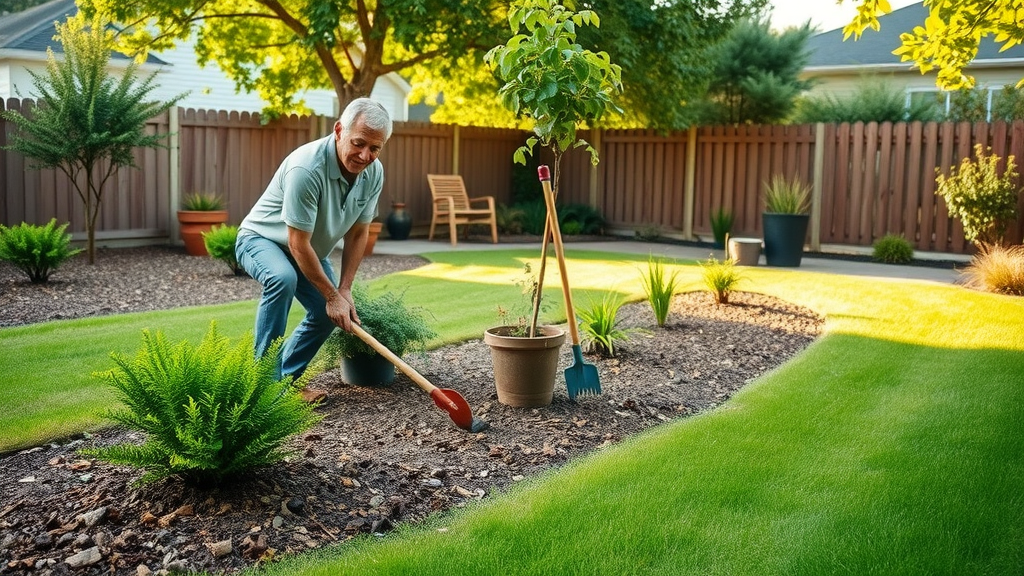
after tree removal, homeowner and gardener rejuvenating lawn, planting bushes, mulching, restoring healthy yard

Certified Arborists and the Tree Care Industry: Why Credentials Matter

The Importance of Professional Tree Expertise in Safe Tree Removal

“Hiring certified arborists ensures both your safety and your landscape’s long-term health,” says industry expert.

Not all tree service providers have the same level of expertise. Certified arborists—often ISA certified—are trained to assess and manage tree health, risk, and removal techniques that standard crews might overlook. Their advanced understanding of tree biology, structure, and safety methods means hazardous trees are removed efficiently, even when close to power lines or buildings. Certified arborists also consult on how to care for your other trees after the job is done, making them an invaluable partner in ongoing landscape management.

Choosing a provider with recognized credentials from the tree care industry significantly reduces the risk of property damage, injury, or incomplete work. Certified professionals also adhere to best practices for environmental protection, ensuring your yard remains safe, attractive, and sustainable long after the tree is gone.

certified arborist inspecting healthy tree, holding badge and clipboard, suburban park, professional tree care expertise

Removal Cost vs. Long-Term Value: Investing in Professional Tree Service

  • Cost of tree removal compared to potential property damage
  • Reputation and reliability of professional tree removal services
  • Why experience and equipment drive better outcomes

While some homeowners worry about the upfront removal cost, investing in a professional tree service is usually the more cost-effective choice in the long run. Attempting to remove your tree yourself—or hiring an uninsured, inexperienced operator—creates the potential for much more serious (and expensive) consequences, such as damage to your roof, vehicle, fencing, or even personal injury. The best tree removal companies bring specialized equipment and knowledgeable staff, minimizing risks and ensuring the process is completed to the industry’s highest safety standards. By prioritizing expertise and proven methods, you not only avoid surprise expenses, but also gain peace of mind and long-term property value.

How to Select the Right Tree Removal Service

  • Checklist: What to look for in a tree removal specialist
  • Questions to ask about tree removal cost and insurance
  • Understanding estimates for multiple trees and complex jobs

Navigating different removal companies can be daunting—especially when rates and services vary. To choose wisely, look for these essentials: appropriate licensing, ISA certified arborists on staff, comprehensive insurance coverage, detailed written estimates, and positive local reviews. Ask about removal cost breakdowns (including cleanup and debris hauling), liability coverage, safety protocols, and who will perform the actual work. For projects involving a higher number of trees or especially big jobs, request itemized bids and timelines.

Remember, a reputable tree removal company will be transparent, offer a contract for each service, and provide proof of insurance upon request. Don’t hesitate to compare multiple providers and seek referrals from neighbors or local real estate professionals familiar with the tree care industry. Your due diligence ensures you receive safe, high-value service rather than risky shortcuts.
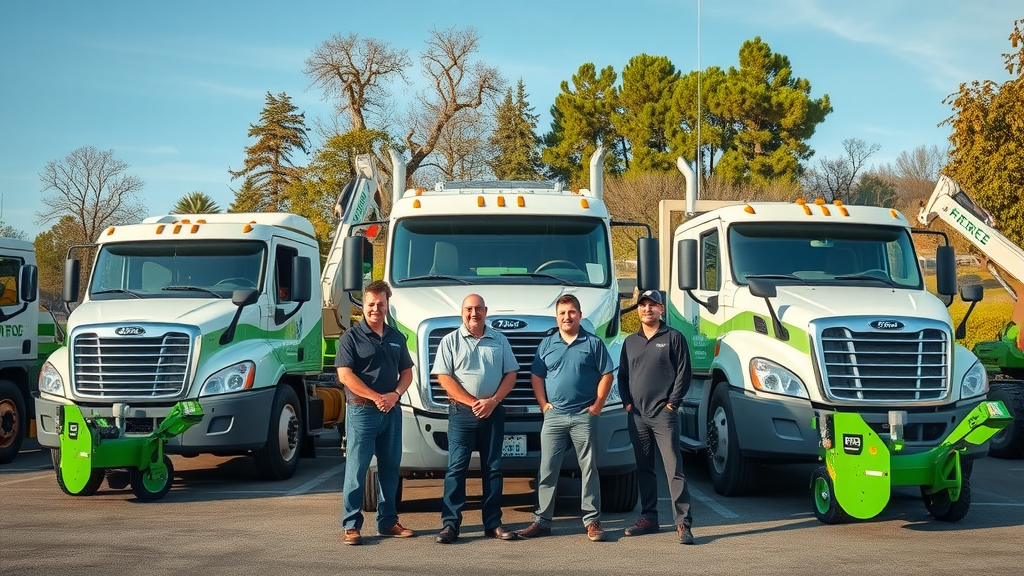
tree removal company fleet, professional crew beside branded trucks and equipment, ready for tree removal jobs

People Also Ask About Tree Removal

What is the average cost of tree removal in my area?

The average tree removal cost depends on tree size, location, and local tree care industry pricing trends. Most regions see costs range from $300 to $2,000 per tree. Certified arborists may charge more for complex jobs or hazardous locations.

Does anyone remove trees for free?

Some community programs or utility companies may offer free tree removal if a tree is hazardous or threatens power lines, but these are rare exceptions. Always verify credentials and coverage if considering no-cost services.

What would it cost to remove a tree?

Tree removal cost varies widely—from a few hundred dollars for small trees to thousands for large or hazardous removals. Multiple factors, including tree health and access, affect the estimate.

What is the cheapest way to remove a tree?

DIY may seem cheapest, but risks and potential property damage can be high. The safest cheap option is hiring a small, local certified arborist for straightforward jobs, ensuring they have insurance and proper equipment.

FAQs: Everything Else You Need to Know About Tree Removal

  • How do I prepare my property for tree removal?—Clear the area around the tree, mark underground utilities, move vehicles and valuables, and discuss concerns with your tree service company beforehand to minimize disruption and ensure safety.
  • Can I negotiate the cost of tree removal with professionals?—Yes, especially if you have multiple trees or require other services. Request itemized bids and ask about any available discounts or packages from established removal companies.
  • What signs indicate immediate tree removal is necessary?—Severe leaning, visible decay, large dead branches, root damage, or trees overhanging power lines suggest urgent removal may be warranted for safety.
  • How does tree removal affect surrounding tree health?—If not managed properly, soil compaction and root disruption can stress neighboring trees—consult a certified arborist for best practices on aftercare and site restoration.
  • Will my homeowner’s insurance cover tree removal?—Coverage depends on the cause. Many policies pay for removal if a tree damages insured property, but not for proactive health or landscape reasons. Check your policy or ask your agent for specifics.

Key Takeaways: Making Smart Decisions About Tree Removal

  • Tree removal is safest and most cost-effective when handled by qualified professional tree service providers
  • Understanding tree removal cost factors aids in budgeting and prioritizing tree care
  • Seek certified arborists for complex or risky jobs to protect property value and safety
  • Stay informed on tree care industry best practices for ongoing landscape health

Conclusion: Take Charge of Your Tree Removal Needs

Act now to safeguard your property and keep your landscape thriving.

Grow your landscaping expertise—call 203-271-7991 or visit TreeGuardianNews.com to subscribe.

If you’re looking to deepen your understanding of how tree removal impacts your home and finances, it’s wise to consider the broader picture of property protection. Unpredictable events like storms or fallen trees can raise important questions about your insurance coverage and what’s truly protected. For a comprehensive look at how your policy responds to tree-related incidents—and to uncover common myths and facts—explore our guide on home insurance coverage for fallen trees. This resource will help you make smarter decisions, safeguard your investment, and stay prepared for whatever nature brings next.

When considering tree removal, it’s essential to understand the associated costs and the importance of hiring certified professionals. The article “How Much Does Tree Removal Cost in 2025?” provides a comprehensive breakdown of average expenses based on tree size and type, helping homeowners budget effectively. (thisoldhouse.com) Additionally, the “Tree Removal Services” page by Davey Tree emphasizes the significance of engaging ISA Certified Arborists to ensure safe and efficient tree removal, highlighting the risks involved in DIY attempts. (davey.com) If you’re serious about safeguarding your property and ensuring the health of your landscape, these resources will offer valuable insights and guidance.

Latest News

36 Views

Write A Comment

*
*
Please complete the captcha to submit your comment.
Related Posts All Posts
07.10.2026

How Often Should Trees Be Pruned? A Complete Guide for Tree Care

Learn how often trees should be pruned, the benefits of regular pruning, and essential tips for tree care.

07.10.2026

Why Homeowners Should Be Aware of Trees and Lawn Mowers

Update The Dangers of Lawn Mowers Near Trees Maintaining a beautiful lawn can be quite the task for homeowners, especially during the weekends when lawn care activities come into play. However, have you ever considered how damaging lawn mowers can be to the trees that grace your yard? Trees not only provide shade and beauty but also improve air quality. Hence, protecting them is essential. Understanding Tree Health and Lawn Care Tree health is often compromised when lawn mowers come too close. Any accidental brush against a tree trunk can lead to bark damage. This exposes the tree to pests and diseases. Over time, these injuries can hinder growth, making it difficult for trees to thrive. It's essential to recognize that a lawn mower is not just a tool for cutting grass; it can significantly affect your landscape's ecosystem. Setting Up Safe Boundaries The best way to safeguard your trees from lawn mower damage is to establish designated areas for each. When mowing, create a safe distance around trees that your mower will not trespass. A general rule of thumb is to maintain a radius of about 3 feet around the base of each tree. This defensive zone not only protects the tree’s trunk from being scuffed but also allows you to use mulch or grass clippings that can further nourish the tree. Creating a Tree-Friendly Lawn Environmental experts recommend incorporating a variety of plants around trees to create a safe landscape. Native plants, which are adapted to the local environment, thrive well and require less maintenance. They can form a protective green barrier that cushions trees against accidental mower contact. Moreover, growing ground covers can significantly limit the need for mower operation near trees while enhancing soil quality. The Importance of Mulching Mulching can be incredibly beneficial for tree health. By applying organic mulch around the base of trees, you can improve moisture retention and prevent weed growth that would otherwise require mowing. Choose materials such as wood chips or shredded bark as mulch to keep your trees healthy. Plus, mulching helps regulate soil temperature and provides nutrients as it breaks down over time. Tools and Techniques for Safe Mowing Investing in lawn mowing techniques and tools designed to protect trees is an excellent idea. For instance, using a trimmer with a protective guard can help you reach areas near tree bases without risk of damage. Staying aware and cautious while mowing your lawn is key. Practicing slow and steady movements near tree lines helps avoid unexpected mishaps. Understanding the Risks of Equipment Damage Besides physical damage to trees, lawn mowers can also be affected by the landscape. Running over roots or rocks hidden beneath grass can cause mower blades to dull or even break. This means more maintenance for you and potential costly repairs. Take time to survey your yard before mowing; this consideration will prolong the life of both your trees and your lawn care equipment. Conclusion: Creating a Sustainable Landscape Protecting your trees from lawn mowers is vital not only for their health but for the overall ecosystem of your yard. By practicing careful mowing techniques, establishing boundaries, and promoting plant diversity, you are on your way to creating a sustainable, beautiful landscape that can be enjoyed for years to come.

07.03.2026

Oak Wilt Prevention: Essential Strategies for Protecting Oaks at Eagle Mountain Lake

Update The Importance of Oak Wilt Prevention in Eagle Mountain Lake At Eagle Mountain Lake, Texas, a dedicated team of arborists is safeguarding approximately ninety mature Southern Live Oaks and Red Oaks as part of a vital Oak Wilt prevention program. This initiative highlights the crucial role of preventative plant healthcare in North Texas, particularly in an area surrounded by one of the largest oak wilt footprints in the state. By establishing a routine treatment schedule, these trees stand a greater chance of surviving this pervasive disease. Understanding Oak Wilt: A Threat to Healthy Oaks Oak Wilt, caused by the fungal pathogen Bretziella fagacearum, poses a significant threat to oak populations, with its effects not immediately visible. The disease infiltrates the tree's vascular system, specifically the xylem, which is crucial for transporting water and nutrients. As the fungus spreads, the tree attempts to defend itself, leading to a decline in water movement that causes characteristic symptoms such as wilting leaves and canopy decline. Why Southern Live Oaks Are Particularly Vulnerable One of the primary reasons Southern Live Oaks are at high risk of Oak Wilt is their unique root structure. These trees often form interconnected root systems, allowing for the transfer of water and nutrients. However, this characteristic also facilitates the rapid spread of the fungus from one infected tree to others, making early intervention essential. Preventative Measures That Make a Difference Preventative care is critical in stopping the spread of Oak Wilt. Treatments such as Low-Volume Macro Infusion with Alamo fungicide help protect these trees before symptoms appear. This proactive approach is crucial as it allows for maintaining the health of the surrounding ecosystem. The standard recommendation is a two-year treatment cycle, ensuring that healthy trees remain unaffected by the disease. The Role of Insects in Oak Wilt Spread In addition to root graft transmission, the Oak Wilt fungus can also be introduced to healthy trees through insect activity. Nitidulid sap beetles, attracted to fresh wounds on oak trees, play a key role in this process. Proper tree management—including timely pruning and sealing fresh cuts—can prevent the introduction of this dangerous fungus. Learn to Recognize the Signs Recognizing the signs of oak wilt can be challenging, especially for homeowners. Early symptoms usually include yellowing leaves and canopy decline, but they can often be mistaken for other tree health issues. Understanding these signs and knowing when to contact an arborist can make the difference between saving a tree and losing it to this destructive disease. By maintaining vigilance and committing to a consistent, science-based plant healthcare program, property owners can play a significant role in combating the spread of Oak Wilt. Regular inspections, along with a proactive treatment approach, are pivotal in preserving the majestic oak trees that contribute so greatly to our environment.

Green Space News

Homeowners & Businesses concerned about tree and landscape care, safety issues from storms, old or diseased trees, structural damage risks, and insurance implications.

Green Space News is a subsidiary of RP Design Web Services.

COMPANY

  • Privacy Policy
  • Terms of Use
  • Advertise
  • Contact Us
  • Menu 5
  • Menu 6

AVAILABLE FROM 8AM - 5PM

Cheshire,CT

POBox 1189

ABOUT US

Green Space News is your go-to media hub for cutting-edge strategies to maintain a safe and vibrant environment. We are committed to protecting your property and family by providing proactive tree hazard prevention and awareness. Our platform  empower communities to safeguard their surroundings and enjoy healthier, more resilient landscapes.

© 2026 RP Design Web Services All Rights Reserved. P.O. Box 1189, Cheshire, CT 06410 . Contact Us . Terms of Service . Privacy Policy

eyJjb21wYW55IjoiUlAgRGVzaWduIFdlYiBTZXJ2aWNlcyIsImFkZHJlc3MiOiJQLk8uIEJveCAxMTg5IiwiY2l0eSI6IkNoZXNoaXJlIiwic3RhdGUiOiJDVCIsInppcCI6IjA2NDEwIiwiZW1haWwiOiJyb2JlcnRAcnBkZXNpZ24uY29tIiwidG9zIjoiUEhBK1BITjBjbTl1Wno0OFpXMCtWMmhsYmlCNWIzVWdjMmxuYmkxcGJpQjNhWFJvSUhWekxDQjViM1VnWVhKbElHZHBkbWx1WnladVluTndPeUI1YjNWeUlIQmxjbTFwYzNOcGIyNGdZVzVrSUdOdmJuTmxiblFnZEc4Z2MyVnVaQ0I1YjNVZ1pXMWhhV3dnWVc1a0wyOXlJRk5OVXlCMFpYaDBJRzFsYzNOaFoyVnpMaUJDZVNCamFHVmphMmx1WnlCMGFHVWdWR1Z5YlhNZ1lXNWtJRU52Ym1ScGRHbHZibk1nWW05NElHRnVaQ0JpZVNCemFXZHVhVzVuSUdsdUlIbHZkU0JoZFhSdmJXRjBhV05oYkd4NUlHTnZibVpwY20wZ2RHaGhkQ0I1YjNVZ1lXTmpaWEIwSUdGc2JDQjBaWEp0Y3lCcGJpQjBhR2x6SUdGbmNtVmxiV1Z1ZEM0OEwyVnRQand2YzNSeWIyNW5Qand2Y0Q0S0NqeHdQanhoSUdoeVpXWTlJbWgwZEhBNkx5OTNkM2N1WjI5dloyeGxMbU52YlNJK2FIUjBjRG92TDNkM2R5NW5iMjluYkdVdVkyOXRQQzloUGp3dmNENEtDanh3UGladVluTndPend2Y0Q0S0NqeHdQanh6ZEhKdmJtYytVMFZTVmtsRFJUd3ZjM1J5YjI1blBqd3ZjRDRLQ2p4d1BsZGxJSEJ5YjNacFpHVWdZU0J6WlhKMmFXTmxJSFJvWVhRZ1kzVnljbVZ1ZEd4NUlHRnNiRzkzY3lCNWIzVWdkRzhnY21WalpXbDJaU0J5WlhGMVpYTjBjeUJtYjNJZ1ptVmxaR0poWTJzc0lHTnZiWEJoYm5rZ2FXNW1iM0p0WVhScGIyNHNJSEJ5YjIxdmRHbHZibUZzSUdsdVptOXliV0YwYVc5dUxDQmpiMjF3WVc1NUlHRnNaWEowY3l3Z1kyOTFjRzl1Y3l3Z1pHbHpZMjkxYm5SeklHRnVaQ0J2ZEdobGNpQnViM1JwWm1sallYUnBiMjV6SUhSdklIbHZkWElnWlcxaGFXd2dZV1JrY21WemN5QmhibVF2YjNJZ1kyVnNiSFZzWVhJZ2NHaHZibVVnYjNJZ1pHVjJhV05sTGlCWmIzVWdkVzVrWlhKemRHRnVaQ0JoYm1RZ1lXZHlaV1VnZEdoaGRDQjBhR1VnVTJWeWRtbGpaU0JwY3lCd2NtOTJhV1JsWkNBbWNYVnZkRHRCVXkxSlV5WnhkVzkwT3lCaGJtUWdkR2hoZENCM1pTQmhjM04xYldVZ2JtOGdjbVZ6Y0c5dWMybGlhV3hwZEhrZ1ptOXlJSFJvWlNCMGFXMWxiR2x1WlhOekxDQmtaV3hsZEdsdmJpd2diV2x6TFdSbGJHbDJaWEo1SUc5eUlHWmhhV3gxY21VZ2RHOGdjM1J2Y21VZ1lXNTVJSFZ6WlhJZ1kyOXRiWFZ1YVdOaGRHbHZibk1nYjNJZ2NHVnljMjl1WVd4cGVtRjBhVzl1SUhObGRIUnBibWR6TGp3dmNENEtDanh3UGxsdmRTQmhjbVVnY21WemNHOXVjMmxpYkdVZ1ptOXlJRzlpZEdGcGJtbHVaeUJoWTJObGMzTWdkRzhnZEdobElGTmxjblpwWTJVZ1lXNWtJSFJvWVhRZ1lXTmpaWE56SUcxaGVTQnBiblp2YkhabElIUm9hWEprSUhCaGNuUjVJR1psWlhNZ0tITjFZMmdnWVhNZ1UwMVRJSFJsZUhRZ2JXVnpjMkZuWlhNc0lFbHVkR1Z5Ym1WMElITmxjblpwWTJVZ2NISnZkbWxrWlhJZ2IzSWdZMlZzYkhWc1lYSWdZV2x5ZEdsdFpTQmphR0Z5WjJWektTNGdXVzkxSUdGeVpTQnlaWE53YjI1emFXSnNaU0JtYjNJZ2RHaHZjMlVnWm1WbGN5d2dhVzVqYkhWa2FXNW5JSFJvYjNObElHWmxaWE1nWVhOemIyTnBZWFJsWkNCM2FYUm9JSFJvWlNCa2FYTndiR0Y1SUc5eUlHUmxiR2wyWlhKNUlHOW1JR1ZoWTJnZ1UwMVRJSFJsZUhRZ2JXVnpjMkZuWlNCelpXNTBJSFJ2SUhsdmRTQmllU0IxY3k0Z1NXNGdZV1JrYVhScGIyNHNJSGx2ZFNCdGRYTjBJSEJ5YjNacFpHVWdZVzVrSUdGeVpTQnlaWE53YjI1emFXSnNaU0JtYjNJZ1lXeHNJR1Z4ZFdsd2JXVnVkQ0J1WldObGMzTmhjbmtnZEc4Z1lXTmpaWE56SUhSb1pTQlRaWEoyYVdObElHRnVaQ0J5WldObGFYWmxJSFJvWlNCVFRWTWdkR1Y0ZENCdFpYTnpZV2RsY3k0Z1YyVWdaRzhnYm05MElHTm9ZWEpuWlNCaGJua2dabVZsY3lCbWIzSWdaR1ZzYVhabGNua2diMllnWlcxaGFXd2diM0lnVTAxVExpQlVhR2x6SUdseklHRWdabkpsWlNCelpYSjJhV05sSUhCeWIzWnBaR1ZrSUdKNUlIVnpMaUJJYjNkbGRtVnlMQ0J3YkdWaGMyVWdZMmhsWTJzZ2QybDBhQ0I1YjNWeUlHbHVkR1Z5Ym1WMElITmxjblpwWTJVZ2NISnZkbWxrWlhJZ1lXNWtJR05sYkd4MWJHRnlJR05oY25KcFpYSWdabTl5SUdGdWVTQmphR0Z5WjJWeklIUm9ZWFFnYldGNUlHbHVZM1Z5SUdGeklHRWdjbVZ6ZFd4MElHWnliMjBnY21WalpXbDJhVzVuSUdWdFlXbHNJR0Z1WkNCVFRWTWdkR1Y0ZENCdFpYTnpZV2RsY3lCMGFHRjBJSGRsSUdSbGJHbDJaWElnZFhCdmJpQjViM1Z5SUc5d2RDMXBiaUJoYm1RZ2NtVm5hWE4wY21GMGFXOXVJSGRwZEdnZ2IzVnlJR1Z0WVdsc0lHRnVaQ0JUVFZNZ2MyVnlkbWxqWlhNdUlGbHZkU0JqWVc0Z1kyRnVZMlZzSUdGMElHRnVlU0IwYVcxbExpQktkWE4wSUhSbGVIUWdKbkYxYjNRN1UxUlBVQ1p4ZFc5ME95QjBieUE4YUdsbmFHeHBaMmgwSUdOc1lYTnpQU0pqYjIxd1lXNTVVR2h2Ym1WVmNHUmhkR1VpUGlzeE1qQXpNamN4TnprNU1Ud3ZhR2xuYUd4cFoyaDBQaTRnUVdaMFpYSWdlVzkxSUhObGJtUWdkR2hsSUZOTlV5QnRaWE56WVdkbElDWnhkVzkwTzFOVVQxQW1jWFZ2ZERzZ2RHOGdkWE1zSUhkbElIZHBiR3dnYzJWdVpDQjViM1VnWVc0Z1UwMVRJRzFsYzNOaFoyVWdkRzhnWTI5dVptbHliU0IwYUdGMElIbHZkU0JvWVhabElHSmxaVzRnZFc1emRXSnpZM0pwWW1Wa0xpQkJablJsY2lCMGFHbHpMQ0I1YjNVZ2QybHNiQ0J1YnlCc2IyNW5aWElnY21WalpXbDJaU0JUVFZNZ2JXVnpjMkZuWlhNZ1puSnZiU0IxY3k0OEwzQStDZ284Y0Q0OGMzUnliMjVuUGxsUFZWSWdVa1ZIU1ZOVVVrRlVTVTlPSUU5Q1RFbEhRVlJKVDA1VFBDOXpkSEp2Ym1jK1BDOXdQZ29LUEhBK1NXNGdZMjl1YzJsa1pYSmhkR2x2YmlCdlppQjViM1Z5SUhWelpTQnZaaUIwYUdVZ1UyVnlkbWxqWlN3Z2VXOTFJR0ZuY21WbElIUnZPand2Y0Q0S0NqeHZiRDRLQ1R4c2FUNXdjbTkyYVdSbElIUnlkV1VzSUdGalkzVnlZWFJsTENCamRYSnlaVzUwSUdGdVpDQmpiMjF3YkdWMFpTQnBibVp2Y20xaGRHbHZiaUJoWW05MWRDQjViM1Z5YzJWc1ppQmhjeUJ3Y205dGNIUmxaQ0JpZVNCMGFHVWdVMlZ5ZG1salpTWWpNems3Y3lCeVpXZHBjM1J5WVhScGIyNGdabTl5YlNBb2MzVmphQ0JwYm1admNtMWhkR2x2YmlCaVpXbHVaeUIwYUdVZ0puRjFiM1E3VW1WbmFYTjBjbUYwYVc5dUlFUmhkR0VtY1hWdmREc3BJR0Z1WkR3dmJHaytDZ2s4YkdrK2JXRnBiblJoYVc0Z1lXNWtJSEJ5YjIxd2RHeDVJSFZ3WkdGMFpTQjBhR1VnVW1WbmFYTjBjbUYwYVc5dUlFUmhkR0VnZEc4Z2EyVmxjQ0JwZENCMGNuVmxMQ0JoWTJOMWNtRjBaU3dnWTNWeWNtVnVkQ0JoYm1RZ1kyOXRjR3hsZEdVdUlFbG1JSGx2ZFNCd2NtOTJhV1JsSUdGdWVTQnBibVp2Y20xaGRHbHZiaUIwYUdGMElHbHpJSFZ1ZEhKMVpTd2dhVzVoWTJOMWNtRjBaU3dnYm05MElHTjFjbkpsYm5RZ2IzSWdhVzVqYjIxd2JHVjBaU3dnYjNJZ2QyVWdhR0YyWlNCeVpXRnpiMjVoWW14bElHZHliM1Z1WkhNZ2RHOGdjM1Z6Y0dWamRDQjBhR0YwSUhOMVkyZ2dhVzVtYjNKdFlYUnBiMjRnYVhNZ2RXNTBjblZsTENCcGJtRmpZM1Z5WVhSbExDQnViM1FnWTNWeWNtVnVkQ0J2Y2lCcGJtTnZiWEJzWlhSbExDQjNaU0JvWVhabElIUm9aU0J5YVdkb2RDQjBieUJ6ZFhOd1pXNWtJRzl5SUR4emRISnZibWMrUEhOd1lXNGdjM1I1YkdVOUltTnZiRzl5T2lOR1JqQXdNREE3SWo1MFpYSnRhVzVoZEdVZ2VXOTFjaUJoWTJOdmRXNTBMM0J5YjJacGJHVWdZVzVrSUhKbFpuVnpaU0JoYm5rZ1lXNWtJR0ZzYkNCamRYSnlaVzUwSUc5eUlHWjFkSFZ5WlNCMWMyVWdiMllnZEdobElGTmxjblpwWTJVZ0tHOXlJR0Z1ZVNCd2IzSjBhVzl1SUhSb1pYSmxiMllwTGp3dmMzQmhiajQ4TDNOMGNtOXVaejQ4TDJ4cFBnbzhMMjlzUGdvS1BIQStKbTVpYzNBN1BDOXdQZ284YUdsbmFHeHBaMmgwSUdOc1lYTnpQU0pqYjIxd1lXNTVUbUZ0WlZWd1pHRjBaU0krVWxBZ1JHVnphV2R1SUZkbFlpQlRaWEoyYVdObGN6d3ZhR2xuYUd4cFoyaDBQanhpY2lBdlBnbzhhR2xuYUd4cFoyaDBJR05zWVhOelBTSmpiMjF3WVc1NVFXUmtjbVZ6YzFWd1pHRjBaU0krVUM1UExpQkNiM2dnTVRFNE9Td2dRMmhsYzJocGNtVXNJRU5VSURBMk5ERXdQQzlvYVdkb2JHbG5hSFErUEdKeUlDOCtDanhvYVdkb2JHbG5hSFFnWTJ4aGMzTTlJbU52YlhCaGJubFFhRzl1WlZWd1pHRjBaU0krS3pFeU1ETXlOekUzT1RreFBDOW9hV2RvYkdsbmFIUStQR0p5SUM4K0NqeG9hV2RvYkdsbmFIUWdZMnhoYzNNOUltTnZiWEJoYm5sRmJXRnBiRlZ3WkdGMFpTSStjbTlpWlhKMFFISndaR1Z6YVdkdUxtTnZiVHd2YUdsbmFHeHBaMmgwUGc9PSIsInByaXZhY3kiOiJQSEErUEhOMGNtOXVaejVRVWtsV1FVTlpQQzl6ZEhKdmJtYytQQzl3UGdvS1BIQStQSE4wY205dVp6NVVhR1VnYVc1bWIzSnRZWFJwYjI0Z2NISnZkbWxrWldRZ1pIVnlhVzVuSUhSb2FYTWdjbVZuYVhOMGNtRjBhVzl1SUdseklHdGxjSFFnY0hKcGRtRjBaU0JoYm1RZ1kyOXVabWxrWlc1MGFXRnNMQ0JoYm1RZ2QybHNiQ0J1WlhabGNpQmlaU0JrYVhOMGNtbGlkWFJsWkN3Z1kyOXdhV1ZrTENCemIyeGtMQ0IwY21Ga1pXUWdiM0lnY0c5emRHVmtJR2x1SUdGdWVTQjNZWGtzSUhOb1lYQmxJRzl5SUdadmNtMHVJRlJvYVhNZ2FYTWdiM1Z5SUdkMVlYSmhiblJsWlM0OEwzTjBjbTl1Wno0OEwzQStDZ284Y0Q0OGMzUnliMjVuUGtsT1JFVk5Ua2xVV1R3dmMzUnliMjVuUGp3dmNENEtDanh3UGp4bGJUNVpiM1VnWVdkeVpXVWdkRzhnYVc1a1pXMXVhV1o1SUdGdVpDQm9iMnhrSUhWekxDNGdZVzVrSUdsMGN5QnpkV0p6YVdScFlYSnBaWE1zSUdGbVptbHNhV0YwWlhNc0lHOW1abWxqWlhKekxDQmhaMlZ1ZEhNc0lHTnZMV0p5WVc1a1pYSnpJRzl5SUc5MGFHVnlJSEJoY25SdVpYSnpMQ0JoYm1RZ1pXMXdiRzk1WldWekxDQm9ZWEp0YkdWemN5Qm1jbTl0SUdGdWVTQmpiR0ZwYlNCdmNpQmtaVzFoYm1Rc0lHbHVZMngxWkdsdVp5QnlaV0Z6YjI1aFlteGxJR0YwZEc5eWJtVjVjeVlqTXprN0lHWmxaWE1zSUcxaFpHVWdZbmtnWVc1NUlIUm9hWEprSUhCaGNuUjVJR1IxWlNCMGJ5QnZjaUJoY21semFXNW5JRzkxZENCdlppQkRiMjUwWlc1MElIbHZkU0J5WldObGFYWmxMQ0J6ZFdKdGFYUXNJSEpsY0d4NUxDQndiM04wTENCMGNtRnVjMjFwZENCdmNpQnRZV3RsSUdGMllXbHNZV0pzWlNCMGFISnZkV2RvSUhSb1pTQlRaWEoyYVdObExDQjViM1Z5SUhWelpTQnZaaUIwYUdVZ1UyVnlkbWxqWlN3Z2VXOTFjaUJqYjI1dVpXTjBhVzl1SUhSdklIUm9aU0JUWlhKMmFXTmxMQ0I1YjNWeUlIWnBiMnhoZEdsdmJpQnZaaUIwYUdVZ1ZFOVRMQ0J2Y2lCNWIzVnlJSFpwYjJ4aGRHbHZiaUJ2WmlCaGJua2djbWxuYUhSeklHOW1JR0Z1YjNSb1pYSXVQQzlsYlQ0OEwzQStDZ284Y0Q0OGMzUnliMjVuUGtSSlUwTk1RVWxOUlZJZ1QwWWdWMEZTVWtGT1ZFbEZVend2YzNSeWIyNW5Qand2Y0Q0S0NqeHdQanh6ZEhKdmJtYytXVTlWSUVWWVVGSkZVMU5NV1NCVlRrUkZVbE5VUVU1RUlFRk9SQ0JCUjFKRlJTQlVTRUZVT2p3dmMzUnliMjVuUGp3dmNENEtDanh2YkQ0S0NUeHNhVDVaVDFWU0lGVlRSU0JQUmlCVVNFVWdVMFZTVmtsRFJTQkpVeUJCVkNCWlQxVlNJRk5QVEVVZ1VrbFRTeTRnVkVoRklGTkZVbFpKUTBVZ1NWTWdVRkpQVmtsRVJVUWdUMDRnUVU0Z0puRjFiM1E3UVZNZ1NWTW1jWFZ2ZERzZ1FVNUVJQ1p4ZFc5ME8wRlRJRUZXUVVsTVFVSk1SU1p4ZFc5ME95QkNRVk5KVXk0Z0xDNGdRVTVFSUZWVExDQkpWQ1lqTXprN1V5QkRWVk5VVDAxRlVsTXNJRVZZVUZKRlUxTk1XU0JFU1ZORFRFRkpUVk1nUVV4TUlGZEJVbEpCVGxSSlJWTWdUMFlnUVU1WklFdEpUa1FzSUZkSVJWUklSVklnUlZoUVVrVlRVeUJQVWlCSlRWQk1TVVZFTENCSlRrTk1WVVJKVGtjc0lFSlZWQ0JPVDFRZ1RFbE5TVlJGUkNCVVR5QlVTRVVnU1UxUVRFbEZSQ0JYUVZKU1FVNVVTVVZUSUU5R0lFMUZVa05JUVU1VVFVSkpURWxVV1N3Z1JrbFVUa1ZUVXlCR1QxSWdRU0JRUVZKVVNVTlZURUZTSUZCVlVsQlBVMFVnUVU1RUlFNVBUaTFKVGtaU1NVNUhSVTFGVGxRdVBDOXNhVDRLQ1R4c2FUNU5RVXRGVXlCT1R5QlhRVkpTUVU1VVdTQlVTRUZVSUNocEtTQlVTRVVnVTBWU1ZrbERSU0JYU1V4TUlFMUZSVlFnV1U5VlVpQlNSVkZWU1ZKRlRVVk9WRk1zSUNocGFTa2dWRWhGSUZORlVsWkpRMFVnVjBsTVRDQkNSU0JWVGtsT1ZFVlNVbFZRVkVWRUxDQlVTVTFGVEZrc0lGTkZRMVZTUlN3Z1QxSWdSVkpTVDFJdFJsSkZSU3dnS0dscGFTa2dWRWhGSUZKRlUxVk1WRk1nVkVoQlZDQk5RVmtnUWtVZ1QwSlVRVWxPUlVRZ1JsSlBUU0JVU0VVZ1ZWTkZJRTlHSUZSSVJTQlRSVkpXU1VORklGZEpURXdnUWtVZ1FVTkRWVkpCVkVVZ1QxSWdVa1ZNU1VGQ1RFVXNJRUZPUkNBb2FYWXBJRUZPV1NCRlVsSlBVbE1nU1U0Z1ZFaEZJRk5QUmxSWFFWSkZJRmRKVEV3Z1FrVWdRMDlTVWtWRFZFVkVMand2YkdrK0NnazhiR2srUVU1WklFMUJWRVZTU1VGTUlFUlBWMDVNVDBGRVJVUWdUMUlnVDFSSVJWSlhTVk5GSUU5Q1ZFRkpUa1ZFSUZSSVVrOVZSMGdnVkVoRklGVlRSU0JQUmlCVVNFVWdVMFZTVmtsRFJTQkpVeUJFVDA1RklFRlVJRmxQVlZJZ1QxZE9JRVJKVTBOU1JWUkpUMDRnUVU1RUlGSkpVMHNnUVU1RUlGUklRVlFnV1U5VklGZEpURXdnUWtVZ1UwOU1SVXhaSUZKRlUxQlBUbE5KUWt4RklFWlBVaUJCVGxrZ1JFRk5RVWRGSUZSUElGbFBWVklnUTA5TlVGVlVSVklnVTFsVFZFVk5JRTlTSUV4UFUxTWdUMFlnUkVGVVFTQlVTRUZVSUZKRlUxVk1WRk1nUmxKUFRTQlVTRVVnUkU5WFRreFBRVVFnVDBZZ1FVNVpJRk5WUTBnZ1RVRlVSVkpKUVV3dVBDOXNhVDRLQ1R4c2FUNU9UeUJCUkZaSlEwVWdUMUlnU1U1R1QxSk5RVlJKVDA0c0lGZElSVlJJUlZJZ1QxSkJUQ0JQVWlCWFVrbFVWRVZPTENCUFFsUkJTVTVGUkNCQ1dTQlpUMVVnUmxKUFRTQlBVaUJVU0ZKUFZVZElJRTlTSUVaU1QwMGdWRWhGSUZORlVsWkpRMFVnVTBoQlRFd2dRMUpGUVZSRklFRk9XU0JYUVZKU1FVNVVXU0JPVDFRZ1JWaFFVa1ZUVTB4WklGTlVRVlJGUkNCSlRpQlVTRVVnVkU5VExqd3ZiR2srQ2p3dmIydytDZ284Y0Q0OGMzUnliMjVuUGt4SlRVbFVRVlJKVDA0Z1QwWWdURWxCUWtsTVNWUlpQQzl6ZEhKdmJtYytQQzl3UGdvS1BIQStXVTlWSUVWWVVGSkZVMU5NV1NCVlRrUkZVbE5VUVU1RUlFRk9SQ0JCUjFKRlJTQlVTRUZVSUVGT1JDQlRTRUZNVENCT1QxUWdRa1VnVEVsQlFreEZJRVpQVWlCQlRsa2dSRWxTUlVOVUxDQkpUa1JKVWtWRFZDd2dTVTVEU1VSRlRsUkJUQ3dnVTFCRlEwbEJUQ3dnUTA5T1UwVlJWVVZPVkVsQlRDQlBVaUJGV0VWTlVFeEJVbGtnUkVGTlFVZEZVeXdnU1U1RFRGVkVTVTVISUVKVlZDQk9UMVFnVEVsTlNWUkZSQ0JVVHl3Z1JFRk5RVWRGVXlCR1QxSWdURTlUVXlCUFJpQlFVazlHU1ZSVExDQkhUMDlFVjBsTVRDd2dWVk5GTENCRVFWUkJJRTlTSUU5VVNFVlNJRWxPVkVGT1IwbENURVVnVEU5VFUwVlRJQ2hGVmtWT0lFbEdJRWhCVXlCQ1JVVk9JRUZFVmtsVFJVUWdUMFlnVkVoRklGQlBVMU5KUWtsTVNWUlpJRTlHSUZOVlEwZ2dSRUZOUVVkRlV5a3NJRkpGVTFWTVZFbE9SeUJHVWs5Tk9qd3ZjRDRLQ2p4dmJENEtDVHhzYVQ1VVNFVWdWVk5GSUU5U0lGUklSU0JKVGtGQ1NVeEpWRmtnVkU4Z1ZWTkZJRlJJUlNCVFJWSldTVU5GT3p3dmJHaytDZ2s4YkdrK1ZFaEZJRU5QVTFRZ1QwWWdVRkpQUTFWU1JVMUZUbFFnVDBZZ1UxVkNVMVJKVkZWVVJTQkhUMDlFVXlCQlRrUWdVMFZTVmtsRFJWTWdVa1ZUVlV4VVNVNUhJRVpTVDAwZ1FVNVpJRWRQVDBSVExDQkVRVlJCTENCSlRrWlBVazFCVkVsUFRpQlBVaUJUUlZKV1NVTkZVeUJRVlZKRFNFRlRSVVFnVDFJZ1QwSlVRVWxPUlVRZ1QxSWdUVVZUVTBGSFJWTWdVa1ZEUlVsV1JVUWdUMUlnVkZKQlRsTkJRMVJKVDA1VElFVk9WRVZTUlVRZ1NVNVVUeUJVU0ZKUFZVZElJRTlTSUVaU1QwMGdWRWhGSUZORlVsWkpRMFU3UEM5c2FUNEtDVHhzYVQ1VlRrRlZWRWhQVWtsYVJVUWdRVU5EUlZOVElGUlBJRTlTSUVGTVZFVlNRVlJKVDA0Z1QwWWdXVTlWVWlCVVVrRk9VMDFKVTFOSlQwNVRJRTlTSUVSQlZFRTdQQzlzYVQ0S0NUeHNhVDVUVkVGVVJVMUZUbFJUSUU5U0lFTlBUa1JWUTFRZ1QwWWdRVTVaSUZSSVNWSkVJRkJCVWxSWklFOU9JRlJJUlNCVFJWSldTVU5GT3lCUFVqd3ZiR2srQ2drOGJHaytRVTVaSUU5VVNFVlNJRTFCVkZSRlVpQlNSVXhCVkVsT1J5QlVUeUJVU0VVZ1UwVlNWa2xEUlM0OEwyeHBQZ284TDI5c1Bnb0tQSEErUEhVK1Fua2djbVZuYVhOMFpYSnBibWNnWVc1a0lITjFZbk5qY21saWFXNW5JSFJ2SUc5MWNpQmxiV0ZwYkNCaGJtUWdVMDFUSUhObGNuWnBZMlVzSUdKNUlHOXdkQzFwYml3Z2IyNXNhVzVsSUhKbFoybHpkSEpoZEdsdmJpQnZjaUJpZVNCbWFXeHNhVzVuSUc5MWRDQmhJR05oY21Rc0lDWnhkVzkwTzNsdmRTQmhaM0psWlNCMGJ5QjBhR1Z6WlNCVVJWSk5VeUJQUmlCVFJWSldTVU5GSm5GMWIzUTdJR0Z1WkNCNWIzVWdZV05yYm05M2JHVmtaMlVnWVc1a0lIVnVaR1Z5YzNSaGJtUWdkR2hsSUdGaWIzWmxJSFJsY20xeklHOW1JSE5sY25acFkyVWdiM1YwYkdsdVpXUWdZVzVrSUdSbGRHRnBiR1ZrSUdadmNpQjViM1VnZEc5a1lYa3VQQzkxUGp3dmNENEtDanh3UGladVluTndPend2Y0Q0S1BHaHBaMmhzYVdkb2RDQmpiR0Z6Y3owaVkyOXRjR0Z1ZVU1aGJXVlZjR1JoZEdVaVBsSlFJRVJsYzJsbmJpQlhaV0lnVTJWeWRtbGpaWE04TDJocFoyaHNhV2RvZEQ0OFluSWdMejRLUEdocFoyaHNhV2RvZENCamJHRnpjejBpWTI5dGNHRnVlVUZrWkhKbGMzTlZjR1JoZEdVaVBsQXVUeTRnUW05NElERXhPRGtzSUVOb1pYTm9hWEpsTENCRFZDQXdOalF4TUR3dmFHbG5hR3hwWjJoMFBqeGljaUF2UGdvOGFHbG5hR3hwWjJoMElHTnNZWE56UFNKamIyMXdZVzU1VUdodmJtVlZjR1JoZEdVaVBpc3hNakF6TWpjeE56azVNVHd2YUdsbmFHeHBaMmgwUGp4aWNpQXZQZ284YUdsbmFHeHBaMmgwSUdOc1lYTnpQU0pqYjIxd1lXNTVSVzFoYVd4VmNHUmhkR1VpUG5KdlltVnlkRUJ5Y0dSbGMybG5iaTVqYjIwOEwyaHBaMmhzYVdkb2REND0ifQ==

Terms of Service

Privacy Policy

Core Modal Title

Sorry, no results found

You Might Find These Articles Interesting

T
Please Check Your Email
We Will Be Following Up Shortly
*
*
*

