





Tree Guardian News
Tree Guardian News
  • Home
  • Categories
    • Storm Damage & Prevention
    • Tree Care Tips & Landscaping
    • Tree Disease Identification & Treatment
    • Insurance Intel
    • DIY Tree Care & Safety
    • Sustainable Tree Care & Eco Solutions
    • Professional Tree Services
    • Arborist Stories
    • Latest News
    • Industry Insights
Join the Arborist Forum 
June 30.2025
1 Minute Read

Summer Tree Care: Avoid These Common Mistakes Now

“According to the USDA, improper summer tree care contributes to up to 30% of tree loss in urban settings each year.” Startling facts like this highlight why mastering summer tree care is essential for the longevity of your landscape.

When summer sets in, trees in the summer face a barrage of challenges—intense heat, drought, pests, diseases, and even well-intentioned mistakes by homeowners. Summer tree care is not just about keeping your landscape green; it’s crucial for the health, survival, and beauty of your trees. If you’ve ever wondered why some trees thrive in the blazing heat while others struggle, this guide will uncover the key care tips, common pitfalls, and expert strategies you need to ensure your trees healthy all season long. Ready to turn your yard into a flourishing summer retreat? Let’s dive in.

Understanding Summer Tree Care: Why Proper Maintenance Matters

Summer is the most vulnerable season for trees, especially in urban and suburban environments where heat islands, compacted soils, and water stress are common. Summer tree care matters because it shields your trees from excessive heat, reduces incidents of pests and diseases, and supports healthy growth through the harshest months. Neglecting tree care tips during this period can quickly spell disaster, as the combination of high temperatures and infrequent rain leaves trees at their weakest.

Effective maintenance includes strategies like deep watering, mulching, and vigilant inspection—all of which collectively bolster trees health. For example, consistent watering practices build resilience against summer droughts, while regular inspections help you spot and address problems such as pests and diseases before they escalate. The key is proactive, not reactive, care: a little attention now can prevent major storm damage, root growth issues, and tree loss later.

Beyond just providing shade, healthy trees add value to your property, support biodiversity, and improve air quality. By understanding the unique needs of your trees in the summer, you’re not just avoiding pitfalls—you’re investing in a thriving landscape for years to come.
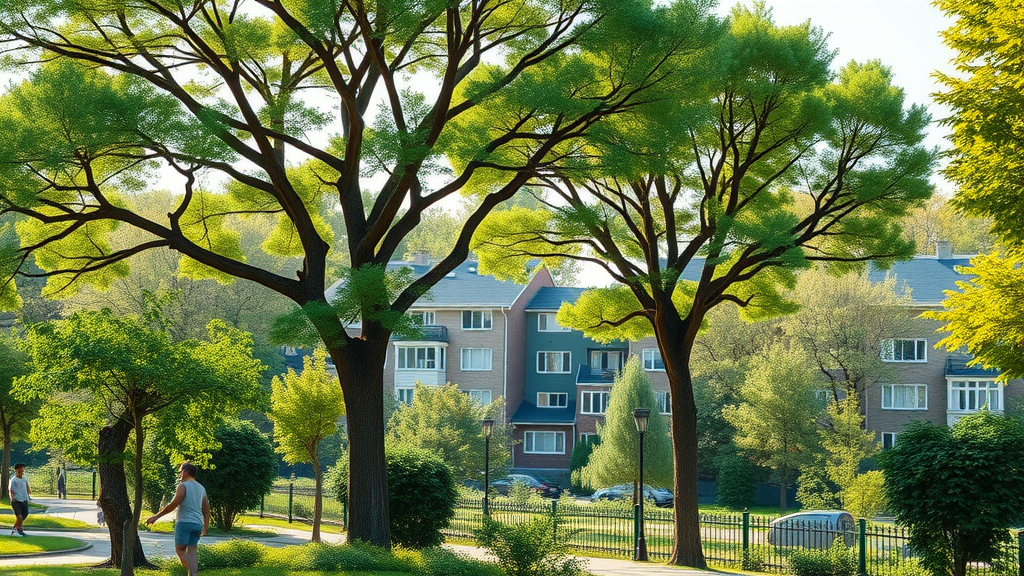
summer tree care urban landscapes healthy green trees residents caring city park sunlight
  • Learn why summer is the most vulnerable season for trees and how effective summer tree care can safeguard trees against heat stress, pests, and other health threats.

Summer Tree Care Essentials: Key Steps to Healthier Trees

Summer Tree Care Tips to Protect Trees Health During Heat Stress

  • Monitor trees in the summer for signs of heat stress
  • Consistent, deep watering practices
  • Mulch application to retain moisture
  • Use of soil test to guide fertilization

Heat stress is a major concern for summer tree care. As temperatures soar, soil loses moisture quickly, causing visible stress in tree foliage such as drooping, wilting, or colored leaves. Consistent, deep watering is one of the most valuable care tips for keeping trees healthy in the summer months. Watering deeply at the tree’s root zone encourages deeper root growth, increases drought resistance, and helps prevent sudden leaf drop. Using a soaker hose or drip irrigation system can ensure water penetrates efficiently without runoff.

Mulching around the base of the tree is another essential step. A layer of 2-4 inches of organic mulch helps retain moisture , stabilizes soil temperature, and suppresses weed growth that competes for nutrients. To avoid damage, keep mulch away from direct contact with the trunk to prevent rot and disease. Lastly, conducting a soil test in early summer provides clarity on nutrient levels, guiding you on the exact type and amount of fertilizer your trees need for optimal health.

summer tree care beautiful mature tree health volunteers examining leaves moisture meter lush foliage summer

Inspect Your Trees Often and Recognize Early Warning Signs

  • Regular tree inspection routines
  • Identifying signs of disease, pests, and poor health
  • Address issues before they threaten trees' health

It’s critical to inspect your trees regularly, as early intervention is often what separates flourishing trees from those in decline. Schedule an inspection at least once a month, looking for symptoms like discolored leaves, abnormal leaf drop, or unusual growths on trunks and branches. Early signs of pests and diseases—such as holes in leaves, sticky residue, or clusters of insects—should be addressed promptly.

Spotting potential issues early on allows for targeted treatment, reducing the chances of severe damage or loss. Utilize a hand lens or magnifying glass to examine leaves and bark for subtle signs many might miss. If you’re uncertain about potential threats, consulting a certified arborist or professional tree service for diagnosis and care recommendations is a wise move that could save your landscape.

Practical Tree Pruning Techniques for Summer Tree Care

  • When and how to prune trees in summer
  • Limiting sun scald and storm damage through proper pruning
  • Encouraging growth and maintaining trees healthy

Pruning during the summer months is important, but it must be handled with care. The perfect time for pruning is typically after peak leaf growth, when you can clearly identify dead, diseased, or damaged branches. Pruning helps reduce storm damage risk and improves trees health by promoting better air circulation and sunlight penetration.

Always use sharp, clean tools and focus on removing dead branches, inward-growing shoots, and limbs that cross or rub against each other. Avoid cutting large limbs during periods of extreme heat, as exposure can cause sun scald and weaken the tree. If you're uncertain, a professional or certified arborist can provide expert tree care tips for safe and effective summer pruning, ensuring long-term tree vitality.

Top 5 Summer Tree Care Mistakes You Should Avoid

  1. Infrequent or shallow watering during peak heat stress
  2. Ignoring pests and diseases that threaten trees health
  3. Over-fertilizing without soil test verification
  4. Skipping essential tree pruning and tree care tips
  5. Mulching mistakes that suffocate roots

Mistakes in summer tree care often stem from good intentions paired with lack of knowledge. One of the biggest missteps is watering too infrequently or letting water merely wet the surface—a process that fosters shallow root growth and leaves trees vulnerable to drought. Secondly, many property owners overlook early signs of pests and diseases, which can rapidly escalate and even kill roots or branches if left unchecked.

Over-fertilizing trees, especially without a prior soil test, is another common error that can cause root burn, damage to your tree, and even encourage excessive, weak growth susceptible to wind or storm damage. Skipping pruning or improper use of mulch—such as piling it directly against the trunk—can suffocate roots and create an environment ripe for rot and pests. To ensure your trees healthy, always follow best practices and avoid these costly mistakes.
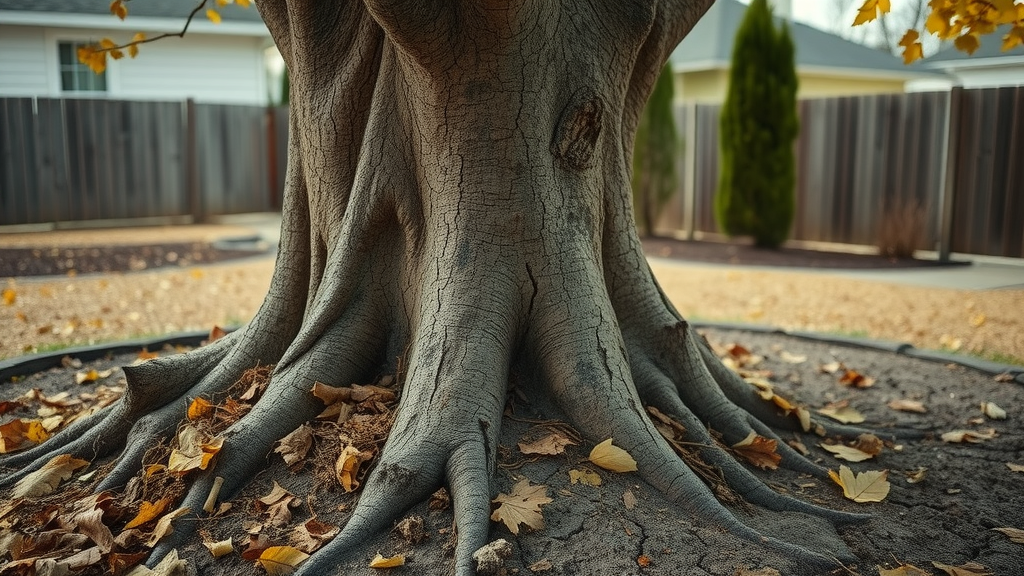
summer tree care mistakes wilting tree incorrect mulching dry cracked soil unhealthy roots warning signs

Recommended Summer Tree Care Schedule and Seasonal Care Tips

Week Task Key Points
1 Deep Watering Early morning, target root zone, prevent water stress
2 Inspect Your Trees Look for pests and diseases, discoloration, leaf drop
3 Soil Test & Fertilize Use soil test results for fertilizer choice, avoid overapplication
4 Tree Pruning Remove dead/damaged branches, promote air circulation
5 Mulch Application Maintain 2-4 inches, keep away from trunk, replenish if needed

Combatting Heat Stress: Proven Strategies for Trees in the Summer

"Correcting watering routines in summer tree care can reduce heat-related tree deaths by nearly 40%." — National Arborist Association

Maintaining Trees Health With Proper Watering and Mulching

  • Deep watering: how often and how much for summer tree care
  • Best mulching practices to keep trees healthy
  • Recognizing and addressing heat stress symptoms

Deep watering is fundamental for trees in the summer, as surface-level watering evaporates quickly and leaves roots dehydrated. For mature trees, watering slowly and deeply once or twice a week is ideal—adjust this based on rainfall and tree species. Young or newly planted trees often need more frequent, lighter watering to establish strong roots. It’s best to water early in the morning to minimize evaporation and allow leaves to dry, reducing the risk of fungal issues.

Mulching is equally crucial in any summer tree care routine. Apply 2-4 inches of shredded bark or wood chips around the base of the tree, stopping several inches from the trunk. This helps retain moisture, moderates soil temperature, and prevents weed growth. Regularly check mulch depth and replenish as needed, especially after heavy rain or wind.

Identifying heat stress can be done by observing drooping leaves, premature leaf drop, or scorched leaf tips. Address symptoms swiftly with additional water and shading for at-risk trees, ensuring your trees healthy and able to withstand summer extremes.

Protecting Young and Newly Planted Trees During Summer

  • Extra care tips for saplings
  • Shade options and root zone protection for trees healthy growth
  • Early intervention strategies

Young and newly planted trees face heightened risk of summer heat stress, requiring proactive tree care tips to help them thrive. Newly planted trees benefit from temporary shading—like burlap screens or purpose-built shade cloths—to protect delicate foliage and support healthy root growth. Wrapping the trunk or using tree guards can also prevent sun scald on thin-barked saplings.

Focus on maintaining soil moisture in the root zone. A wide, shallow basin around the base of the tree directs water to where it’s needed most. Mulching is especially vital for young trees, but remember to keep mulch a few inches away from the trunk. Early intervention if you notice wilt or browning leaves increases the chance of recovery.

Don’t forget regular inspections: catching problems early is far easier than rescuing a tree in steep decline. Consider enlisting a professional tree service for specific challenges or if your trees are showing unusual signs of distress.
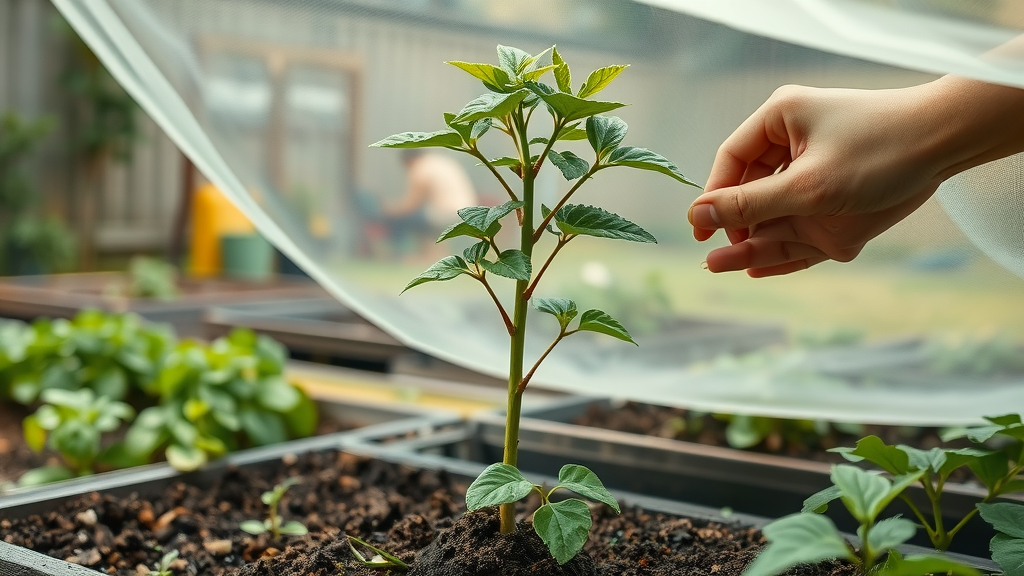
summer tree care nurturing young sapling shade cloth gardener watering covering roots detailed dewdrops

Preventing Pests and Diseases: Summer Tree Care for Long-Term Trees Health

Diagnosing and Managing Summer-Specific Pests and Tree Diseases

  • Common summer tree pests and their effects
  • Disease identification and immediate care tips
  • Integrated pest management for summer tree care

Pests and diseases are rampant in summer, thriving in warm, humid conditions. Common offenders include aphids, beetles, scale insects, and fungal pathogens like powdery mildew. These pests can stunt growth, discolor leaves, and even kill branches if not handled swiftly. Early diagnosis is key—and regular inspections are your best defense.

Look for chewed leaves, sticky sap residue, frass (insect droppings), or unusual patterns on bark and foliage. Once identified, employ integrated pest management (IPM) practices, which may include manual removal, horticultural oil sprays, or targeted treatments using environmentally safe pesticides. Monitoring closely allows you to address small problems before they threaten the entire tree.

Diseases often announce themselves through unusual spots, mold, or blotches on leaves. Remove and dispose of affected limbs immediately to keep pathogens from spreading. When in doubt, reach out to a professional tree service or certified arborist with the experience and knowledge to recommend the right remedy for your situation.
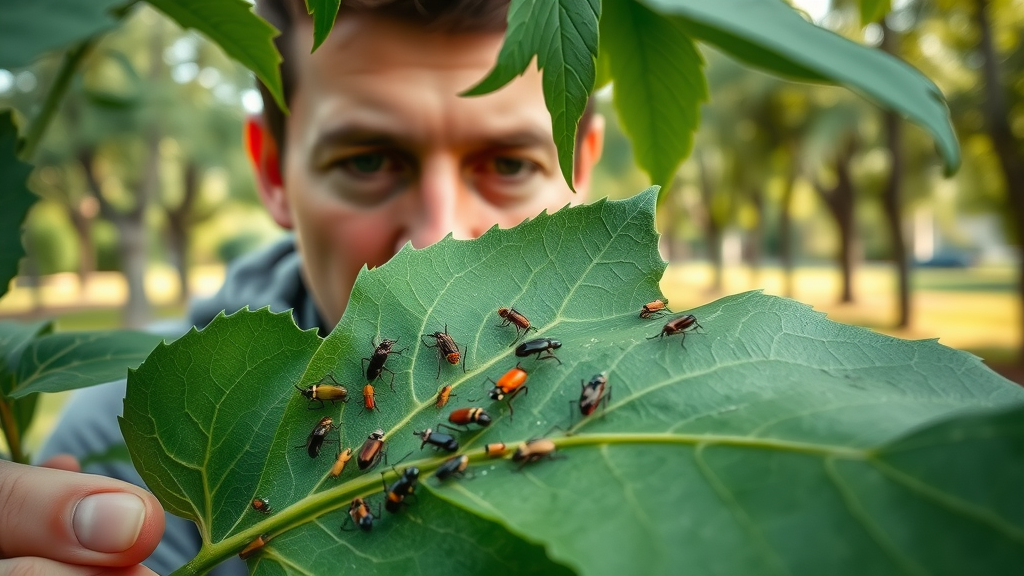
summer tree care leaf pests aphids beetles gardener inspecting early infestation detailed textures

Tools, Resources, and Tree Care Tips for Season-Long Success

  • Inspection tools: loupes, moisture meters, soil test kits
  • Professional tree care resources and services
  • Compilation of seasonal care tips and expert advice

Investing in essential tools streamlines your summer tree care: hand lenses and loupes help spot pests, moisture meters gauge soil dryness, and soil test kits direct smart fertilization. Develop a routine for using these tools, such as testing soil every few weeks and reviewing foliage for subtle signs of decline.

Professional tree services—including certified arborists or extension agencies—offer reliable assessments and targeted care tips. They can provide expert diagnosis for persistent problems, pruning guidance, or specialized treatments for storms or pest infestations. Utilize their experience to ensure your trees health over the long haul.

Keep abreast of local pest outbreaks, weather advisories, and seasonal care tips by subscribing to reputable landscaping newsletters or organizations. This proactive approach equips you with timely knowledge, helping you adapt to specific threats in your area.

essential summer tree care tools loupes moisture meter soil test kit gardening gloves organized arrangement

Soil Test and Fertilization: Customizing Tree Care for Your Landscape

Why Soil Test Matters in Summer Tree Care

  • Benefits of soil test for optimizing fertilizer
  • Reading your soil test results accurately
  • Making fertilization decisions for healthy trees

Conducting a soil test is a cornerstone of sound summer tree care. It provides a precise snapshot of your soil's pH, nutrient composition, and organic matter levels. Without a soil test, you risk guessing at fertilizer requirements—which can result in overfeeding or undernourishing your trees. The right amount of nutrients supports robust growth, boosts stress resistance, and keeps your trees healthy all summer.

Soil test results often display levels for nitrogen, phosphorus, potassium, and micro-nutrients. Interpreting these numbers allows you to tailor your fertilizer choice, ensuring your trees get exactly what they need and avoiding ecological damage from run-off or burning roots. Most extension offices and garden centers offer clear instructions or even expert help with reading test results.

Use your results to map out a careful fertilization plan: supplement only what is lacking, and opt for slow-release or organic options wherever possible. This custom approach sets a foundation for long-term health and lessens the chance of pests and diseases taking hold.

Balancing Nutrition for Optimal Trees Health All Summer Long

  • Avoiding overfertilization
  • Best summer fertilizers and application practices
  • Supplementing organic matter for robust soil health

Summer can tempt gardeners to “boost” growth with extra fertilizer—but too much leads to lush yet fragile growth susceptible to heat stress and breakage. Always apply products according to soil test recommendations, and split applications if needed to avoid shocking the tree’s system.

Choose summer fertilizers with balanced formulations (e.g., 10-10-10), and favor slow-release or organic-based products. These deliver steady nourishment all season without overwhelming roots, promoting better root growth and overall trees health. Supplementing with compost, leaf mold, or well-rotted manure not only feeds trees but also improves soil structure and water retention.

Remember, healthy soil is the bedrock of strong trees. Mulching with organic materials can replenish soil nutrients as it breaks down, creating a virtuous cycle of health that supports your landscape throughout even the toughest summer.

People Also Ask: Your Summer Tree Care Questions Answered

How can you care for your trees in June and July?

  • Regular watering, inspecting for heat stress, mulching, and pruning are critical for June and July summer tree care.

In June and July, focus on deep watering early in the day to minimize evaporation, check leaves and branches for early signs of heat stress, and apply mulch to retain moisture and protect roots. Routine pruning to remove dead branches helps prevent storm damage and improves trees health. Regularly inspecting for pests and diseases ensures your trees healthy all summer long.

Who is responsible for trees next to power lines?

  • Generally, utility companies manage trees near power lines, but homeowners should check local rules before conducting summer tree care.

In most areas, utility companies are responsible for maintaining trees close to power lines to avoid outages and hazards. However, homeowners should always confirm local regulations before pruning or removing branches near lines, as unauthorized work could endanger safety or violate codes. When in doubt, contact your local utility or professional tree service for assistance.

Why do tree leaves turn brown in summer?

  • Heat stress, lack of water, pests, and diseases are common causes affecting trees health and appearance in the summer.

Brown leaves in summer are often a signal of underlying stress, such as insufficient watering, overexposure to the sun, or pest and disease pressure. Ensuring regular, deep watering and proper mulching can reduce browning. If the issue persists, inspect for infestations or soil compaction, and consult a tree care expert for diagnosis and treatment.

How often should you water a tree in summer?

  • Most mature trees thrive with deep watering once or twice weekly during summer tree care cycles; young trees may need more frequent watering.

In the summer months, mature trees generally require a deep, slow watering one to two times per week, targeting the root zone to encourage deep root growth. Young or recently planted trees may need watering every 2-3 days until established. Adjust for rainfall, humidity, and soil type, and always check the soil a few inches down to avoid both over- and under-watering.

Expert Summer Tree Care Tips for Urban and Rural Landscapes

  • Adapting tree care strategies for heat stress in different settings
  • Urban vs. rural summer tree care challenges and opportunities
  • Local pest and disease watch-lists for trees healthy all summer

Urban trees often battle compacted soils, restricted root zones, and higher radiant heat from surrounding pavements, making tailored tree care tips essential. Use deep watering via soaker hoses to ensure penetration and avoid runoff. Mulch heavily to keep soil temperatures steady and roots protected. In rural environments, trees face broader pest spectra and sometimes less consistent irrigation—routine scouting for pests and prioritizing soil structure are crucial.

Adapt your care approach by monitoring local weather patterns, observing for emergent pests or diseases in your region, and applying treatments or interventions quickly. Networking with local horticultural groups or community boards can alert you to region-specific threats, such as invasive beetle outbreaks or fungal surges, to ensure your trees healthy season long.

Leveraging lists of local threats and staying updated on weather trends can inform your summer tree care strategy and help you make the most informed decisions for both newly planted and mature trees.

FAQs: Navigating Summer Tree Care Challenges

  • What are the signs of overwatering vs. drought stress?
  • Can pruning harm my trees during summer tree care?
  • Are organic mulches better for summer trees?
  • Should I fertilize newly planted trees in their first summer?

Overwatering often causes yellowing leaves, slow growth, and soggy soil, while drought stress produces wilting, crisp or brown edges, and leaf drop. Strike a balance by checking soil moisture a few inches down before watering. Pruning can stress trees if done improperly or excessively during extreme heat, so only remove dead or dangerous limbs in peak summer.

Organic mulches are generally better as they improve soil structure, provide nutrients as they decompose, and retain moisture more effectively. For newly planted trees, avoid fertilizing in the first summer unless a soil test reveals deficiency; focus on water and mulch instead to encourage stable root growth and acclimatization.

Take Action for Healthier Trees—Elevate Your Summer Tree Care Practices!

  • Grow your landscaping expertise—call 203-271-7991 or visit TreeGuardianNews.com to subscribe.

Start your new routine today—schedule a tree inspection, renew your mulching, and subscribe for expert care tips to ensure your trees thrive all summer long.

To enhance your understanding of effective summer tree care practices, consider exploring the following resources:

  • “Summer Tree Care Tips” : This article provides practical advice on replenishing mulch, pruning for strong growth, and inspecting tree health during the summer months. ( canopy.org )

  • “Summer Tree Care - Richmond Tree Stewards” : This resource offers detailed guidelines on watering practices, mulching, and monitoring tree health to ensure your trees thrive during the summer heat. ( richmondtreestewards.org )

By consulting these resources, you’ll gain valuable insights into maintaining healthy trees throughout the summer season.

Latest News

58 Views

Write A Comment

*
*
Please complete the captcha to submit your comment.
Related Posts All Posts
07.10.2026

How Often Should Trees Be Pruned? A Complete Guide for Tree Care

Learn how often trees should be pruned, the benefits of regular pruning, and essential tips for tree care.

07.10.2026

Why Homeowners Should Be Aware of Trees and Lawn Mowers

Update The Dangers of Lawn Mowers Near Trees Maintaining a beautiful lawn can be quite the task for homeowners, especially during the weekends when lawn care activities come into play. However, have you ever considered how damaging lawn mowers can be to the trees that grace your yard? Trees not only provide shade and beauty but also improve air quality. Hence, protecting them is essential. Understanding Tree Health and Lawn Care Tree health is often compromised when lawn mowers come too close. Any accidental brush against a tree trunk can lead to bark damage. This exposes the tree to pests and diseases. Over time, these injuries can hinder growth, making it difficult for trees to thrive. It's essential to recognize that a lawn mower is not just a tool for cutting grass; it can significantly affect your landscape's ecosystem. Setting Up Safe Boundaries The best way to safeguard your trees from lawn mower damage is to establish designated areas for each. When mowing, create a safe distance around trees that your mower will not trespass. A general rule of thumb is to maintain a radius of about 3 feet around the base of each tree. This defensive zone not only protects the tree’s trunk from being scuffed but also allows you to use mulch or grass clippings that can further nourish the tree. Creating a Tree-Friendly Lawn Environmental experts recommend incorporating a variety of plants around trees to create a safe landscape. Native plants, which are adapted to the local environment, thrive well and require less maintenance. They can form a protective green barrier that cushions trees against accidental mower contact. Moreover, growing ground covers can significantly limit the need for mower operation near trees while enhancing soil quality. The Importance of Mulching Mulching can be incredibly beneficial for tree health. By applying organic mulch around the base of trees, you can improve moisture retention and prevent weed growth that would otherwise require mowing. Choose materials such as wood chips or shredded bark as mulch to keep your trees healthy. Plus, mulching helps regulate soil temperature and provides nutrients as it breaks down over time. Tools and Techniques for Safe Mowing Investing in lawn mowing techniques and tools designed to protect trees is an excellent idea. For instance, using a trimmer with a protective guard can help you reach areas near tree bases without risk of damage. Staying aware and cautious while mowing your lawn is key. Practicing slow and steady movements near tree lines helps avoid unexpected mishaps. Understanding the Risks of Equipment Damage Besides physical damage to trees, lawn mowers can also be affected by the landscape. Running over roots or rocks hidden beneath grass can cause mower blades to dull or even break. This means more maintenance for you and potential costly repairs. Take time to survey your yard before mowing; this consideration will prolong the life of both your trees and your lawn care equipment. Conclusion: Creating a Sustainable Landscape Protecting your trees from lawn mowers is vital not only for their health but for the overall ecosystem of your yard. By practicing careful mowing techniques, establishing boundaries, and promoting plant diversity, you are on your way to creating a sustainable, beautiful landscape that can be enjoyed for years to come.

07.03.2026

Oak Wilt Prevention: Essential Strategies for Protecting Oaks at Eagle Mountain Lake

Update The Importance of Oak Wilt Prevention in Eagle Mountain Lake At Eagle Mountain Lake, Texas, a dedicated team of arborists is safeguarding approximately ninety mature Southern Live Oaks and Red Oaks as part of a vital Oak Wilt prevention program. This initiative highlights the crucial role of preventative plant healthcare in North Texas, particularly in an area surrounded by one of the largest oak wilt footprints in the state. By establishing a routine treatment schedule, these trees stand a greater chance of surviving this pervasive disease. Understanding Oak Wilt: A Threat to Healthy Oaks Oak Wilt, caused by the fungal pathogen Bretziella fagacearum, poses a significant threat to oak populations, with its effects not immediately visible. The disease infiltrates the tree's vascular system, specifically the xylem, which is crucial for transporting water and nutrients. As the fungus spreads, the tree attempts to defend itself, leading to a decline in water movement that causes characteristic symptoms such as wilting leaves and canopy decline. Why Southern Live Oaks Are Particularly Vulnerable One of the primary reasons Southern Live Oaks are at high risk of Oak Wilt is their unique root structure. These trees often form interconnected root systems, allowing for the transfer of water and nutrients. However, this characteristic also facilitates the rapid spread of the fungus from one infected tree to others, making early intervention essential. Preventative Measures That Make a Difference Preventative care is critical in stopping the spread of Oak Wilt. Treatments such as Low-Volume Macro Infusion with Alamo fungicide help protect these trees before symptoms appear. This proactive approach is crucial as it allows for maintaining the health of the surrounding ecosystem. The standard recommendation is a two-year treatment cycle, ensuring that healthy trees remain unaffected by the disease. The Role of Insects in Oak Wilt Spread In addition to root graft transmission, the Oak Wilt fungus can also be introduced to healthy trees through insect activity. Nitidulid sap beetles, attracted to fresh wounds on oak trees, play a key role in this process. Proper tree management—including timely pruning and sealing fresh cuts—can prevent the introduction of this dangerous fungus. Learn to Recognize the Signs Recognizing the signs of oak wilt can be challenging, especially for homeowners. Early symptoms usually include yellowing leaves and canopy decline, but they can often be mistaken for other tree health issues. Understanding these signs and knowing when to contact an arborist can make the difference between saving a tree and losing it to this destructive disease. By maintaining vigilance and committing to a consistent, science-based plant healthcare program, property owners can play a significant role in combating the spread of Oak Wilt. Regular inspections, along with a proactive treatment approach, are pivotal in preserving the majestic oak trees that contribute so greatly to our environment.

Green Space News

Homeowners & Businesses concerned about tree and landscape care, safety issues from storms, old or diseased trees, structural damage risks, and insurance implications.

Green Space News is a subsidiary of RP Design Web Services.

COMPANY

  • Privacy Policy
  • Terms of Use
  • Advertise
  • Contact Us
  • Menu 5
  • Menu 6

AVAILABLE FROM 8AM - 5PM

Cheshire,CT

POBox 1189

ABOUT US

Green Space News is your go-to media hub for cutting-edge strategies to maintain a safe and vibrant environment. We are committed to protecting your property and family by providing proactive tree hazard prevention and awareness. Our platform  empower communities to safeguard their surroundings and enjoy healthier, more resilient landscapes.

© 2026 RP Design Web Services All Rights Reserved. P.O. Box 1189, Cheshire, CT 06410 . Contact Us . Terms of Service . Privacy Policy

eyJjb21wYW55IjoiUlAgRGVzaWduIFdlYiBTZXJ2aWNlcyIsImFkZHJlc3MiOiJQLk8uIEJveCAxMTg5IiwiY2l0eSI6IkNoZXNoaXJlIiwic3RhdGUiOiJDVCIsInppcCI6IjA2NDEwIiwiZW1haWwiOiJyb2JlcnRAcnBkZXNpZ24uY29tIiwidG9zIjoiUEhBK1BITjBjbTl1Wno0OFpXMCtWMmhsYmlCNWIzVWdjMmxuYmkxcGJpQjNhWFJvSUhWekxDQjViM1VnWVhKbElHZHBkbWx1WnladVluTndPeUI1YjNWeUlIQmxjbTFwYzNOcGIyNGdZVzVrSUdOdmJuTmxiblFnZEc4Z2MyVnVaQ0I1YjNVZ1pXMWhhV3dnWVc1a0wyOXlJRk5OVXlCMFpYaDBJRzFsYzNOaFoyVnpMaUJDZVNCamFHVmphMmx1WnlCMGFHVWdWR1Z5YlhNZ1lXNWtJRU52Ym1ScGRHbHZibk1nWW05NElHRnVaQ0JpZVNCemFXZHVhVzVuSUdsdUlIbHZkU0JoZFhSdmJXRjBhV05oYkd4NUlHTnZibVpwY20wZ2RHaGhkQ0I1YjNVZ1lXTmpaWEIwSUdGc2JDQjBaWEp0Y3lCcGJpQjBhR2x6SUdGbmNtVmxiV1Z1ZEM0OEwyVnRQand2YzNSeWIyNW5Qand2Y0Q0S0NqeHdQanhoSUdoeVpXWTlJbWgwZEhBNkx5OTNkM2N1WjI5dloyeGxMbU52YlNJK2FIUjBjRG92TDNkM2R5NW5iMjluYkdVdVkyOXRQQzloUGp3dmNENEtDanh3UGladVluTndPend2Y0Q0S0NqeHdQanh6ZEhKdmJtYytVMFZTVmtsRFJUd3ZjM1J5YjI1blBqd3ZjRDRLQ2p4d1BsZGxJSEJ5YjNacFpHVWdZU0J6WlhKMmFXTmxJSFJvWVhRZ1kzVnljbVZ1ZEd4NUlHRnNiRzkzY3lCNWIzVWdkRzhnY21WalpXbDJaU0J5WlhGMVpYTjBjeUJtYjNJZ1ptVmxaR0poWTJzc0lHTnZiWEJoYm5rZ2FXNW1iM0p0WVhScGIyNHNJSEJ5YjIxdmRHbHZibUZzSUdsdVptOXliV0YwYVc5dUxDQmpiMjF3WVc1NUlHRnNaWEowY3l3Z1kyOTFjRzl1Y3l3Z1pHbHpZMjkxYm5SeklHRnVaQ0J2ZEdobGNpQnViM1JwWm1sallYUnBiMjV6SUhSdklIbHZkWElnWlcxaGFXd2dZV1JrY21WemN5QmhibVF2YjNJZ1kyVnNiSFZzWVhJZ2NHaHZibVVnYjNJZ1pHVjJhV05sTGlCWmIzVWdkVzVrWlhKemRHRnVaQ0JoYm1RZ1lXZHlaV1VnZEdoaGRDQjBhR1VnVTJWeWRtbGpaU0JwY3lCd2NtOTJhV1JsWkNBbWNYVnZkRHRCVXkxSlV5WnhkVzkwT3lCaGJtUWdkR2hoZENCM1pTQmhjM04xYldVZ2JtOGdjbVZ6Y0c5dWMybGlhV3hwZEhrZ1ptOXlJSFJvWlNCMGFXMWxiR2x1WlhOekxDQmtaV3hsZEdsdmJpd2diV2x6TFdSbGJHbDJaWEo1SUc5eUlHWmhhV3gxY21VZ2RHOGdjM1J2Y21VZ1lXNTVJSFZ6WlhJZ1kyOXRiWFZ1YVdOaGRHbHZibk1nYjNJZ2NHVnljMjl1WVd4cGVtRjBhVzl1SUhObGRIUnBibWR6TGp3dmNENEtDanh3UGxsdmRTQmhjbVVnY21WemNHOXVjMmxpYkdVZ1ptOXlJRzlpZEdGcGJtbHVaeUJoWTJObGMzTWdkRzhnZEdobElGTmxjblpwWTJVZ1lXNWtJSFJvWVhRZ1lXTmpaWE56SUcxaGVTQnBiblp2YkhabElIUm9hWEprSUhCaGNuUjVJR1psWlhNZ0tITjFZMmdnWVhNZ1UwMVRJSFJsZUhRZ2JXVnpjMkZuWlhNc0lFbHVkR1Z5Ym1WMElITmxjblpwWTJVZ2NISnZkbWxrWlhJZ2IzSWdZMlZzYkhWc1lYSWdZV2x5ZEdsdFpTQmphR0Z5WjJWektTNGdXVzkxSUdGeVpTQnlaWE53YjI1emFXSnNaU0JtYjNJZ2RHaHZjMlVnWm1WbGN5d2dhVzVqYkhWa2FXNW5JSFJvYjNObElHWmxaWE1nWVhOemIyTnBZWFJsWkNCM2FYUm9JSFJvWlNCa2FYTndiR0Y1SUc5eUlHUmxiR2wyWlhKNUlHOW1JR1ZoWTJnZ1UwMVRJSFJsZUhRZ2JXVnpjMkZuWlNCelpXNTBJSFJ2SUhsdmRTQmllU0IxY3k0Z1NXNGdZV1JrYVhScGIyNHNJSGx2ZFNCdGRYTjBJSEJ5YjNacFpHVWdZVzVrSUdGeVpTQnlaWE53YjI1emFXSnNaU0JtYjNJZ1lXeHNJR1Z4ZFdsd2JXVnVkQ0J1WldObGMzTmhjbmtnZEc4Z1lXTmpaWE56SUhSb1pTQlRaWEoyYVdObElHRnVaQ0J5WldObGFYWmxJSFJvWlNCVFRWTWdkR1Y0ZENCdFpYTnpZV2RsY3k0Z1YyVWdaRzhnYm05MElHTm9ZWEpuWlNCaGJua2dabVZsY3lCbWIzSWdaR1ZzYVhabGNua2diMllnWlcxaGFXd2diM0lnVTAxVExpQlVhR2x6SUdseklHRWdabkpsWlNCelpYSjJhV05sSUhCeWIzWnBaR1ZrSUdKNUlIVnpMaUJJYjNkbGRtVnlMQ0J3YkdWaGMyVWdZMmhsWTJzZ2QybDBhQ0I1YjNWeUlHbHVkR1Z5Ym1WMElITmxjblpwWTJVZ2NISnZkbWxrWlhJZ1lXNWtJR05sYkd4MWJHRnlJR05oY25KcFpYSWdabTl5SUdGdWVTQmphR0Z5WjJWeklIUm9ZWFFnYldGNUlHbHVZM1Z5SUdGeklHRWdjbVZ6ZFd4MElHWnliMjBnY21WalpXbDJhVzVuSUdWdFlXbHNJR0Z1WkNCVFRWTWdkR1Y0ZENCdFpYTnpZV2RsY3lCMGFHRjBJSGRsSUdSbGJHbDJaWElnZFhCdmJpQjViM1Z5SUc5d2RDMXBiaUJoYm1RZ2NtVm5hWE4wY21GMGFXOXVJSGRwZEdnZ2IzVnlJR1Z0WVdsc0lHRnVaQ0JUVFZNZ2MyVnlkbWxqWlhNdUlGbHZkU0JqWVc0Z1kyRnVZMlZzSUdGMElHRnVlU0IwYVcxbExpQktkWE4wSUhSbGVIUWdKbkYxYjNRN1UxUlBVQ1p4ZFc5ME95QjBieUE4YUdsbmFHeHBaMmgwSUdOc1lYTnpQU0pqYjIxd1lXNTVVR2h2Ym1WVmNHUmhkR1VpUGlzeE1qQXpNamN4TnprNU1Ud3ZhR2xuYUd4cFoyaDBQaTRnUVdaMFpYSWdlVzkxSUhObGJtUWdkR2hsSUZOTlV5QnRaWE56WVdkbElDWnhkVzkwTzFOVVQxQW1jWFZ2ZERzZ2RHOGdkWE1zSUhkbElIZHBiR3dnYzJWdVpDQjViM1VnWVc0Z1UwMVRJRzFsYzNOaFoyVWdkRzhnWTI5dVptbHliU0IwYUdGMElIbHZkU0JvWVhabElHSmxaVzRnZFc1emRXSnpZM0pwWW1Wa0xpQkJablJsY2lCMGFHbHpMQ0I1YjNVZ2QybHNiQ0J1YnlCc2IyNW5aWElnY21WalpXbDJaU0JUVFZNZ2JXVnpjMkZuWlhNZ1puSnZiU0IxY3k0OEwzQStDZ284Y0Q0OGMzUnliMjVuUGxsUFZWSWdVa1ZIU1ZOVVVrRlVTVTlPSUU5Q1RFbEhRVlJKVDA1VFBDOXpkSEp2Ym1jK1BDOXdQZ29LUEhBK1NXNGdZMjl1YzJsa1pYSmhkR2x2YmlCdlppQjViM1Z5SUhWelpTQnZaaUIwYUdVZ1UyVnlkbWxqWlN3Z2VXOTFJR0ZuY21WbElIUnZPand2Y0Q0S0NqeHZiRDRLQ1R4c2FUNXdjbTkyYVdSbElIUnlkV1VzSUdGalkzVnlZWFJsTENCamRYSnlaVzUwSUdGdVpDQmpiMjF3YkdWMFpTQnBibVp2Y20xaGRHbHZiaUJoWW05MWRDQjViM1Z5YzJWc1ppQmhjeUJ3Y205dGNIUmxaQ0JpZVNCMGFHVWdVMlZ5ZG1salpTWWpNems3Y3lCeVpXZHBjM1J5WVhScGIyNGdabTl5YlNBb2MzVmphQ0JwYm1admNtMWhkR2x2YmlCaVpXbHVaeUIwYUdVZ0puRjFiM1E3VW1WbmFYTjBjbUYwYVc5dUlFUmhkR0VtY1hWdmREc3BJR0Z1WkR3dmJHaytDZ2s4YkdrK2JXRnBiblJoYVc0Z1lXNWtJSEJ5YjIxd2RHeDVJSFZ3WkdGMFpTQjBhR1VnVW1WbmFYTjBjbUYwYVc5dUlFUmhkR0VnZEc4Z2EyVmxjQ0JwZENCMGNuVmxMQ0JoWTJOMWNtRjBaU3dnWTNWeWNtVnVkQ0JoYm1RZ1kyOXRjR3hsZEdVdUlFbG1JSGx2ZFNCd2NtOTJhV1JsSUdGdWVTQnBibVp2Y20xaGRHbHZiaUIwYUdGMElHbHpJSFZ1ZEhKMVpTd2dhVzVoWTJOMWNtRjBaU3dnYm05MElHTjFjbkpsYm5RZ2IzSWdhVzVqYjIxd2JHVjBaU3dnYjNJZ2QyVWdhR0YyWlNCeVpXRnpiMjVoWW14bElHZHliM1Z1WkhNZ2RHOGdjM1Z6Y0dWamRDQjBhR0YwSUhOMVkyZ2dhVzVtYjNKdFlYUnBiMjRnYVhNZ2RXNTBjblZsTENCcGJtRmpZM1Z5WVhSbExDQnViM1FnWTNWeWNtVnVkQ0J2Y2lCcGJtTnZiWEJzWlhSbExDQjNaU0JvWVhabElIUm9aU0J5YVdkb2RDQjBieUJ6ZFhOd1pXNWtJRzl5SUR4emRISnZibWMrUEhOd1lXNGdjM1I1YkdVOUltTnZiRzl5T2lOR1JqQXdNREE3SWo1MFpYSnRhVzVoZEdVZ2VXOTFjaUJoWTJOdmRXNTBMM0J5YjJacGJHVWdZVzVrSUhKbFpuVnpaU0JoYm5rZ1lXNWtJR0ZzYkNCamRYSnlaVzUwSUc5eUlHWjFkSFZ5WlNCMWMyVWdiMllnZEdobElGTmxjblpwWTJVZ0tHOXlJR0Z1ZVNCd2IzSjBhVzl1SUhSb1pYSmxiMllwTGp3dmMzQmhiajQ4TDNOMGNtOXVaejQ4TDJ4cFBnbzhMMjlzUGdvS1BIQStKbTVpYzNBN1BDOXdQZ284YUdsbmFHeHBaMmgwSUdOc1lYTnpQU0pqYjIxd1lXNTVUbUZ0WlZWd1pHRjBaU0krVWxBZ1JHVnphV2R1SUZkbFlpQlRaWEoyYVdObGN6d3ZhR2xuYUd4cFoyaDBQanhpY2lBdlBnbzhhR2xuYUd4cFoyaDBJR05zWVhOelBTSmpiMjF3WVc1NVFXUmtjbVZ6YzFWd1pHRjBaU0krVUM1UExpQkNiM2dnTVRFNE9Td2dRMmhsYzJocGNtVXNJRU5VSURBMk5ERXdQQzlvYVdkb2JHbG5hSFErUEdKeUlDOCtDanhvYVdkb2JHbG5hSFFnWTJ4aGMzTTlJbU52YlhCaGJubFFhRzl1WlZWd1pHRjBaU0krS3pFeU1ETXlOekUzT1RreFBDOW9hV2RvYkdsbmFIUStQR0p5SUM4K0NqeG9hV2RvYkdsbmFIUWdZMnhoYzNNOUltTnZiWEJoYm5sRmJXRnBiRlZ3WkdGMFpTSStjbTlpWlhKMFFISndaR1Z6YVdkdUxtTnZiVHd2YUdsbmFHeHBaMmgwUGc9PSIsInByaXZhY3kiOiJQSEErUEhOMGNtOXVaejVRVWtsV1FVTlpQQzl6ZEhKdmJtYytQQzl3UGdvS1BIQStQSE4wY205dVp6NVVhR1VnYVc1bWIzSnRZWFJwYjI0Z2NISnZkbWxrWldRZ1pIVnlhVzVuSUhSb2FYTWdjbVZuYVhOMGNtRjBhVzl1SUdseklHdGxjSFFnY0hKcGRtRjBaU0JoYm1RZ1kyOXVabWxrWlc1MGFXRnNMQ0JoYm1RZ2QybHNiQ0J1WlhabGNpQmlaU0JrYVhOMGNtbGlkWFJsWkN3Z1kyOXdhV1ZrTENCemIyeGtMQ0IwY21Ga1pXUWdiM0lnY0c5emRHVmtJR2x1SUdGdWVTQjNZWGtzSUhOb1lYQmxJRzl5SUdadmNtMHVJRlJvYVhNZ2FYTWdiM1Z5SUdkMVlYSmhiblJsWlM0OEwzTjBjbTl1Wno0OEwzQStDZ284Y0Q0OGMzUnliMjVuUGtsT1JFVk5Ua2xVV1R3dmMzUnliMjVuUGp3dmNENEtDanh3UGp4bGJUNVpiM1VnWVdkeVpXVWdkRzhnYVc1a1pXMXVhV1o1SUdGdVpDQm9iMnhrSUhWekxDNGdZVzVrSUdsMGN5QnpkV0p6YVdScFlYSnBaWE1zSUdGbVptbHNhV0YwWlhNc0lHOW1abWxqWlhKekxDQmhaMlZ1ZEhNc0lHTnZMV0p5WVc1a1pYSnpJRzl5SUc5MGFHVnlJSEJoY25SdVpYSnpMQ0JoYm1RZ1pXMXdiRzk1WldWekxDQm9ZWEp0YkdWemN5Qm1jbTl0SUdGdWVTQmpiR0ZwYlNCdmNpQmtaVzFoYm1Rc0lHbHVZMngxWkdsdVp5QnlaV0Z6YjI1aFlteGxJR0YwZEc5eWJtVjVjeVlqTXprN0lHWmxaWE1zSUcxaFpHVWdZbmtnWVc1NUlIUm9hWEprSUhCaGNuUjVJR1IxWlNCMGJ5QnZjaUJoY21semFXNW5JRzkxZENCdlppQkRiMjUwWlc1MElIbHZkU0J5WldObGFYWmxMQ0J6ZFdKdGFYUXNJSEpsY0d4NUxDQndiM04wTENCMGNtRnVjMjFwZENCdmNpQnRZV3RsSUdGMllXbHNZV0pzWlNCMGFISnZkV2RvSUhSb1pTQlRaWEoyYVdObExDQjViM1Z5SUhWelpTQnZaaUIwYUdVZ1UyVnlkbWxqWlN3Z2VXOTFjaUJqYjI1dVpXTjBhVzl1SUhSdklIUm9aU0JUWlhKMmFXTmxMQ0I1YjNWeUlIWnBiMnhoZEdsdmJpQnZaaUIwYUdVZ1ZFOVRMQ0J2Y2lCNWIzVnlJSFpwYjJ4aGRHbHZiaUJ2WmlCaGJua2djbWxuYUhSeklHOW1JR0Z1YjNSb1pYSXVQQzlsYlQ0OEwzQStDZ284Y0Q0OGMzUnliMjVuUGtSSlUwTk1RVWxOUlZJZ1QwWWdWMEZTVWtGT1ZFbEZVend2YzNSeWIyNW5Qand2Y0Q0S0NqeHdQanh6ZEhKdmJtYytXVTlWSUVWWVVGSkZVMU5NV1NCVlRrUkZVbE5VUVU1RUlFRk9SQ0JCUjFKRlJTQlVTRUZVT2p3dmMzUnliMjVuUGp3dmNENEtDanh2YkQ0S0NUeHNhVDVaVDFWU0lGVlRSU0JQUmlCVVNFVWdVMFZTVmtsRFJTQkpVeUJCVkNCWlQxVlNJRk5QVEVVZ1VrbFRTeTRnVkVoRklGTkZVbFpKUTBVZ1NWTWdVRkpQVmtsRVJVUWdUMDRnUVU0Z0puRjFiM1E3UVZNZ1NWTW1jWFZ2ZERzZ1FVNUVJQ1p4ZFc5ME8wRlRJRUZXUVVsTVFVSk1SU1p4ZFc5ME95QkNRVk5KVXk0Z0xDNGdRVTVFSUZWVExDQkpWQ1lqTXprN1V5QkRWVk5VVDAxRlVsTXNJRVZZVUZKRlUxTk1XU0JFU1ZORFRFRkpUVk1nUVV4TUlGZEJVbEpCVGxSSlJWTWdUMFlnUVU1WklFdEpUa1FzSUZkSVJWUklSVklnUlZoUVVrVlRVeUJQVWlCSlRWQk1TVVZFTENCSlRrTk1WVVJKVGtjc0lFSlZWQ0JPVDFRZ1RFbE5TVlJGUkNCVVR5QlVTRVVnU1UxUVRFbEZSQ0JYUVZKU1FVNVVTVVZUSUU5R0lFMUZVa05JUVU1VVFVSkpURWxVV1N3Z1JrbFVUa1ZUVXlCR1QxSWdRU0JRUVZKVVNVTlZURUZTSUZCVlVsQlBVMFVnUVU1RUlFNVBUaTFKVGtaU1NVNUhSVTFGVGxRdVBDOXNhVDRLQ1R4c2FUNU5RVXRGVXlCT1R5QlhRVkpTUVU1VVdTQlVTRUZVSUNocEtTQlVTRVVnVTBWU1ZrbERSU0JYU1V4TUlFMUZSVlFnV1U5VlVpQlNSVkZWU1ZKRlRVVk9WRk1zSUNocGFTa2dWRWhGSUZORlVsWkpRMFVnVjBsTVRDQkNSU0JWVGtsT1ZFVlNVbFZRVkVWRUxDQlVTVTFGVEZrc0lGTkZRMVZTUlN3Z1QxSWdSVkpTVDFJdFJsSkZSU3dnS0dscGFTa2dWRWhGSUZKRlUxVk1WRk1nVkVoQlZDQk5RVmtnUWtVZ1QwSlVRVWxPUlVRZ1JsSlBUU0JVU0VVZ1ZWTkZJRTlHSUZSSVJTQlRSVkpXU1VORklGZEpURXdnUWtVZ1FVTkRWVkpCVkVVZ1QxSWdVa1ZNU1VGQ1RFVXNJRUZPUkNBb2FYWXBJRUZPV1NCRlVsSlBVbE1nU1U0Z1ZFaEZJRk5QUmxSWFFWSkZJRmRKVEV3Z1FrVWdRMDlTVWtWRFZFVkVMand2YkdrK0NnazhiR2srUVU1WklFMUJWRVZTU1VGTUlFUlBWMDVNVDBGRVJVUWdUMUlnVDFSSVJWSlhTVk5GSUU5Q1ZFRkpUa1ZFSUZSSVVrOVZSMGdnVkVoRklGVlRSU0JQUmlCVVNFVWdVMFZTVmtsRFJTQkpVeUJFVDA1RklFRlVJRmxQVlZJZ1QxZE9JRVJKVTBOU1JWUkpUMDRnUVU1RUlGSkpVMHNnUVU1RUlGUklRVlFnV1U5VklGZEpURXdnUWtVZ1UwOU1SVXhaSUZKRlUxQlBUbE5KUWt4RklFWlBVaUJCVGxrZ1JFRk5RVWRGSUZSUElGbFBWVklnUTA5TlVGVlVSVklnVTFsVFZFVk5JRTlTSUV4UFUxTWdUMFlnUkVGVVFTQlVTRUZVSUZKRlUxVk1WRk1nUmxKUFRTQlVTRVVnUkU5WFRreFBRVVFnVDBZZ1FVNVpJRk5WUTBnZ1RVRlVSVkpKUVV3dVBDOXNhVDRLQ1R4c2FUNU9UeUJCUkZaSlEwVWdUMUlnU1U1R1QxSk5RVlJKVDA0c0lGZElSVlJJUlZJZ1QxSkJUQ0JQVWlCWFVrbFVWRVZPTENCUFFsUkJTVTVGUkNCQ1dTQlpUMVVnUmxKUFRTQlBVaUJVU0ZKUFZVZElJRTlTSUVaU1QwMGdWRWhGSUZORlVsWkpRMFVnVTBoQlRFd2dRMUpGUVZSRklFRk9XU0JYUVZKU1FVNVVXU0JPVDFRZ1JWaFFVa1ZUVTB4WklGTlVRVlJGUkNCSlRpQlVTRVVnVkU5VExqd3ZiR2srQ2p3dmIydytDZ284Y0Q0OGMzUnliMjVuUGt4SlRVbFVRVlJKVDA0Z1QwWWdURWxCUWtsTVNWUlpQQzl6ZEhKdmJtYytQQzl3UGdvS1BIQStXVTlWSUVWWVVGSkZVMU5NV1NCVlRrUkZVbE5VUVU1RUlFRk9SQ0JCUjFKRlJTQlVTRUZVSUVGT1JDQlRTRUZNVENCT1QxUWdRa1VnVEVsQlFreEZJRVpQVWlCQlRsa2dSRWxTUlVOVUxDQkpUa1JKVWtWRFZDd2dTVTVEU1VSRlRsUkJUQ3dnVTFCRlEwbEJUQ3dnUTA5T1UwVlJWVVZPVkVsQlRDQlBVaUJGV0VWTlVFeEJVbGtnUkVGTlFVZEZVeXdnU1U1RFRGVkVTVTVISUVKVlZDQk9UMVFnVEVsTlNWUkZSQ0JVVHl3Z1JFRk5RVWRGVXlCR1QxSWdURTlUVXlCUFJpQlFVazlHU1ZSVExDQkhUMDlFVjBsTVRDd2dWVk5GTENCRVFWUkJJRTlTSUU5VVNFVlNJRWxPVkVGT1IwbENURVVnVEU5VFUwVlRJQ2hGVmtWT0lFbEdJRWhCVXlCQ1JVVk9JRUZFVmtsVFJVUWdUMFlnVkVoRklGQlBVMU5KUWtsTVNWUlpJRTlHSUZOVlEwZ2dSRUZOUVVkRlV5a3NJRkpGVTFWTVZFbE9SeUJHVWs5Tk9qd3ZjRDRLQ2p4dmJENEtDVHhzYVQ1VVNFVWdWVk5GSUU5U0lGUklSU0JKVGtGQ1NVeEpWRmtnVkU4Z1ZWTkZJRlJJUlNCVFJWSldTVU5GT3p3dmJHaytDZ2s4YkdrK1ZFaEZJRU5QVTFRZ1QwWWdVRkpQUTFWU1JVMUZUbFFnVDBZZ1UxVkNVMVJKVkZWVVJTQkhUMDlFVXlCQlRrUWdVMFZTVmtsRFJWTWdVa1ZUVlV4VVNVNUhJRVpTVDAwZ1FVNVpJRWRQVDBSVExDQkVRVlJCTENCSlRrWlBVazFCVkVsUFRpQlBVaUJUUlZKV1NVTkZVeUJRVlZKRFNFRlRSVVFnVDFJZ1QwSlVRVWxPUlVRZ1QxSWdUVVZUVTBGSFJWTWdVa1ZEUlVsV1JVUWdUMUlnVkZKQlRsTkJRMVJKVDA1VElFVk9WRVZTUlVRZ1NVNVVUeUJVU0ZKUFZVZElJRTlTSUVaU1QwMGdWRWhGSUZORlVsWkpRMFU3UEM5c2FUNEtDVHhzYVQ1VlRrRlZWRWhQVWtsYVJVUWdRVU5EUlZOVElGUlBJRTlTSUVGTVZFVlNRVlJKVDA0Z1QwWWdXVTlWVWlCVVVrRk9VMDFKVTFOSlQwNVRJRTlTSUVSQlZFRTdQQzlzYVQ0S0NUeHNhVDVUVkVGVVJVMUZUbFJUSUU5U0lFTlBUa1JWUTFRZ1QwWWdRVTVaSUZSSVNWSkVJRkJCVWxSWklFOU9JRlJJUlNCVFJWSldTVU5GT3lCUFVqd3ZiR2srQ2drOGJHaytRVTVaSUU5VVNFVlNJRTFCVkZSRlVpQlNSVXhCVkVsT1J5QlVUeUJVU0VVZ1UwVlNWa2xEUlM0OEwyeHBQZ284TDI5c1Bnb0tQSEErUEhVK1Fua2djbVZuYVhOMFpYSnBibWNnWVc1a0lITjFZbk5qY21saWFXNW5JSFJ2SUc5MWNpQmxiV0ZwYkNCaGJtUWdVMDFUSUhObGNuWnBZMlVzSUdKNUlHOXdkQzFwYml3Z2IyNXNhVzVsSUhKbFoybHpkSEpoZEdsdmJpQnZjaUJpZVNCbWFXeHNhVzVuSUc5MWRDQmhJR05oY21Rc0lDWnhkVzkwTzNsdmRTQmhaM0psWlNCMGJ5QjBhR1Z6WlNCVVJWSk5VeUJQUmlCVFJWSldTVU5GSm5GMWIzUTdJR0Z1WkNCNWIzVWdZV05yYm05M2JHVmtaMlVnWVc1a0lIVnVaR1Z5YzNSaGJtUWdkR2hsSUdGaWIzWmxJSFJsY20xeklHOW1JSE5sY25acFkyVWdiM1YwYkdsdVpXUWdZVzVrSUdSbGRHRnBiR1ZrSUdadmNpQjViM1VnZEc5a1lYa3VQQzkxUGp3dmNENEtDanh3UGladVluTndPend2Y0Q0S1BHaHBaMmhzYVdkb2RDQmpiR0Z6Y3owaVkyOXRjR0Z1ZVU1aGJXVlZjR1JoZEdVaVBsSlFJRVJsYzJsbmJpQlhaV0lnVTJWeWRtbGpaWE04TDJocFoyaHNhV2RvZEQ0OFluSWdMejRLUEdocFoyaHNhV2RvZENCamJHRnpjejBpWTI5dGNHRnVlVUZrWkhKbGMzTlZjR1JoZEdVaVBsQXVUeTRnUW05NElERXhPRGtzSUVOb1pYTm9hWEpsTENCRFZDQXdOalF4TUR3dmFHbG5hR3hwWjJoMFBqeGljaUF2UGdvOGFHbG5hR3hwWjJoMElHTnNZWE56UFNKamIyMXdZVzU1VUdodmJtVlZjR1JoZEdVaVBpc3hNakF6TWpjeE56azVNVHd2YUdsbmFHeHBaMmgwUGp4aWNpQXZQZ284YUdsbmFHeHBaMmgwSUdOc1lYTnpQU0pqYjIxd1lXNTVSVzFoYVd4VmNHUmhkR1VpUG5KdlltVnlkRUJ5Y0dSbGMybG5iaTVqYjIwOEwyaHBaMmhzYVdkb2REND0ifQ==

Terms of Service

Privacy Policy

Core Modal Title

Sorry, no results found

You Might Find These Articles Interesting

T
Please Check Your Email
We Will Be Following Up Shortly
*
*
*

