








Did you know that improper pruning during summer can cause up to 50% more disease problems in your trees? Yet, when done correctly, summer tree pruning can be the single most powerful way to boost tree health, fruit yield, and year-long safety. Whether you’re a passionate gardener or a dedicated homeowner, mastering these techniques keeps your landscape thriving and your property safe. Dive in to learn techniques, timing, and tips that transform your trees —and avoid mistakes that can stunt growth or invite pests. Don’t let your trees fall victim to common summer pruning errors; let’s unlock the art and science of summer tree pruning!
Unlock the Benefits of Summer Tree Pruning: Surprising Facts and Immediate Impacts
Summer tree pruning is often underestimated, yet it delivers quick and long-term results that can’t be ignored. When you prune trees in summer, you not only shape their canopies for better sunlight and airflow but also help them resist disease and pest infestations. Contemporary research confirms that summer pruning helps control overly vigorous growth and directs the tree’s energy to developing stronger, healthier wood and abundant flower buds.
A well-timed summer prune can immediately reduce risks of broken or hazardous branches, especially for trees in urban and suburban backyards. Property owners who understand why and when to begin summer tree pruning enjoy healthier, longer-living trees that are less likely to cause property damage or require expensive emergency tree service in storm season. What’s more, pruning tree growth during summer offers visible improvements in fruit tree performance and overall landscape beauty within a single season.
- How to identify branches that benefit most from summer pruning
- Timing tips for various species and climates
- Techniques to safely and effectively prune your trees
- Common mistakes and how to avoid them
- Proven ways to increase tree health, yield, and safety
Why Summer Pruning Matters: Essential Reasons to Prune Trees in Summer
Summer tree pruning is a strategic approach that goes beyond mere aesthetics. When you prune trees in the active growing season, you address problems faster and often more effectively than waiting for winter. Summer pruning diminishes unnecessary leaf growth, helps spot and remove diseased or weak branches, and can guide younger trees to develop a strong central leader. This ultimately results in longer-living, storm-resistant trees with improved health year-round.
Not only does summer pruning support healthy growth, but it also allows gardeners and landscape managers to spot potential issues—such as pests, fatal disease, or structural weaknesses—before they escalate. With the risk of summer storms, pruning trees in summer keeps branches lighter and less likely to snap under severe weather, playing a crucial role in home and property safety.
Boost Tree Health and Structure Through Summer Tree Pruning
A primary purpose of summer tree pruning is to promote tree health and robust structure , especially in both young and mature trees. Removing unwanted, dead, or diseased branches at this time directly impacts the plant’s ability to heal, as active growth accelerates recovery around pruning cuts. Targeting branches that cross or compete with the central leader fosters a balanced canopy and helps the tree direct energy toward forming strong scaffold branches instead of wasteful sprouts or crowded shoots.
By shaping the canopy during summer pruning, you also enhance air circulation and sunlight penetration. This reduces the risk of fungal infection and supports leaf and flower bud development, providing visible results by the end of the season. Properly timed cuts help to limit excessive height or outward growth, which is especially important for trees in tight urban lots or those shading sensitive garden beds.
For a deeper dive into the science behind why summer is such a pivotal season for tree care, you might find it helpful to explore the secret to healthier growth through summer tree pruning , which covers additional research and practical strategies for maximizing your results.
Managing Fruit Trees: The Role of Summer Tree Pruning in Fruit Quality
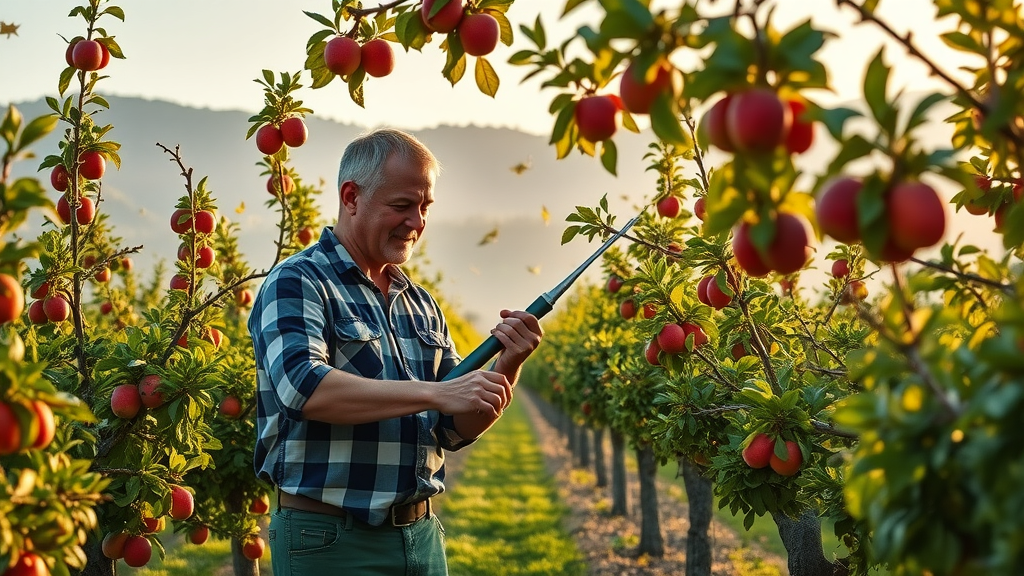
Fruit trees require specialized attention in summer. Pruning at the right moment can determine the number and quality of fruits produced. Green, leafy shading branches that emerge in spring are best managed by targeted summer pruning, which channels the tree’s resources into developing larger, sweeter, and more abundant fruits rather than unnecessary foliage. The result is a well-lit interior canopy, improved air flow, and reduced risk of flower bud drop or subsequent disease.
For apples, peaches, pears, and stone fruit, summer tree pruning prevents overcrowding and improves ripening. It’s also a vital time for correcting weak V-shaped crotches, raising branch heights for mowing or harvesting access, and removing water sprouts. This careful maintenance not only improves this year’s crop but boosts next season’s flower bud formation, securing healthy fruit sets for the following year.
Controlling Growth: How Summer Tree Pruning Curbs Excess Size
Unchecked, some tree species—especially fruit trees and fast-growing ornamentals—can rapidly outgrow their space, creating maintenance headaches and risking property safety. Summer tree pruning allows you to deliberately cut back overgrown limbs, curbing excessive canopy size before it gets out of hand. Unlike winter pruning, which encourages more vigorous regrowth, summer pruning suppresses the overactive shoot growth, creating a more compact and manageable shape.
A careful summer trim ensures trees redirect their energy away from unchecked vegetative expansion toward building healthier wood, stronger branches, and flower buds for the following season. This control makes your landscape more predictable, lessens the risk of encroachment on paths or buildings, and keeps lawns beneath trees from being over-shaded.
"Summer tree pruning empowers your landscape, enhances resistance to disease, and shapes future growth."
Timing is Everything: When Is the Best Time for Summer Tree Pruning?
One of the most frequently asked questions in tree care is about the time to prune . Summer tree pruning timing is critical: prune too early and you risk interrupting flower bud and fruit development; too late and you expose trees to late-summer heat stress. For most species, late June to early August is optimal—but always adjust to local climate and tree type. Strategic timing helps avoid pest attraction, especially for trees like oaks and elms that are vulnerable during peak summer months.
Matching pruning activities to tree species, climate, and growth stages not only improves healing after pruning cuts but minimizes disruption to essential biological processes, like bud formation and sugar storage. Consulting a certified arborist or local tree service can also help schedule tree pruning at the most effective and safe time of year for your landscape.
Understanding the Right Month for Summer Pruning for Tree Health
Selecting the right month for summer pruning ensures a tree’s health is prioritized. Most broadleaf and fruit trees respond best when pruned in late June or early July, after the spring flush but before the hottest temperatures arrive. By this time, leaves have fully developed, and flower and fruit set can be easily distinguished, making it simple to target unnecessary or problem branches without risking this season’s growth.
Pruning too early can cause excessive sap loss or force a secondary flush of new shoots, leading to weaker, more vulnerable growth. Conversely, pruning too late can leave trees stressed and susceptible to drought, heat, and disease as they prepare for dormancy.
Why Time to Prune Trees Differs by Species
Different species have unique needs when it comes to the time to prune . Oaks, for instance, are highly susceptible to fatal disease when cut in the summer and should only be pruned in dormant months. Stone fruit trees benefit from post-harvest cuts, while maples and birches often bleed sap if trimmed too early. Understanding the growth habits and vulnerabilities of each tree ensures you make the right choices for summer tree pruning .
Refer to the table below for species-specific timelines to maximize tree health, fruit yield, and structural integrity. Always err on the side of caution, especially with unfamiliar or high-value specimen trees—contacting a certified arborist is wise if you’re unsure.
| Tree Species | Best Pruning Month(s) | Special Notes |
|---|---|---|
| Apple & Pear (Fruit Tree) | Late June - Early July | Avoid after heavy fruit set; best after harvest for heavy thinning |
| Peach & Stone Fruits | July | Prune after fruit harvest for shape and disease control |
| Maple, Birch | Late July - Early August | Sap bleeding risk is lower when pruned later in summer |
| Oak Trees | Do NOT prune in summer | Risk of oak wilt and fatal disease; prune in dormancy only |
| Elm | Do NOT prune in summer | High risk of Dutch elm disease; prune in winter |
| Dogwood | Early Summer | Only light shaping, avoid major cuts as heat intensifies |
Step-by-Step Summer Tree Pruning Guide
Mastering the summer tree pruning process requires both the right preparation and the proper cutting technique. Let’s walk through the essential steps to ensure your pruning efforts promote strong, resilient, and beautiful trees all year long. Remember: the right start, the right cut, and the right finish.
Preparing Tools and Assessing Trees in Summer
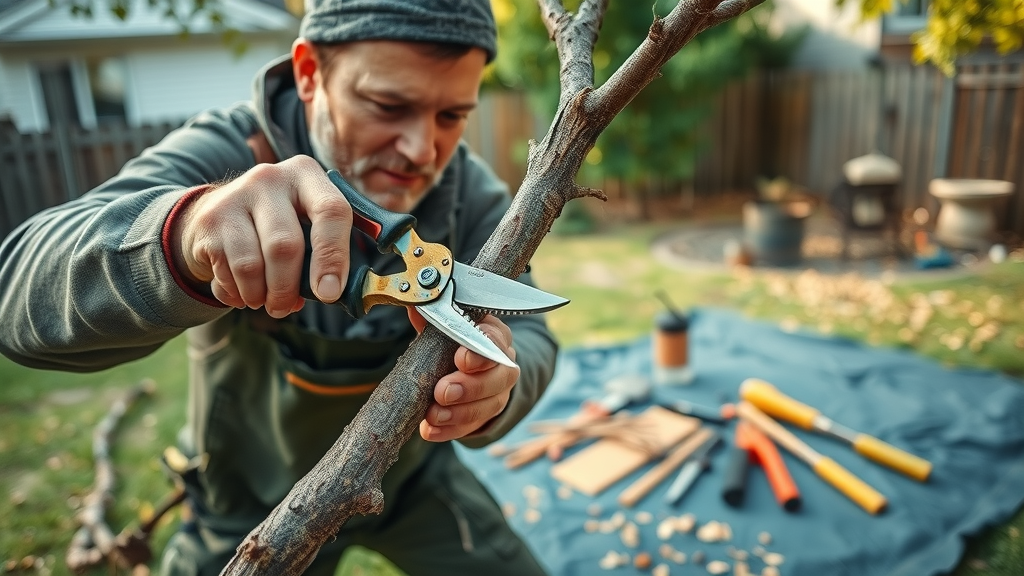
Before picking up your shears, examine each tree. Look for dead, broken, or crossing branches, as these are top candidates for removal. Ensure all tools—pruning saws, sharp bypass shears, and loppers—are cleaned and sharpened; dirty tools can spread disease between trees in summer, while dull blades cause ragged cuts that take longer to heal. Assess trees for nesting birds or bee activity before proceeding to avoid disruptions.
Focus on trees showing rapid summer growth or signs of minor structural issues. For fruit trees, examine new shoots and mark those casting deep shade on developing fruits or blocking light to the lower canopy. Safety tip: always use sturdy ladders and wear protective gear if working overhead, especially in larger shade trees or near power lines.
Structural Pruning Techniques: Shaping Strong Central Leaders and Vigorously Growing Branches
Encouraging a single, dominant central leader helps trees develop resilience against storms and heavy fruit loads. In summer, structural pruning targets vertical shoots competing with the leader and crossing branches that crowd the canopy. Remove only enough branches to improve airflow, minimize co-dominant stems, and favor evenly spaced scaffolds radiating out from the trunk at gentle angles.
For both ornamental and fruit trees , thin excess interior branches to create a light, open structure, which supports optimal healthy growth and quick wound closure. Avoid flush cuts—always prune just outside the branch collar for the cleanest healing. When working with young trees, summer is the prime opportunity to shape leaders and branches before wood hardens, meaning corrective actions are more successful with less impact on growth.
How to Prune Fruit Trees Without Causing Harm
Pruning fruit trees in summer is all about balance and restraint. Focus on removing water sprouts (vigorous upright shoots), crossing branches, and dense clusters near the interior. Always avoid drastic reductions or “lion-tailing” (stripping entire branches of growth), which leaves limbs vulnerable to sunburn and mechanical failure. A rule of thumb is to cut back no more than 20-25% of the canopy during summer work, and only after fruit set and harvest for many crops.
Sterilize your tools between each tree to prevent disease spread and examine every cut. Look for smooth surfaces that will heal quickly and avoid leaving stubs. For major branches over two inches in diameter, use a three-cut technique: an undercut, a main cut further out, then a finish just outside the branch collar. These best practices ensure even young trees are protected for next year’s strong, healthy crop.
- Do: Use sharp, sanitized tools and inspect for disease first.
- Don’t: Prune during extreme heat, drought, or right after a rainstorm.
- Do: Make cuts just outside the branch collar for optimal healing.
- Don’t: Remove major limbs from oaks, elms, or other disease-susceptible trees in summer.
- Do: Cut back water sprouts and weak branches to direct growth to productive areas.
- Don’t: Over-prune or leave large wounds exposed in intense heat.
Tree Pruning Mistakes to Avoid During Summer Tree Pruning
Even avid gardeners make missteps in summer tree pruning that can compromise tree health and landscape safety for years. To safeguard your trees, recognize and avoid the most common pitfalls: excessive trimming, topping, and working with sensitive species at the wrong time. By steering clear of these errors, you ensure every pruning cut strengthens rather than harms your valuable landscape.
Tree Topping: Why It Harms Trees in Summer
Though tempting as a quick fix for oversized or storm-damaged trees, tree topping is never recommended—especially in summer. Topping creates large, open wounds that leave trees susceptible to sunburn, disease entry, water loss, and epicormic growth (dense clusters of weak shoots). These shoots drain energy, decrease structural integrity, and increase the risk of future storm damage. Always favor selective thinning and reduction cuts instead of topping.
Professionals stress that tree topping not only ruins the natural form but can shorten a tree's lifespan by years or even decades. If a tree must be reduced due to safety concerns, consult a certified arborist to implement crown reduction or structural pruning rather than drastic topping.
Recognizing Which Trees Should Not Be Trimmed in Summer
Discerning which trees in summer should not be pruned is essential for tree safety and longevity. Oaks, elms, and certain ornamental species are highly susceptible to pathogens that are most active during warm months; summer pruning can inadvertently open pathways for fatal diseases like oak wilt or Dutch elm disease. The best practice is to leave these species untrimmed during summer and schedule care for mid-winter to early spring, minimizing the risk of infection and pest attraction.
Always research your specific tree's requirements or contact a local tree service before pruning. Some exceptions exist for hazardous or storm-damaged branches, but “when in doubt, wait it out”—or hire a professional to determine the safest timing and technique.
How Over-Pruning Can Stress Trees in Summer
Aggressive summer tree pruning can trigger sunscald, water stress, and decline, especially when more than a quarter of the canopy is removed in one go. Over-pruning exposes inner branches to intense sunlight and heat, leading to scorched bark, defoliation, or stunted regrowth. For fruit trees , excessive thinning can also diminish flower bud formation for next year’s crop, reducing both beauty and yield.
To keep your landscape healthy, adopt a careful, incremental approach. Prune a little at a time, monitoring for signs of wilt or shock over the following weeks. If uncertain, a certified arborist can outline an annual plan that gives your trees the care they need without undue risk.
Special Considerations for Pruning Fruit Trees and Ornamental Species
While many tree pruning principles apply universally, pruning fruit trees and ornamentals demands additional precision and nuance. Their growth patterns, flowering schedules, and susceptibility to disease require you to tailor your approach for best results.
Pruning Fruit Trees: Maximizing Next Season’s Crop
Proactive pruning fruit trees in summer enhances both this year's and next year’s harvest. By opening up the canopy and encouraging light penetration, you stimulate the formation of next season's flower buds, which directly translates into bigger and healthier crops. Remove water sprouts, diseased wood, and congested centers—always with a mind on long-term branch structure and access.
For apples, pears, peaches, and plums, remain especially attentive after fruit thinning but before the hottest spells of summer. Careful cuts minimize stress while maximizing carbohydrate reserves, key to both ripening fruit and prepping for vigorous new growth in spring.
Pruning Ornamental Trees in Summer: Techniques for Aesthetic and Health
For ornamental trees, summer is ideal for light shaping, removing spent blooms, and managing wayward growth. Because these trees are often prized for form, color, or bloom, avoid drastic reductions; focus instead on gentle, selective cuts to maintain a pleasing silhouette and prevent shading perennials or turf below. Remove any branches interfering with walkways or structures, and thin crowded interiors to reduce wind resistance during storm season.
Avoid pruning ornamental magnolias, dogwoods, and cherries during high summer heat, as their thin bark is prone to sunburn without leaf protection. For each species, research the best seasonal window and pruning intensity to keep your landscape vibrant and healthy year-round.
How Summer Tree Pruning Promotes Safety and Prevents Storm Damage
One of the key benefits of summer tree pruning is increased safety for your home and community. Strong storms are common in summer, and overgrown branches are the leading cause of property damage, power outages, and personal injury when winds strike. Pruning ahead of peak storm season is proactive tree care at its best.
By targeting heavy, horizontal limbs and removing dead or weak branches, you reinforce your tree’s structure against strong winds and heavy rains. A lighter, well-shaped canopy is more aerodynamic, reducing stress and breakage during rough weather.
Removing Hazardous Branches Before Storm Season
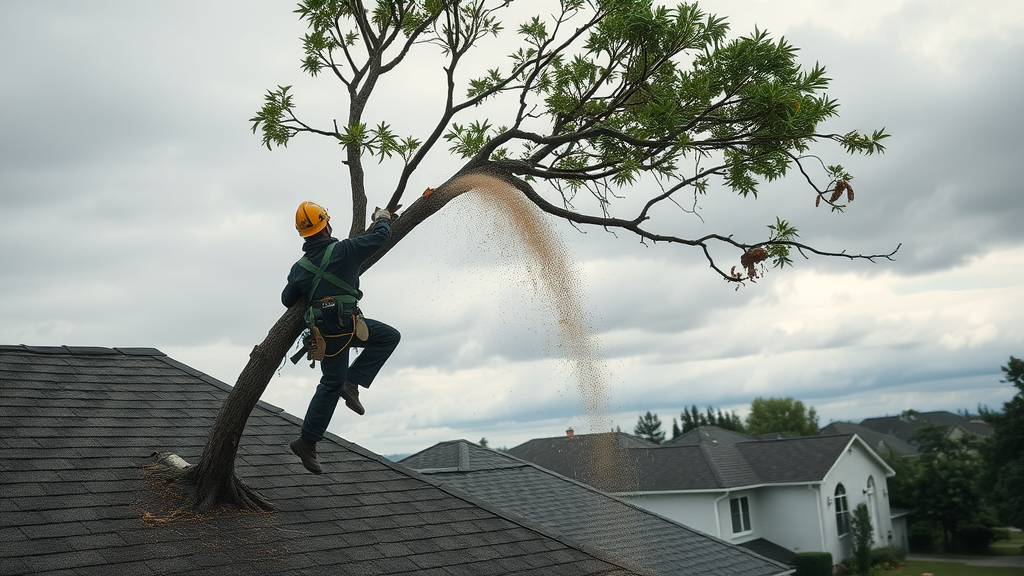
Focus your summer efforts on eliminating branches that overhang roofs, power lines, or sidewalks, particularly if they show signs of mechanical damage or disease. A certified arborist can identify subtle signs of branch weakness invisible to the untrained eye, ensuring every cut maximizes safety without sacrificing the health or beauty of your tree. Regular summer pruning reduces reliance on post-storm emergency tree service and gives peace of mind in advance of severe weather.
Cut Back Strategies for Dense Canopies
Dense tree canopies catch more wind and are more likely to shed limbs or suffer damage in storms. By cutting back select interior branches and thinning crowded growth, you open up the canopy to air movement, allowing gusts to pass through more easily. Aim for a balanced structure with no major clusters or weak forks—an approach that supports both safety and long-term tree health.
The best cut back strategies focus on evenly spacing scaffold branches, encouraging a strong central leader, and removing “danger zones”—branches with deep V-shaped crotches, included bark, or those leaning over buildings. Regular, small-scale summer pruning makes major storm prep easier and less invasive down the road.
Watch: Live Demonstration of Summer Tree Pruning Techniques
Environmental and Tree-Specific Factors for Effective Summer Pruning
No two trees—or environments—are exactly alike. Successful summer tree pruning means adjusting your techniques to the species at hand, magnifying benefits while minimizing risks unique to your microclimate or site conditions. The right timing and approaches in hot, dry, or humid summers keep trees thriving instead of surviving.
Assessing Tree Species and Local Climate Before You Prune
Start with a species inventory: know which species are drought-tolerant, which flower or fruit early, and which are most susceptible to disease in your area. Local rainfall, average summer highs, and even soil types impact the intensity and frequency of pruning needed. In regions with high humidity or rainfall, more aggressive thinning may be warranted to deter fungal issues; in drought-prone zones, opt for lighter, more gradual reductions.
Always adapt your approach to the climate and growth cycle—consulting with a certified arborist or extension office helps if you’re uncertain. Pruning what works in one region may stress or even kill the same species elsewhere.
Addressing Water Stress and Heat Risks During Summer Tree Pruning
Hot, dry spells pose unique challenges for pruning trees in summer . Any cuts magnify water loss through exposed tissue and can trigger wilting or branch dieback, especially in non-native or young trees. Schedule pruning for cooler days or early mornings, and ensure trees are well-irrigated both before and after pruning major branches.
If severe drought is forecast or the tree appears heat-stressed (leaf scorch, wilting), delay pruning until weather moderates. Mulching, watering, and minimizing canopy reduction are critical tree care steps after pruning cuts in mid-summer heat.
Expert Advice: Professional Strategies and Structural Pruning Insights
For complicated trees, safety concerns, or high-value specimens, hiring a certified arborist is the wise move. Experienced professionals provide a tree health assessment, identify disease risks, and execute advanced structural pruning techniques that the DIYer may overlook.
"The best time for summer tree pruning is always after considering both species and local weather patterns." – Arboriculture Expert
An arborist will spot subtle problems, develop multi-year training plans, and use professional tools for clean, rapid-healing cuts. They can also show you proper technique—such as crown raising, thinning, or subordination for co-dominant stems—ensuring your trees are beautiful, strong, and resilient. In case of unclear risk (like with large oak trees ), a professional tree service prevents costly or dangerous errors.
People Also Ask: Essential Summer Tree Pruning Questions Answered
Is it okay to prune a tree in the summer?
In many cases, summer tree pruning is not only okay but beneficial for certain species and goals. However, the approach should vary based on the tree type, health, and your objectives—always avoid pruning during extreme drought or heat.
What month is best for summer pruning?
Late June through early August is commonly considered ideal for summer tree pruning, but consult species-specific recommendations to optimize timing.
What trees should not be trimmed in summer?
Avoid trimming oaks, elms, and trees highly susceptible to disease during summer as this can attract pests or pathogens. Dormant season is usually safest for these.
What months should you not trim trees?
Avoid tree trimming in late fall and early spring when trees are stressed from weather extremes or budding. Late summer can also be risky for sensitive species.
Frequently Asked Questions: Clearing Up Misconceptions About Summer Tree Pruning
Does summer tree pruning stimulate new growth?
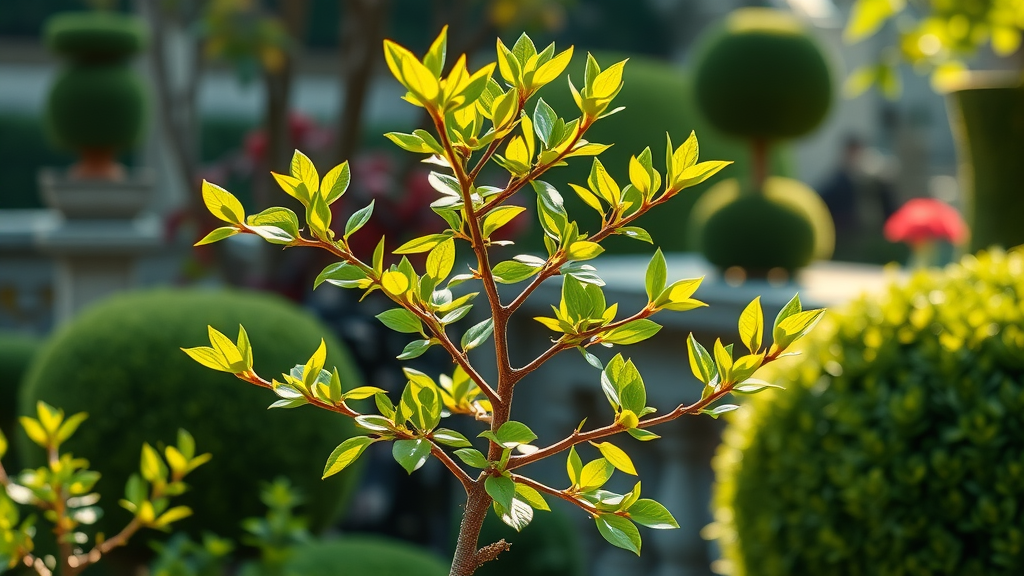
Pruning in early summer can encourage some new growth, especially of water sprouts or lateral branches, since the tree has active energy reserves. However, cuts made later in the summer usually suppress excessive new shoots, particularly when done after the seasonal flush has slowed. The exact response depends on the timing, amount removed, and tree species involved.
How much should you cut back when pruning trees in summer?
Limit removal to no more than 20-25% of the living canopy in one session, especially on mature or stressed trees. Too much pruning increases the risk of sunburn, water loss, and tree shock. Focus on thinning out problematic branches, deadwood, or water sprouts, while preserving the overall canopy's shade and structure.
Are there any risks to pruning trees in summer heat?
Yes, summer heat increases risks of sunscald, dehydration, delayed healing, and potential for pest invasion through fresh wounds. To mitigate, prune during milder parts of the day, water generously before and after, and minimize large branch removals unless absolutely necessary.
Visual Guide: Before and After Summer Tree Pruning (Gallery)
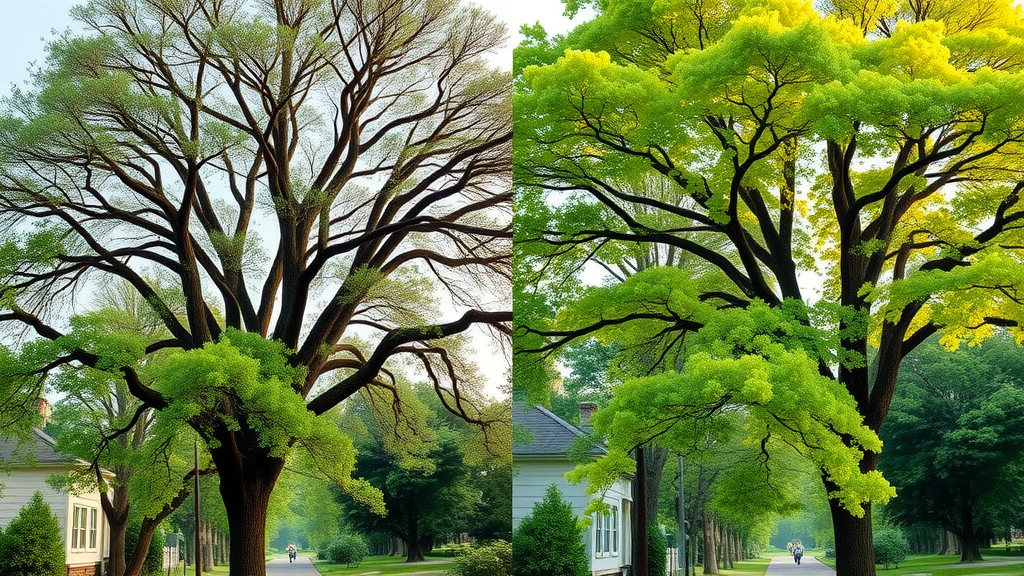
Explore our before-and-after gallery to see how strategic summer pruning transforms both fruit trees and ornamentals. Healthy, open canopies, vigorous new shoots, and improved tree form are the hallmarks of correct summer tree care.
Share Your Tree Care Experiences and Secure Personalized Advice
Every tree and every yard is unique. Share your summer tree pruning victories or questions in the comments. Unsure about your next step? Call 203-271-7991 for expert advice tailored to your tree species, local climate, and personal goals.
Summing Up the Essentials for Mastering Summer Tree Pruning
- Time your summer tree pruning based on species, climate, and goal
- Always use clean, sharp tools and assess for disease before each cut
- Prioritize safety, structure, and gradual canopy reduction
- Never prune oaks, elms, or disease-prone species in summer
- Seek professional advice if you're unsure—better safe than sorry!
Ready for Expert Help? Call 203-271-7991 Today for Tailored Tree Care Solutions
If you’re eager to expand your knowledge and take your tree care skills to the next level, consider exploring broader strategies that integrate seasonal pruning with holistic landscape management. By understanding the full spectrum of tree health—from soil nutrition to pest prevention and beyond—you can create a thriving, resilient outdoor space that endures year after year. For more advanced insights and a comprehensive look at how summer pruning fits into the bigger picture of tree vitality, don’t miss the in-depth guide on tree pruning in summer for healthier growth . Discover how a strategic approach today can yield stronger, more beautiful trees for seasons to come.
Pruning your trees during the summer months can significantly enhance their health, structure, and fruit production. For instance, the article “7 fruit trees to prune in August for a bigger, better harvest” provides expert advice on pruning techniques for various fruit trees, emphasizing the importance of timing and method to improve yield and tree vitality. ( homesandgardens.com )
Additionally, “How & When To Prune Ornamental Cherry Trees, According To Experts” offers detailed guidance on maintaining the aesthetic appeal and health of ornamental cherry trees through proper summer pruning practices. ( gardeningknowhow.com )
By incorporating these expert insights into your summer tree care routine, you can ensure your trees remain robust, productive, and visually pleasing throughout the season.



Write A Comment