





Tree Guardian News
Tree Guardian News
  • Home
  • Categories
    • Storm Damage & Prevention
    • Tree Care Tips & Landscaping
    • Tree Disease Identification & Treatment
    • Insurance Intel
    • DIY Tree Care & Safety
    • Sustainable Tree Care & Eco Solutions
    • Professional Tree Services
    • Arborist Stories
    • Latest News
    • Industry Insights
Join the Arborist Forum 
August 18.2025
1 Minute Read

Tree Health and Summer Pruning: What You Need to Know

Do you know which summer pruning practices actually help your tree—and which put its future at risk? When the heat is on, your trees are in their most active season. Understanding tree health and summer pruning gives you the power to nurture thriving, resilient trees—and a landscape that wows year-round. Dive in to learn the critical, often-overlooked truths behind summer tree care and take your yard's health and beauty to new heights.

Why Tree Health and Summer Pruning Matters: What Most Homeowners Overlook

  • Discover why tree health and summer pruning are critical for vibrant yards and landscapes.
  • Summer pruning impacts tree health, appearance, and longevity—even when conventional wisdom says it's risky.

Maintaining tree health and summer pruning isn't just cosmetic—it's strategic. Many homeowners assume all pruning should be done during the dormant season, but summer presents special opportunities and risks. Pruning trees in the summer can effectively target unwanted growth, improve sunlight penetration, and enhance air circulation, all of which contribute to overall tree health . Ignoring these key summer techniques may cause your yard to suffer, with trees that appear lackluster or, worse, face long-term health issues.

Another aspect often overlooked is the impact of summer pruning on disease management. Removing diseased, dying, or pest-infested limbs during the active growing period can prevent spread throughout the tree and neighboring specimens. Yet, it demands careful timing and skilled judgment—too much or ill-timed cuts can stress trees in the heat, potentially shortening their lifespan. A vibrant, healthy landscape starts with understanding why strategic summer pruning matters more than most realize.
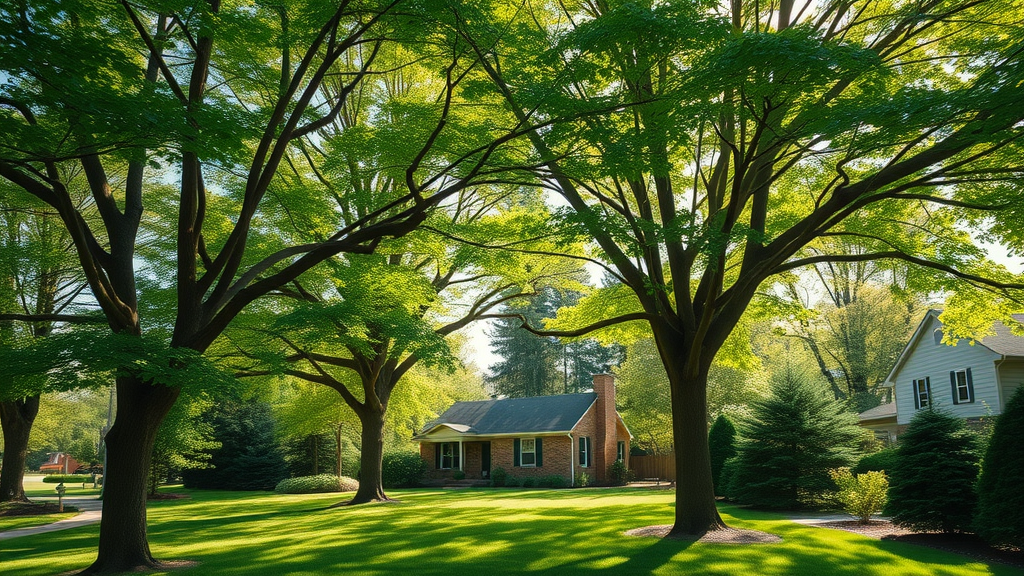
tree health and summer pruning in lush healthy backyard trees with sunlit canopies

Essential Elements of Tree Health and Summer Pruning

Understanding Tree Health for Trees in the Summer

During the intense sunlight and soaring temperatures of summer, trees in summer face accelerated growth as well as potential stressors like drought, heat, and pest invasion. Optimizing tree health relies on supporting their vital processes: efficient photosynthesis, robust nutrient transport, and stable moisture retention. Healthy trees boast resilient canopies, strong branch structures, and natural defenses against disease.

It’s critical to monitor for signs of distress, including wilting leaves, scorched leaf edges, or sudden leaf drop. These symptoms can signal insufficient water, heat stress, or underlying disease. In addition, summer’s rapid growth can cause a surge in suckers or water sprouts—vigorous, non-productive shoots that drain energy from the tree without contributing to its structure or fruit. Recognizing and addressing these issues quickly forms the backbone of effective tree care in summer.

Benefits and Risks of Summer Pruning for Fruit Tree and Ornamental Varieties

Summer pruning offers robust benefits, especially for fruit trees and ornamental varieties. By thinning out crowded branches and removing excess new growth, you boost airflow and allow more sunlight to reach remaining leaves and fruit, enhancing both tree vitality and fruit quality. For fruit trees like apple and peach trees, targeted pruning in summer can reduce the formation of weak limbs, promote larger fruits, and help maintain manageable tree sizes for harvest.

However, pruning in the summer comes with risks—chief among them is the potential for stress when trees are actively growing and exposed to heat. Removing too much leaf area interrupts photosynthesis and weakens the tree. Additionally, some species become more vulnerable to pests and disease if pruned during this period. Balancing these risks with proper technique and timing is crucial. Homeowners must identify which tree limb to remove, how much to prune, and ensure the cuts are clean to prevent pathogen entry.

Comparing Summer Pruning vs. Dormant Season Pruning: Outcomes for Tree Care
Aspect Summer Pruning Dormant Season Pruning
Growth Regulation Reduces vigor and size, controls excess growth Stimulates strong spring growth, shapes structure
Disease Control Removes diseased limbs quickly, manages pests actively Less risk of disease spread, easier to assess tree shape
Healing Response Fast wound closure due to active sap flow Slower wound healing, less energy for recovery
Risk of Stress Higher if over-pruned or during severe heat Lower, as trees are dormant and less prone to shock
Best For Controlling size, thinning fruit, immediate hazard control Major shaping, structural correction, rejuvenation

Tree Pruning and Trimming: Best Practices in the Summer Months

Proper tree pruning and tree trimming enhance your landscape’s appearance while safeguarding tree longevity. During the warmer months, best practices center around making small, incremental cuts—never removing more than 10-15% of the canopy at once. Focus on removing broken, diseased, or crossing branches, as well as excess water sprouts or suckers.

Ensure all pruning and trimming tools are sharp and clean to prevent disease transmission. Prune branches just outside the branch collar (the swollen area at the base), maintaining the tree’s natural shape and enabling rapid healing. Always avoid topping (cutting the ends off many branches), as it promotes weak regrowth and can trigger significant health problems. For optimal results, time your work for cool, overcast days to minimize water loss and plant stress. When in doubt, consult a certified arborist for expert advice on tree care .

"Proper summer pruning can energize your trees, reduce unwanted growth, and enhance fruit tree productivity." – Arborist Expert
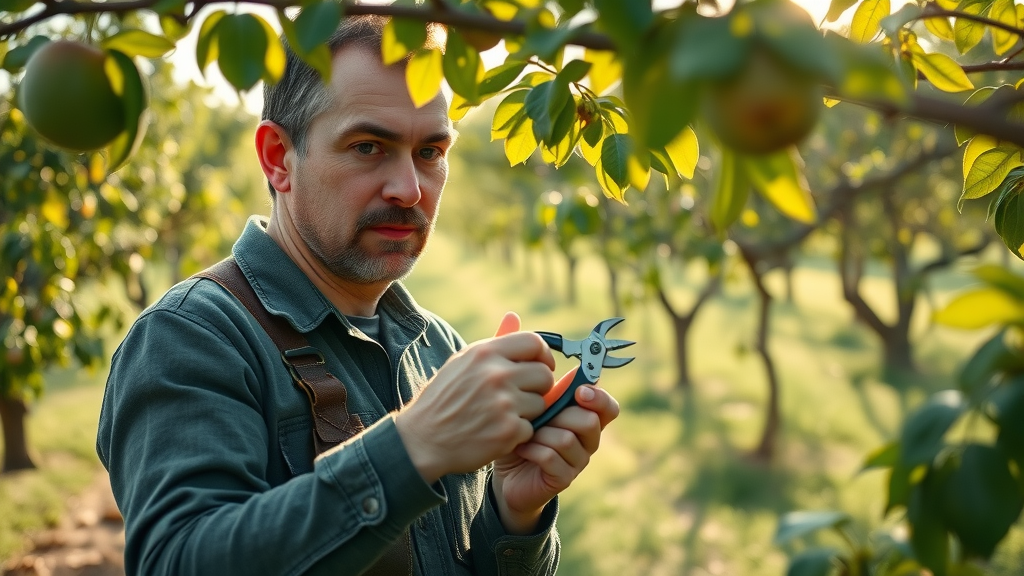
certified arborist conducting summer tree pruning on fruit trees

Key Techniques for Tree Health and Summer Pruning

How to Prune Trees and Tree Limbs Safely During Summer

Safety is paramount when pruning trees in summer. Before you begin, ensure you have the right gear: gloves, protective eyewear, sturdy shoes, and a ladder for higher branches (never prune near overhead power lines). Examine each tree limb you plan to cut and assess whether it’s diseased, dead, damaged, or growing inward or downward. Limit pruning to branches less than two inches in diameter unless necessary for safety, as large wounds are more susceptible to stress and infection during hot weather.

Use proper technique by making clean, angled cuts to promote rapid healing. Always cut just beyond the branch collar to encourage callusing and prevent decay. After each cut, inspect the tree for balance—avoid over-thinning, which leaves the canopy too open to sunscald. For young trees, prioritize the removal of weak or duplicate leaders, ensuring a strong central trunk that will support healthy future growth. Remember, less is more during summer pruning to minimize stress and maximize tree health.

  • Step-by-Step Guide: Pruning Tree Branches for Optimal Tree Health in Summer
    1. Inspect the tree for overall health and identify target branches.
    2. Disinfect pruning tools before each use.
    3. Remove dead, broken, or diseased limbs first.
    4. Thin out suckers and water sprouts for better airflow.
    5. Make precise, angled cuts just outside the branch collar.
    6. Step back frequently to evaluate canopy balance.
    7. Limit removal to no more than 10-15% of foliage.
    8. Dispose of pruned material away from healthy trees to prevent disease spread.
    9. Water the tree well post-pruning if weather is dry.

Selecting the Right Time for Tree Pruning and Tree Trimming

Choosing the right time for pruning and trimming is critical for both fruit trees and shade trees. The ideal window for summer tree pruning is typically after the new spring growth has hardened off but before severe heat or drought set in—often mid to late summer. Avoid pruning during scorching midday heat, as cuts are slower to heal and trees lose additional moisture under intense sun.

Weather, species, and the specific reason for pruning all play a role in timing. Dormant season pruning is best for major structural work, but summer is perfect for maintenance: thinning dense canopies, correcting shape, and removing hazards. Always consider the flowering and fruiting cycles of your trees—some species set next year’s flower buds late summer, so late pruning can mean a lost bloom or fruit season. Consulting local tree care guidelines ensures your timing complements your trees’ natural growth rhythms.

Demonstration: Best Practices for Pruning Trees in Summer (video not embedded in text version)
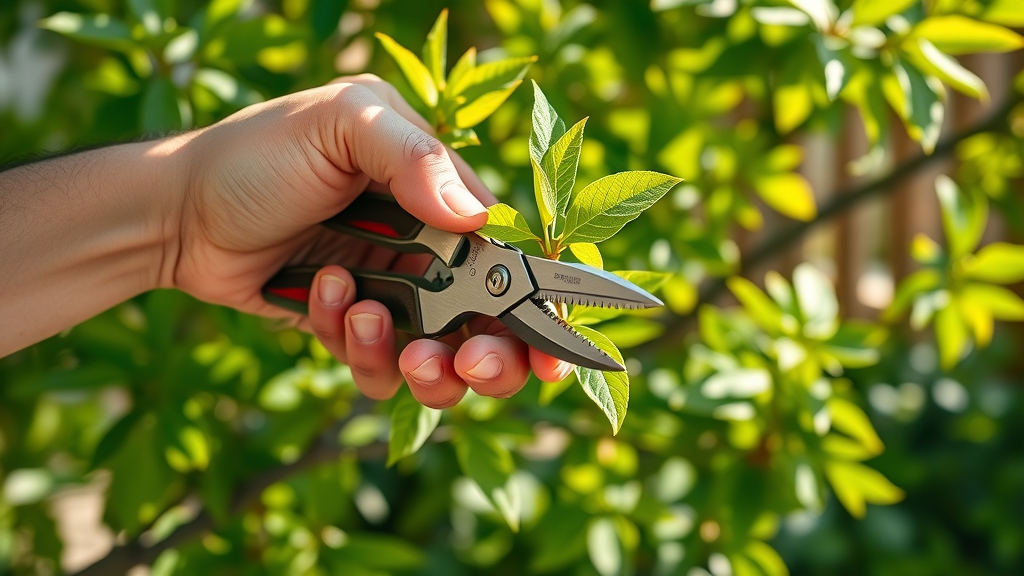
summer tree pruning with clean pruning shears for optimal tree health

Species-Specific Approaches to Tree Health and Summer Pruning

Handling Fruit Trees and Deciduous Trees in the Summer

Fruit trees and deciduous trees benefit uniquely from thoughtful summer pruning. For species like apple, pear, and peach trees, removing excessive new growth in summer directs the tree’s energy into ripening existing fruit and strengthens body structure for better yields. Thin out horizontal and vertical water sprouts, as well as overcrowded limbs, to increase sunlight and air around developing fruits—key for preventing fungal disease and ensuring large, flavorful harvests.

Deciduous trees, such as maples and birches, respond well to minor summer thinning to maintain shape and remove damaged limbs. However, leave major structural cuts for the dormant season to avoid excessive sap loss and to reduce risk of disease. Always make sure your cuts are clean and minimize injury. If in doubt, a certified arborist will ensure your work supports both tree health and aesthetic goals.

Which Trees Shouldn’t Be Trimmed in Summer and Why

While summer pruning offers benefits, certain species should be avoided due to vulnerability to pests or disease. Oaks are at high risk of contracting oak wilt when pruned in summer, as are elms , susceptible to Dutch elm disease. Magnolias are also prone to healing issues and pest attacks with summer pruning. For these trees, stick to winter or early spring, when pest activity is minimal and tree response is less vigorous.

Furthermore, avoid heavy pruning of blooming trees that set flower buds in late summer or fall, lest you sacrifice next year’s blossoms. A tree service professional can help identify species-specific risks and develop a pruning plan tailored to your landscape and the unique growing season challenges in your region.

  • Common Mistakes in Pruning Trees in Summer and How to Avoid Them
    • Over-pruning, which stresses trees and exposes them to sunscald
    • Making flush cuts, leading to delayed healing and decay
    • Leaving stubs, which invite pests and disease
    • Pruning at midday or during heat waves, slowing recovery
    • Failing to disinfect tools between cuts, spreading pathogens
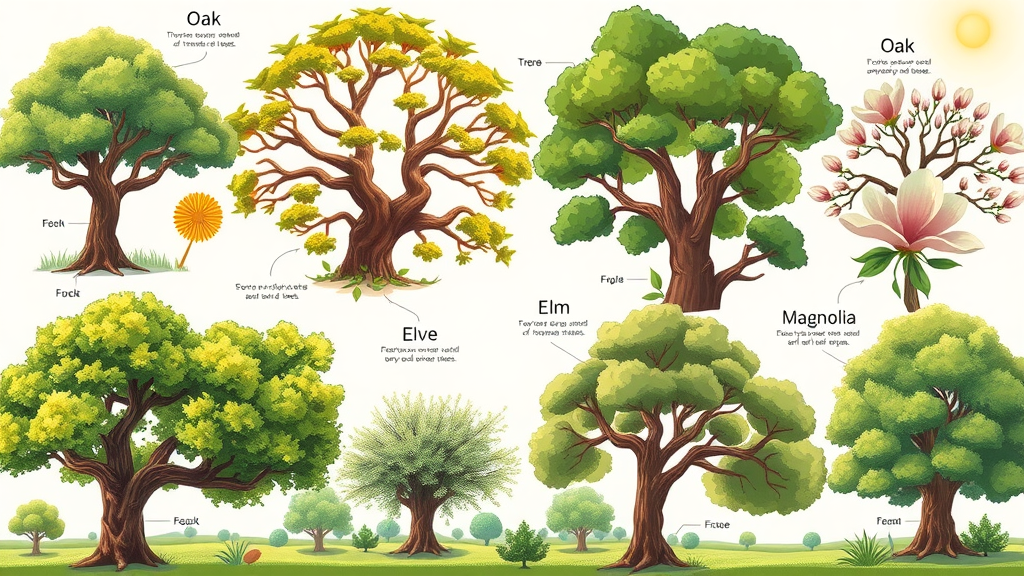
informative illustration of oak, elm, magnolia trees with species-specific summer pruning guidance

Protecting Tree Health: The Role of Tree Service and Tree Limb Management

When to Consider Tree Removal Versus Pruning in the Summer

Sometimes, a tree limb or an entire tree poses a hazard that can’t be resolved with pruning alone. Large, dead, or structurally compromised limbs hanging over property, driveways, or play areas should be addressed immediately, often necessitating professional tree removal for safety. Summer storms can reveal hidden weaknesses; if you spot vertical cracks, root upheaval, or leaning trunks, consult a tree service expert to assess the risks.

Generally, if over 50% of a tree’s canopy is dead or it has extensive trunk damage, removal may be the safest choice. For less severe issues, targeted summer pruning and trimming can restore shape and health, letting the tree focus its energy on new growth. Always weigh the cost, safety risk, and impact on your landscape when deciding between removal and restorative care.

How Tree Trimming Services Can Support Tree Health in Summer

Engaging a professional tree service during the summer months delivers both expertise and efficiency. Certified arborists understand regional pests, diseases, and optimal pruning windows for every species. A reputable tree trimming crew has the tools and training to access tall limbs safely, remove hazardous branches, and make cuts that protect your tree’s natural healing ability.

Regular maintenance from a tree care specialist ensures early detection of problems and timely intervention. Investing in trained tree care professionals not only safeguards your property but also extends the life, health, and beauty of your trees, even during the hottest growing season. If you’re unsure about any aspect of pruning, contact us today for support tailored to your unique landscape.

Spotlight: Tree Care Professionals Demonstrate Summer Tree Pruning (video not embedded in text version)

People Also Ask: Expert Answers on Tree Health and Summer Pruning

Is it okay to trim tree branches in the summer?

  • Yes, it is okay to trim tree branches in the summer for most species, especially to remove damaged or diseased limbs, but avoid excessive cutting which could stress the tree.

What is the 123 rule of pruning?

  • The 123 rule of pruning refers to making three targeted cuts to safely remove large branches, minimizing bark tearing and promoting tree health.

What trees should not be trimmed in summer?

  • Trees such as oak, elm, or magnolia should not be trimmed in summer due to increased vulnerability to disease and pests.

What months should you not trim trees?

  • Typically, late spring to early summer is not ideal for major pruning as trees are storing energy for growth; timing depends on species and regional climate.

Common Myths and Facts about Tree Health and Summer Pruning

"Not all trees respond the same to summer pruning—knowing your tree's needs is fundamental to success." – Tree Care Specialist

A prevailing myth claims that summer pruning always harms trees. In fact, with the proper approach, many benefit through size regulation, reduced disease, and improved airflow. Another misconception is that pruning always stimulates growth—in truth, summer cuts tend to limit excess vigor and produce a more compact, balanced canopy.

Additionally, while dormant season pruning is ideal for heavy reshaping or removal of large branches, many issues—dying limbs, pest outbreaks, or overgrown suckers—are best handled in the growing season for immediate impact. The key is understanding your specific species, local climate, and tree health. Empower yourself with accurate information or expert guidance from a certified arborist to avoid pitfalls.

tree health and summer pruning review by expert arborist on ladder in suburban street

Key Considerations: Maintaining Tree Health and Summer Pruning

Understanding Tree Growth Cycles Before You Prune Trees

Tree health depends on syncing pruning schedules with natural tree growth cycles . Most temperate-zone trees have a major flush of growth in spring, followed by a settling period in early summer. Pruning immediately after this spring surge allows you to remove excessive growth without encouraging more. For flowering and fruiting species, summer trimming typically preserves flower buds and directs nutrients toward fruit development, not new leaves.

Conversely, heavy pruning during spring growth or bud formation can deprive trees of the resources needed for survival, making post-growth the best window. Pay attention to your tree’s signals—like slowing shoot expansion or firming leaves—as indicators it’s safe to proceed. Understanding these cycles is critical for both safety and success in summer tree care.

How to Identify Signs of Stress or Damage After Summer Pruning

Observe trimmed trees carefully for evidence of stress in the weeks following summer pruning. Early signs include wilting, yellowing leaves, extensive leaf drop, wilting branches, or oozing sap. These might indicate over-pruning, pest infestation, or water deficiency. For young trees , the impact can be more severe, demanding prompt attention if symptoms are spotted.

In addition, monitor cuts for dark discoloration or soft, spongy wood, which could suggest decay or pathogen entry. Promptly remove and dispose of any suspect limbs, and apply additional water during particularly hot spells. Proactive observation ensures prompt intervention, limiting long-term harm while maintaining tree health throughout the season.

  • Checklist: Post-Pruning Tree Care for Summer Success
    • Water deeply and regularly after trimming
    • Inspect wounds for signs of infection or decay
    • Apply mulch around the base to retain soil moisture
    • Keep lawn equipment away from root zones
    • Monitor for pests and fungal growth
    • Consult a tree care or tree service expert for significant concerns

Best Resources and Tools for Effective Tree Health and Summer Pruning

Selecting the Right Tools for Summer Pruning and Trimming

The right equipment makes pruning and trimming both safer and more effective. Choose bypass pruners for crisp, clean cuts on live wood, loppers for mid-size branches, and a pruning saw for larger limbs. Always use tools with sharp, stainless blades—dull or rusty edges tear bark and increase the risk of disease. For high growth, a telescoping pole pruner keeps your feet on the ground, reducing ladder risks.

Before each session, clean and disinfect tool blades with rubbing alcohol or a bleach solution to prevent spreading disease between trees. Maintenance not only prolongs tool life but also ensures cuts heal swiftly and cleanly. Invest in quality equipment specifically designed for tree work, as cheap alternatives may slip or break, posing safety hazards. Professional tree service providers use industry-approved tools and can offer advice for homeowners seeking to build their own reliable toolkit.

  • Top Recommended Pruning Tools for Healthy Trees
    • Bypass hand pruners for small branches
    • Long-handled loppers for thick stems and hard-to-reach spots
    • Pruning saw for tough, woody growth
    • Telescoping pole pruner for higher branches
    • Protective gloves and safety glasses
    • Tool disinfectant or sterilizer

Tool Review: Choosing the Best Pruning Equipment for Summer (video not embedded in text version)
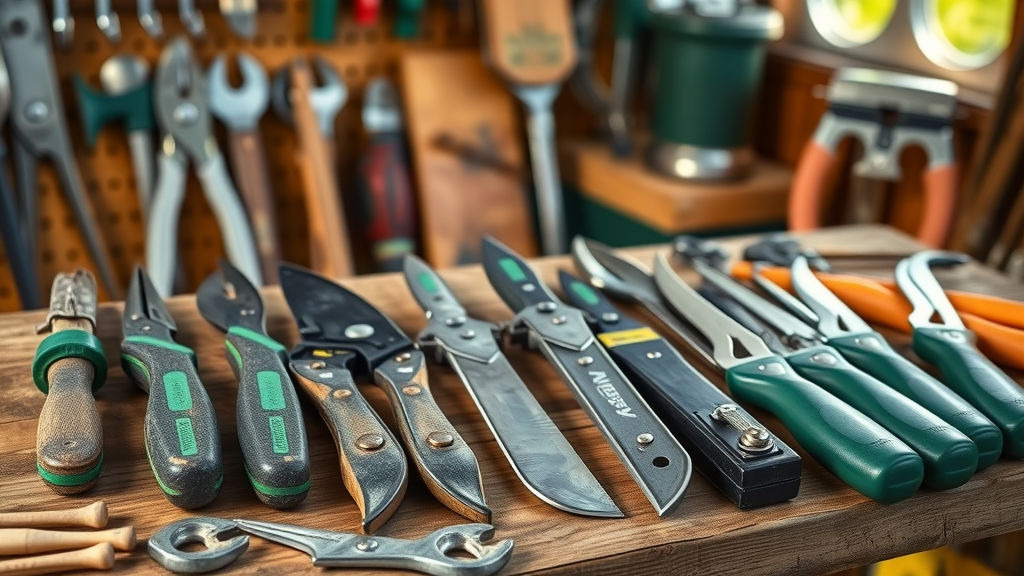
tree care tools for effective summer pruning and trimming displayed on wooden workbench

Frequently Asked Questions About Tree Health and Summer Pruning

  • Get quick answers to common queries about pruning, maintenance, timing, and tree care best practices.

Share Your Tree Care Journey: Expert Guidance at 203-271-7991

Ready to elevate your landscape or have a tree care challenge? Share your insights or questions about tree health and summer pruning —call 203-271-7991 to connect with a qualified expert and ensure your trees thrive year-round!

Conclusion

Actively monitor tree growth, use the right techniques and tools, and consult a certified arborist when unsure. Proactive, informed care is your best path to thriving trees and a vibrant landscape.

To further enhance your understanding of tree health and summer pruning, consider exploring the following resources:

  • “Summer Pruning Do’s and Don’ts: Maintaining Tree Health and Shape” ( utahtreeco.com )

This article provides practical advice on selective pruning techniques, emphasizing the importance of removing dead or diseased branches to promote tree vitality.

  • “Can You Prune or Cut Tree Limbs in Summer?” ( blog.davey.com )

This resource discusses the benefits and precautions of summer pruning, including how to minimize stress on trees during the hotter months.

By consulting these resources, you can gain a more comprehensive understanding of effective summer pruning practices to maintain healthy and resilient trees.

Latest News

19 Views

Write A Comment

*
*
Please complete the captcha to submit your comment.
Related Posts All Posts
07.10.2026

How Often Should Trees Be Pruned? A Complete Guide for Tree Care

Learn how often trees should be pruned, the benefits of regular pruning, and essential tips for tree care.

07.10.2026

Why Homeowners Should Be Aware of Trees and Lawn Mowers

Update The Dangers of Lawn Mowers Near Trees Maintaining a beautiful lawn can be quite the task for homeowners, especially during the weekends when lawn care activities come into play. However, have you ever considered how damaging lawn mowers can be to the trees that grace your yard? Trees not only provide shade and beauty but also improve air quality. Hence, protecting them is essential. Understanding Tree Health and Lawn Care Tree health is often compromised when lawn mowers come too close. Any accidental brush against a tree trunk can lead to bark damage. This exposes the tree to pests and diseases. Over time, these injuries can hinder growth, making it difficult for trees to thrive. It's essential to recognize that a lawn mower is not just a tool for cutting grass; it can significantly affect your landscape's ecosystem. Setting Up Safe Boundaries The best way to safeguard your trees from lawn mower damage is to establish designated areas for each. When mowing, create a safe distance around trees that your mower will not trespass. A general rule of thumb is to maintain a radius of about 3 feet around the base of each tree. This defensive zone not only protects the tree’s trunk from being scuffed but also allows you to use mulch or grass clippings that can further nourish the tree. Creating a Tree-Friendly Lawn Environmental experts recommend incorporating a variety of plants around trees to create a safe landscape. Native plants, which are adapted to the local environment, thrive well and require less maintenance. They can form a protective green barrier that cushions trees against accidental mower contact. Moreover, growing ground covers can significantly limit the need for mower operation near trees while enhancing soil quality. The Importance of Mulching Mulching can be incredibly beneficial for tree health. By applying organic mulch around the base of trees, you can improve moisture retention and prevent weed growth that would otherwise require mowing. Choose materials such as wood chips or shredded bark as mulch to keep your trees healthy. Plus, mulching helps regulate soil temperature and provides nutrients as it breaks down over time. Tools and Techniques for Safe Mowing Investing in lawn mowing techniques and tools designed to protect trees is an excellent idea. For instance, using a trimmer with a protective guard can help you reach areas near tree bases without risk of damage. Staying aware and cautious while mowing your lawn is key. Practicing slow and steady movements near tree lines helps avoid unexpected mishaps. Understanding the Risks of Equipment Damage Besides physical damage to trees, lawn mowers can also be affected by the landscape. Running over roots or rocks hidden beneath grass can cause mower blades to dull or even break. This means more maintenance for you and potential costly repairs. Take time to survey your yard before mowing; this consideration will prolong the life of both your trees and your lawn care equipment. Conclusion: Creating a Sustainable Landscape Protecting your trees from lawn mowers is vital not only for their health but for the overall ecosystem of your yard. By practicing careful mowing techniques, establishing boundaries, and promoting plant diversity, you are on your way to creating a sustainable, beautiful landscape that can be enjoyed for years to come.

07.03.2026

Oak Wilt Prevention: Essential Strategies for Protecting Oaks at Eagle Mountain Lake

Update The Importance of Oak Wilt Prevention in Eagle Mountain Lake At Eagle Mountain Lake, Texas, a dedicated team of arborists is safeguarding approximately ninety mature Southern Live Oaks and Red Oaks as part of a vital Oak Wilt prevention program. This initiative highlights the crucial role of preventative plant healthcare in North Texas, particularly in an area surrounded by one of the largest oak wilt footprints in the state. By establishing a routine treatment schedule, these trees stand a greater chance of surviving this pervasive disease. Understanding Oak Wilt: A Threat to Healthy Oaks Oak Wilt, caused by the fungal pathogen Bretziella fagacearum, poses a significant threat to oak populations, with its effects not immediately visible. The disease infiltrates the tree's vascular system, specifically the xylem, which is crucial for transporting water and nutrients. As the fungus spreads, the tree attempts to defend itself, leading to a decline in water movement that causes characteristic symptoms such as wilting leaves and canopy decline. Why Southern Live Oaks Are Particularly Vulnerable One of the primary reasons Southern Live Oaks are at high risk of Oak Wilt is their unique root structure. These trees often form interconnected root systems, allowing for the transfer of water and nutrients. However, this characteristic also facilitates the rapid spread of the fungus from one infected tree to others, making early intervention essential. Preventative Measures That Make a Difference Preventative care is critical in stopping the spread of Oak Wilt. Treatments such as Low-Volume Macro Infusion with Alamo fungicide help protect these trees before symptoms appear. This proactive approach is crucial as it allows for maintaining the health of the surrounding ecosystem. The standard recommendation is a two-year treatment cycle, ensuring that healthy trees remain unaffected by the disease. The Role of Insects in Oak Wilt Spread In addition to root graft transmission, the Oak Wilt fungus can also be introduced to healthy trees through insect activity. Nitidulid sap beetles, attracted to fresh wounds on oak trees, play a key role in this process. Proper tree management—including timely pruning and sealing fresh cuts—can prevent the introduction of this dangerous fungus. Learn to Recognize the Signs Recognizing the signs of oak wilt can be challenging, especially for homeowners. Early symptoms usually include yellowing leaves and canopy decline, but they can often be mistaken for other tree health issues. Understanding these signs and knowing when to contact an arborist can make the difference between saving a tree and losing it to this destructive disease. By maintaining vigilance and committing to a consistent, science-based plant healthcare program, property owners can play a significant role in combating the spread of Oak Wilt. Regular inspections, along with a proactive treatment approach, are pivotal in preserving the majestic oak trees that contribute so greatly to our environment.

Green Space News

Homeowners & Businesses concerned about tree and landscape care, safety issues from storms, old or diseased trees, structural damage risks, and insurance implications.

Green Space News is a subsidiary of RP Design Web Services.

COMPANY

  • Privacy Policy
  • Terms of Use
  • Advertise
  • Contact Us
  • Menu 5
  • Menu 6

AVAILABLE FROM 8AM - 5PM

Cheshire,CT

POBox 1189

ABOUT US

Green Space News is your go-to media hub for cutting-edge strategies to maintain a safe and vibrant environment. We are committed to protecting your property and family by providing proactive tree hazard prevention and awareness. Our platform  empower communities to safeguard their surroundings and enjoy healthier, more resilient landscapes.

© 2026 RP Design Web Services All Rights Reserved. P.O. Box 1189, Cheshire, CT 06410 . Contact Us . Terms of Service . Privacy Policy

eyJjb21wYW55IjoiUlAgRGVzaWduIFdlYiBTZXJ2aWNlcyIsImFkZHJlc3MiOiJQLk8uIEJveCAxMTg5IiwiY2l0eSI6IkNoZXNoaXJlIiwic3RhdGUiOiJDVCIsInppcCI6IjA2NDEwIiwiZW1haWwiOiJyb2JlcnRAcnBkZXNpZ24uY29tIiwidG9zIjoiUEhBK1BITjBjbTl1Wno0OFpXMCtWMmhsYmlCNWIzVWdjMmxuYmkxcGJpQjNhWFJvSUhWekxDQjViM1VnWVhKbElHZHBkbWx1WnladVluTndPeUI1YjNWeUlIQmxjbTFwYzNOcGIyNGdZVzVrSUdOdmJuTmxiblFnZEc4Z2MyVnVaQ0I1YjNVZ1pXMWhhV3dnWVc1a0wyOXlJRk5OVXlCMFpYaDBJRzFsYzNOaFoyVnpMaUJDZVNCamFHVmphMmx1WnlCMGFHVWdWR1Z5YlhNZ1lXNWtJRU52Ym1ScGRHbHZibk1nWW05NElHRnVaQ0JpZVNCemFXZHVhVzVuSUdsdUlIbHZkU0JoZFhSdmJXRjBhV05oYkd4NUlHTnZibVpwY20wZ2RHaGhkQ0I1YjNVZ1lXTmpaWEIwSUdGc2JDQjBaWEp0Y3lCcGJpQjBhR2x6SUdGbmNtVmxiV1Z1ZEM0OEwyVnRQand2YzNSeWIyNW5Qand2Y0Q0S0NqeHdQanhoSUdoeVpXWTlJbWgwZEhBNkx5OTNkM2N1WjI5dloyeGxMbU52YlNJK2FIUjBjRG92TDNkM2R5NW5iMjluYkdVdVkyOXRQQzloUGp3dmNENEtDanh3UGladVluTndPend2Y0Q0S0NqeHdQanh6ZEhKdmJtYytVMFZTVmtsRFJUd3ZjM1J5YjI1blBqd3ZjRDRLQ2p4d1BsZGxJSEJ5YjNacFpHVWdZU0J6WlhKMmFXTmxJSFJvWVhRZ1kzVnljbVZ1ZEd4NUlHRnNiRzkzY3lCNWIzVWdkRzhnY21WalpXbDJaU0J5WlhGMVpYTjBjeUJtYjNJZ1ptVmxaR0poWTJzc0lHTnZiWEJoYm5rZ2FXNW1iM0p0WVhScGIyNHNJSEJ5YjIxdmRHbHZibUZzSUdsdVptOXliV0YwYVc5dUxDQmpiMjF3WVc1NUlHRnNaWEowY3l3Z1kyOTFjRzl1Y3l3Z1pHbHpZMjkxYm5SeklHRnVaQ0J2ZEdobGNpQnViM1JwWm1sallYUnBiMjV6SUhSdklIbHZkWElnWlcxaGFXd2dZV1JrY21WemN5QmhibVF2YjNJZ1kyVnNiSFZzWVhJZ2NHaHZibVVnYjNJZ1pHVjJhV05sTGlCWmIzVWdkVzVrWlhKemRHRnVaQ0JoYm1RZ1lXZHlaV1VnZEdoaGRDQjBhR1VnVTJWeWRtbGpaU0JwY3lCd2NtOTJhV1JsWkNBbWNYVnZkRHRCVXkxSlV5WnhkVzkwT3lCaGJtUWdkR2hoZENCM1pTQmhjM04xYldVZ2JtOGdjbVZ6Y0c5dWMybGlhV3hwZEhrZ1ptOXlJSFJvWlNCMGFXMWxiR2x1WlhOekxDQmtaV3hsZEdsdmJpd2diV2x6TFdSbGJHbDJaWEo1SUc5eUlHWmhhV3gxY21VZ2RHOGdjM1J2Y21VZ1lXNTVJSFZ6WlhJZ1kyOXRiWFZ1YVdOaGRHbHZibk1nYjNJZ2NHVnljMjl1WVd4cGVtRjBhVzl1SUhObGRIUnBibWR6TGp3dmNENEtDanh3UGxsdmRTQmhjbVVnY21WemNHOXVjMmxpYkdVZ1ptOXlJRzlpZEdGcGJtbHVaeUJoWTJObGMzTWdkRzhnZEdobElGTmxjblpwWTJVZ1lXNWtJSFJvWVhRZ1lXTmpaWE56SUcxaGVTQnBiblp2YkhabElIUm9hWEprSUhCaGNuUjVJR1psWlhNZ0tITjFZMmdnWVhNZ1UwMVRJSFJsZUhRZ2JXVnpjMkZuWlhNc0lFbHVkR1Z5Ym1WMElITmxjblpwWTJVZ2NISnZkbWxrWlhJZ2IzSWdZMlZzYkhWc1lYSWdZV2x5ZEdsdFpTQmphR0Z5WjJWektTNGdXVzkxSUdGeVpTQnlaWE53YjI1emFXSnNaU0JtYjNJZ2RHaHZjMlVnWm1WbGN5d2dhVzVqYkhWa2FXNW5JSFJvYjNObElHWmxaWE1nWVhOemIyTnBZWFJsWkNCM2FYUm9JSFJvWlNCa2FYTndiR0Y1SUc5eUlHUmxiR2wyWlhKNUlHOW1JR1ZoWTJnZ1UwMVRJSFJsZUhRZ2JXVnpjMkZuWlNCelpXNTBJSFJ2SUhsdmRTQmllU0IxY3k0Z1NXNGdZV1JrYVhScGIyNHNJSGx2ZFNCdGRYTjBJSEJ5YjNacFpHVWdZVzVrSUdGeVpTQnlaWE53YjI1emFXSnNaU0JtYjNJZ1lXeHNJR1Z4ZFdsd2JXVnVkQ0J1WldObGMzTmhjbmtnZEc4Z1lXTmpaWE56SUhSb1pTQlRaWEoyYVdObElHRnVaQ0J5WldObGFYWmxJSFJvWlNCVFRWTWdkR1Y0ZENCdFpYTnpZV2RsY3k0Z1YyVWdaRzhnYm05MElHTm9ZWEpuWlNCaGJua2dabVZsY3lCbWIzSWdaR1ZzYVhabGNua2diMllnWlcxaGFXd2diM0lnVTAxVExpQlVhR2x6SUdseklHRWdabkpsWlNCelpYSjJhV05sSUhCeWIzWnBaR1ZrSUdKNUlIVnpMaUJJYjNkbGRtVnlMQ0J3YkdWaGMyVWdZMmhsWTJzZ2QybDBhQ0I1YjNWeUlHbHVkR1Z5Ym1WMElITmxjblpwWTJVZ2NISnZkbWxrWlhJZ1lXNWtJR05sYkd4MWJHRnlJR05oY25KcFpYSWdabTl5SUdGdWVTQmphR0Z5WjJWeklIUm9ZWFFnYldGNUlHbHVZM1Z5SUdGeklHRWdjbVZ6ZFd4MElHWnliMjBnY21WalpXbDJhVzVuSUdWdFlXbHNJR0Z1WkNCVFRWTWdkR1Y0ZENCdFpYTnpZV2RsY3lCMGFHRjBJSGRsSUdSbGJHbDJaWElnZFhCdmJpQjViM1Z5SUc5d2RDMXBiaUJoYm1RZ2NtVm5hWE4wY21GMGFXOXVJSGRwZEdnZ2IzVnlJR1Z0WVdsc0lHRnVaQ0JUVFZNZ2MyVnlkbWxqWlhNdUlGbHZkU0JqWVc0Z1kyRnVZMlZzSUdGMElHRnVlU0IwYVcxbExpQktkWE4wSUhSbGVIUWdKbkYxYjNRN1UxUlBVQ1p4ZFc5ME95QjBieUE4YUdsbmFHeHBaMmgwSUdOc1lYTnpQU0pqYjIxd1lXNTVVR2h2Ym1WVmNHUmhkR1VpUGlzeE1qQXpNamN4TnprNU1Ud3ZhR2xuYUd4cFoyaDBQaTRnUVdaMFpYSWdlVzkxSUhObGJtUWdkR2hsSUZOTlV5QnRaWE56WVdkbElDWnhkVzkwTzFOVVQxQW1jWFZ2ZERzZ2RHOGdkWE1zSUhkbElIZHBiR3dnYzJWdVpDQjViM1VnWVc0Z1UwMVRJRzFsYzNOaFoyVWdkRzhnWTI5dVptbHliU0IwYUdGMElIbHZkU0JvWVhabElHSmxaVzRnZFc1emRXSnpZM0pwWW1Wa0xpQkJablJsY2lCMGFHbHpMQ0I1YjNVZ2QybHNiQ0J1YnlCc2IyNW5aWElnY21WalpXbDJaU0JUVFZNZ2JXVnpjMkZuWlhNZ1puSnZiU0IxY3k0OEwzQStDZ284Y0Q0OGMzUnliMjVuUGxsUFZWSWdVa1ZIU1ZOVVVrRlVTVTlPSUU5Q1RFbEhRVlJKVDA1VFBDOXpkSEp2Ym1jK1BDOXdQZ29LUEhBK1NXNGdZMjl1YzJsa1pYSmhkR2x2YmlCdlppQjViM1Z5SUhWelpTQnZaaUIwYUdVZ1UyVnlkbWxqWlN3Z2VXOTFJR0ZuY21WbElIUnZPand2Y0Q0S0NqeHZiRDRLQ1R4c2FUNXdjbTkyYVdSbElIUnlkV1VzSUdGalkzVnlZWFJsTENCamRYSnlaVzUwSUdGdVpDQmpiMjF3YkdWMFpTQnBibVp2Y20xaGRHbHZiaUJoWW05MWRDQjViM1Z5YzJWc1ppQmhjeUJ3Y205dGNIUmxaQ0JpZVNCMGFHVWdVMlZ5ZG1salpTWWpNems3Y3lCeVpXZHBjM1J5WVhScGIyNGdabTl5YlNBb2MzVmphQ0JwYm1admNtMWhkR2x2YmlCaVpXbHVaeUIwYUdVZ0puRjFiM1E3VW1WbmFYTjBjbUYwYVc5dUlFUmhkR0VtY1hWdmREc3BJR0Z1WkR3dmJHaytDZ2s4YkdrK2JXRnBiblJoYVc0Z1lXNWtJSEJ5YjIxd2RHeDVJSFZ3WkdGMFpTQjBhR1VnVW1WbmFYTjBjbUYwYVc5dUlFUmhkR0VnZEc4Z2EyVmxjQ0JwZENCMGNuVmxMQ0JoWTJOMWNtRjBaU3dnWTNWeWNtVnVkQ0JoYm1RZ1kyOXRjR3hsZEdVdUlFbG1JSGx2ZFNCd2NtOTJhV1JsSUdGdWVTQnBibVp2Y20xaGRHbHZiaUIwYUdGMElHbHpJSFZ1ZEhKMVpTd2dhVzVoWTJOMWNtRjBaU3dnYm05MElHTjFjbkpsYm5RZ2IzSWdhVzVqYjIxd2JHVjBaU3dnYjNJZ2QyVWdhR0YyWlNCeVpXRnpiMjVoWW14bElHZHliM1Z1WkhNZ2RHOGdjM1Z6Y0dWamRDQjBhR0YwSUhOMVkyZ2dhVzVtYjNKdFlYUnBiMjRnYVhNZ2RXNTBjblZsTENCcGJtRmpZM1Z5WVhSbExDQnViM1FnWTNWeWNtVnVkQ0J2Y2lCcGJtTnZiWEJzWlhSbExDQjNaU0JvWVhabElIUm9aU0J5YVdkb2RDQjBieUJ6ZFhOd1pXNWtJRzl5SUR4emRISnZibWMrUEhOd1lXNGdjM1I1YkdVOUltTnZiRzl5T2lOR1JqQXdNREE3SWo1MFpYSnRhVzVoZEdVZ2VXOTFjaUJoWTJOdmRXNTBMM0J5YjJacGJHVWdZVzVrSUhKbFpuVnpaU0JoYm5rZ1lXNWtJR0ZzYkNCamRYSnlaVzUwSUc5eUlHWjFkSFZ5WlNCMWMyVWdiMllnZEdobElGTmxjblpwWTJVZ0tHOXlJR0Z1ZVNCd2IzSjBhVzl1SUhSb1pYSmxiMllwTGp3dmMzQmhiajQ4TDNOMGNtOXVaejQ4TDJ4cFBnbzhMMjlzUGdvS1BIQStKbTVpYzNBN1BDOXdQZ284YUdsbmFHeHBaMmgwSUdOc1lYTnpQU0pqYjIxd1lXNTVUbUZ0WlZWd1pHRjBaU0krVWxBZ1JHVnphV2R1SUZkbFlpQlRaWEoyYVdObGN6d3ZhR2xuYUd4cFoyaDBQanhpY2lBdlBnbzhhR2xuYUd4cFoyaDBJR05zWVhOelBTSmpiMjF3WVc1NVFXUmtjbVZ6YzFWd1pHRjBaU0krVUM1UExpQkNiM2dnTVRFNE9Td2dRMmhsYzJocGNtVXNJRU5VSURBMk5ERXdQQzlvYVdkb2JHbG5hSFErUEdKeUlDOCtDanhvYVdkb2JHbG5hSFFnWTJ4aGMzTTlJbU52YlhCaGJubFFhRzl1WlZWd1pHRjBaU0krS3pFeU1ETXlOekUzT1RreFBDOW9hV2RvYkdsbmFIUStQR0p5SUM4K0NqeG9hV2RvYkdsbmFIUWdZMnhoYzNNOUltTnZiWEJoYm5sRmJXRnBiRlZ3WkdGMFpTSStjbTlpWlhKMFFISndaR1Z6YVdkdUxtTnZiVHd2YUdsbmFHeHBaMmgwUGc9PSIsInByaXZhY3kiOiJQSEErUEhOMGNtOXVaejVRVWtsV1FVTlpQQzl6ZEhKdmJtYytQQzl3UGdvS1BIQStQSE4wY205dVp6NVVhR1VnYVc1bWIzSnRZWFJwYjI0Z2NISnZkbWxrWldRZ1pIVnlhVzVuSUhSb2FYTWdjbVZuYVhOMGNtRjBhVzl1SUdseklHdGxjSFFnY0hKcGRtRjBaU0JoYm1RZ1kyOXVabWxrWlc1MGFXRnNMQ0JoYm1RZ2QybHNiQ0J1WlhabGNpQmlaU0JrYVhOMGNtbGlkWFJsWkN3Z1kyOXdhV1ZrTENCemIyeGtMQ0IwY21Ga1pXUWdiM0lnY0c5emRHVmtJR2x1SUdGdWVTQjNZWGtzSUhOb1lYQmxJRzl5SUdadmNtMHVJRlJvYVhNZ2FYTWdiM1Z5SUdkMVlYSmhiblJsWlM0OEwzTjBjbTl1Wno0OEwzQStDZ284Y0Q0OGMzUnliMjVuUGtsT1JFVk5Ua2xVV1R3dmMzUnliMjVuUGp3dmNENEtDanh3UGp4bGJUNVpiM1VnWVdkeVpXVWdkRzhnYVc1a1pXMXVhV1o1SUdGdVpDQm9iMnhrSUhWekxDNGdZVzVrSUdsMGN5QnpkV0p6YVdScFlYSnBaWE1zSUdGbVptbHNhV0YwWlhNc0lHOW1abWxqWlhKekxDQmhaMlZ1ZEhNc0lHTnZMV0p5WVc1a1pYSnpJRzl5SUc5MGFHVnlJSEJoY25SdVpYSnpMQ0JoYm1RZ1pXMXdiRzk1WldWekxDQm9ZWEp0YkdWemN5Qm1jbTl0SUdGdWVTQmpiR0ZwYlNCdmNpQmtaVzFoYm1Rc0lHbHVZMngxWkdsdVp5QnlaV0Z6YjI1aFlteGxJR0YwZEc5eWJtVjVjeVlqTXprN0lHWmxaWE1zSUcxaFpHVWdZbmtnWVc1NUlIUm9hWEprSUhCaGNuUjVJR1IxWlNCMGJ5QnZjaUJoY21semFXNW5JRzkxZENCdlppQkRiMjUwWlc1MElIbHZkU0J5WldObGFYWmxMQ0J6ZFdKdGFYUXNJSEpsY0d4NUxDQndiM04wTENCMGNtRnVjMjFwZENCdmNpQnRZV3RsSUdGMllXbHNZV0pzWlNCMGFISnZkV2RvSUhSb1pTQlRaWEoyYVdObExDQjViM1Z5SUhWelpTQnZaaUIwYUdVZ1UyVnlkbWxqWlN3Z2VXOTFjaUJqYjI1dVpXTjBhVzl1SUhSdklIUm9aU0JUWlhKMmFXTmxMQ0I1YjNWeUlIWnBiMnhoZEdsdmJpQnZaaUIwYUdVZ1ZFOVRMQ0J2Y2lCNWIzVnlJSFpwYjJ4aGRHbHZiaUJ2WmlCaGJua2djbWxuYUhSeklHOW1JR0Z1YjNSb1pYSXVQQzlsYlQ0OEwzQStDZ284Y0Q0OGMzUnliMjVuUGtSSlUwTk1RVWxOUlZJZ1QwWWdWMEZTVWtGT1ZFbEZVend2YzNSeWIyNW5Qand2Y0Q0S0NqeHdQanh6ZEhKdmJtYytXVTlWSUVWWVVGSkZVMU5NV1NCVlRrUkZVbE5VUVU1RUlFRk9SQ0JCUjFKRlJTQlVTRUZVT2p3dmMzUnliMjVuUGp3dmNENEtDanh2YkQ0S0NUeHNhVDVaVDFWU0lGVlRSU0JQUmlCVVNFVWdVMFZTVmtsRFJTQkpVeUJCVkNCWlQxVlNJRk5QVEVVZ1VrbFRTeTRnVkVoRklGTkZVbFpKUTBVZ1NWTWdVRkpQVmtsRVJVUWdUMDRnUVU0Z0puRjFiM1E3UVZNZ1NWTW1jWFZ2ZERzZ1FVNUVJQ1p4ZFc5ME8wRlRJRUZXUVVsTVFVSk1SU1p4ZFc5ME95QkNRVk5KVXk0Z0xDNGdRVTVFSUZWVExDQkpWQ1lqTXprN1V5QkRWVk5VVDAxRlVsTXNJRVZZVUZKRlUxTk1XU0JFU1ZORFRFRkpUVk1nUVV4TUlGZEJVbEpCVGxSSlJWTWdUMFlnUVU1WklFdEpUa1FzSUZkSVJWUklSVklnUlZoUVVrVlRVeUJQVWlCSlRWQk1TVVZFTENCSlRrTk1WVVJKVGtjc0lFSlZWQ0JPVDFRZ1RFbE5TVlJGUkNCVVR5QlVTRVVnU1UxUVRFbEZSQ0JYUVZKU1FVNVVTVVZUSUU5R0lFMUZVa05JUVU1VVFVSkpURWxVV1N3Z1JrbFVUa1ZUVXlCR1QxSWdRU0JRUVZKVVNVTlZURUZTSUZCVlVsQlBVMFVnUVU1RUlFNVBUaTFKVGtaU1NVNUhSVTFGVGxRdVBDOXNhVDRLQ1R4c2FUNU5RVXRGVXlCT1R5QlhRVkpTUVU1VVdTQlVTRUZVSUNocEtTQlVTRVVnVTBWU1ZrbERSU0JYU1V4TUlFMUZSVlFnV1U5VlVpQlNSVkZWU1ZKRlRVVk9WRk1zSUNocGFTa2dWRWhGSUZORlVsWkpRMFVnVjBsTVRDQkNSU0JWVGtsT1ZFVlNVbFZRVkVWRUxDQlVTVTFGVEZrc0lGTkZRMVZTUlN3Z1QxSWdSVkpTVDFJdFJsSkZSU3dnS0dscGFTa2dWRWhGSUZKRlUxVk1WRk1nVkVoQlZDQk5RVmtnUWtVZ1QwSlVRVWxPUlVRZ1JsSlBUU0JVU0VVZ1ZWTkZJRTlHSUZSSVJTQlRSVkpXU1VORklGZEpURXdnUWtVZ1FVTkRWVkpCVkVVZ1QxSWdVa1ZNU1VGQ1RFVXNJRUZPUkNBb2FYWXBJRUZPV1NCRlVsSlBVbE1nU1U0Z1ZFaEZJRk5QUmxSWFFWSkZJRmRKVEV3Z1FrVWdRMDlTVWtWRFZFVkVMand2YkdrK0NnazhiR2srUVU1WklFMUJWRVZTU1VGTUlFUlBWMDVNVDBGRVJVUWdUMUlnVDFSSVJWSlhTVk5GSUU5Q1ZFRkpUa1ZFSUZSSVVrOVZSMGdnVkVoRklGVlRSU0JQUmlCVVNFVWdVMFZTVmtsRFJTQkpVeUJFVDA1RklFRlVJRmxQVlZJZ1QxZE9JRVJKVTBOU1JWUkpUMDRnUVU1RUlGSkpVMHNnUVU1RUlGUklRVlFnV1U5VklGZEpURXdnUWtVZ1UwOU1SVXhaSUZKRlUxQlBUbE5KUWt4RklFWlBVaUJCVGxrZ1JFRk5RVWRGSUZSUElGbFBWVklnUTA5TlVGVlVSVklnVTFsVFZFVk5JRTlTSUV4UFUxTWdUMFlnUkVGVVFTQlVTRUZVSUZKRlUxVk1WRk1nUmxKUFRTQlVTRVVnUkU5WFRreFBRVVFnVDBZZ1FVNVpJRk5WUTBnZ1RVRlVSVkpKUVV3dVBDOXNhVDRLQ1R4c2FUNU9UeUJCUkZaSlEwVWdUMUlnU1U1R1QxSk5RVlJKVDA0c0lGZElSVlJJUlZJZ1QxSkJUQ0JQVWlCWFVrbFVWRVZPTENCUFFsUkJTVTVGUkNCQ1dTQlpUMVVnUmxKUFRTQlBVaUJVU0ZKUFZVZElJRTlTSUVaU1QwMGdWRWhGSUZORlVsWkpRMFVnVTBoQlRFd2dRMUpGUVZSRklFRk9XU0JYUVZKU1FVNVVXU0JPVDFRZ1JWaFFVa1ZUVTB4WklGTlVRVlJGUkNCSlRpQlVTRVVnVkU5VExqd3ZiR2srQ2p3dmIydytDZ284Y0Q0OGMzUnliMjVuUGt4SlRVbFVRVlJKVDA0Z1QwWWdURWxCUWtsTVNWUlpQQzl6ZEhKdmJtYytQQzl3UGdvS1BIQStXVTlWSUVWWVVGSkZVMU5NV1NCVlRrUkZVbE5VUVU1RUlFRk9SQ0JCUjFKRlJTQlVTRUZVSUVGT1JDQlRTRUZNVENCT1QxUWdRa1VnVEVsQlFreEZJRVpQVWlCQlRsa2dSRWxTUlVOVUxDQkpUa1JKVWtWRFZDd2dTVTVEU1VSRlRsUkJUQ3dnVTFCRlEwbEJUQ3dnUTA5T1UwVlJWVVZPVkVsQlRDQlBVaUJGV0VWTlVFeEJVbGtnUkVGTlFVZEZVeXdnU1U1RFRGVkVTVTVISUVKVlZDQk9UMVFnVEVsTlNWUkZSQ0JVVHl3Z1JFRk5RVWRGVXlCR1QxSWdURTlUVXlCUFJpQlFVazlHU1ZSVExDQkhUMDlFVjBsTVRDd2dWVk5GTENCRVFWUkJJRTlTSUU5VVNFVlNJRWxPVkVGT1IwbENURVVnVEU5VFUwVlRJQ2hGVmtWT0lFbEdJRWhCVXlCQ1JVVk9JRUZFVmtsVFJVUWdUMFlnVkVoRklGQlBVMU5KUWtsTVNWUlpJRTlHSUZOVlEwZ2dSRUZOUVVkRlV5a3NJRkpGVTFWTVZFbE9SeUJHVWs5Tk9qd3ZjRDRLQ2p4dmJENEtDVHhzYVQ1VVNFVWdWVk5GSUU5U0lGUklSU0JKVGtGQ1NVeEpWRmtnVkU4Z1ZWTkZJRlJJUlNCVFJWSldTVU5GT3p3dmJHaytDZ2s4YkdrK1ZFaEZJRU5QVTFRZ1QwWWdVRkpQUTFWU1JVMUZUbFFnVDBZZ1UxVkNVMVJKVkZWVVJTQkhUMDlFVXlCQlRrUWdVMFZTVmtsRFJWTWdVa1ZUVlV4VVNVNUhJRVpTVDAwZ1FVNVpJRWRQVDBSVExDQkVRVlJCTENCSlRrWlBVazFCVkVsUFRpQlBVaUJUUlZKV1NVTkZVeUJRVlZKRFNFRlRSVVFnVDFJZ1QwSlVRVWxPUlVRZ1QxSWdUVVZUVTBGSFJWTWdVa1ZEUlVsV1JVUWdUMUlnVkZKQlRsTkJRMVJKVDA1VElFVk9WRVZTUlVRZ1NVNVVUeUJVU0ZKUFZVZElJRTlTSUVaU1QwMGdWRWhGSUZORlVsWkpRMFU3UEM5c2FUNEtDVHhzYVQ1VlRrRlZWRWhQVWtsYVJVUWdRVU5EUlZOVElGUlBJRTlTSUVGTVZFVlNRVlJKVDA0Z1QwWWdXVTlWVWlCVVVrRk9VMDFKVTFOSlQwNVRJRTlTSUVSQlZFRTdQQzlzYVQ0S0NUeHNhVDVUVkVGVVJVMUZUbFJUSUU5U0lFTlBUa1JWUTFRZ1QwWWdRVTVaSUZSSVNWSkVJRkJCVWxSWklFOU9JRlJJUlNCVFJWSldTVU5GT3lCUFVqd3ZiR2srQ2drOGJHaytRVTVaSUU5VVNFVlNJRTFCVkZSRlVpQlNSVXhCVkVsT1J5QlVUeUJVU0VVZ1UwVlNWa2xEUlM0OEwyeHBQZ284TDI5c1Bnb0tQSEErUEhVK1Fua2djbVZuYVhOMFpYSnBibWNnWVc1a0lITjFZbk5qY21saWFXNW5JSFJ2SUc5MWNpQmxiV0ZwYkNCaGJtUWdVMDFUSUhObGNuWnBZMlVzSUdKNUlHOXdkQzFwYml3Z2IyNXNhVzVsSUhKbFoybHpkSEpoZEdsdmJpQnZjaUJpZVNCbWFXeHNhVzVuSUc5MWRDQmhJR05oY21Rc0lDWnhkVzkwTzNsdmRTQmhaM0psWlNCMGJ5QjBhR1Z6WlNCVVJWSk5VeUJQUmlCVFJWSldTVU5GSm5GMWIzUTdJR0Z1WkNCNWIzVWdZV05yYm05M2JHVmtaMlVnWVc1a0lIVnVaR1Z5YzNSaGJtUWdkR2hsSUdGaWIzWmxJSFJsY20xeklHOW1JSE5sY25acFkyVWdiM1YwYkdsdVpXUWdZVzVrSUdSbGRHRnBiR1ZrSUdadmNpQjViM1VnZEc5a1lYa3VQQzkxUGp3dmNENEtDanh3UGladVluTndPend2Y0Q0S1BHaHBaMmhzYVdkb2RDQmpiR0Z6Y3owaVkyOXRjR0Z1ZVU1aGJXVlZjR1JoZEdVaVBsSlFJRVJsYzJsbmJpQlhaV0lnVTJWeWRtbGpaWE04TDJocFoyaHNhV2RvZEQ0OFluSWdMejRLUEdocFoyaHNhV2RvZENCamJHRnpjejBpWTI5dGNHRnVlVUZrWkhKbGMzTlZjR1JoZEdVaVBsQXVUeTRnUW05NElERXhPRGtzSUVOb1pYTm9hWEpsTENCRFZDQXdOalF4TUR3dmFHbG5hR3hwWjJoMFBqeGljaUF2UGdvOGFHbG5hR3hwWjJoMElHTnNZWE56UFNKamIyMXdZVzU1VUdodmJtVlZjR1JoZEdVaVBpc3hNakF6TWpjeE56azVNVHd2YUdsbmFHeHBaMmgwUGp4aWNpQXZQZ284YUdsbmFHeHBaMmgwSUdOc1lYTnpQU0pqYjIxd1lXNTVSVzFoYVd4VmNHUmhkR1VpUG5KdlltVnlkRUJ5Y0dSbGMybG5iaTVqYjIwOEwyaHBaMmhzYVdkb2REND0ifQ==

Terms of Service

Privacy Policy

Core Modal Title

Sorry, no results found

You Might Find These Articles Interesting

T
Please Check Your Email
We Will Be Following Up Shortly
*
*
*

