





Tree Guardian News
Tree Guardian News
  • Home
  • Categories
    • Storm Damage & Prevention
    • Tree Care Tips & Landscaping
    • Tree Disease Identification & Treatment
    • Insurance Intel
    • DIY Tree Care & Safety
    • Sustainable Tree Care & Eco Solutions
    • Professional Tree Services
    • Arborist Stories
    • Latest News
    • Industry Insights
Join the Arborist Forum 
July 02.2025
1 Minute Read

Tree Pruning in Summer: The Secret to Healthier Growth

Ever wondered why some landscapes burst with vibrant, healthy trees all season long while others struggle? Unlock the secret to fuller, stronger trees by discovering the true power of tree pruning in summer—are you ready to challenge everything you thought you knew?
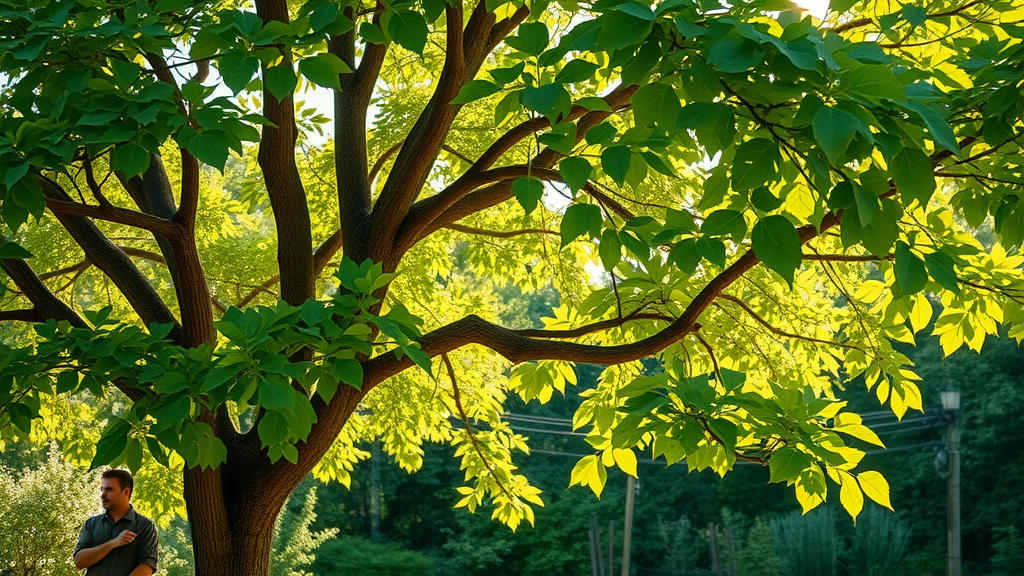
tree pruning in summer: mature shade tree with freshly pruned branches, arborist examining branch, healthy summer foliage

Unlocking the Potential: Why Tree Pruning in Summer Matters More Than You Think

For generations, gardeners have debated the best time to prune —but recent research shows that tree pruning in summer does more than just keep your yard neat. Strategic summer pruning not only shapes trees and shrubs, but it also sets the stage for healthier growth, greater resilience, and an overall boost to your landscape’s vitality. Unlike the dormant pruning practiced in late winter or early spring, summer tree pruning offers immediate visual results and unique biological advantages for your trees in the summer months.

Summer pruning helps control vigorous growth, reduces the risk of disease, and even encourages stronger branching structures. Whether you want to trim trees for optimal sunlight or improve their fruit yield, adopting the right techniques in the warmer months can make a world of difference. By timing your tree care for summer, you unlock a window of opportunity for trees and shrubs to thrive in ways that simply aren’t possible during other seasons.

  • The science behind tree pruning in summer
  • Key differences between summer pruning and winter pruning
  • Step-by-step techniques for summer tree care
  • Common myths and expert tips for summer tree pruning
"Proper tree pruning in summer not only shapes your landscape but also cultivates stronger, healthier trees ready to weather every season." – Arborist Mark Haller

Understanding Tree Pruning in Summer: Science, Timing, and Impact

To truly understand the art of pruning trees in summer, it’s essential to grasp the science behind how trees respond to pruning during their most active growth phase. Unlike the dormant season, when pruning merely shapes a resting tree, summer cuts are met with immediate reactions from the tree’s vascular system. As sunlight pours through the canopy, the tree’s leaves are busy photosynthesizing—converting sunlight into energy and strengthening the entire organism. A well-placed pruning cut redirects this energy into fewer, stronger branches, creating a framework for robust future growth.

Timing is crucial: trees in the summer recover differently than those pruned in winter. By removing select branches during this period, you can reduce excessive vegetative growth, limit the spread of diseases, and improve air circulation. This not only helps promote healthy trees today, but sets up your landscape for a successful transition into fall and winter. Whether you’re caring for fruit trees , oaks, or popular shade varieties, understanding this timing can be the turning point for a thriving yard.

The Science Behind Summer Pruning for Trees and Shrubs
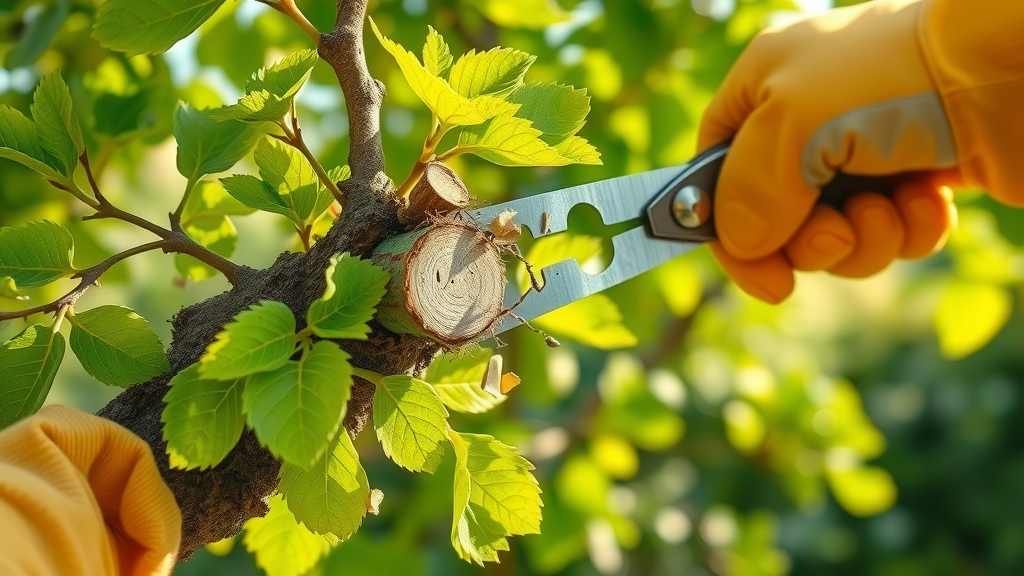
summer tree pruning: close-up of tree branch being pruned, gloved hand with pruning shears, fresh cut wood, vibrant green leaves

Summer pruning uniquely harnesses plant biology. When you prune trees in the warmth, you’re making cuts at a time when trees and shrubs are metabolically active. This means wounds heal faster, and the tree can quickly seal over any exposure, reducing the risk of disease and insect infestation. The removal of rapidly growing shoots and inner-canopy twigs can redirect a tree’s resources to stronger, structural limbs and encourage flowering and fruiting for the coming season.

For fruit trees and ornamental varieties alike, the right pruning cuts made in summer promote better light penetration and air flow. This limits fungal diseases and mite infestations, while also ensuring that fruit receives more sun—leading to enhanced color, flavor, and yield. By managing growth when energy is at its peak, summer pruning ensures trees and shrubs establish themselves as cornerstones of a healthy, beautiful landscape.

Trees in the Summer: How Timing Affects Growth and Health

Choosing the time to prune directly affects tree vigor and appearance. When you engage in tree pruning in summer , you are working with the plant’s natural growth cycle. This results in more moderate regrowth than winter or early spring pruning, which can trigger lush, sometimes excessive shoots. By carefully selecting the right months—and skipping periods of extreme heat or drought—you help your trees conserve energy and adapt to summer conditions without excess stress.

Additionally, summer tree pruning is a powerful tool for controlling tree size, preventing hazardous limbs, and discouraging pests. For instance, certain pests are inactive or less likely to invade wounds during the summer, compared to their aggressive activity in spring or fall. The right timing also allows you to spot and remove diseased or damaged wood immediately, improving both the appearance and health of your trees and shrubs .

Comparing Summer Tree Pruning and Winter Pruning

While both summer tree pruning and winter tree trimming are essential practices, each serves different purposes. Pruning during the dormant season—late winter or early spring—focuses on long-term structure and promoting vigorous spring regrowth. In contrast, summer pruning is ideal for shaping, removing suckers, limiting size, and controlling certain diseases and pests. It’s crucial to align your goals and the needs of your tree’s species with the most advantageous season for each type of care.

Risks are present with either approach. Excessive pruning in hot weather can stress the tree, while aggressive cuts in winter may encourage too much regrowth. By carefully weighing the benefits and drawbacks of each method, you can develop a seasonal pruning plan that transforms your landscape into a thriving, resilient ecosystem year after year.

Comparison of Summer vs. Winter Tree Pruning
Season Pruning Benefits Risks Best Practices Common Species for Each
Summer Controls size, reduces disease, shapes canopy, quick healing Heat stress, over-pruning risk Light cuts, avoid heatwaves, sanitize tools Fruit trees, maples, birches, flowering shrubs
Winter Promotes vigorous growth, shapes structure, removes dormant wood Encourages excessive regrowth, delayed healing Hard cuts, prune before bud break, assess structure Oaks (late winter), elms, most shade trees

Exactly When and How to Prune Trees in the Summer
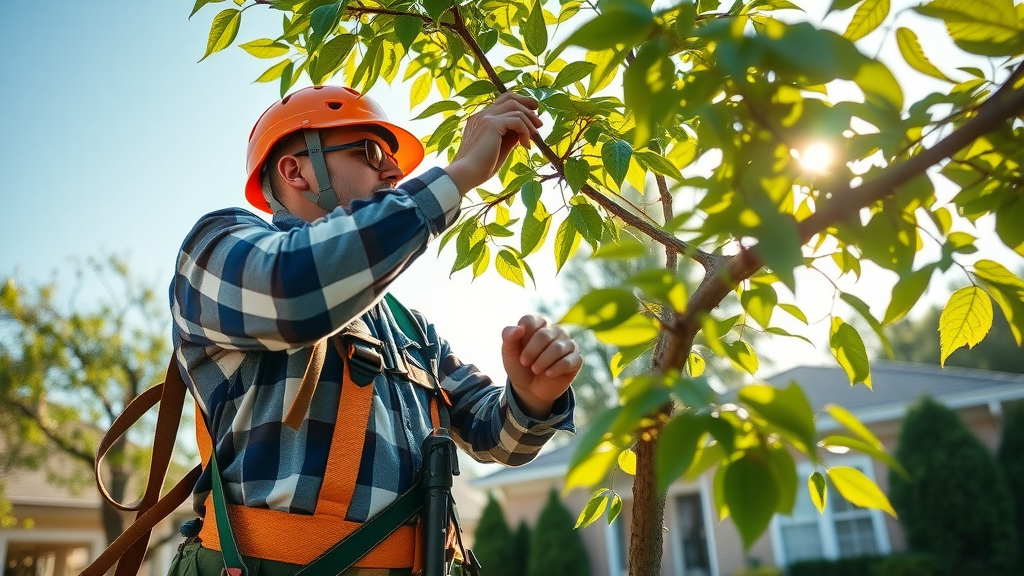
prune trees: professional arborist in safety gear pruning an ornamental tree, inspecting branch structure in sunlit yard

Knowing when and how to execute tree pruning in summer is the key to fostering healthy growth and a beautiful yard. It’s a good idea to start with proper planning by evaluating which trees and shrubs are ready for a summer shaping. Focus on removing water sprouts, suckers, crossing limbs, or any branches casting unwanted shade. Never prune at the peak of a heatwave—instead, time your work for the cooler hours of early morning or late evening, especially during the moderate days of midsummer.

Careful technique can make all the difference. Whether aiming for aesthetics or health, pruning cuts should always be made at the correct angle, just outside the branch collar, to avoid damaging living tissues. Adhering to the 123 rule of pruning —no more than one-third canopy removal, two types of cut, three main branches max—protects your tree from shock or vulnerability. If you’re ever unsure, remember: consulting a certified arborist is always a wise investment.

Time to Prune: Knowing the Best Months for Summer Tree Pruning

The optimal time to prune depends on your tree’s species and your region’s climate. Generally, the best window for summer tree pruning spans from late June to mid-August, after the spring flush and before the back-to-school drop in temperatures. For fruit trees , wait until after harvest for a final shape-up. For oaks and species susceptible to diseases like oak wilt , late summer can be safer, as many disease vectors are less active then. Avoid heavy trimming during peak heat or drought, and never prune immediately after a major storm, as trees may be stressed.

Mark your calendar for periodic inspections: prune only when the tree is actively growing, and monitor for signs of over-pruning such as leaf scorch or excessive sap flow. When in doubt, a professional tree service can help you assess the best schedule for your unique landscape.

Summer Tree Pruning Techniques: Step-by-Step Guide

Want to get your pruning trees efforts just right this summer? Here is a practical, step-by-step plan to keep your trees in peak health:

  1. Prepare and inspect your tools and trees: Clean all equipment with alcohol or a disinfectant to prevent disease spread. Look over your trees and shrubs, identifying branches that need removal or shaping.
  2. Identify limbs to remove or shape: Focus on crossing, rubbing, diseased, dead, or damaged branches. For fruit trees , target water sprouts and growth that inhibits light penetration.
  3. Follow proper summer pruning cuts: Always cut just outside the branch collar (where the branch meets the trunk/parent limb). Use sharp, high-quality shears for clean, precise pruning cuts that heal faster.
  4. Clean up and care for wounds: Remove debris, and if your region is prone to pests or oak wilt, consider applying wound paint for added protection.

Pruning Trees Safely: Essential Tools and Safety Tips

tree care: essential pruning tools—gloves, shears, pole saw, helmet—on a wooden table in garden shed

Safety should always come first. Use an organized array of the right tools—pruning shears, loppers, a pole saw, a sturdy ladder, gloves, and eye protection—to ensure each cut is both safe and effective. For high branches or difficult trees, a safety harness may be necessary. Always check that tools are sharp and handles are secure, as dull blades can damage the tree and lead to ragged, slow-healing wounds.

If the job is large or near power lines, don’t hesitate to call a qualified tree service . Trained certified arborists have the expertise and equipment to perform tree care safely and efficiently, minimizing risks for you and your property.

Which Trees and Shrubs Benefit Most from Summer Pruning?

Not all trees respond the same to pruning trees in summer . Species selection and tree age play a significant role in determining which trees and shrubs thrive from a mid-year trim. Fast-growing types, ornamental favorites, and certain fruit trees can all be excellent candidates, while others require specialized considerations for timing and technique.

Typically, fruit trees and shrubs , young maples, birches, and some hardwoods benefit from shaping and thinning during summer. On the other hand, avoid pruning trees like oaks and elms outside their recommended windows to prevent disease spread.

Fruit Trees and Shrubs: Special Considerations for Summer Pruning
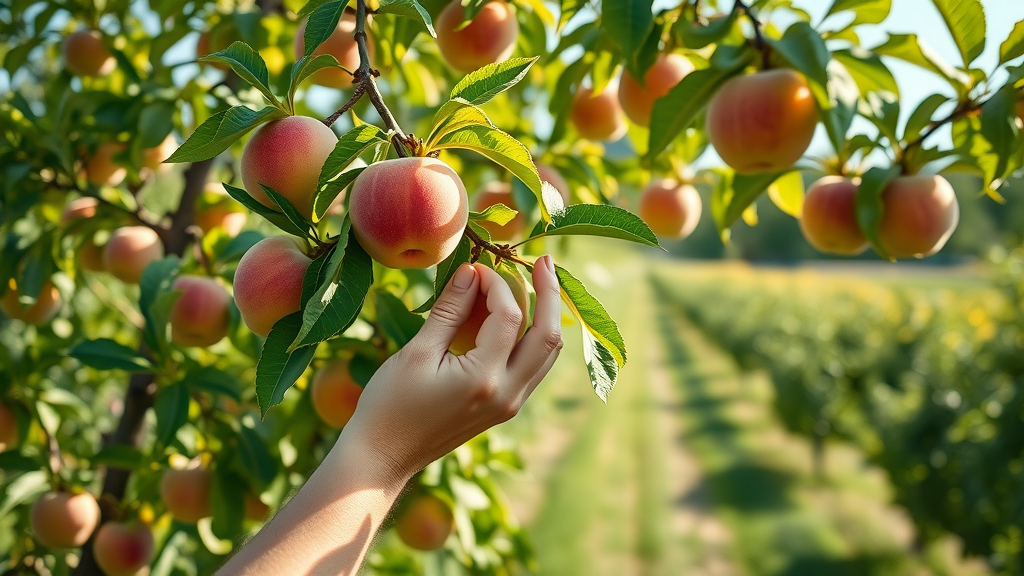
fruit trees: abundant apple tree with trimmed branches and developing fruit, orchard scene

Fruit trees —such as apples, peaches, and pears—respond especially well to calculated summer pruning . By removing water sprouts and thinning the canopy, you boost airflow and sunlight penetration, which directly improves fruit development, prevents pests, and enhances flavor. This also reduces the likelihood of fungal diseases often rampant in dense, shaded canopies.

When trimming fruit trees in the summer, pay particular attention to the overall shape. Remove only select interior branches and those shading developing fruit, and save any major structural changes for the dormant season. Proper balance is the secret to fruiting success with every pruning cut .

Oak Trees and Summer Pruning Guidelines

Oak trees are icons of strength, but they’re also vulnerable to diseases such as oak wilt . As a rule of thumb, avoid pruning these trees in spring and early summer when disease-carrying beetles are most active. Best practice is to wait until late summer or mid-winter, when pest activity subsides, to reduce risk.

If you must prune an oak tree in summer due to storm damage, always clean tools thoroughly and consider wound paint to discourage disease transmission. As with all tree care, consulting with a certified arborist gives your oak the best shot at healthy longevity.

Young vs. Mature Trees: Tailoring Summer Tree Trimming

Both young and mature trees can benefit from summer tree pruning , but their needs differ. Young trees require light, corrective pruning to develop a strong structure without removing too much, supporting their early growth. Only remove or shape branches that cross, are damaged, or jeopardize the tree’s central leader.

Mature trees, conversely, need careful thinning to maintain their health and appearance. Avoid major cuts; instead, target deadwood, water sprouts, and inner branches that block air and sunlight. Over-pruning can harm older trees, so limit removal to less than 25% of the canopy in one season.

Common Myths and Mistakes About Tree Pruning in Summer

  • Myth: You can't prune trees in summer. Reality: With correct timing and technique, summer pruning encourages health and beauty.
  • Misconception: Summer pruning stunts growth. Reality: Controlled tree pruning in summer focuses growth on vital branches, reducing unwanted sprawl but not hindering the tree’s strength overall.
  • Mistake: Over-pruning during heatwaves. Tip: Only conduct light pruning in high heat or drought, and always provide ample water afterward.

Many gardeners worry about pruning trees during warm months, but these myths can hold your landscape back. By educating yourself with the right information and debunking common misconceptions, you’ll provide the best tree care possible—setting the stage for a lush, healthy yard for years to come.

Expert Tips for Pruning Trees, Shrubs, and Maintaining Healthy Trees All Season

  • Monitor for pests after pruning: Summer wounds can attract insects, so keep a close eye and address issues quickly.
  • Water thoroughly post-trim: Trees often require extra hydration to aid recovery after tree trimming on hot, dry days.
  • Schedule fall follow-ups: A second check in autumn can help you spot trouble early and plan any necessary tree care before winter.
  • Seek professional tree service if unsure: Complex pruning, especially on older or valuable trees, warrants expert assistance to avoid costly mistakes and keep your trees healthy.

For a stronger, safer, and more beautiful yard, combine these tips with proper, timely techniques. Your trees and shrubs will reward you with vigor and resilience—no matter what the season brings.

Watch as a certified arborist demonstrates live summer tree pruning on a mature maple. This video covers proven techniques for healthy growth, safety protocols, and before-and-after results, set in a well-lit, thriving backyard.

People Also Ask: Is it OK to Prune Trees in the Summer?

Yes, tree pruning in summer is not only okay but often recommended for shaping, reducing disease risk, and encouraging healthy trees . Many trees and shrubs respond well to careful summer pruning when proper techniques are used.

What Months Should You Not Trim Trees?

Generally, avoid pruning or trimming trees during late autumn and early winter, as this can stress trees and make them susceptible to disease. For some species like oak trees , avoid pruning during spring to prevent oak wilt .

What is the 123 Rule of Pruning?

The 123 rule of pruning refers to removing no more than one-third of the canopy, focusing on two types of cuts (thinning and heading), and never pruning more than three main branches in a single season.

What Happens if You Prune a Tree at the Wrong Time?

Pruning trees at the wrong time can result in stunted growth, vulnerability to pests and disease, and excessive stress, especially during high heat or dormancy periods.

Troubleshooting: Recognizing and Repairing Pruning Mistakes

"Every cut you make is a decision for your tree’s future—prune with knowledge, not guesswork." – Certified Arborist Jill Daniels

Mistakes happen, but timely intervention can often repair the damage. If you notice jagged, torn wounds or excessive sap flow after summer tree pruning , use clean, sharp tools to re-cut and smooth the edge. For over-pruning, hold off on further cuts until the tree recovers, and provide deep watering and mulch for stress relief. Consulting with a qualified tree service ensures fast recovery and long-term tree health.

Always keep an eye out for unexpected symptoms: leaf scorch, sudden dieback, or increased pest activity signal that your tree needs extra attention. With vigilance and prompt corrections, most pruning trees mistakes can be reversed before long-term harm occurs.

Frequently Asked Questions on Summer Tree Pruning and Trimming

  • Is summer tree trimming different from regular tree trimming? Yes, summer tree trimming focuses on light, strategic cuts that control growth and shape the tree, whereas winter pruning is more geared toward structural changes and vigorous regrowth.
  • Can I prune shrubs while trimming trees in summer? Absolutely! Most shrubs benefit from selective summer pruning alongside your trees. Use clean, sharp shears and avoid heavy cuts during extreme heat.
  • Are there trees you should never prune in warm weather? Yes. Avoid pruning species like oak trees and elms during their vulnerable periods (spring to midsummer) to reduce disease risks such as oak wilt .

Join our garden expert in this hands-on demonstration of best summer pruning techniques for fruit trees and shrubs —learn exactly where and how to cut for bigger, tastier harvests and healthier plants.

Key Takeaways from Tree Pruning in Summer for Healthy Trees

  • Summer is a strategic season for pruning trees and shrubs
  • Proper techniques encourage healthier growth and reduce disease
  • Timing matters : Know the right months for your tree varieties
  • Always consider tree species and maturity when pruning

Ready to Transform Your Landscape? Expert Tree Pruning in Summer Tips Await

Grow your landscaping expertise—call 203-271-7991 or visit TreeGuardianNews.com to subscribe for in-depth guides, expert tips, and the latest in tree care.

To enhance your understanding of summer tree pruning, consider exploring the following resources:

  • “Summer Pruning Do’s and Don’ts: Maintaining Tree Health and Shape” ( utahtreeco.com )

This article provides practical advice on selective pruning, proper techniques, and common mistakes to avoid during summer.

  • “Find Expert Tips for Pruning Trees in Summer” ( meyertreecare.com )

This resource offers insights into identifying and removing problematic branches, optimal pruning times, and tool maintenance for effective summer pruning.

If you’re serious about mastering summer tree pruning, these resources will provide you with the knowledge and techniques to ensure your trees thrive.

Latest News

65 Views

Write A Comment

*
*
Please complete the captcha to submit your comment.
Related Posts All Posts
07.10.2026

How Often Should Trees Be Pruned? A Complete Guide for Tree Care

Learn how often trees should be pruned, the benefits of regular pruning, and essential tips for tree care.

07.10.2026

Why Homeowners Should Be Aware of Trees and Lawn Mowers

Update The Dangers of Lawn Mowers Near Trees Maintaining a beautiful lawn can be quite the task for homeowners, especially during the weekends when lawn care activities come into play. However, have you ever considered how damaging lawn mowers can be to the trees that grace your yard? Trees not only provide shade and beauty but also improve air quality. Hence, protecting them is essential. Understanding Tree Health and Lawn Care Tree health is often compromised when lawn mowers come too close. Any accidental brush against a tree trunk can lead to bark damage. This exposes the tree to pests and diseases. Over time, these injuries can hinder growth, making it difficult for trees to thrive. It's essential to recognize that a lawn mower is not just a tool for cutting grass; it can significantly affect your landscape's ecosystem. Setting Up Safe Boundaries The best way to safeguard your trees from lawn mower damage is to establish designated areas for each. When mowing, create a safe distance around trees that your mower will not trespass. A general rule of thumb is to maintain a radius of about 3 feet around the base of each tree. This defensive zone not only protects the tree’s trunk from being scuffed but also allows you to use mulch or grass clippings that can further nourish the tree. Creating a Tree-Friendly Lawn Environmental experts recommend incorporating a variety of plants around trees to create a safe landscape. Native plants, which are adapted to the local environment, thrive well and require less maintenance. They can form a protective green barrier that cushions trees against accidental mower contact. Moreover, growing ground covers can significantly limit the need for mower operation near trees while enhancing soil quality. The Importance of Mulching Mulching can be incredibly beneficial for tree health. By applying organic mulch around the base of trees, you can improve moisture retention and prevent weed growth that would otherwise require mowing. Choose materials such as wood chips or shredded bark as mulch to keep your trees healthy. Plus, mulching helps regulate soil temperature and provides nutrients as it breaks down over time. Tools and Techniques for Safe Mowing Investing in lawn mowing techniques and tools designed to protect trees is an excellent idea. For instance, using a trimmer with a protective guard can help you reach areas near tree bases without risk of damage. Staying aware and cautious while mowing your lawn is key. Practicing slow and steady movements near tree lines helps avoid unexpected mishaps. Understanding the Risks of Equipment Damage Besides physical damage to trees, lawn mowers can also be affected by the landscape. Running over roots or rocks hidden beneath grass can cause mower blades to dull or even break. This means more maintenance for you and potential costly repairs. Take time to survey your yard before mowing; this consideration will prolong the life of both your trees and your lawn care equipment. Conclusion: Creating a Sustainable Landscape Protecting your trees from lawn mowers is vital not only for their health but for the overall ecosystem of your yard. By practicing careful mowing techniques, establishing boundaries, and promoting plant diversity, you are on your way to creating a sustainable, beautiful landscape that can be enjoyed for years to come.

07.03.2026

Oak Wilt Prevention: Essential Strategies for Protecting Oaks at Eagle Mountain Lake

Update The Importance of Oak Wilt Prevention in Eagle Mountain Lake At Eagle Mountain Lake, Texas, a dedicated team of arborists is safeguarding approximately ninety mature Southern Live Oaks and Red Oaks as part of a vital Oak Wilt prevention program. This initiative highlights the crucial role of preventative plant healthcare in North Texas, particularly in an area surrounded by one of the largest oak wilt footprints in the state. By establishing a routine treatment schedule, these trees stand a greater chance of surviving this pervasive disease. Understanding Oak Wilt: A Threat to Healthy Oaks Oak Wilt, caused by the fungal pathogen Bretziella fagacearum, poses a significant threat to oak populations, with its effects not immediately visible. The disease infiltrates the tree's vascular system, specifically the xylem, which is crucial for transporting water and nutrients. As the fungus spreads, the tree attempts to defend itself, leading to a decline in water movement that causes characteristic symptoms such as wilting leaves and canopy decline. Why Southern Live Oaks Are Particularly Vulnerable One of the primary reasons Southern Live Oaks are at high risk of Oak Wilt is their unique root structure. These trees often form interconnected root systems, allowing for the transfer of water and nutrients. However, this characteristic also facilitates the rapid spread of the fungus from one infected tree to others, making early intervention essential. Preventative Measures That Make a Difference Preventative care is critical in stopping the spread of Oak Wilt. Treatments such as Low-Volume Macro Infusion with Alamo fungicide help protect these trees before symptoms appear. This proactive approach is crucial as it allows for maintaining the health of the surrounding ecosystem. The standard recommendation is a two-year treatment cycle, ensuring that healthy trees remain unaffected by the disease. The Role of Insects in Oak Wilt Spread In addition to root graft transmission, the Oak Wilt fungus can also be introduced to healthy trees through insect activity. Nitidulid sap beetles, attracted to fresh wounds on oak trees, play a key role in this process. Proper tree management—including timely pruning and sealing fresh cuts—can prevent the introduction of this dangerous fungus. Learn to Recognize the Signs Recognizing the signs of oak wilt can be challenging, especially for homeowners. Early symptoms usually include yellowing leaves and canopy decline, but they can often be mistaken for other tree health issues. Understanding these signs and knowing when to contact an arborist can make the difference between saving a tree and losing it to this destructive disease. By maintaining vigilance and committing to a consistent, science-based plant healthcare program, property owners can play a significant role in combating the spread of Oak Wilt. Regular inspections, along with a proactive treatment approach, are pivotal in preserving the majestic oak trees that contribute so greatly to our environment.

Green Space News

Homeowners & Businesses concerned about tree and landscape care, safety issues from storms, old or diseased trees, structural damage risks, and insurance implications.

Green Space News is a subsidiary of RP Design Web Services.

COMPANY

  • Privacy Policy
  • Terms of Use
  • Advertise
  • Contact Us
  • Menu 5
  • Menu 6

AVAILABLE FROM 8AM - 5PM

Cheshire,CT

POBox 1189

ABOUT US

Green Space News is your go-to media hub for cutting-edge strategies to maintain a safe and vibrant environment. We are committed to protecting your property and family by providing proactive tree hazard prevention and awareness. Our platform  empower communities to safeguard their surroundings and enjoy healthier, more resilient landscapes.

© 2026 RP Design Web Services All Rights Reserved. P.O. Box 1189, Cheshire, CT 06410 . Contact Us . Terms of Service . Privacy Policy

eyJjb21wYW55IjoiUlAgRGVzaWduIFdlYiBTZXJ2aWNlcyIsImFkZHJlc3MiOiJQLk8uIEJveCAxMTg5IiwiY2l0eSI6IkNoZXNoaXJlIiwic3RhdGUiOiJDVCIsInppcCI6IjA2NDEwIiwiZW1haWwiOiJyb2JlcnRAcnBkZXNpZ24uY29tIiwidG9zIjoiUEhBK1BITjBjbTl1Wno0OFpXMCtWMmhsYmlCNWIzVWdjMmxuYmkxcGJpQjNhWFJvSUhWekxDQjViM1VnWVhKbElHZHBkbWx1WnladVluTndPeUI1YjNWeUlIQmxjbTFwYzNOcGIyNGdZVzVrSUdOdmJuTmxiblFnZEc4Z2MyVnVaQ0I1YjNVZ1pXMWhhV3dnWVc1a0wyOXlJRk5OVXlCMFpYaDBJRzFsYzNOaFoyVnpMaUJDZVNCamFHVmphMmx1WnlCMGFHVWdWR1Z5YlhNZ1lXNWtJRU52Ym1ScGRHbHZibk1nWW05NElHRnVaQ0JpZVNCemFXZHVhVzVuSUdsdUlIbHZkU0JoZFhSdmJXRjBhV05oYkd4NUlHTnZibVpwY20wZ2RHaGhkQ0I1YjNVZ1lXTmpaWEIwSUdGc2JDQjBaWEp0Y3lCcGJpQjBhR2x6SUdGbmNtVmxiV1Z1ZEM0OEwyVnRQand2YzNSeWIyNW5Qand2Y0Q0S0NqeHdQanhoSUdoeVpXWTlJbWgwZEhBNkx5OTNkM2N1WjI5dloyeGxMbU52YlNJK2FIUjBjRG92TDNkM2R5NW5iMjluYkdVdVkyOXRQQzloUGp3dmNENEtDanh3UGladVluTndPend2Y0Q0S0NqeHdQanh6ZEhKdmJtYytVMFZTVmtsRFJUd3ZjM1J5YjI1blBqd3ZjRDRLQ2p4d1BsZGxJSEJ5YjNacFpHVWdZU0J6WlhKMmFXTmxJSFJvWVhRZ1kzVnljbVZ1ZEd4NUlHRnNiRzkzY3lCNWIzVWdkRzhnY21WalpXbDJaU0J5WlhGMVpYTjBjeUJtYjNJZ1ptVmxaR0poWTJzc0lHTnZiWEJoYm5rZ2FXNW1iM0p0WVhScGIyNHNJSEJ5YjIxdmRHbHZibUZzSUdsdVptOXliV0YwYVc5dUxDQmpiMjF3WVc1NUlHRnNaWEowY3l3Z1kyOTFjRzl1Y3l3Z1pHbHpZMjkxYm5SeklHRnVaQ0J2ZEdobGNpQnViM1JwWm1sallYUnBiMjV6SUhSdklIbHZkWElnWlcxaGFXd2dZV1JrY21WemN5QmhibVF2YjNJZ1kyVnNiSFZzWVhJZ2NHaHZibVVnYjNJZ1pHVjJhV05sTGlCWmIzVWdkVzVrWlhKemRHRnVaQ0JoYm1RZ1lXZHlaV1VnZEdoaGRDQjBhR1VnVTJWeWRtbGpaU0JwY3lCd2NtOTJhV1JsWkNBbWNYVnZkRHRCVXkxSlV5WnhkVzkwT3lCaGJtUWdkR2hoZENCM1pTQmhjM04xYldVZ2JtOGdjbVZ6Y0c5dWMybGlhV3hwZEhrZ1ptOXlJSFJvWlNCMGFXMWxiR2x1WlhOekxDQmtaV3hsZEdsdmJpd2diV2x6TFdSbGJHbDJaWEo1SUc5eUlHWmhhV3gxY21VZ2RHOGdjM1J2Y21VZ1lXNTVJSFZ6WlhJZ1kyOXRiWFZ1YVdOaGRHbHZibk1nYjNJZ2NHVnljMjl1WVd4cGVtRjBhVzl1SUhObGRIUnBibWR6TGp3dmNENEtDanh3UGxsdmRTQmhjbVVnY21WemNHOXVjMmxpYkdVZ1ptOXlJRzlpZEdGcGJtbHVaeUJoWTJObGMzTWdkRzhnZEdobElGTmxjblpwWTJVZ1lXNWtJSFJvWVhRZ1lXTmpaWE56SUcxaGVTQnBiblp2YkhabElIUm9hWEprSUhCaGNuUjVJR1psWlhNZ0tITjFZMmdnWVhNZ1UwMVRJSFJsZUhRZ2JXVnpjMkZuWlhNc0lFbHVkR1Z5Ym1WMElITmxjblpwWTJVZ2NISnZkbWxrWlhJZ2IzSWdZMlZzYkhWc1lYSWdZV2x5ZEdsdFpTQmphR0Z5WjJWektTNGdXVzkxSUdGeVpTQnlaWE53YjI1emFXSnNaU0JtYjNJZ2RHaHZjMlVnWm1WbGN5d2dhVzVqYkhWa2FXNW5JSFJvYjNObElHWmxaWE1nWVhOemIyTnBZWFJsWkNCM2FYUm9JSFJvWlNCa2FYTndiR0Y1SUc5eUlHUmxiR2wyWlhKNUlHOW1JR1ZoWTJnZ1UwMVRJSFJsZUhRZ2JXVnpjMkZuWlNCelpXNTBJSFJ2SUhsdmRTQmllU0IxY3k0Z1NXNGdZV1JrYVhScGIyNHNJSGx2ZFNCdGRYTjBJSEJ5YjNacFpHVWdZVzVrSUdGeVpTQnlaWE53YjI1emFXSnNaU0JtYjNJZ1lXeHNJR1Z4ZFdsd2JXVnVkQ0J1WldObGMzTmhjbmtnZEc4Z1lXTmpaWE56SUhSb1pTQlRaWEoyYVdObElHRnVaQ0J5WldObGFYWmxJSFJvWlNCVFRWTWdkR1Y0ZENCdFpYTnpZV2RsY3k0Z1YyVWdaRzhnYm05MElHTm9ZWEpuWlNCaGJua2dabVZsY3lCbWIzSWdaR1ZzYVhabGNua2diMllnWlcxaGFXd2diM0lnVTAxVExpQlVhR2x6SUdseklHRWdabkpsWlNCelpYSjJhV05sSUhCeWIzWnBaR1ZrSUdKNUlIVnpMaUJJYjNkbGRtVnlMQ0J3YkdWaGMyVWdZMmhsWTJzZ2QybDBhQ0I1YjNWeUlHbHVkR1Z5Ym1WMElITmxjblpwWTJVZ2NISnZkbWxrWlhJZ1lXNWtJR05sYkd4MWJHRnlJR05oY25KcFpYSWdabTl5SUdGdWVTQmphR0Z5WjJWeklIUm9ZWFFnYldGNUlHbHVZM1Z5SUdGeklHRWdjbVZ6ZFd4MElHWnliMjBnY21WalpXbDJhVzVuSUdWdFlXbHNJR0Z1WkNCVFRWTWdkR1Y0ZENCdFpYTnpZV2RsY3lCMGFHRjBJSGRsSUdSbGJHbDJaWElnZFhCdmJpQjViM1Z5SUc5d2RDMXBiaUJoYm1RZ2NtVm5hWE4wY21GMGFXOXVJSGRwZEdnZ2IzVnlJR1Z0WVdsc0lHRnVaQ0JUVFZNZ2MyVnlkbWxqWlhNdUlGbHZkU0JqWVc0Z1kyRnVZMlZzSUdGMElHRnVlU0IwYVcxbExpQktkWE4wSUhSbGVIUWdKbkYxYjNRN1UxUlBVQ1p4ZFc5ME95QjBieUE4YUdsbmFHeHBaMmgwSUdOc1lYTnpQU0pqYjIxd1lXNTVVR2h2Ym1WVmNHUmhkR1VpUGlzeE1qQXpNamN4TnprNU1Ud3ZhR2xuYUd4cFoyaDBQaTRnUVdaMFpYSWdlVzkxSUhObGJtUWdkR2hsSUZOTlV5QnRaWE56WVdkbElDWnhkVzkwTzFOVVQxQW1jWFZ2ZERzZ2RHOGdkWE1zSUhkbElIZHBiR3dnYzJWdVpDQjViM1VnWVc0Z1UwMVRJRzFsYzNOaFoyVWdkRzhnWTI5dVptbHliU0IwYUdGMElIbHZkU0JvWVhabElHSmxaVzRnZFc1emRXSnpZM0pwWW1Wa0xpQkJablJsY2lCMGFHbHpMQ0I1YjNVZ2QybHNiQ0J1YnlCc2IyNW5aWElnY21WalpXbDJaU0JUVFZNZ2JXVnpjMkZuWlhNZ1puSnZiU0IxY3k0OEwzQStDZ284Y0Q0OGMzUnliMjVuUGxsUFZWSWdVa1ZIU1ZOVVVrRlVTVTlPSUU5Q1RFbEhRVlJKVDA1VFBDOXpkSEp2Ym1jK1BDOXdQZ29LUEhBK1NXNGdZMjl1YzJsa1pYSmhkR2x2YmlCdlppQjViM1Z5SUhWelpTQnZaaUIwYUdVZ1UyVnlkbWxqWlN3Z2VXOTFJR0ZuY21WbElIUnZPand2Y0Q0S0NqeHZiRDRLQ1R4c2FUNXdjbTkyYVdSbElIUnlkV1VzSUdGalkzVnlZWFJsTENCamRYSnlaVzUwSUdGdVpDQmpiMjF3YkdWMFpTQnBibVp2Y20xaGRHbHZiaUJoWW05MWRDQjViM1Z5YzJWc1ppQmhjeUJ3Y205dGNIUmxaQ0JpZVNCMGFHVWdVMlZ5ZG1salpTWWpNems3Y3lCeVpXZHBjM1J5WVhScGIyNGdabTl5YlNBb2MzVmphQ0JwYm1admNtMWhkR2x2YmlCaVpXbHVaeUIwYUdVZ0puRjFiM1E3VW1WbmFYTjBjbUYwYVc5dUlFUmhkR0VtY1hWdmREc3BJR0Z1WkR3dmJHaytDZ2s4YkdrK2JXRnBiblJoYVc0Z1lXNWtJSEJ5YjIxd2RHeDVJSFZ3WkdGMFpTQjBhR1VnVW1WbmFYTjBjbUYwYVc5dUlFUmhkR0VnZEc4Z2EyVmxjQ0JwZENCMGNuVmxMQ0JoWTJOMWNtRjBaU3dnWTNWeWNtVnVkQ0JoYm1RZ1kyOXRjR3hsZEdVdUlFbG1JSGx2ZFNCd2NtOTJhV1JsSUdGdWVTQnBibVp2Y20xaGRHbHZiaUIwYUdGMElHbHpJSFZ1ZEhKMVpTd2dhVzVoWTJOMWNtRjBaU3dnYm05MElHTjFjbkpsYm5RZ2IzSWdhVzVqYjIxd2JHVjBaU3dnYjNJZ2QyVWdhR0YyWlNCeVpXRnpiMjVoWW14bElHZHliM1Z1WkhNZ2RHOGdjM1Z6Y0dWamRDQjBhR0YwSUhOMVkyZ2dhVzVtYjNKdFlYUnBiMjRnYVhNZ2RXNTBjblZsTENCcGJtRmpZM1Z5WVhSbExDQnViM1FnWTNWeWNtVnVkQ0J2Y2lCcGJtTnZiWEJzWlhSbExDQjNaU0JvWVhabElIUm9aU0J5YVdkb2RDQjBieUJ6ZFhOd1pXNWtJRzl5SUR4emRISnZibWMrUEhOd1lXNGdjM1I1YkdVOUltTnZiRzl5T2lOR1JqQXdNREE3SWo1MFpYSnRhVzVoZEdVZ2VXOTFjaUJoWTJOdmRXNTBMM0J5YjJacGJHVWdZVzVrSUhKbFpuVnpaU0JoYm5rZ1lXNWtJR0ZzYkNCamRYSnlaVzUwSUc5eUlHWjFkSFZ5WlNCMWMyVWdiMllnZEdobElGTmxjblpwWTJVZ0tHOXlJR0Z1ZVNCd2IzSjBhVzl1SUhSb1pYSmxiMllwTGp3dmMzQmhiajQ4TDNOMGNtOXVaejQ4TDJ4cFBnbzhMMjlzUGdvS1BIQStKbTVpYzNBN1BDOXdQZ284YUdsbmFHeHBaMmgwSUdOc1lYTnpQU0pqYjIxd1lXNTVUbUZ0WlZWd1pHRjBaU0krVWxBZ1JHVnphV2R1SUZkbFlpQlRaWEoyYVdObGN6d3ZhR2xuYUd4cFoyaDBQanhpY2lBdlBnbzhhR2xuYUd4cFoyaDBJR05zWVhOelBTSmpiMjF3WVc1NVFXUmtjbVZ6YzFWd1pHRjBaU0krVUM1UExpQkNiM2dnTVRFNE9Td2dRMmhsYzJocGNtVXNJRU5VSURBMk5ERXdQQzlvYVdkb2JHbG5hSFErUEdKeUlDOCtDanhvYVdkb2JHbG5hSFFnWTJ4aGMzTTlJbU52YlhCaGJubFFhRzl1WlZWd1pHRjBaU0krS3pFeU1ETXlOekUzT1RreFBDOW9hV2RvYkdsbmFIUStQR0p5SUM4K0NqeG9hV2RvYkdsbmFIUWdZMnhoYzNNOUltTnZiWEJoYm5sRmJXRnBiRlZ3WkdGMFpTSStjbTlpWlhKMFFISndaR1Z6YVdkdUxtTnZiVHd2YUdsbmFHeHBaMmgwUGc9PSIsInByaXZhY3kiOiJQSEErUEhOMGNtOXVaejVRVWtsV1FVTlpQQzl6ZEhKdmJtYytQQzl3UGdvS1BIQStQSE4wY205dVp6NVVhR1VnYVc1bWIzSnRZWFJwYjI0Z2NISnZkbWxrWldRZ1pIVnlhVzVuSUhSb2FYTWdjbVZuYVhOMGNtRjBhVzl1SUdseklHdGxjSFFnY0hKcGRtRjBaU0JoYm1RZ1kyOXVabWxrWlc1MGFXRnNMQ0JoYm1RZ2QybHNiQ0J1WlhabGNpQmlaU0JrYVhOMGNtbGlkWFJsWkN3Z1kyOXdhV1ZrTENCemIyeGtMQ0IwY21Ga1pXUWdiM0lnY0c5emRHVmtJR2x1SUdGdWVTQjNZWGtzSUhOb1lYQmxJRzl5SUdadmNtMHVJRlJvYVhNZ2FYTWdiM1Z5SUdkMVlYSmhiblJsWlM0OEwzTjBjbTl1Wno0OEwzQStDZ284Y0Q0OGMzUnliMjVuUGtsT1JFVk5Ua2xVV1R3dmMzUnliMjVuUGp3dmNENEtDanh3UGp4bGJUNVpiM1VnWVdkeVpXVWdkRzhnYVc1a1pXMXVhV1o1SUdGdVpDQm9iMnhrSUhWekxDNGdZVzVrSUdsMGN5QnpkV0p6YVdScFlYSnBaWE1zSUdGbVptbHNhV0YwWlhNc0lHOW1abWxqWlhKekxDQmhaMlZ1ZEhNc0lHTnZMV0p5WVc1a1pYSnpJRzl5SUc5MGFHVnlJSEJoY25SdVpYSnpMQ0JoYm1RZ1pXMXdiRzk1WldWekxDQm9ZWEp0YkdWemN5Qm1jbTl0SUdGdWVTQmpiR0ZwYlNCdmNpQmtaVzFoYm1Rc0lHbHVZMngxWkdsdVp5QnlaV0Z6YjI1aFlteGxJR0YwZEc5eWJtVjVjeVlqTXprN0lHWmxaWE1zSUcxaFpHVWdZbmtnWVc1NUlIUm9hWEprSUhCaGNuUjVJR1IxWlNCMGJ5QnZjaUJoY21semFXNW5JRzkxZENCdlppQkRiMjUwWlc1MElIbHZkU0J5WldObGFYWmxMQ0J6ZFdKdGFYUXNJSEpsY0d4NUxDQndiM04wTENCMGNtRnVjMjFwZENCdmNpQnRZV3RsSUdGMllXbHNZV0pzWlNCMGFISnZkV2RvSUhSb1pTQlRaWEoyYVdObExDQjViM1Z5SUhWelpTQnZaaUIwYUdVZ1UyVnlkbWxqWlN3Z2VXOTFjaUJqYjI1dVpXTjBhVzl1SUhSdklIUm9aU0JUWlhKMmFXTmxMQ0I1YjNWeUlIWnBiMnhoZEdsdmJpQnZaaUIwYUdVZ1ZFOVRMQ0J2Y2lCNWIzVnlJSFpwYjJ4aGRHbHZiaUJ2WmlCaGJua2djbWxuYUhSeklHOW1JR0Z1YjNSb1pYSXVQQzlsYlQ0OEwzQStDZ284Y0Q0OGMzUnliMjVuUGtSSlUwTk1RVWxOUlZJZ1QwWWdWMEZTVWtGT1ZFbEZVend2YzNSeWIyNW5Qand2Y0Q0S0NqeHdQanh6ZEhKdmJtYytXVTlWSUVWWVVGSkZVMU5NV1NCVlRrUkZVbE5VUVU1RUlFRk9SQ0JCUjFKRlJTQlVTRUZVT2p3dmMzUnliMjVuUGp3dmNENEtDanh2YkQ0S0NUeHNhVDVaVDFWU0lGVlRSU0JQUmlCVVNFVWdVMFZTVmtsRFJTQkpVeUJCVkNCWlQxVlNJRk5QVEVVZ1VrbFRTeTRnVkVoRklGTkZVbFpKUTBVZ1NWTWdVRkpQVmtsRVJVUWdUMDRnUVU0Z0puRjFiM1E3UVZNZ1NWTW1jWFZ2ZERzZ1FVNUVJQ1p4ZFc5ME8wRlRJRUZXUVVsTVFVSk1SU1p4ZFc5ME95QkNRVk5KVXk0Z0xDNGdRVTVFSUZWVExDQkpWQ1lqTXprN1V5QkRWVk5VVDAxRlVsTXNJRVZZVUZKRlUxTk1XU0JFU1ZORFRFRkpUVk1nUVV4TUlGZEJVbEpCVGxSSlJWTWdUMFlnUVU1WklFdEpUa1FzSUZkSVJWUklSVklnUlZoUVVrVlRVeUJQVWlCSlRWQk1TVVZFTENCSlRrTk1WVVJKVGtjc0lFSlZWQ0JPVDFRZ1RFbE5TVlJGUkNCVVR5QlVTRVVnU1UxUVRFbEZSQ0JYUVZKU1FVNVVTVVZUSUU5R0lFMUZVa05JUVU1VVFVSkpURWxVV1N3Z1JrbFVUa1ZUVXlCR1QxSWdRU0JRUVZKVVNVTlZURUZTSUZCVlVsQlBVMFVnUVU1RUlFNVBUaTFKVGtaU1NVNUhSVTFGVGxRdVBDOXNhVDRLQ1R4c2FUNU5RVXRGVXlCT1R5QlhRVkpTUVU1VVdTQlVTRUZVSUNocEtTQlVTRVVnVTBWU1ZrbERSU0JYU1V4TUlFMUZSVlFnV1U5VlVpQlNSVkZWU1ZKRlRVVk9WRk1zSUNocGFTa2dWRWhGSUZORlVsWkpRMFVnVjBsTVRDQkNSU0JWVGtsT1ZFVlNVbFZRVkVWRUxDQlVTVTFGVEZrc0lGTkZRMVZTUlN3Z1QxSWdSVkpTVDFJdFJsSkZSU3dnS0dscGFTa2dWRWhGSUZKRlUxVk1WRk1nVkVoQlZDQk5RVmtnUWtVZ1QwSlVRVWxPUlVRZ1JsSlBUU0JVU0VVZ1ZWTkZJRTlHSUZSSVJTQlRSVkpXU1VORklGZEpURXdnUWtVZ1FVTkRWVkpCVkVVZ1QxSWdVa1ZNU1VGQ1RFVXNJRUZPUkNBb2FYWXBJRUZPV1NCRlVsSlBVbE1nU1U0Z1ZFaEZJRk5QUmxSWFFWSkZJRmRKVEV3Z1FrVWdRMDlTVWtWRFZFVkVMand2YkdrK0NnazhiR2srUVU1WklFMUJWRVZTU1VGTUlFUlBWMDVNVDBGRVJVUWdUMUlnVDFSSVJWSlhTVk5GSUU5Q1ZFRkpUa1ZFSUZSSVVrOVZSMGdnVkVoRklGVlRSU0JQUmlCVVNFVWdVMFZTVmtsRFJTQkpVeUJFVDA1RklFRlVJRmxQVlZJZ1QxZE9JRVJKVTBOU1JWUkpUMDRnUVU1RUlGSkpVMHNnUVU1RUlGUklRVlFnV1U5VklGZEpURXdnUWtVZ1UwOU1SVXhaSUZKRlUxQlBUbE5KUWt4RklFWlBVaUJCVGxrZ1JFRk5RVWRGSUZSUElGbFBWVklnUTA5TlVGVlVSVklnVTFsVFZFVk5JRTlTSUV4UFUxTWdUMFlnUkVGVVFTQlVTRUZVSUZKRlUxVk1WRk1nUmxKUFRTQlVTRVVnUkU5WFRreFBRVVFnVDBZZ1FVNVpJRk5WUTBnZ1RVRlVSVkpKUVV3dVBDOXNhVDRLQ1R4c2FUNU9UeUJCUkZaSlEwVWdUMUlnU1U1R1QxSk5RVlJKVDA0c0lGZElSVlJJUlZJZ1QxSkJUQ0JQVWlCWFVrbFVWRVZPTENCUFFsUkJTVTVGUkNCQ1dTQlpUMVVnUmxKUFRTQlBVaUJVU0ZKUFZVZElJRTlTSUVaU1QwMGdWRWhGSUZORlVsWkpRMFVnVTBoQlRFd2dRMUpGUVZSRklFRk9XU0JYUVZKU1FVNVVXU0JPVDFRZ1JWaFFVa1ZUVTB4WklGTlVRVlJGUkNCSlRpQlVTRVVnVkU5VExqd3ZiR2srQ2p3dmIydytDZ284Y0Q0OGMzUnliMjVuUGt4SlRVbFVRVlJKVDA0Z1QwWWdURWxCUWtsTVNWUlpQQzl6ZEhKdmJtYytQQzl3UGdvS1BIQStXVTlWSUVWWVVGSkZVMU5NV1NCVlRrUkZVbE5VUVU1RUlFRk9SQ0JCUjFKRlJTQlVTRUZVSUVGT1JDQlRTRUZNVENCT1QxUWdRa1VnVEVsQlFreEZJRVpQVWlCQlRsa2dSRWxTUlVOVUxDQkpUa1JKVWtWRFZDd2dTVTVEU1VSRlRsUkJUQ3dnVTFCRlEwbEJUQ3dnUTA5T1UwVlJWVVZPVkVsQlRDQlBVaUJGV0VWTlVFeEJVbGtnUkVGTlFVZEZVeXdnU1U1RFRGVkVTVTVISUVKVlZDQk9UMVFnVEVsTlNWUkZSQ0JVVHl3Z1JFRk5RVWRGVXlCR1QxSWdURTlUVXlCUFJpQlFVazlHU1ZSVExDQkhUMDlFVjBsTVRDd2dWVk5GTENCRVFWUkJJRTlTSUU5VVNFVlNJRWxPVkVGT1IwbENURVVnVEU5VFUwVlRJQ2hGVmtWT0lFbEdJRWhCVXlCQ1JVVk9JRUZFVmtsVFJVUWdUMFlnVkVoRklGQlBVMU5KUWtsTVNWUlpJRTlHSUZOVlEwZ2dSRUZOUVVkRlV5a3NJRkpGVTFWTVZFbE9SeUJHVWs5Tk9qd3ZjRDRLQ2p4dmJENEtDVHhzYVQ1VVNFVWdWVk5GSUU5U0lGUklSU0JKVGtGQ1NVeEpWRmtnVkU4Z1ZWTkZJRlJJUlNCVFJWSldTVU5GT3p3dmJHaytDZ2s4YkdrK1ZFaEZJRU5QVTFRZ1QwWWdVRkpQUTFWU1JVMUZUbFFnVDBZZ1UxVkNVMVJKVkZWVVJTQkhUMDlFVXlCQlRrUWdVMFZTVmtsRFJWTWdVa1ZUVlV4VVNVNUhJRVpTVDAwZ1FVNVpJRWRQVDBSVExDQkVRVlJCTENCSlRrWlBVazFCVkVsUFRpQlBVaUJUUlZKV1NVTkZVeUJRVlZKRFNFRlRSVVFnVDFJZ1QwSlVRVWxPUlVRZ1QxSWdUVVZUVTBGSFJWTWdVa1ZEUlVsV1JVUWdUMUlnVkZKQlRsTkJRMVJKVDA1VElFVk9WRVZTUlVRZ1NVNVVUeUJVU0ZKUFZVZElJRTlTSUVaU1QwMGdWRWhGSUZORlVsWkpRMFU3UEM5c2FUNEtDVHhzYVQ1VlRrRlZWRWhQVWtsYVJVUWdRVU5EUlZOVElGUlBJRTlTSUVGTVZFVlNRVlJKVDA0Z1QwWWdXVTlWVWlCVVVrRk9VMDFKVTFOSlQwNVRJRTlTSUVSQlZFRTdQQzlzYVQ0S0NUeHNhVDVUVkVGVVJVMUZUbFJUSUU5U0lFTlBUa1JWUTFRZ1QwWWdRVTVaSUZSSVNWSkVJRkJCVWxSWklFOU9JRlJJUlNCVFJWSldTVU5GT3lCUFVqd3ZiR2srQ2drOGJHaytRVTVaSUU5VVNFVlNJRTFCVkZSRlVpQlNSVXhCVkVsT1J5QlVUeUJVU0VVZ1UwVlNWa2xEUlM0OEwyeHBQZ284TDI5c1Bnb0tQSEErUEhVK1Fua2djbVZuYVhOMFpYSnBibWNnWVc1a0lITjFZbk5qY21saWFXNW5JSFJ2SUc5MWNpQmxiV0ZwYkNCaGJtUWdVMDFUSUhObGNuWnBZMlVzSUdKNUlHOXdkQzFwYml3Z2IyNXNhVzVsSUhKbFoybHpkSEpoZEdsdmJpQnZjaUJpZVNCbWFXeHNhVzVuSUc5MWRDQmhJR05oY21Rc0lDWnhkVzkwTzNsdmRTQmhaM0psWlNCMGJ5QjBhR1Z6WlNCVVJWSk5VeUJQUmlCVFJWSldTVU5GSm5GMWIzUTdJR0Z1WkNCNWIzVWdZV05yYm05M2JHVmtaMlVnWVc1a0lIVnVaR1Z5YzNSaGJtUWdkR2hsSUdGaWIzWmxJSFJsY20xeklHOW1JSE5sY25acFkyVWdiM1YwYkdsdVpXUWdZVzVrSUdSbGRHRnBiR1ZrSUdadmNpQjViM1VnZEc5a1lYa3VQQzkxUGp3dmNENEtDanh3UGladVluTndPend2Y0Q0S1BHaHBaMmhzYVdkb2RDQmpiR0Z6Y3owaVkyOXRjR0Z1ZVU1aGJXVlZjR1JoZEdVaVBsSlFJRVJsYzJsbmJpQlhaV0lnVTJWeWRtbGpaWE04TDJocFoyaHNhV2RvZEQ0OFluSWdMejRLUEdocFoyaHNhV2RvZENCamJHRnpjejBpWTI5dGNHRnVlVUZrWkhKbGMzTlZjR1JoZEdVaVBsQXVUeTRnUW05NElERXhPRGtzSUVOb1pYTm9hWEpsTENCRFZDQXdOalF4TUR3dmFHbG5hR3hwWjJoMFBqeGljaUF2UGdvOGFHbG5hR3hwWjJoMElHTnNZWE56UFNKamIyMXdZVzU1VUdodmJtVlZjR1JoZEdVaVBpc3hNakF6TWpjeE56azVNVHd2YUdsbmFHeHBaMmgwUGp4aWNpQXZQZ284YUdsbmFHeHBaMmgwSUdOc1lYTnpQU0pqYjIxd1lXNTVSVzFoYVd4VmNHUmhkR1VpUG5KdlltVnlkRUJ5Y0dSbGMybG5iaTVqYjIwOEwyaHBaMmhzYVdkb2REND0ifQ==

Terms of Service

Privacy Policy

Core Modal Title

Sorry, no results found

You Might Find These Articles Interesting

T
Please Check Your Email
We Will Be Following Up Shortly
*
*
*

