Tree Guardian News
Tree Guardian News
  • Home
  • Categories
    • Storm Damage & Prevention
    • Tree Care Tips & Landscaping
    • Tree Disease Identification & Treatment
    • Insurance Intel
    • DIY Tree Care & Safety
    • Sustainable Tree Care & Eco Solutions
    • Professional Tree Services
    • Arborist Stories
    • Latest News
    • Industry Insights
Join the Arborist Forum 
July 01.2025
1 Minute Read

Tree Watering Tips: Keep Your Trees Thriving This Summer

Did you know that over 50% of newly planted trees die from improper watering within their first year? This surprising fact highlights just how crucial the right tree watering tips can be for your trees’ survival, especially during the summer heat. Healthy trees not only beautify your landscape and provide much-needed shade—they improve air quality, support wildlife, and can even raise your property value. If you want your planted tree or cherished mature giant to thrive, mastering a few key methods for watering is essential. In this comprehensive guide, you’ll discover how to water your trees and shrubs for robust growth from planting day through decades of shade and beauty. Read on to unlock the science-backed secrets to successful tree care, avoid common mistakes, and gain confidence in your watering decisions all year long!

lush green urban park with thriving young and mature trees, vibrant green leaves, families enjoying shade, tree watering tips in healthy tree care, photorealistic

Shocking Truth: Over 50% Of Newly Planted Trees Die From Improper Watering

The survival rate for newly planted trees is shockingly low, with more than half perishing in their first year due to poor or inconsistent watering practices. Many homeowners assume all trees have similar needs, but the watering guide for a young tree is unique compared to established trees. Overwatering can suffocate roots and cause rot; underwatering can quickly lead to drought stress and demise, especially in the critical weeks after planting. Knowing the watering guidelines is your first defense against these preventable losses.

To combat this, it’s essential to check the soil before and after watering and adapt your routine to changing weather and soil conditions. Using a simple garden hose or more advanced options like soaker hoses and watering bags allows you to deliver precise amounts of water directly to the root ball, reducing waste and maximizing absorption. Understanding your soil’s dryness and tailoring your watering accordingly can dramatically boost survival and set your trees up for years of healthy growth.

Why Tree Watering Tips Matter For Plant Health

Growers, landscapers, and certified arborists all agree: A healthy root system is the cornerstone of good tree care. The difference between a thriving landscape and a wilted, struggling one often comes down to how you water your trees and shrubs. Roots act like the tree’s lifeline, absorbing necessary moisture and nutrients to fuel photosynthesis, new growth, and resilience against pests and disease. But if roots stay too wet or dry for extended periods, they weaken and leave the entire tree vulnerable.

By following tried-and-true tree watering tips, you ensure your planted trees and shrubs receive adequate hydration even as temperatures soar. Consistent, deep watering encourages a deeper, more extensive root structure. This makes plants more drought-resistant and less likely to suffer in extreme heat, setting up your landscaping for long-term success.

Proper watering habits offer more than short-term benefits; they help young tree root systems transition into healthy, established giants. This commitment to excellence in tree care not only keeps your garden looking lush but also saves you from expensive replacements and disappointment later on.

Tree Watering Tips For Every Stage: From Newly Planted Trees To Established Giants

Different stages of a tree’s life require different approaches to watering. Understanding the unique needs of newly planted trees versus mature specimens is at the heart of every effective watering guide. During planting, a tree’s roots are typically confined to a small root ball with few extensions; this means it can’t reach distant moisture and relies entirely on you for its survival. In contrast, established trees have a vast root system extending well beyond the drip line and can draw on stored soil moisture during dry spells.

To water your tree effectively, focus on the critical root zone, usually spreading out as far as the canopy’s edge. Use methods like drip irrigation, soaker hoses, or slow-release watering bags to apply water gently and deeply, ensuring moisture reaches the entire root system. As trees mature, their increased root mass allows for less frequent, but still deep, watering. Adjust your methods and volumes as your tree grows to keep its root ball healthy and soil moist, no matter what the weather brings.

Smart, informed watering supports not only growth but also the tree’s ability to withstand disease, drought, and harsh weather. If you want your landscaping to thrive through summer and beyond, learning how to tailor your watering to different life stages is essential.

The Crucial Differences: Newly Planted Tree Versus Established Trees

The contrast between a newly planted tree and a mature, established giant is stark when it comes to water needs and root structure. A newly planted tree typically has a compact root ball, which limits its access to water and nutrients beyond the immediate planting hole. Its roots haven’t had time to explore the surrounding soil and are at high risk of drying out if watering is inconsistent or insufficient. Watering guidelines for new plantings emphasize frequent, slow watering to keep the root zone constantly moist—but never soggy.

On the other hand, established trees have an extensive root system stretching beyond the canopy’s drip line. Their needs shift away from frequent watering to deeper, less frequent irrigation that wets the soil several inches deep. Overwatering mature trees, especially on heavy clay soils, can be just as deadly as neglecting them, as waterlogged conditions encourage fungal diseases and root rot. The key is to understand which stage your tree is in and adapt the watering guide to match, always checking the soil before adding more moisture.

By recognizing where your tree sits on the growth spectrum, you’ll avoid one-size-fits-all mistakes and deliver precisely the care your landscape needs to stay vibrant.
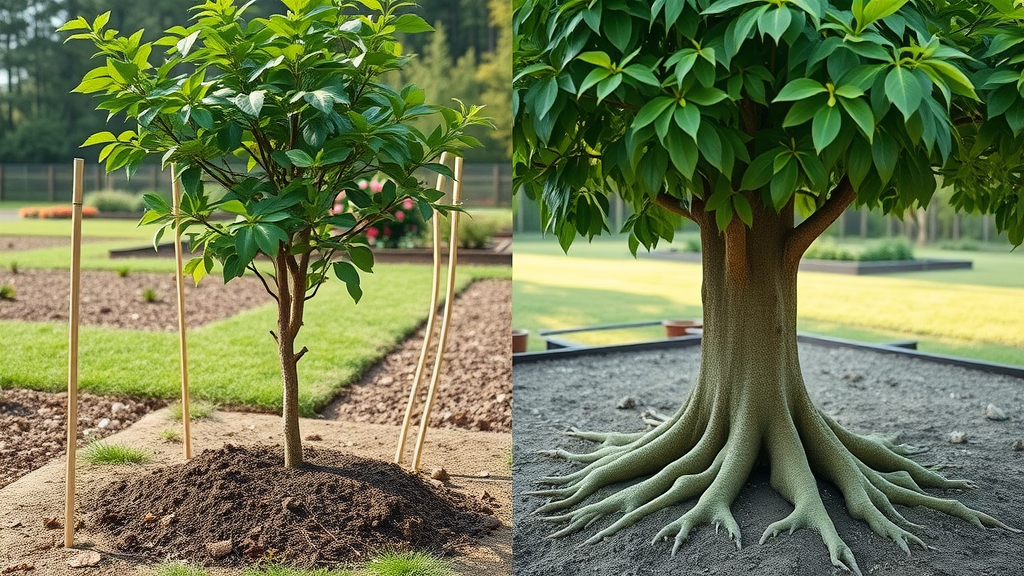
side-by-side comparison of newly planted tree with mulch and stakes and a mature established tree with deep roots, showing healthy tree watering tips and growth stages

How Young Tree And Young Trees Need Unique Watering Care

Young trees demand special attention during their first three years in the ground. During this critical establishment period, their limited root systems make them more vulnerable to rapid drying, especially during hot spells or windy days. Unlike established giants, a young tree should be watered more regularly—sometimes every day during periods of high heat. Watering should focus on saturating the root ball and surrounding soil, encouraging roots to reach outward and downward in search of moisture.

Because young trees are sensitive, it’s important to use gentle methods, such as soaker hoses or watering bags, to minimize runoff and ensure gradual absorption. Mulching with organic mulch helps keep the soil moist and cool, further protecting delicate root tissue and maintaining an optimal microclimate. Avoid shallow watering that only dampens the top few inches of soil, as it encourages roots to stay near the surface, increasing heat stress risk.

Monitoring the soil moisture with a probe and adjusting the watering guide as your tree grows helps ensure continued root development and reduces transplant shock. By providing consistent but not excessive care, you’ll help your young trees transition into robust, self-sufficient members of your landscape.

Watering Guidelines: Crafting A Personalized Watering Guide For Your Trees And Shrubs

Creating a personalized watering guide for your trees and shrubs isn’t a one-size-fits-all endeavor. Factors that influence proper watering include species, age, soil type, weather conditions, and site layout. To strike the right balance, consider how sandy or clay-heavy your soil is (sandy soils dry out quickly, while clay soils retain moisture longer), as well as whether your plants are located in sunny or shady spots.

For most planted trees , a general rule of thumb is to deliver 5-10 gallons of water per inch of trunk diameter per week. For newly planted trees or shrubs, this water should be applied slowly, in several intervals, over the course of the week to ensure deep penetration into the root ball and surrounding soil. Checking soil moisture down to 6-8 inches helps determine if you’re applying enough, too much, or too little water. Soil should be moist, not soaked or bone-dry, to keep roots healthy and oxygenated.

Use this guideline as a starting point and adapt throughout the growing season. During periods of high heat, wind, or drought, increase frequency and volume. When rainfall is plentiful, scale back to prevent waterlogging. By staying observant and flexible, you ensure your landscape receives exactly what it needs without waste.

Comparison Of Tree Watering Schedules And Water Volumes
Tree Type / Stage Frequency (per week, growing season) Water Volume (per session) Application Method
Newly Planted Tree 2-4 times 5-10 gallons / inch trunk diameter Soaker hose, watering bag, slow garden hose, drip irrigation
Young Tree (1-3 years) 1-2 times 10-15 gallons / session Soaker hose, deep root watering probe, drip irrigation
Established Tree Every 1-2 weeks (as needed) 10-20 gallons / inch trunk diameter Slow garden hose, soaker hose, sprinkler system (infrequently)
Large Mature Tree Every 2-4 weeks (drought only) 20-30 gallons / inch trunk diameter Drip irrigation, multiple garden hoses, slow soak

Tree Root Health: Understanding Deep Versus Shallow Watering

A crucial concept in any tree watering guide is the difference between deep watering and surface, shallow watering. Roots naturally grow where they find consistent moisture and oxygen—ideally 6-24 inches below the soil surface. Shallow, frequent watering encourages roots to stay close to the top, making your tree root system more susceptible to drought, temperature swings, and physical injury.

Deep watering, in contrast, involves applying water slowly over an extended period so that moisture soaks through multiple inches of soil, reaching the entire root zone. This not only supports vigorous, healthy growth but also increases drought tolerance and natural stability. Targeting the drip line (the area below the outermost branches) ensures even large root systems have access to hydration, especially during the most stressful periods of the summer.

Avoid watering too quickly or lightly, as much of this moisture will evaporate or run off, never reaching your desired root depth. Instead, focus on applying water with soaker hoses, drip irrigation systems, or slow garden hose methods. These approaches guarantee the water is moving down, not out, resulting in a healthier tree care routine for all your trees and shrubs.
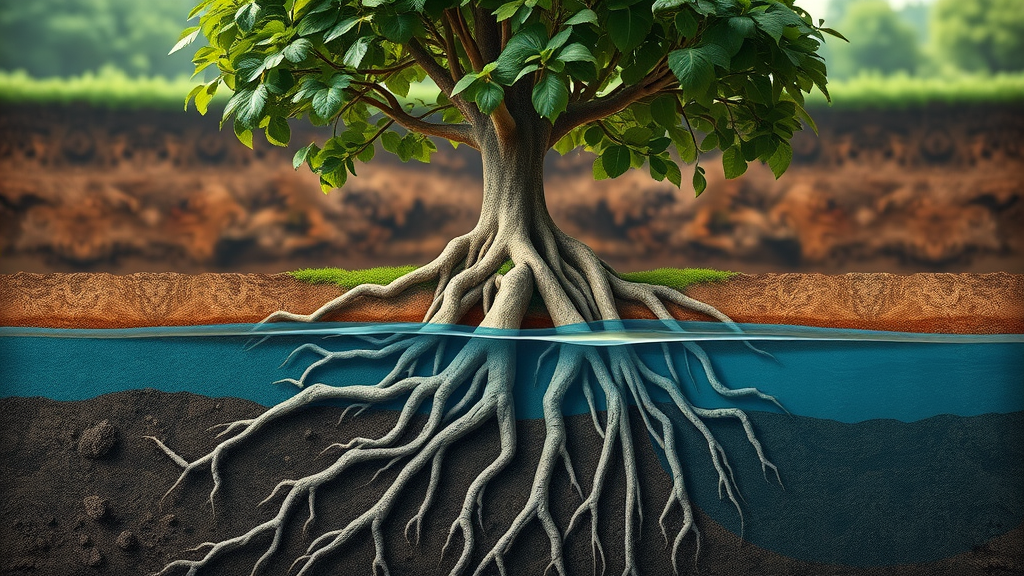
cross-section diagram showing deep-rooted tree absorbing water versus shallow watering, highlighting tree root health and soil moisture retention

How To Keep Soil Moist: Tricks For Reliable Soil Moisture

Keeping soil moist without causing root diseases or wastage is an art. The foundation is regular monitoring—use a soil moisture probe, a screwdriver, or simply dig down 6-8 inches to check the soil. It should feel cool and moist, but not soaked or sticky. If it crumbles or feels dry, water; if it’s soggy, wait. Adjust your schedule as needed, especially during the growing season’s hottest months or after heavy rainfall.

Mulching is among the most effective ways to boost soil moisture retention. A layer of two to four inches of organic mulch insulates roots, prevents evaporation, and keeps temperatures even. Just keep mulch a few inches from the trunk to prevent rot. Other tricks include watering only in the early morning or late evening to reduce evaporation and grouping young trees or shrubs together so each application of water benefits multiple plants.

For particularly sandy or quick-drying soils, consider amending with compost or adding slow-release hydrogel granules to enhance moisture holding. By combining these practical soil strategies, you will keep your trees hydrated and thriving even during extended dry spells.

Best Practices For Tree Care And Watering During Summer Heat

Summer is the ultimate stress test for your landscape. Adopting the best tree care and watering practices is crucial for tree survival during periods of high heat and drought. The most robust action you can take is to prioritize early morning or evening watering. Lower temperatures reduce evaporation, allowing your water your tree efforts to reach roots, not just sizzle off the surface.

Moisture conservation starts with proper mulching—always use organic mulch and keep it away from trunks. Shielding the root zone stabilizes soil temperature and cuts down on weed competition. Next, avoid watering lawns around trees at the same time, as turf roots compete aggressively for moisture, leaving tree root systems thirsty.

Finally, always be alert to signs of drought stress, such as wilting, curling, or scorched leaves, and adjust your watering guide quickly to meet increased demand. With the right seasonal strategy, your trees will remain lush and full despite even the hottest conditions.

  • Monitor soil moisture regularly with a soil probe
  • Water your tree early in the morning or late in the evening
  • Adjust watering guide during extreme heat or drought
  • Mulch around trees and shrubs to conserve moisture
  • Prevent water runoff with soaker hoses and slow-release bags
“Even established trees can succumb to drought stress if neglected for extended periods—consistent care is vital.”

Learn the precise techniques for watering a newly planted tree. See how to use soaker hoses, soil probes, and watering bags to keep the root ball moist and boost survival rates. Follow close-up demonstrations of proper application, finishing with a guide to effective mulching for extra protection.

Water Your Trees Wisely: Tools, Techniques, And Technology

Choosing the right tools can transform your watering efforts. Modern tree care combines traditional knowledge with smart technology, making it easier to water your trees with precision. From simple garden hoses and soaker hoses to smart sensors and irrigation apps, there’s a tool for every landscape and experience level. Understanding the differences between these watering methods can save you time and water—ensuring thriving, not merely surviving, trees.

As you learn to use these devices and adjust to changing soil moisture, you’ll develop a reliable, effective routine that grows alongside your landscape.

Which Method Is Best? Comparing Drip Irrigation, Soaker Hoses, And Water Bags

Each watering technique has its strengths and weaknesses. Drip irrigation delivers constant, slow moisture ideal for large landscapes and established trees, but may require professional setup. Soaker hoses are perfect for winding around young trees and shrubs, offering flexibility and deep watering where it counts. Watering bags—especially for a newly planted tree —provide hands-off, effortless slow-release moisture directly to the root ball.

Your choice should depend on your tree’s age, your soil type, and your available time. Combining methods can maximize benefits; for example, a watering bag for new trees plus drip irrigation for mature specimens. Experiment and monitor results to perfect your watering guide .

Pros And Cons Of Watering Techniques
Technique Pros Cons Best For
Drip Irrigation Efficient, automated, delivers water slowly to root zone, ideal for large areas Higher setup cost, may require a professional Established trees, large gardens
Soaker Hose Flexible, easy to install, encourages deep watering, minimal evaporation May not be precise, can clog over time Young trees, shrubs, mulched beds
Watering Bag Uniform, slow percolation, hands-off, reduces evaporation Limited to small/medium young trees, must be refilled Newly planted tree, transplanting
Garden Hose Accessible, flexible control, no setup needed Can easily overwater or underwater if left unattended All stages, temporary solutions

Smart Watering Guide: Apps And Sensors To Track Soil Moisture

The latest wave in tree care is digital: Soil moisture sensors and smartphone apps help take the guesswork out of watering. Insert a sensor near the root zone to monitor soil moist ure levels in real time; many apps give you alerts when the soil drops below an optimal threshold. This technology is especially useful in large landscapes or absentee situations, allowing you to ensure consistent hydration throughout the growing season.

These tools combine convenience and accuracy—ideal for modern gardeners looking to maximize efficiency and avoid overwatering or waste. Review sensor readings before watering, and use data trends to adjust your schedule across seasons. With these smart tools in your toolkit, your watering guide becomes automated, targeted, and reliably effective.

modern gardener using soil moisture sensor app near a young tree, showing digital tree watering guide for soil moisture and root health, detailed landscape in background

Troubleshooting Common Mistakes: Avoiding Overwatering And Underwatering

Even well-intentioned caretakers make mistakes. Overwatering suffocates roots—especially in young trees —leading to yellowing foliage, root rot, and potentially death. Underwatering causes wilt, leaf scorch, and slow growth, particularly with newly planted trees with limited root systems. To stay on track, watch for key signs: Waterlogged soil that smells sour or sloughing bark can signal excess moisture, while dry, crumbly soil, premature leaf drop, and stunted growth signal thirsty roots.

If you notice pooling water after irrigation, check your soil’s drainage and amend if needed. Mulch can help, but never let it pile against the trunk. Always allow the soil to dry slightly between watering, especially for established trees; this encourages deep root systems and healthy growth. Remember, myths persist—watering daily is not necessary or smart for most trees!

  • Signs of overwatered vs. underwatered young tree
  • How to correct poor soil drainage
  • Common myths about watering newly planted trees

Watch and learn: This quick demonstration shows how to use a soil probe or screwdriver to check soil moisture at the root ball and drip line. See the ideal soil consistency and learn how to spot when your trees and shrubs truly need more water, helping avoid the hazards of both overwatering and drought stress.

Key Tips For Year-Round Tree Care And Watering Success

Consistency and adaptability are vital for thriving landscaping all year. As the seasons change, so does your watering guide . Spring brings new growth and increased thirst; summer calls for vigilant heat protection; autumn is prime time for root strengthening; and winter, while dormant, still requires occasional watering during dry spells or in snowless climates. Adjust frequency, volume, and technique to fit each season and weather pattern for sustained tree care success.

Remember: No matter how advanced your technology or detailed your guide, regular observation and soil checks remain unbeatable for keeping all trees and shrubs vigorous across the calendar.

Seasonal Reminders: Adapting Tree Watering Tips For Each Month

Spring: Begin slow, deep waterings as trees break dormancy; monitor rainfall and supplement only as needed. Summer: Increase checks, mulch meticulously, and boost frequency during heatwaves or drought. Water early or late to maximize absorption. Autumn: Gradually decrease frequency but maintain deep watering to encourage root growth before first frost. Young trees can especially benefit from October hydration. Winter: If soil isn’t frozen, water during dry spells, especially for young or recently planted trees in areas with little snow or winter rain.

Always adjust your guide based on current weather, soil type, and stage of tree maturity for the healthiest landscape possible.

annual cycle illustration with trees in each season and correct tree watering tips for each month, showing watering guide in spring, summer, autumn, winter
“Correct watering at planting sets a tree up for a lifetime of health.”

People Also Ask: Expert Answers Based On Tree Watering Tips

What is the best method of tree watering?

The best method involves deep, infrequent watering using soaker hoses or drip irrigation to deliver moisture to the tree root zone without causing surface runoff. For newly planted trees , water bags offer efficient, slow-percolation watering directly to the root ball, ensuring roots receive continuous hydration.

How many minutes should you water a tree?

Most planted trees require about 5-10 gallons of water per inch of trunk diameter weekly. This typically equates to 20-40 minutes per session with a slow soaker hose or drip irrigation, depending on your soil’s texture and daily weather conditions. Adjust duration based on actual soil moisture readings for best results.

Is it better to overwater or underwater trees?

Slight underwatering is generally safer than overwatering. Excess moisture promotes root rot, disease, and poor oxygenation, especially in young trees and newly planted trees . Allow roots to dry slightly between waterings—this encourages deep, healthy root growth. If in doubt, check the soil before applying more water.

How long to leave water bags on trees?

For newly planted trees , fill water bags at least once weekly, letting them empty fully over 4-8 hours to ensure deep, even root hydration. Check soil moisture after each application to determine whether a second session is needed during very hot or dry weeks.

Frequently Asked Questions: Expanding On Tree Watering Tips

  • Can you water your trees with reclaimed water? Yes, but only if your reclaimed water is approved for landscape use; some recycled sources contain salts or contaminants that may harm sensitive trees and shrubs. Always check local regulations and test water quality before widespread use.
  • Do trees and shrubs need more water in sandy soil? Absolutely. Sandy soils dry out rapidly, so both young and established planted trees require more frequent deep watering and possibly more mulch or compost to help retain soil moist.
  • How far does the root zone extend from a planted tree trunk? The root system of a mature tree often extends 1.5–3 times the width of the canopy (“drip line”). For a planted tree , focus watering just beyond the root ball for the first year, then expand outward as roots grow.
  • What are signs of drought stress in established trees? Symptoms include wilting, curled, or brown-tipped leaves, early leaf drop, slowed growth, and brittle twigs. If you spot these signs, adjust your watering guide and apply water deeply and gradually to restore tree root health.

See expert mulching in action: Watch this detailed guide on spreading organic mulch around the base of a young tree. Learn why mulch thickness and distance from the trunk matter, and see how the right mulch materials make a difference in retaining moisture for your tree’s best summer ever.
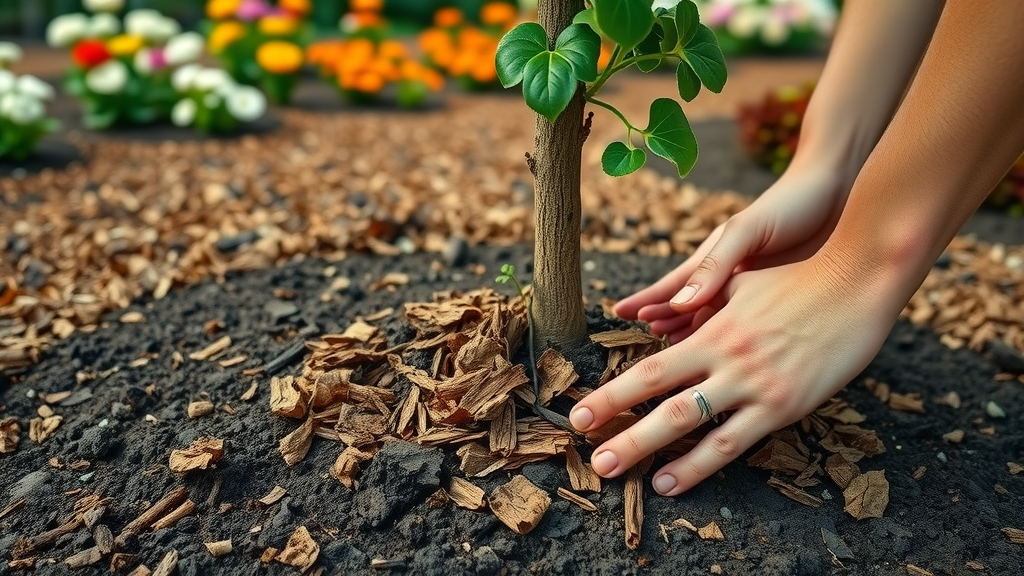
close-up of applying fresh organic mulch around base of young tree, showing moisture retention and correct technique for tree watering tips

Grow Your Landscaping Expertise For Thriving Trees All Year

Grow your landscaping expertise—call 203-271-7991 or visit TreeGuardianNews.com to subscribe.

Implement these tree watering tips with confidence—monitor, adapt each season, and stay proactive for lush, shade-filled gardens throughout the year!

To further enhance your understanding of effective tree watering practices, consider exploring the following resources:

  • “How to Properly Water Your Trees” by the Arbor Day Foundation offers comprehensive guidelines on watering techniques tailored to different tree ages and species. ( arborday.org )

  • “How to Water Trees and Shrubs” by The Home Depot provides practical advice on deep watering methods and the importance of watering at the drip line to promote healthy root systems. ( homedepot.com )

These resources will equip you with the knowledge to ensure your trees receive optimal hydration throughout the summer months.
Latest News

75 Views

Write A Comment

*
*
Please complete the captcha to submit your comment.
Related Posts All Posts
11.14.2026

Discover How to Protect Southern Live Oaks from Common Dangers!

Update Understanding Southern Live Oak Damage in Flower Mound Hello, Flower Mound residents! Today, we're diving into the world of trees, focusing on the Southern Live Oak, a prominent tree in our area. I'm Bob Davidson, an arborist dedicated to making tree care understandable and relatable for everyone, especially those curious young minds out there. Recently, I evaluated a mature Southern Live Oak that exhibited several intriguing conditions affecting its health. Anyone who is familiar with these stunning trees will appreciate how essential proper care is to their longevity. Let’s explore some serious conditions that can impact Southern Live Oaks, which are a staple of our landscape. What are the Potential Dangers? This particular oak tree showed signs of three major concerns: included bark, freeze damage, and a possible lightning strike. If you think your tree looks healthy on the outside, remember: it might still have hidden issues, like this one. Let’s discuss each condition in detail! Condition #1: The Hidden Risks of Included Bark Included bark occurs when the bark gets trapped between two stems growing closely together, called codominant stems. This can weaken the tree's structure over time. Imagine two friends holding hands; if one friend squeezes too tight and the other can’t get a good grip, one might slip away. For trees, this means one stem can break free if a storm hits. Condition #2: Freeze Damage Impacts The second concern stemmed from the freeze damage caused by our notorious winter storm in February 2021. Severe cold can harm the tree’s tissues, resulting in open wounds that expose it to decay and disease. If you’ve ever had a cold sore, you can understand how an outside injury can cause more problems as bacteria make their way in. Condition #3: The Threat of Lightning Strikes Lightning strikes can dramatically affect a tree, as seen in this case, by creating channels of damage that may extend down to the roots. Lightning doesn’t just knock a tree down; it can compromise its health, much like how a severe injury affects our ability to play sports. If you notice unusual splits in a tree after a storm, keep a lookout! Managing Tree Health So, what can homeowners do to keep their trees safe? Regular check-ups with a certified arborist are vital. These professionals can spot issues that might not be visible to you. Treatments like cabling and bracing can be used to support the tree structurally while also enabling it to grow naturally. Why Knowing About Tree Health Matters Tree care is essential not just for aesthetics but for the environment as well. Healthy trees provide cleaner air and a home for wildlife. By understanding and managing the conditions that affect them, we all help to keep our community flourishing and secure for years to come. If you've found these insights helpful and want to keep your trees in check, consider reaching out to a trusted arborist in your area. They can provide professional evaluations and treatments to ensure your trees stay healthy and thriving!

11.13.2026

Unlocking the Secrets to Keeping Italian Cypress Trees Healthy in Fort Worth

Update Mastering the Art of Italian Cypress Care in Fort Worth Italian Cypress trees (Cupressus sempervirens) can transform any landscape with their unique, towering appearance, creating a picturesque sight that captivates many in Fort Worth, Texas. However, their stunning aesthetics come with a set of challenges that every property owner must navigate. As an ISA Certified Arborist, I've had the privilege of maintaining some of the largest and oldest Italian Cypress trees in the area, each standing resiliently at heights of 75 to 100 feet. Let’s explore the essential practices for ensuring these magnificent trees thrive in the fluctuating climate of North Texas. The Challenge of North Texas Weather The Mediterranean origins of Italian Cypress trees mean they are naturally equipped to handle hot, dry summers and mild winters. However, Fort Worth's climate can be quite different, posing significant challenges to their health and longevity. Seasonal weather changes, including extended droughts and sudden downpours, considerably affect soil conditions, water availability, and tree resilience. Notably, these trees have shown vulnerability to specific issues, such as fungal diseases like Diplodia and Seiridium canker and pests like spider mites. Without a dedicated Plant Healthcare program, such threats can compromise their beauty and productivity. Ongoing care, tailored specifically to their needs, helps maintain their lush green foliage and architectural elegance. Importance of Proper Drainage One of the critical factors for the health of Italian Cypress is proper drainage. These trees require well-drained soils to thrive. If water saturates the soil for too long, it can lead to root zone hypoxia, creating a hostile environment for their roots. Roots are vital for nutrient absorption, and without sufficient oxygen in the soil, the trees can suffer, leading to reduced vigor and even mortality. During wet spring seasons, heavy rains can create conditions where compacted or clay-rich soils are unable to drain effectively. This is why I emphasize the necessity of proper drainage systems. For properties where the risk of waterlogging exists, implementing engineered drainage solutions can markedly improve tree health. Long-term Strategies for Maintenance To cultivate strong, healthy Italian Cypress trees, embracing a long-term Plant Healthcare strategy is essential. This approach goes beyond reactive measures and focuses on prevention through regular monitoring and maintenance. Not only do we manage disease and insect threats, but we also assess soil conditions and implement cultural controls to improve tree resilience. It's crucial to understand that these trees need time and care to adapt to their environment. Over the years, with proper stewardship, these iconic trees can continue to thrive, providing aesthetic joy and ecological benefits that enhance the landscape. Conclusion In summation, while Italian Cypress trees bring undeniable charm to Fort Worth properties, managing their health requires attentive care, knowledge of environmental conditions, and proactive strategies. Understanding their needs means embracing a comprehensive approach to tree care, ensuring these beauties remain vibrant for generations to come. As arborists, it’s our goal to demystify tree care practices, providing the insights necessary to empower property owners. Simplifying tree care into an actionable strategy can elevate the beauty of your landscape while benefiting the environment. For continued learning and tree care tips, stay connected with your local arborists and explore their offerings!

11.12.2026

Why Are Pine Tree Needles Turning Yellow? Discover the Causes and Treatments

Update Pine Trees and Their Colorful Needles If you’ve noticed your pine tree’s needles turning yellow or even brown in Westover Hills, Texas, you might be worried about the health of your tree. Before jumping to conclusions and thinking your tree is dying, let’s explore what yellowing needles really mean. It can be a sign of several conditions, some of which may not be severe at all. Understanding these factors is key to keeping your tree healthy. What Causes Yellowing Needles? Pine trees face various challenges, especially in North Texas, where extreme summer heat and periodic droughts can take a toll. However, factors can range from environmental stressors to normal changes in the tree's life cycle. Here are some common reasons why your pine tree’s needles might be showing signs of distress: The Role of Fungal Diseases One significant cause of needle yellowing is a fungal disease known as tip blight. This disease affects newer growth and is often linked to the fungus Diplodia sapinea. Symptoms can include: Yellowing or browning of young needles. Stunted or distorted branch shoots. Death of the tips or terminal buds. Visible resin on affected shoots. Understanding these signs is crucial as they can resemble symptoms of insect infestations or other health issues, making accurate diagnosis vital. Environmental Factors at Play In addition to disease, the condition of the soil plays a big role in the health of your pine tree. If the soil is overly wet, it can lead to a lack of oxygen for the roots, causing what’s termed root-zone hypoxia. This inability to breathe effectively leads to physiological stress for the tree, making it more susceptible to infections and less capable of thriving. How to Treat Your Pine Tree When determining how to treat a pine tree with yellowing needles, it’s essential to identify the specific issue at hand. Techniques may include treating for fungal infections or improving drainage around the tree's roots. A certified arborist, like those at Arborist USA, can help assess your tree's condition and recommend the best course of action tailored to your specific situation. Your Tree’s Health and Local Significance Understanding these tree health issues is significant not only for maintaining the beauty of your landscape but also because healthy trees contribute to the greater environment. They provide habitat, improve air quality, and enhance the biodiversity of your local community. Taking Action: What You Can Do If your pine tree is showing signs of distress, consider contacting a professional arborist. They can evaluate your tree and help implement a care strategy. Regular maintenance and awareness can go a long way in ensuring your trees thrive!

Green Space News

Homeowners & Businesses concerned about tree and landscape care, safety issues from storms, old or diseased trees, structural damage risks, and insurance implications.

Green Space News is a subsidiary of RP Design Web Services.

COMPANY

  • Privacy Policy
  • Terms of Use
  • Advertise
  • Contact Us
  • Menu 5
  • Menu 6

AVAILABLE FROM 8AM - 5PM

Cheshire,CT

POBox 1189

ABOUT US

Green Space News is your go-to media hub for cutting-edge strategies to maintain a safe and vibrant environment. We are committed to protecting your property and family by providing proactive tree hazard prevention and awareness. Our platform  empower communities to safeguard their surroundings and enjoy healthier, more resilient landscapes.

© 2026 RP Design Web Services All Rights Reserved. P.O. Box 1189, Cheshire, CT 06410 . Contact Us . Terms of Service . Privacy Policy

eyJjb21wYW55IjoiUlAgRGVzaWduIFdlYiBTZXJ2aWNlcyIsImFkZHJlc3MiOiJQLk8uIEJveCAxMTg5IiwiY2l0eSI6IkNoZXNoaXJlIiwic3RhdGUiOiJDVCIsInppcCI6IjA2NDEwIiwiZW1haWwiOiJyb2JlcnRAcnBkZXNpZ24uY29tIiwidG9zIjoiUEhBK1BITjBjbTl1Wno0OFpXMCtWMmhsYmlCNWIzVWdjMmxuYmkxcGJpQjNhWFJvSUhWekxDQjViM1VnWVhKbElHZHBkbWx1WnladVluTndPeUI1YjNWeUlIQmxjbTFwYzNOcGIyNGdZVzVrSUdOdmJuTmxiblFnZEc4Z2MyVnVaQ0I1YjNVZ1pXMWhhV3dnWVc1a0wyOXlJRk5OVXlCMFpYaDBJRzFsYzNOaFoyVnpMaUJDZVNCamFHVmphMmx1WnlCMGFHVWdWR1Z5YlhNZ1lXNWtJRU52Ym1ScGRHbHZibk1nWW05NElHRnVaQ0JpZVNCemFXZHVhVzVuSUdsdUlIbHZkU0JoZFhSdmJXRjBhV05oYkd4NUlHTnZibVpwY20wZ2RHaGhkQ0I1YjNVZ1lXTmpaWEIwSUdGc2JDQjBaWEp0Y3lCcGJpQjBhR2x6SUdGbmNtVmxiV1Z1ZEM0OEwyVnRQand2YzNSeWIyNW5Qand2Y0Q0S0NqeHdQanhoSUdoeVpXWTlJbWgwZEhBNkx5OTNkM2N1WjI5dloyeGxMbU52YlNJK2FIUjBjRG92TDNkM2R5NW5iMjluYkdVdVkyOXRQQzloUGp3dmNENEtDanh3UGladVluTndPend2Y0Q0S0NqeHdQanh6ZEhKdmJtYytVMFZTVmtsRFJUd3ZjM1J5YjI1blBqd3ZjRDRLQ2p4d1BsZGxJSEJ5YjNacFpHVWdZU0J6WlhKMmFXTmxJSFJvWVhRZ1kzVnljbVZ1ZEd4NUlHRnNiRzkzY3lCNWIzVWdkRzhnY21WalpXbDJaU0J5WlhGMVpYTjBjeUJtYjNJZ1ptVmxaR0poWTJzc0lHTnZiWEJoYm5rZ2FXNW1iM0p0WVhScGIyNHNJSEJ5YjIxdmRHbHZibUZzSUdsdVptOXliV0YwYVc5dUxDQmpiMjF3WVc1NUlHRnNaWEowY3l3Z1kyOTFjRzl1Y3l3Z1pHbHpZMjkxYm5SeklHRnVaQ0J2ZEdobGNpQnViM1JwWm1sallYUnBiMjV6SUhSdklIbHZkWElnWlcxaGFXd2dZV1JrY21WemN5QmhibVF2YjNJZ1kyVnNiSFZzWVhJZ2NHaHZibVVnYjNJZ1pHVjJhV05sTGlCWmIzVWdkVzVrWlhKemRHRnVaQ0JoYm1RZ1lXZHlaV1VnZEdoaGRDQjBhR1VnVTJWeWRtbGpaU0JwY3lCd2NtOTJhV1JsWkNBbWNYVnZkRHRCVXkxSlV5WnhkVzkwT3lCaGJtUWdkR2hoZENCM1pTQmhjM04xYldVZ2JtOGdjbVZ6Y0c5dWMybGlhV3hwZEhrZ1ptOXlJSFJvWlNCMGFXMWxiR2x1WlhOekxDQmtaV3hsZEdsdmJpd2diV2x6TFdSbGJHbDJaWEo1SUc5eUlHWmhhV3gxY21VZ2RHOGdjM1J2Y21VZ1lXNTVJSFZ6WlhJZ1kyOXRiWFZ1YVdOaGRHbHZibk1nYjNJZ2NHVnljMjl1WVd4cGVtRjBhVzl1SUhObGRIUnBibWR6TGp3dmNENEtDanh3UGxsdmRTQmhjbVVnY21WemNHOXVjMmxpYkdVZ1ptOXlJRzlpZEdGcGJtbHVaeUJoWTJObGMzTWdkRzhnZEdobElGTmxjblpwWTJVZ1lXNWtJSFJvWVhRZ1lXTmpaWE56SUcxaGVTQnBiblp2YkhabElIUm9hWEprSUhCaGNuUjVJR1psWlhNZ0tITjFZMmdnWVhNZ1UwMVRJSFJsZUhRZ2JXVnpjMkZuWlhNc0lFbHVkR1Z5Ym1WMElITmxjblpwWTJVZ2NISnZkbWxrWlhJZ2IzSWdZMlZzYkhWc1lYSWdZV2x5ZEdsdFpTQmphR0Z5WjJWektTNGdXVzkxSUdGeVpTQnlaWE53YjI1emFXSnNaU0JtYjNJZ2RHaHZjMlVnWm1WbGN5d2dhVzVqYkhWa2FXNW5JSFJvYjNObElHWmxaWE1nWVhOemIyTnBZWFJsWkNCM2FYUm9JSFJvWlNCa2FYTndiR0Y1SUc5eUlHUmxiR2wyWlhKNUlHOW1JR1ZoWTJnZ1UwMVRJSFJsZUhRZ2JXVnpjMkZuWlNCelpXNTBJSFJ2SUhsdmRTQmllU0IxY3k0Z1NXNGdZV1JrYVhScGIyNHNJSGx2ZFNCdGRYTjBJSEJ5YjNacFpHVWdZVzVrSUdGeVpTQnlaWE53YjI1emFXSnNaU0JtYjNJZ1lXeHNJR1Z4ZFdsd2JXVnVkQ0J1WldObGMzTmhjbmtnZEc4Z1lXTmpaWE56SUhSb1pTQlRaWEoyYVdObElHRnVaQ0J5WldObGFYWmxJSFJvWlNCVFRWTWdkR1Y0ZENCdFpYTnpZV2RsY3k0Z1YyVWdaRzhnYm05MElHTm9ZWEpuWlNCaGJua2dabVZsY3lCbWIzSWdaR1ZzYVhabGNua2diMllnWlcxaGFXd2diM0lnVTAxVExpQlVhR2x6SUdseklHRWdabkpsWlNCelpYSjJhV05sSUhCeWIzWnBaR1ZrSUdKNUlIVnpMaUJJYjNkbGRtVnlMQ0J3YkdWaGMyVWdZMmhsWTJzZ2QybDBhQ0I1YjNWeUlHbHVkR1Z5Ym1WMElITmxjblpwWTJVZ2NISnZkbWxrWlhJZ1lXNWtJR05sYkd4MWJHRnlJR05oY25KcFpYSWdabTl5SUdGdWVTQmphR0Z5WjJWeklIUm9ZWFFnYldGNUlHbHVZM1Z5SUdGeklHRWdjbVZ6ZFd4MElHWnliMjBnY21WalpXbDJhVzVuSUdWdFlXbHNJR0Z1WkNCVFRWTWdkR1Y0ZENCdFpYTnpZV2RsY3lCMGFHRjBJSGRsSUdSbGJHbDJaWElnZFhCdmJpQjViM1Z5SUc5d2RDMXBiaUJoYm1RZ2NtVm5hWE4wY21GMGFXOXVJSGRwZEdnZ2IzVnlJR1Z0WVdsc0lHRnVaQ0JUVFZNZ2MyVnlkbWxqWlhNdUlGbHZkU0JqWVc0Z1kyRnVZMlZzSUdGMElHRnVlU0IwYVcxbExpQktkWE4wSUhSbGVIUWdKbkYxYjNRN1UxUlBVQ1p4ZFc5ME95QjBieUE4YUdsbmFHeHBaMmgwSUdOc1lYTnpQU0pqYjIxd1lXNTVVR2h2Ym1WVmNHUmhkR1VpUGlzeE1qQXpNamN4TnprNU1Ud3ZhR2xuYUd4cFoyaDBQaTRnUVdaMFpYSWdlVzkxSUhObGJtUWdkR2hsSUZOTlV5QnRaWE56WVdkbElDWnhkVzkwTzFOVVQxQW1jWFZ2ZERzZ2RHOGdkWE1zSUhkbElIZHBiR3dnYzJWdVpDQjViM1VnWVc0Z1UwMVRJRzFsYzNOaFoyVWdkRzhnWTI5dVptbHliU0IwYUdGMElIbHZkU0JvWVhabElHSmxaVzRnZFc1emRXSnpZM0pwWW1Wa0xpQkJablJsY2lCMGFHbHpMQ0I1YjNVZ2QybHNiQ0J1YnlCc2IyNW5aWElnY21WalpXbDJaU0JUVFZNZ2JXVnpjMkZuWlhNZ1puSnZiU0IxY3k0OEwzQStDZ284Y0Q0OGMzUnliMjVuUGxsUFZWSWdVa1ZIU1ZOVVVrRlVTVTlPSUU5Q1RFbEhRVlJKVDA1VFBDOXpkSEp2Ym1jK1BDOXdQZ29LUEhBK1NXNGdZMjl1YzJsa1pYSmhkR2x2YmlCdlppQjViM1Z5SUhWelpTQnZaaUIwYUdVZ1UyVnlkbWxqWlN3Z2VXOTFJR0ZuY21WbElIUnZPand2Y0Q0S0NqeHZiRDRLQ1R4c2FUNXdjbTkyYVdSbElIUnlkV1VzSUdGalkzVnlZWFJsTENCamRYSnlaVzUwSUdGdVpDQmpiMjF3YkdWMFpTQnBibVp2Y20xaGRHbHZiaUJoWW05MWRDQjViM1Z5YzJWc1ppQmhjeUJ3Y205dGNIUmxaQ0JpZVNCMGFHVWdVMlZ5ZG1salpTWWpNems3Y3lCeVpXZHBjM1J5WVhScGIyNGdabTl5YlNBb2MzVmphQ0JwYm1admNtMWhkR2x2YmlCaVpXbHVaeUIwYUdVZ0puRjFiM1E3VW1WbmFYTjBjbUYwYVc5dUlFUmhkR0VtY1hWdmREc3BJR0Z1WkR3dmJHaytDZ2s4YkdrK2JXRnBiblJoYVc0Z1lXNWtJSEJ5YjIxd2RHeDVJSFZ3WkdGMFpTQjBhR1VnVW1WbmFYTjBjbUYwYVc5dUlFUmhkR0VnZEc4Z2EyVmxjQ0JwZENCMGNuVmxMQ0JoWTJOMWNtRjBaU3dnWTNWeWNtVnVkQ0JoYm1RZ1kyOXRjR3hsZEdVdUlFbG1JSGx2ZFNCd2NtOTJhV1JsSUdGdWVTQnBibVp2Y20xaGRHbHZiaUIwYUdGMElHbHpJSFZ1ZEhKMVpTd2dhVzVoWTJOMWNtRjBaU3dnYm05MElHTjFjbkpsYm5RZ2IzSWdhVzVqYjIxd2JHVjBaU3dnYjNJZ2QyVWdhR0YyWlNCeVpXRnpiMjVoWW14bElHZHliM1Z1WkhNZ2RHOGdjM1Z6Y0dWamRDQjBhR0YwSUhOMVkyZ2dhVzVtYjNKdFlYUnBiMjRnYVhNZ2RXNTBjblZsTENCcGJtRmpZM1Z5WVhSbExDQnViM1FnWTNWeWNtVnVkQ0J2Y2lCcGJtTnZiWEJzWlhSbExDQjNaU0JvWVhabElIUm9aU0J5YVdkb2RDQjBieUJ6ZFhOd1pXNWtJRzl5SUR4emRISnZibWMrUEhOd1lXNGdjM1I1YkdVOUltTnZiRzl5T2lOR1JqQXdNREE3SWo1MFpYSnRhVzVoZEdVZ2VXOTFjaUJoWTJOdmRXNTBMM0J5YjJacGJHVWdZVzVrSUhKbFpuVnpaU0JoYm5rZ1lXNWtJR0ZzYkNCamRYSnlaVzUwSUc5eUlHWjFkSFZ5WlNCMWMyVWdiMllnZEdobElGTmxjblpwWTJVZ0tHOXlJR0Z1ZVNCd2IzSjBhVzl1SUhSb1pYSmxiMllwTGp3dmMzQmhiajQ4TDNOMGNtOXVaejQ4TDJ4cFBnbzhMMjlzUGdvS1BIQStKbTVpYzNBN1BDOXdQZ284YUdsbmFHeHBaMmgwSUdOc1lYTnpQU0pqYjIxd1lXNTVUbUZ0WlZWd1pHRjBaU0krVWxBZ1JHVnphV2R1SUZkbFlpQlRaWEoyYVdObGN6d3ZhR2xuYUd4cFoyaDBQanhpY2lBdlBnbzhhR2xuYUd4cFoyaDBJR05zWVhOelBTSmpiMjF3WVc1NVFXUmtjbVZ6YzFWd1pHRjBaU0krVUM1UExpQkNiM2dnTVRFNE9Td2dRMmhsYzJocGNtVXNJRU5VSURBMk5ERXdQQzlvYVdkb2JHbG5hSFErUEdKeUlDOCtDanhvYVdkb2JHbG5hSFFnWTJ4aGMzTTlJbU52YlhCaGJubFFhRzl1WlZWd1pHRjBaU0krS3pFeU1ETXlOekUzT1RreFBDOW9hV2RvYkdsbmFIUStQR0p5SUM4K0NqeG9hV2RvYkdsbmFIUWdZMnhoYzNNOUltTnZiWEJoYm5sRmJXRnBiRlZ3WkdGMFpTSStjbTlpWlhKMFFISndaR1Z6YVdkdUxtTnZiVHd2YUdsbmFHeHBaMmgwUGc9PSIsInByaXZhY3kiOiJQSEErUEhOMGNtOXVaejVRVWtsV1FVTlpQQzl6ZEhKdmJtYytQQzl3UGdvS1BIQStQSE4wY205dVp6NVVhR1VnYVc1bWIzSnRZWFJwYjI0Z2NISnZkbWxrWldRZ1pIVnlhVzVuSUhSb2FYTWdjbVZuYVhOMGNtRjBhVzl1SUdseklHdGxjSFFnY0hKcGRtRjBaU0JoYm1RZ1kyOXVabWxrWlc1MGFXRnNMQ0JoYm1RZ2QybHNiQ0J1WlhabGNpQmlaU0JrYVhOMGNtbGlkWFJsWkN3Z1kyOXdhV1ZrTENCemIyeGtMQ0IwY21Ga1pXUWdiM0lnY0c5emRHVmtJR2x1SUdGdWVTQjNZWGtzSUhOb1lYQmxJRzl5SUdadmNtMHVJRlJvYVhNZ2FYTWdiM1Z5SUdkMVlYSmhiblJsWlM0OEwzTjBjbTl1Wno0OEwzQStDZ284Y0Q0OGMzUnliMjVuUGtsT1JFVk5Ua2xVV1R3dmMzUnliMjVuUGp3dmNENEtDanh3UGp4bGJUNVpiM1VnWVdkeVpXVWdkRzhnYVc1a1pXMXVhV1o1SUdGdVpDQm9iMnhrSUhWekxDNGdZVzVrSUdsMGN5QnpkV0p6YVdScFlYSnBaWE1zSUdGbVptbHNhV0YwWlhNc0lHOW1abWxqWlhKekxDQmhaMlZ1ZEhNc0lHTnZMV0p5WVc1a1pYSnpJRzl5SUc5MGFHVnlJSEJoY25SdVpYSnpMQ0JoYm1RZ1pXMXdiRzk1WldWekxDQm9ZWEp0YkdWemN5Qm1jbTl0SUdGdWVTQmpiR0ZwYlNCdmNpQmtaVzFoYm1Rc0lHbHVZMngxWkdsdVp5QnlaV0Z6YjI1aFlteGxJR0YwZEc5eWJtVjVjeVlqTXprN0lHWmxaWE1zSUcxaFpHVWdZbmtnWVc1NUlIUm9hWEprSUhCaGNuUjVJR1IxWlNCMGJ5QnZjaUJoY21semFXNW5JRzkxZENCdlppQkRiMjUwWlc1MElIbHZkU0J5WldObGFYWmxMQ0J6ZFdKdGFYUXNJSEpsY0d4NUxDQndiM04wTENCMGNtRnVjMjFwZENCdmNpQnRZV3RsSUdGMllXbHNZV0pzWlNCMGFISnZkV2RvSUhSb1pTQlRaWEoyYVdObExDQjViM1Z5SUhWelpTQnZaaUIwYUdVZ1UyVnlkbWxqWlN3Z2VXOTFjaUJqYjI1dVpXTjBhVzl1SUhSdklIUm9aU0JUWlhKMmFXTmxMQ0I1YjNWeUlIWnBiMnhoZEdsdmJpQnZaaUIwYUdVZ1ZFOVRMQ0J2Y2lCNWIzVnlJSFpwYjJ4aGRHbHZiaUJ2WmlCaGJua2djbWxuYUhSeklHOW1JR0Z1YjNSb1pYSXVQQzlsYlQ0OEwzQStDZ284Y0Q0OGMzUnliMjVuUGtSSlUwTk1RVWxOUlZJZ1QwWWdWMEZTVWtGT1ZFbEZVend2YzNSeWIyNW5Qand2Y0Q0S0NqeHdQanh6ZEhKdmJtYytXVTlWSUVWWVVGSkZVMU5NV1NCVlRrUkZVbE5VUVU1RUlFRk9SQ0JCUjFKRlJTQlVTRUZVT2p3dmMzUnliMjVuUGp3dmNENEtDanh2YkQ0S0NUeHNhVDVaVDFWU0lGVlRSU0JQUmlCVVNFVWdVMFZTVmtsRFJTQkpVeUJCVkNCWlQxVlNJRk5QVEVVZ1VrbFRTeTRnVkVoRklGTkZVbFpKUTBVZ1NWTWdVRkpQVmtsRVJVUWdUMDRnUVU0Z0puRjFiM1E3UVZNZ1NWTW1jWFZ2ZERzZ1FVNUVJQ1p4ZFc5ME8wRlRJRUZXUVVsTVFVSk1SU1p4ZFc5ME95QkNRVk5KVXk0Z0xDNGdRVTVFSUZWVExDQkpWQ1lqTXprN1V5QkRWVk5VVDAxRlVsTXNJRVZZVUZKRlUxTk1XU0JFU1ZORFRFRkpUVk1nUVV4TUlGZEJVbEpCVGxSSlJWTWdUMFlnUVU1WklFdEpUa1FzSUZkSVJWUklSVklnUlZoUVVrVlRVeUJQVWlCSlRWQk1TVVZFTENCSlRrTk1WVVJKVGtjc0lFSlZWQ0JPVDFRZ1RFbE5TVlJGUkNCVVR5QlVTRVVnU1UxUVRFbEZSQ0JYUVZKU1FVNVVTVVZUSUU5R0lFMUZVa05JUVU1VVFVSkpURWxVV1N3Z1JrbFVUa1ZUVXlCR1QxSWdRU0JRUVZKVVNVTlZURUZTSUZCVlVsQlBVMFVnUVU1RUlFNVBUaTFKVGtaU1NVNUhSVTFGVGxRdVBDOXNhVDRLQ1R4c2FUNU5RVXRGVXlCT1R5QlhRVkpTUVU1VVdTQlVTRUZVSUNocEtTQlVTRVVnVTBWU1ZrbERSU0JYU1V4TUlFMUZSVlFnV1U5VlVpQlNSVkZWU1ZKRlRVVk9WRk1zSUNocGFTa2dWRWhGSUZORlVsWkpRMFVnVjBsTVRDQkNSU0JWVGtsT1ZFVlNVbFZRVkVWRUxDQlVTVTFGVEZrc0lGTkZRMVZTUlN3Z1QxSWdSVkpTVDFJdFJsSkZSU3dnS0dscGFTa2dWRWhGSUZKRlUxVk1WRk1nVkVoQlZDQk5RVmtnUWtVZ1QwSlVRVWxPUlVRZ1JsSlBUU0JVU0VVZ1ZWTkZJRTlHSUZSSVJTQlRSVkpXU1VORklGZEpURXdnUWtVZ1FVTkRWVkpCVkVVZ1QxSWdVa1ZNU1VGQ1RFVXNJRUZPUkNBb2FYWXBJRUZPV1NCRlVsSlBVbE1nU1U0Z1ZFaEZJRk5QUmxSWFFWSkZJRmRKVEV3Z1FrVWdRMDlTVWtWRFZFVkVMand2YkdrK0NnazhiR2srUVU1WklFMUJWRVZTU1VGTUlFUlBWMDVNVDBGRVJVUWdUMUlnVDFSSVJWSlhTVk5GSUU5Q1ZFRkpUa1ZFSUZSSVVrOVZSMGdnVkVoRklGVlRSU0JQUmlCVVNFVWdVMFZTVmtsRFJTQkpVeUJFVDA1RklFRlVJRmxQVlZJZ1QxZE9JRVJKVTBOU1JWUkpUMDRnUVU1RUlGSkpVMHNnUVU1RUlGUklRVlFnV1U5VklGZEpURXdnUWtVZ1UwOU1SVXhaSUZKRlUxQlBUbE5KUWt4RklFWlBVaUJCVGxrZ1JFRk5RVWRGSUZSUElGbFBWVklnUTA5TlVGVlVSVklnVTFsVFZFVk5JRTlTSUV4UFUxTWdUMFlnUkVGVVFTQlVTRUZVSUZKRlUxVk1WRk1nUmxKUFRTQlVTRVVnUkU5WFRreFBRVVFnVDBZZ1FVNVpJRk5WUTBnZ1RVRlVSVkpKUVV3dVBDOXNhVDRLQ1R4c2FUNU9UeUJCUkZaSlEwVWdUMUlnU1U1R1QxSk5RVlJKVDA0c0lGZElSVlJJUlZJZ1QxSkJUQ0JQVWlCWFVrbFVWRVZPTENCUFFsUkJTVTVGUkNCQ1dTQlpUMVVnUmxKUFRTQlBVaUJVU0ZKUFZVZElJRTlTSUVaU1QwMGdWRWhGSUZORlVsWkpRMFVnVTBoQlRFd2dRMUpGUVZSRklFRk9XU0JYUVZKU1FVNVVXU0JPVDFRZ1JWaFFVa1ZUVTB4WklGTlVRVlJGUkNCSlRpQlVTRVVnVkU5VExqd3ZiR2srQ2p3dmIydytDZ284Y0Q0OGMzUnliMjVuUGt4SlRVbFVRVlJKVDA0Z1QwWWdURWxCUWtsTVNWUlpQQzl6ZEhKdmJtYytQQzl3UGdvS1BIQStXVTlWSUVWWVVGSkZVMU5NV1NCVlRrUkZVbE5VUVU1RUlFRk9SQ0JCUjFKRlJTQlVTRUZVSUVGT1JDQlRTRUZNVENCT1QxUWdRa1VnVEVsQlFreEZJRVpQVWlCQlRsa2dSRWxTUlVOVUxDQkpUa1JKVWtWRFZDd2dTVTVEU1VSRlRsUkJUQ3dnVTFCRlEwbEJUQ3dnUTA5T1UwVlJWVVZPVkVsQlRDQlBVaUJGV0VWTlVFeEJVbGtnUkVGTlFVZEZVeXdnU1U1RFRGVkVTVTVISUVKVlZDQk9UMVFnVEVsTlNWUkZSQ0JVVHl3Z1JFRk5RVWRGVXlCR1QxSWdURTlUVXlCUFJpQlFVazlHU1ZSVExDQkhUMDlFVjBsTVRDd2dWVk5GTENCRVFWUkJJRTlTSUU5VVNFVlNJRWxPVkVGT1IwbENURVVnVEU5VFUwVlRJQ2hGVmtWT0lFbEdJRWhCVXlCQ1JVVk9JRUZFVmtsVFJVUWdUMFlnVkVoRklGQlBVMU5KUWtsTVNWUlpJRTlHSUZOVlEwZ2dSRUZOUVVkRlV5a3NJRkpGVTFWTVZFbE9SeUJHVWs5Tk9qd3ZjRDRLQ2p4dmJENEtDVHhzYVQ1VVNFVWdWVk5GSUU5U0lGUklSU0JKVGtGQ1NVeEpWRmtnVkU4Z1ZWTkZJRlJJUlNCVFJWSldTVU5GT3p3dmJHaytDZ2s4YkdrK1ZFaEZJRU5QVTFRZ1QwWWdVRkpQUTFWU1JVMUZUbFFnVDBZZ1UxVkNVMVJKVkZWVVJTQkhUMDlFVXlCQlRrUWdVMFZTVmtsRFJWTWdVa1ZUVlV4VVNVNUhJRVpTVDAwZ1FVNVpJRWRQVDBSVExDQkVRVlJCTENCSlRrWlBVazFCVkVsUFRpQlBVaUJUUlZKV1NVTkZVeUJRVlZKRFNFRlRSVVFnVDFJZ1QwSlVRVWxPUlVRZ1QxSWdUVVZUVTBGSFJWTWdVa1ZEUlVsV1JVUWdUMUlnVkZKQlRsTkJRMVJKVDA1VElFVk9WRVZTUlVRZ1NVNVVUeUJVU0ZKUFZVZElJRTlTSUVaU1QwMGdWRWhGSUZORlVsWkpRMFU3UEM5c2FUNEtDVHhzYVQ1VlRrRlZWRWhQVWtsYVJVUWdRVU5EUlZOVElGUlBJRTlTSUVGTVZFVlNRVlJKVDA0Z1QwWWdXVTlWVWlCVVVrRk9VMDFKVTFOSlQwNVRJRTlTSUVSQlZFRTdQQzlzYVQ0S0NUeHNhVDVUVkVGVVJVMUZUbFJUSUU5U0lFTlBUa1JWUTFRZ1QwWWdRVTVaSUZSSVNWSkVJRkJCVWxSWklFOU9JRlJJUlNCVFJWSldTVU5GT3lCUFVqd3ZiR2srQ2drOGJHaytRVTVaSUU5VVNFVlNJRTFCVkZSRlVpQlNSVXhCVkVsT1J5QlVUeUJVU0VVZ1UwVlNWa2xEUlM0OEwyeHBQZ284TDI5c1Bnb0tQSEErUEhVK1Fua2djbVZuYVhOMFpYSnBibWNnWVc1a0lITjFZbk5qY21saWFXNW5JSFJ2SUc5MWNpQmxiV0ZwYkNCaGJtUWdVMDFUSUhObGNuWnBZMlVzSUdKNUlHOXdkQzFwYml3Z2IyNXNhVzVsSUhKbFoybHpkSEpoZEdsdmJpQnZjaUJpZVNCbWFXeHNhVzVuSUc5MWRDQmhJR05oY21Rc0lDWnhkVzkwTzNsdmRTQmhaM0psWlNCMGJ5QjBhR1Z6WlNCVVJWSk5VeUJQUmlCVFJWSldTVU5GSm5GMWIzUTdJR0Z1WkNCNWIzVWdZV05yYm05M2JHVmtaMlVnWVc1a0lIVnVaR1Z5YzNSaGJtUWdkR2hsSUdGaWIzWmxJSFJsY20xeklHOW1JSE5sY25acFkyVWdiM1YwYkdsdVpXUWdZVzVrSUdSbGRHRnBiR1ZrSUdadmNpQjViM1VnZEc5a1lYa3VQQzkxUGp3dmNENEtDanh3UGladVluTndPend2Y0Q0S1BHaHBaMmhzYVdkb2RDQmpiR0Z6Y3owaVkyOXRjR0Z1ZVU1aGJXVlZjR1JoZEdVaVBsSlFJRVJsYzJsbmJpQlhaV0lnVTJWeWRtbGpaWE04TDJocFoyaHNhV2RvZEQ0OFluSWdMejRLUEdocFoyaHNhV2RvZENCamJHRnpjejBpWTI5dGNHRnVlVUZrWkhKbGMzTlZjR1JoZEdVaVBsQXVUeTRnUW05NElERXhPRGtzSUVOb1pYTm9hWEpsTENCRFZDQXdOalF4TUR3dmFHbG5hR3hwWjJoMFBqeGljaUF2UGdvOGFHbG5hR3hwWjJoMElHTnNZWE56UFNKamIyMXdZVzU1VUdodmJtVlZjR1JoZEdVaVBpc3hNakF6TWpjeE56azVNVHd2YUdsbmFHeHBaMmgwUGp4aWNpQXZQZ284YUdsbmFHeHBaMmgwSUdOc1lYTnpQU0pqYjIxd1lXNTVSVzFoYVd4VmNHUmhkR1VpUG5KdlltVnlkRUJ5Y0dSbGMybG5iaTVqYjIwOEwyaHBaMmhzYVdkb2REND0ifQ==

Terms of Service

Privacy Policy

Core Modal Title

Sorry, no results found

You Might Find These Articles Interesting

T
Please Check Your Email
We Will Be Following Up Shortly
*
*
*