








Why Are Pine Trees Showing Yellow Needles?
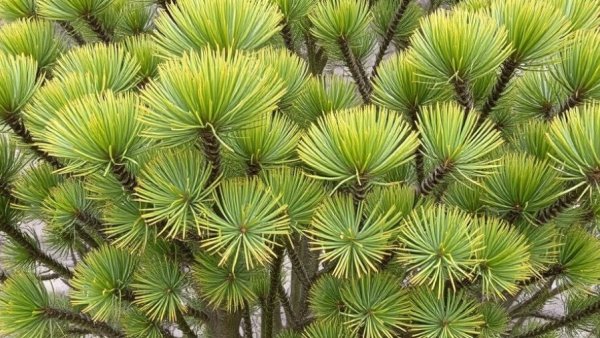
Pine trees, typically known for their deep green needles, can reveal alarming symptoms like yellowing and browning. This discoloration can be distressing to homeowners in Westover Hills, TX. However, it's crucial to recognize that not all yellow needles indicate a disease or pest problem; environmental factors play a significant role. As we analyzed the situation, it became clear that prolonged exposure to harsh heat and drought led to these changes in our local pine trees.
The Impact of Fierce Summer Conditions
During the summer of 2026, North Texas faced extreme heat and lengthy dry spells, conditions that stressed our pine trees. With diminished soil moisture, these trees struggled to replace lost water, forcing them to adapt their physiological functions. Key adjustments include reduced leaf openings and decreased photosynthesis rates. This natural response allows the tree to conserve moisture, but it can also result in the accelerated yellowing and shedding of older needles.
Understanding Needle Shedding in Pines
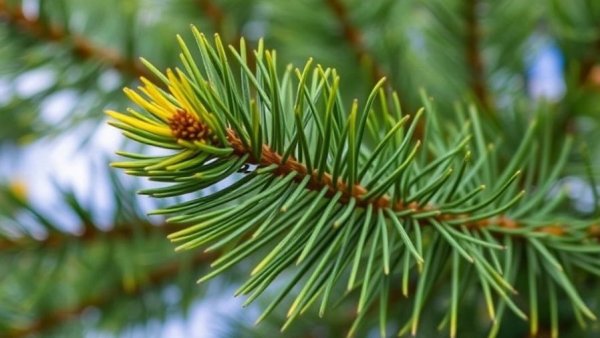
This brings us to a natural process in pines: needle shedding. As part of their life cycle, pine trees naturally discard older needles after about two to five years. When trees encounter stress, like that from drought, they may shed older needles more rapidly to conserve water. This is particularly visible in the inner parts of the canopy, where yellowing needles can lead homeowners to mistakenly assume there’s an urgent issue affecting their trees.
How Evapotranspiration Plays a Role
One of the key concepts to understand is evapotranspiration, the combination of water loss from soil and plants. Pines take up water through their roots and release it back to the atmosphere through transpiration—a vital process for the tree’s health. Yet, in situations of low humidity and high temperatures, transpiration can put added stress on the tree, compounding the effects of drought.
Supporting Tree Recovery Through Simple Care Tips
Understanding the relationship between environmental stress and pine health equips homeowners to take proactive measures. Here are some simple ways to help:
- Mulching: Add organic mulch around the base to help retain soil moisture.
- Regular Watering: During dry spells, deep watering every few weeks can aid recovery, especially for younger trees.
- Consultation with an Arborist: If yellowing persists, reach out to a local arborist for advice tailored to your specific trees.
Being proactive not only helps individual trees but also fosters a healthier environment in the community. Maintaining awareness of the signs of environmental stress can be crucial in encouraging local ecosystem resilience.



Write A Comment