








Did you know that nearly 30% of urban trees fail due to inadequate water? This staggering statistic highlights a pressing challenge facing homeowners, city planners, and gardeners everywhere. Yet, there's a simple solution: drought-resistant trees . These resilient species are changing the game, offering lush greenery and vibrant blooms with minimal fuss—even during tough drought years. Read on to discover the best varieties for effortless beauty, the science behind their strength, and expert tips so your landscape stays thriving, water-wise, and worry-free!
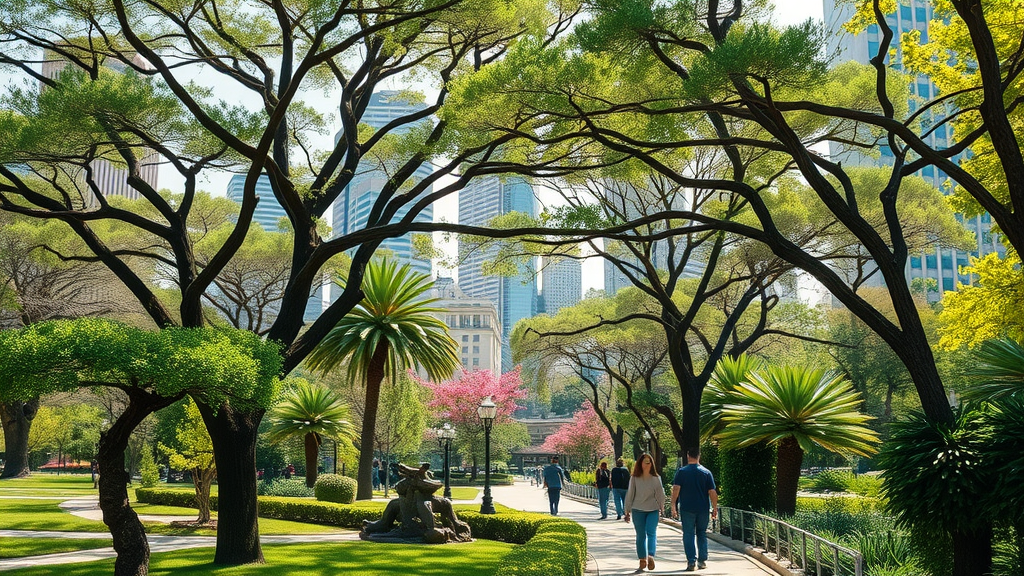
Discover Why Drought-Resistant Trees Are Transforming Modern Landscapes
- Startling Statistic: Nearly 30% of urban trees fail due to inadequate water—drought-resistant trees have changed the survival game for landscapers and homeowners alike.
In today’s world, water scarcity is impacting how we design our outdoor spaces. Drought-resistant trees are gaining popularity for their unique ability to thrive in tough conditions while reducing landscape maintenance. Cities across the United States and North America are turning to these tolerant trees to create more sustainable, vibrant public spaces.
It’s not just city planners who benefit from these resilient trees — homeowners love them for their low water requirements and their impressive tolerance to various soil types. These trees offer year-round shade, add diverse textures and colors, and even help cool entire neighborhoods during scorching summers. By choosing drought-tolerant and resistant trees , you can ensure your yard remains both beautiful and environmentally responsible, regardless of unpredictable weather.
Adopting drought-tolerant trees is an easy, cost-effective way to reduce your water bill, safeguard your planting investments, and support urban biodiversity. For anyone aiming to future-proof their landscape, these trees are truly a smart, forward-thinking choice.
Top 15 Drought-Resistant Trees for Effortless Low-Maintenance Beauty
1. Crape Myrtle: Vibrant Blooms and Exceptional Tolerance
Crape myrtle dazzles with bursts of color all summer long, flaunting brilliant pinks, purples, and whites. Beloved as a flowering tree , it stands up to drought with remarkable ease, requiring far less water than many traditional garden favorites. Its resilience makes it a favorite in southern United States landscapes, thriving in a wide range of soil types—even poor soil.
Not only does the crape myrtle resist both drought and disease, it provides essential shade and enhances curb appeal. These tolerant trees adapt happily as either striking specimen trees or as privacy screens in a front yard. Once established, crape myrtles truly earn their reputation as one of the most reliable low-maintenance choices.
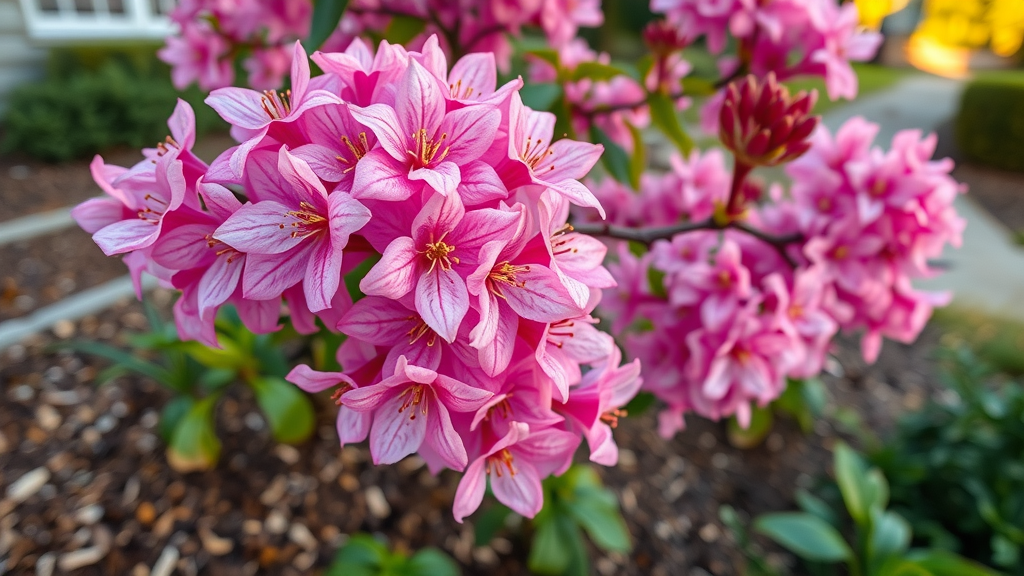
2. Eastern Red: Native Elegance and Resilience
The eastern red tree delivers both hardiness and elegance. As a native of North America, it tolerates drought, compacted soils, and varying climates with ease, making it a popular choice for naturalizing new landscapes or adding springtime color to established gardens.
Eastern red trees bring early spring blooms, brilliant fall color , and provide food for pollinators and wildlife. These drought-tolerant trees fit beautifully as understory options or as focal points in home gardens, requiring little more than periodic deep watering to thrive even in the driest seasons.
3. Palo Verde: Iconic Southwest Drought Tolerant Trees
With its striking green bark and delicate yellow flowers, the palo verde is an icon of Southwestern resilience. It excels where water is scarce, supporting fragile desert ecosystems and adding vivid beauty to arid landscapes. Its root system is uniquely adapted for finding every drop of available moisture, which in turn guarantees its survival through extreme drought.
A popular choice for shade or ornamental use, palo verde’s ability to flower even after long dry spells adds seasonal bursts of color. If you’re in a hot, dry region, look no further than palo verde for a tree that truly embodies the term “drought-tolerant.”
4. Live Oak: Shade Tree Royalty for Dry Climates
The legendary live oak is lauded as the “shade tree royalty” of dry climates. Thanks to its sprawling canopy and deep root system, the live oak not only thrives in drought but also provides generous, reliable shade—making it a cornerstone in Southern landscapes and public parks alike.
This oak tree can live for centuries, retaining evergreen leaves even during harsh, arid summers. Its hardiness zone covers a wide swath of the southern and coastal United States, ensuring homeowners and landscapers can rely on it for both visual impact and drought resistance.
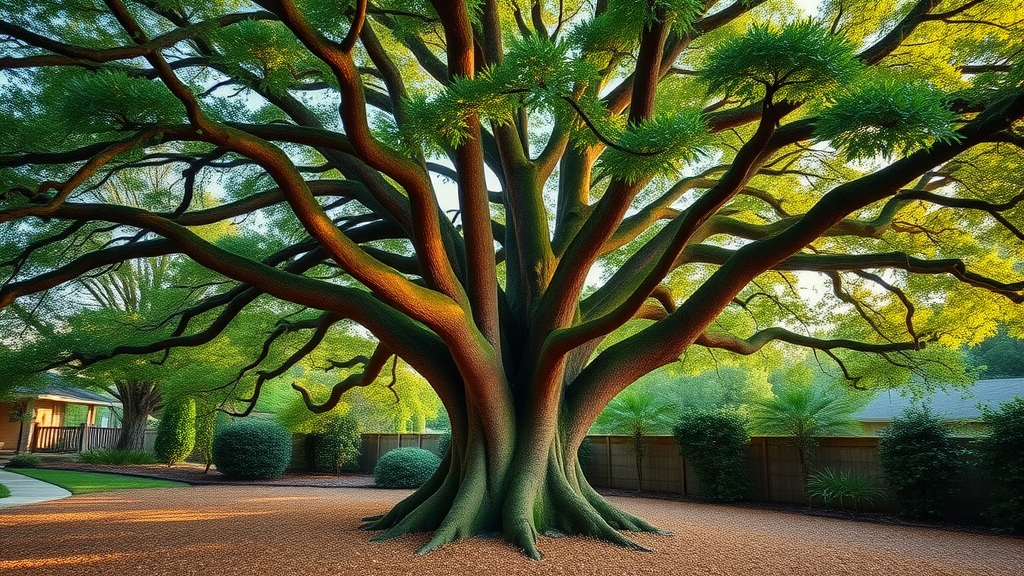
5. Olive Tree: Mediterranean Flair Meets Resilient Growth
Known for its gnarled trunk and silvery green leaves, the olive tree brings Mediterranean charm to gardens and landscapes in need of drought tolerance. Ideal for dry climates and poor soil, these trees require only occasional deep watering once established.
Olive trees are not just beautiful—they’re also functional, producing fruit and needing minimal care. Their graceful form and low-maintenance habit make them a choice ornamental or productive berry tree for urban gardens.
6. Bur Oak: Majestic and Exceptionally Tolerant Trees
Bur oak is celebrated for its ruggedness and ability to cope with urban pollution, compacted soils, and drought. Its massive, slow-growing stature ensures long-term shade and beauty. The bur oak thrives across a wide range of hardiness zones, making it a smart pick for trouble-free landscaping.
As a member of the oak tree family, the bur oak not only resists dry periods but also adapts to various soil types, from clay to sand. This outstanding survivor is excellent for large yards, parks, and as a stately avenue tree.
7. Kentucky Coffee Tree: Unique, Hardy, and Water Wise
The Kentucky coffee tree stands out for its bold, architectural branching and adaptability. Native to North America, it flourishes even in poor or compacted soils and endures dry spells easily with its deep roots.
This kentucky coffee tree is especially valuable for its upright shape, which creates filtered shade while remaining largely pest and disease free. Its story of resurgence as a city tree is a testament to its water-wise qualities and versatility.
8. Fan Palm: Classic Drought Resistant Trees for Urban Spaces
Fan palms are synonymous with sunny, coastal skylines but also rank among the best drought-tolerant and low-maintenance urban trees. These palms feature large, bold fronds that add a tropical vibe and provide effective shade, particularly in medians and courtyards where water can be scarce.
Whether you’re considering the classic California fan palm or other hardy palm tree varieties, their ability to store water and withstand heat makes them perfect for contemporary landscapes and hassle-free outdoor living spaces.
9. Mesquite: Drought Tolerant and Environmentally Friendly
Mesquite trees are desert dwellers with a talent for transforming poor, sandy soils into thriving groves. Prized in western landscapes, they feature feathery, blue-green foliage and provide important shade for both people and wildlife.
Mesquites are celebrated as environmentally friendly because they fix nitrogen in the soil, support pollinators, and serve as windbreaks. Their resilience and ability to flourish in arid conditions make them top choices for ecologically sound landscaping.
10. Chitalpa: Fast-Growing Flowering Tree for Tough Conditions
Chitalpa trees dazzle with profuse, trumpet-shaped blooms throughout the hottest months. This flowering tree is hybridized specifically to endure dry soils and punishing summer sun, retaining vigor without frequent watering.
Popular as a street tree or accent piece, the chitalpa’s rapid growth, disease resistance, and tolerance for urban pollution make it a must for landscapes where beauty and resilience are equally valued.
11. Desert Willow: Graceful Blooms and Water Efficiency
Desert willow trees deliver an elegant combination of drought resistance and ornamental flair. Their long, willow-like leaves and orchid-shaped flowers attract hummingbirds, making them a favorite in water-wise wildlife gardens.
These tolerant trees grow quickly, handle reflected heat from pavement, and require little care beyond initial establishment. Their delicate appearance belies a hardy constitution—a true asset to any xeric landscape.
12. Redbud: Brilliant Flowering Drought Tolerant Choice
Redbud trees burst into life each spring with clouds of magenta, pink, or white flowers. These native North American wonders handle tough conditions, including dry spells, thanks to their adaptable root system.
Redbuds work well as ornamental understory trees, adding dazzling color without demanding constant watering. Their versatility extends to clay or rocky soils, making them ideal for a wide range of U.S. garden settings.
13. Eucalyptus: Aromatic and Robust Drought Survivor
Eucalyptus trees are prized for their rapid growth, distinctive fragrance, and ability to flourish where water is limited. Their silver-green leaves, peeling bark, and statuesque form add drama to dry landscapes, while their deep roots find moisture far below the surface.
These robust, evergreen trees act as windbreaks, privacy screens, or striking specimens. Eucalyptus species are especially recommended for eroded or sloping sites where soil stabilization is critical.
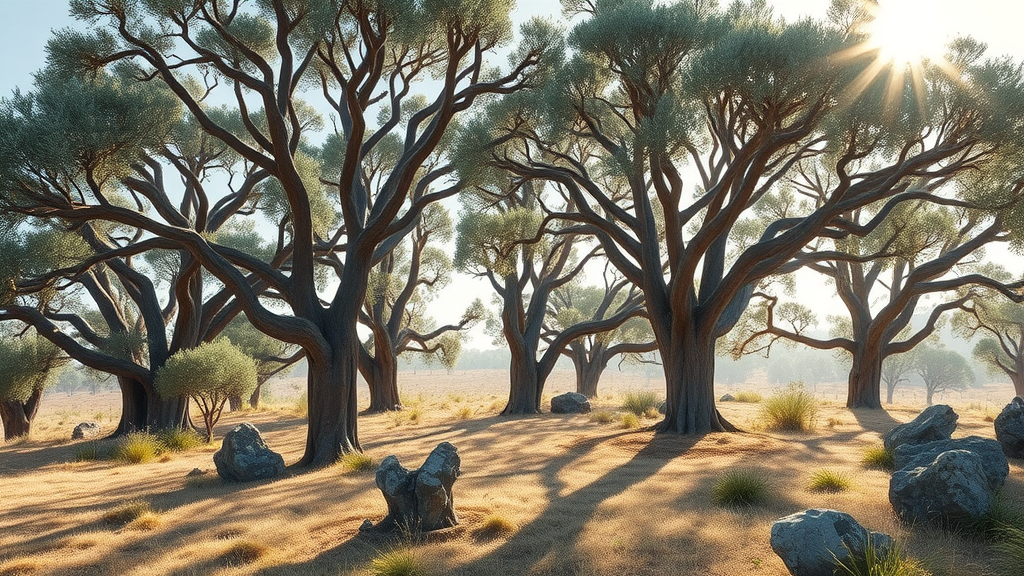
14. Bottlebrush: Showy Flowers Meet Dry-Climate Adaptability
Bottlebrush trees combine blazing, brush-like flowers in red or pink with unstoppable drought resistance. Ideal for curbside plantings or privacy hedges, bottlebrush trees remain evergreen and vibrant even during the longest dry spells.
Frequently used as flowering or screening trees, their tolerance for heat, low water, and poor soils makes them favorites in both coastal and inland areas, along with a constant source of nectar for pollinators.
15. Berry Tree (Mulberry): Productive and Tolerant Trees for Home Gardens
Berry trees (Mulberry) deliver an abundant harvest with barely any fuss. Adaptable to various soils—including clay, loam, and sandy types—mulberries thrive with minimal watering, even in hot, dry summers. Their robust branches provide ample shade and support nesting wildlife.
A favorite for both fruit and foliage, the mulberry’s tolerance for urban conditions and drought makes it well suited for home orchards, front yard shade, or serving as a seasonal privacy screen.
Key Features and Benefits of Drought-Resistant Trees
- Low water requirements, disease resistance, low maintenance, improved shade, and landscape diversity.
Drought-resistant trees aren’t just a smart choice for saving water—they offer a suite of advantages. Their low water needs mean less time spent with hoses or irrigation systems. These tolerant trees are typically disease-resistant, reducing the need for chemicals and making them eco-friendly options for residential, commercial, and municipal landscapes.
Their robust root systems often make them more stable in the face of storms, while their broad canopies provide much-needed shade, cooling your home and community naturally. Drought-tolerant trees also add texture, diversity, and seasonal interest to any landscape, ensuring year-round beauty with minimal effort.
| Tree Name | Mature Height | Water Needs | Unique Feature | USDA Zone |
|---|---|---|---|---|
| Crape Myrtle | 15-25 ft | Low | Vibrant summer blooms | 6-9 |
| Eastern Red | 20-35 ft | Low | Native, spring color | 4-9 |
| Palo Verde | 20-30 ft | Very Low | Green bark, yellow flowers | 8-11 |
| Live Oak | 40-80 ft | Low | Massive spreading canopy | 7-10 |
| Olive Tree | 20-30 ft | Very Low | Edible fruit, evergreen | 8-10 |
| Bur Oak | 60-80 ft | Low | Thick bark, longevity | 3-8 |
| Kentucky Coffee | 60-75 ft | Very Low | Coffee-like seeds, filtered shade | 3-8 |
| Fan Palm | 40-60 ft | Very Low | Tropical foliage, heat-tolerant | 8-11 |
| Mesquite | 20-40 ft | Very Low | Nitrogen fixer, wildlife support | 7-9 |
| Chitalpa | 20-35 ft | Low | Long bloom season | 6-9 |
How to Select the Best Drought-Resistant Trees for Your Region
- Consider soil type, USDA hardiness zone, sunlight, and intended use (shade tree, flowering tree, screening).
Choosing the right drought-tolerant tree starts with evaluating your landscape’s unique needs. Begin by testing your soil type—clay, loam, or sandy soils all impact tree growth and water needs. Knowing your USDA hardiness zone lets you match the tree’s climate tolerance to your region, ensuring your selected tree will survive both heatwaves and unexpected cold snaps.
Don’t forget sunlight: Evaluate whether you need tolerant trees for full sun, partial shade, or difficult spots. Finally, decide your primary use—is it a shade tree for the backyard, a privacy screen along the fence line, or an ornamental flowering tree to boost curb appeal? Making the right choices up front ensures drought-resistant trees thrive and provide value for decades.
Matching Drought Tolerant Trees with Climate and Soil
Every tree species performs best when matched with its ideal environment. Deep-rooted options like live oak and bur oak excel in both heavy clay and sandy soils, while palo verde and mesquite are perfect for rocky, nutrient-poor locations. Assess the drainage and pH of your soil, and consider trees such as olive, fan palm, and eucalyptus for alkaline or saline conditions.
A professional landscape designer or arborist can help assess and recommend tree species best suited to your site. When in doubt, start with native drought-resistant trees —these are naturally acclimated to local rainfall and soil challenges, and demand much less supplemental care.
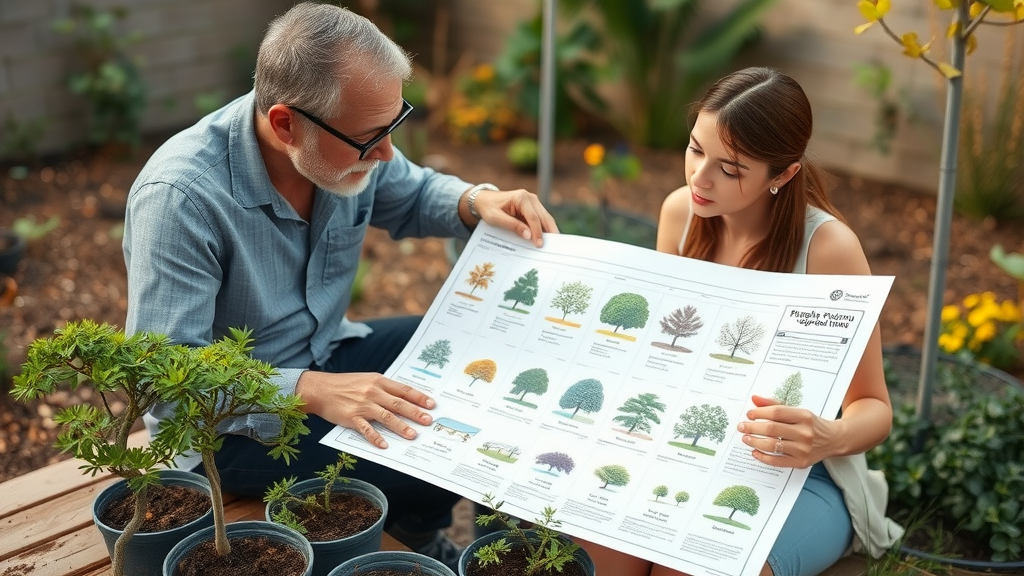
Understanding Tree Growth Patterns and Water Needs
It’s important to consider a tree’s mature height and spread to avoid future conflicts with buildings or overhead lines. Trees like bur oak and kentucky coffee become massive over time; be sure there’s enough room for roots and canopy. Deep-rooted trees often outlast shallow-rooted ones through periods of drought.
Study how often each species needs watering in its first few years and how much reduced irrigation it can handle once mature. Some drought-tolerant varieties may need occasional deep soaking, especially during prolonged dry spells, but reward you with decades of vibrant, low-maintenance growth.
"Planting drought-resistant trees doesn’t just save water—it builds landscapes that thrive even in uncertain weather." – Arborist Maria Benton
Optimal Planting and Care Tips for Drought-Resistant Trees
- Learn about soil preparation, mulching, pruning, and watering schedules to ensure your trees not only survive but thrive.
Smart initial planting is key to establishing drought-resistant trees . Begin by digging a broad, shallow hole and amending soil with compost where needed. Loosen any compacted zones and water thoroughly at planting. Mulch generously around the base—this helps retain soil moisture and regulate temperature.
Pruning young trees encourages a strong structure, while regular inspection and removal of deadwood reduces disease risk. Set up a slow, infrequent watering schedule during the first two years to encourage deep root growth. Once established, most drought-tolerant trees can survive on rainfall alone, needing only the occasional deep soak during extended drought.
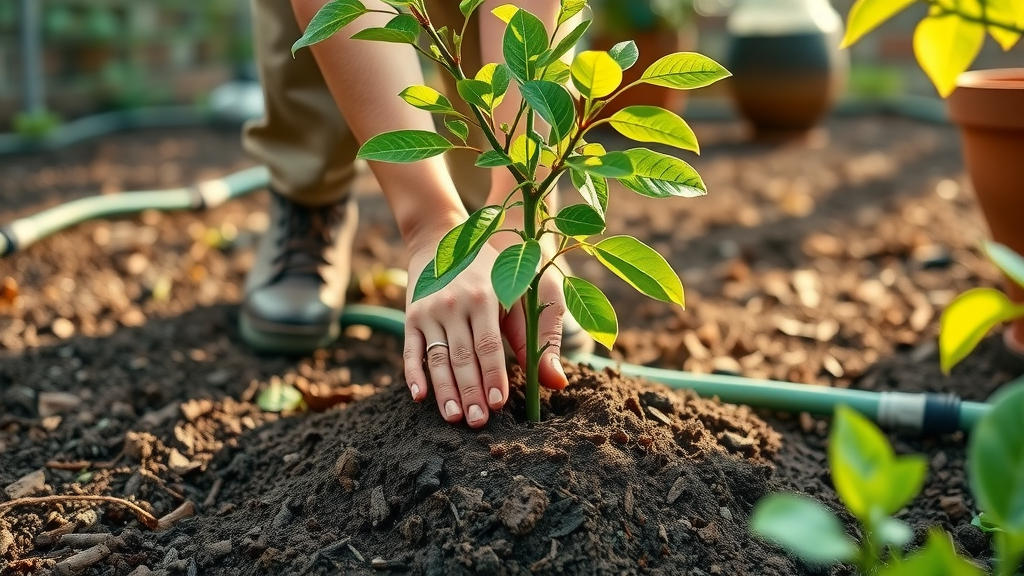
Initial Planting Techniques for Drought Tolerant Trees
For best results, plant your resistant trees in early spring or fall, taking advantage of cooler temperatures and rain. Soak the root ball well before backfilling, and use mulch to suppress weeds and reduce evaporation. If your tree is bare-root, trim damaged roots and avoid bending or crowding them in the hole.
Position young trees away from sidewalks or driveways to give their eventual root and canopy spread room to expand. Water thoroughly after planting, then taper to infrequent deep watering once they show new growth—this encourages a drought-adapted root system that supports the tree for years.
Maintenance Routines for Healthy, Resistant Trees
Even drought-tolerant trees benefit from a little periodic care. Inspect for pests, broken branches, or disease annually. Refresh mulch as it decays, keeping it away from the trunk to prevent rot. Prune only as needed to remove weak, crossing, or dead limbs.
In unusually dry seasons, supplement rainfall with deep irrigation—soak slowly and deeply rather than frequent, shallow watering. With this approach, your trees will reward you with vigorous growth, lush shade, and minimal resource use year after year.
The Science Behind Drought Tolerance in Trees
- Insights into root structure, leaf morphology, and cellular adaptations that allow drought-resistant trees to excel.
How do drought-resistant trees thrive where others wither? The answer lies in specialized adaptations: many develop deep taproots that reach underground water sources even in dry soil, or wide-spreading root systems to maximize rainfall capture. Their leaf morphology —from waxy coatings to narrow or tiny leaves—limits water loss through evaporation.
At the cellular level, these trees possess stomata that close during heat stress, special proteins that protect against dehydration, and the ability to store water within trunk or stem tissue. These features, refined over generations, make them resilient survivors in both managed gardens and wild arid regions.
Creative Uses of Drought-Resistant Trees in Landscaping
- Incorporate drought tolerant trees as shade canopies, privacy screens, living fences, windbreaks, and ornamental statement pieces.
Tolerant trees redefine how we think about landscape design. Plant a row of live oaks or bur oaks to create windbreaks on exposed sites, or use clustered fan palms to generate cooling shade for patios and play areas. Species like eucalyptus and bottlebrush stand out as privacy screens that need little water or frequent shearing.
For bold visual impact, try using flowering trees—such as crape myrtle or chitalpa—as focal points in your front yard or garden. These additions not only provide beauty, but also save time, money, and resources while enhancing outdoor enjoyment year-round.
Environmental Benefits of Growing Drought-Resistant Trees
- Reduced water consumption, soil stabilization, improved urban air quality, and increased wildlife habitat.
Growing drought-resistant trees delivers a host of environmental returns. By significantly cutting water use, these trees help conserve a precious resource—critical in drought-prone regions. Their sturdy root systems stabilize soil, reducing erosion, and their canopies filter dust and pollutants, improving air quality in our communities.
Trees like mesquite, mulberry, and redbud offer food and shelter for birds, squirrels, and pollinators, expanding the urban wildlife habitat. By choosing resistant trees , you contribute to healthier, greener neighborhoods while lowering both water bills and maintenance requirements.
Top Mistakes to Avoid When Selecting Drought-Resistant Trees
- Ignoring mature height, misjudging soil requirements, and neglecting local climate compatibility.
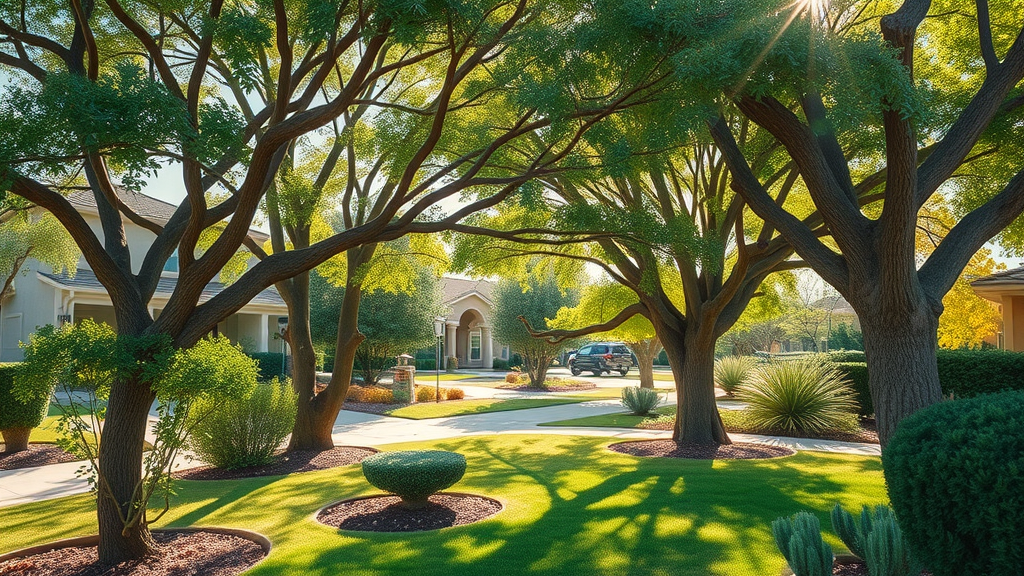
Even with the best intentions, it’s easy to overlook a few vital factors when choosing drought-resistant trees . Avoid selecting species that will outgrow the available space—live oaks, bur oaks, and palm trees, for example, need plenty of room above and below ground. Don’t ignore specific soil needs; while many trees tolerate poor soil, some still require adequate drainage or a certain pH range.
Finally, check your tree’s suitability for your local climate and USDA hardiness zone. Not every tolerant tree is appropriate for every site, and choosing the wrong tree can lead to disappointment and extra maintenance down the line.
"The right drought-resistant tree can transform both your landscape and your water bill." – John Taylor, Landscape Designer
People Also Ask: What is the most drought-resistant tree?
- The mesquite and palo verde are among the most drought-resistant trees, thriving with minimal water and excelling in harsh climates.
In extremely dry regions, mesquite and palo verde consistently top the list of drought-tolerant varieties. Their deep-rooted systems and specialized leaves allow them to survive, and even thrive, with almost no supplemental watering once established—making them champions for both urban and natural landscapes facing persistent drought.
People Also Ask: Which trees require the least amount of water?
- Trees like olive, fan palm, and bottlebrush are renowned for their minimal water needs and high adaptability.
For those seeking to minimize irrigation, olive tree , fan palm , and bottlebrush trees are excellent choices. Each can flourish in regions of prolonged drought, requiring little more than periodic deep watering as a supplement—making them ideal for sustainable landscape designs or water-wise gardens.
People Also Ask: What tree can survive the longest without water?
- The Kentucky coffee tree and certain eucalyptus species can persist with very little water due to deep roots and adaptive foliage.
Kentucky coffee trees and eucalyptus species are famously enduring, equipped with adaptations that let them survive extensive drought penalties. Their robust, deep root systems mine deep soil for residual moisture, and their tough foliage resists drying out—even in very long dry periods.
People Also Ask: What are the most heat tolerant trees?
- Palo verde, crape myrtle, and live oak top the ranks for heat and drought-tolerant trees, ideal for sun-scorched environments.
For withering summer heat, you can’t go wrong with palo verde , crape myrtle , and live oak . Each repeatedly proves its mettle in full sun and sustained high temperatures, earning praise as the most heat and drought-resistant trees for both public and private landscapes.
Answers to Frequently Asked Questions About Drought-Resistant Trees
- Are drought-resistant trees suitable for cold climates? Many, such as bur oak and kentucky coffee, withstand both drought and freezing conditions in their hardy zones.
- How long do drought-tolerant trees live? Some specimens, like live oaks and bur oaks, can thrive for centuries with minimal intervention.
- Which drought-resistant trees provide the most shade? Live oak, bur oak, and fan palm are all outstanding for broad, dense canopies that cool large areas.
- Do drought-resistant trees require fertilization? Usually, little to none is needed once established; a light application in early years helps speed growth.
Expand Your Landscaping Knowledge with Drought-Resistant Trees
- Ready to create a resilient, low-maintenance landscape? Grow your landscaping expertise—call 203-271-7991 or visit TreeGuardianNews.com to subscribe.
Conclusion: Take action today—choose drought-resistant trees to ensure your landscape remains beautiful, resilient, and sustainable for generations. Call 203-271-7991 or visit TreeGuardianNews.com now!
To enhance your understanding of drought-resistant trees and their benefits, consider exploring the following resources:
-
“9 Drought-Tolerant Trees That Can Thrive With Little Water” : This article provides a curated list of trees that excel in dry conditions, detailing their characteristics and care requirements. ( marthastewart.com )
-
“Best Drought Tolerant Trees: 12 Dry-Weather Options” : This guide offers insights into various drought-tolerant trees, including their hardiness zones, growth habits, and suitability for different landscapes. ( gardeningetc.com )
These resources will equip you with valuable information to select and care for drought-resistant trees, ensuring a resilient and low-maintenance landscape.





Write A Comment