Tree Guardian News
Tree Guardian News
  • Home
  • Categories
    • Storm Damage & Prevention
    • Tree Care Tips & Landscaping
    • Tree Disease Identification & Treatment
    • Insurance Intel
    • DIY Tree Care & Safety
    • Sustainable Tree Care & Eco Solutions
    • Professional Tree Services
    • Arborist Stories
    • Latest News
    • Industry Insights
Join the Arborist Forum 
December 19.2025
1 Minute Read

urgent tree cutting Tips to Prevent Disaster Today

Did you know that thousands of property damage claims each year are directly linked to falling trees? When it comes to urgent tree cutting, acting quickly could mean the difference between minor repairs and catastrophic loss. In this comprehensive guide, you’ll discover actionable, expert-approved steps to protect your family and property—starting right now.

Startling Statistics: Why Urgent Tree Cutting Is Critical

Recent industry data reveals that property owners file more than $1 billion in insurance claims annually due to tree fall and tree damage caused by storms, heavy wind, and neglect. In densely populated urban forest neighborhoods, storm-damaged or dead trees represent a hidden threat capable of damaging property, blocking access to emergency services, and causing prolonged power outages. If you’ve ever witnessed a large tree unexpectedly topple during a storm, you know the urgency with which these situations must be handled. Timely intervention through urgent tree cutting not only prevents safety hazards but also reduces long-term removal cost and hassle.

On average, emergency tree removal services respond to hundreds of calls each month following severe weather events—especially in areas prone to hurricanes, tornadoes, and ice storms. The sheer volume of calls underscores the importance of proactive tree service and the consequences of delaying action. Whether a cracked branch is dangling perilously over your roof or a tree’s roots are lifting your driveway, waiting can lead to disaster. Your best defense is preparation—knowing what to look for, who to call, and why professional tree services matter.
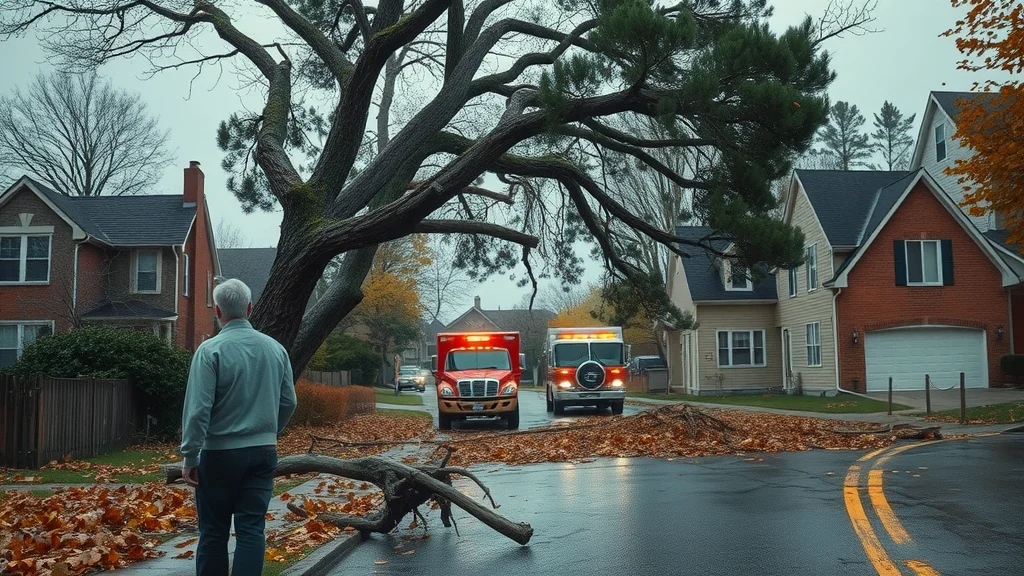
urgent tree cutting: storm-damaged suburban neighborhood with broken tree, emergency vehicles, and swirling leaves during a stormy day
"Falling trees are responsible for thousands of property damage claims annually—proactive urgent tree cutting is your strongest defense."

What You’ll Learn About Urgent Tree Cutting and Emergency Tree Removal

  • How to identify urgent tree risks
  • Benefits of professional tree removal services
  • Steps to take during a tree emergency
  • Frequently asked questions about tree removal costs

Identifying Tree Hazards: When Urgent Tree Cutting Becomes Necessary

Understanding when to act is the cornerstone of disaster prevention. Urgent tree cutting isn’t just a response to visible catastrophes—it’s a proactive measure to halt a looming crisis. Tree hazards can escalate from a minor inconvenience to a full-blown emergency in moments. Recent storms, disease, and age can all transform an ordinary tree into a dangerous liability. Whether you’re in a residential or commercial setting, recognizing the signs of a tree emergency helps prevent further tree damage, ensures the safety of occupants, and safeguards power lines and adjacent structures.

Routine inspection of your property after heavy wind or ice events can reveal subtle structural weaknesses. Look for sudden changes such as cracks in the soil at the base of the tree, branches that appear dead or decayed, or an unexplained lean in the tree’s trunk. The sooner you identify these early warning signals, the easier it is to schedule professional tree removal services—or avoid having a fallen tree crush your home or car. Ignoring these hazards can be costly, both in terms of removal cost and potential injury risk. Don’t wait until a tree unexpectedly collapses to take action.

Spotting early warning signs and acting quickly is crucial, but understanding the broader context of property risk can further safeguard your home. For instance, learning how local initiatives and task forces respond to environmental hazards can provide additional peace of mind—especially in regions prone to natural disasters. Explore how California’s new smoke claims task force is supporting homeowners facing similar urgent threats by visiting this in-depth overview of homeowner support strategies.

Signs You Need Emergency Tree Removal Service
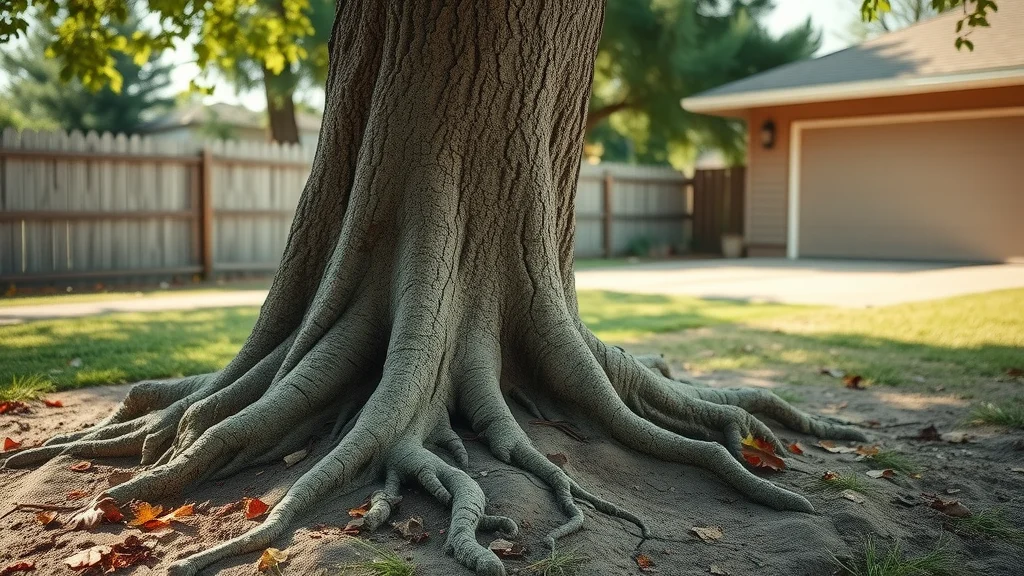
Signs of urgent emergency tree removal: leaning hazardous tree with exposed roots, cracked soil, and recent storm debris in an American backyard
  • Leaning or unstable trees
  • Dead or decaying branches
  • Visible root damage
  • Recent storm impact

If you notice any of these symptoms, it’s critical to contact an emergency tree removal service right away. Leaning trees—especially those with visible root damage—can indicate a weakened foundation, increasing the risk of total collapse, particularly after heavy rainfall. Dead branches or clearly decaying limbs are potential hazards, as they may break off without warning, especially during high winds. Even if only part of the tree is compromised, it can still cause severe tree damage or block access to your property. A recent storm impact often worsens existing conditions, so regular inspection is key to staying ahead of emergencies.

Benefits of Professional Tree Services for Urgent Tree Cutting

Relying on a certified emergency tree service delivers real peace of mind. Professional arborists are trained to spot structural weaknesses, disease, and other risk factors—often recognizing problems before the average property owner would. This expertise minimizes collateral damage, reduces the chance of injuring yourself or others, and ensures hazardous trees are dealt with efficiently. When a tree emergency happens, the right tree service brings specialized equipment, adheres to strict safety protocols, and can even offer advice on managing your home insurance claim. With professional help, your urban forest remains both attractive and safe year-round.

Avoid the temptation of DIY approaches, which can lead to greater property loss and personal injury. Certified tree removal services have the experience for safe handling of complicated tree emergencies, including working near power lines or in sensitive landscapes. They are also equipped to handle secondary tasks like stump grinding and complete debris removal, sparing you hours of risky, back-breaking labor. Don’t leave your property’s safety to chance—choose trusted tree service professionals every time disaster threatens.

Why Certified Arborist Expertise Matters
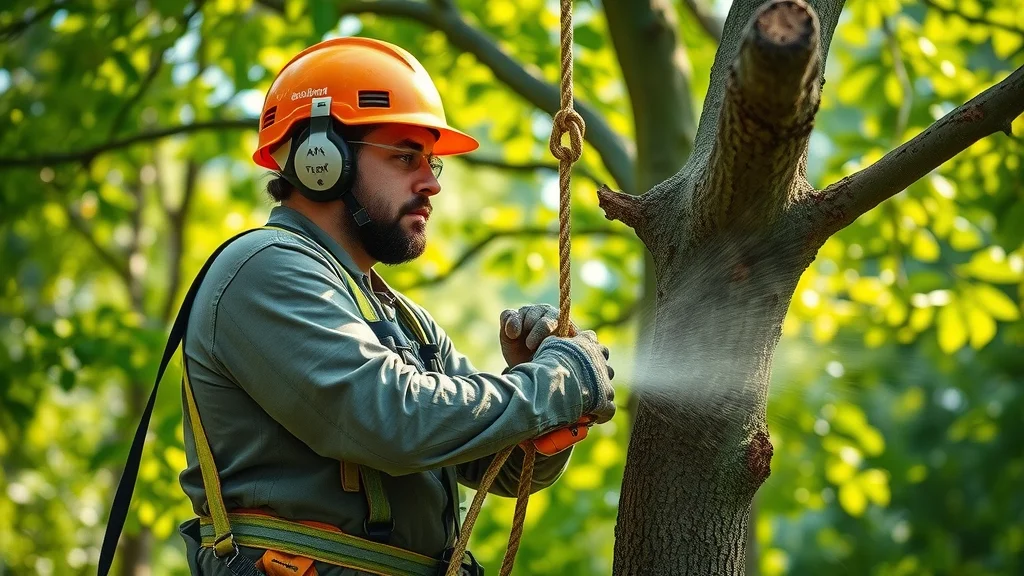
Certified arborist performing urgent tree cutting: professional in safety gear using a rope and saw to remove a hazardous tree branch in a lush green yard

A certified arborist is not just any tree worker—they are specialists with deep knowledge of plant health, structural risks, and tree biology. Certified arborists undergo extensive education and training to diagnose tree problems, recommend preventive care, and provide emergency tree removal services backed by science. Their expertise is especially crucial when a damaged tree presents an immediate threat, such as a fallen tree on a roof, or limbs tangled with power lines. Choosing a certified arborist ensures your tree emergency is resolved with the highest safety standards, safeguarding your property and your peace of mind.

When evaluating tree removal services, confirm their credentials. Certified arborists can assess the true condition of your trees—even hidden weaknesses—and follow industry best practices to avoid further damage. They are also insured, which means you’re protected from unexpected costs in the rare event of an accident on your property. Don’t compromise—insist on certified, professional expertise for all urgent tree cutting and emergency services.

Choosing the Right Emergency Tree Service

Not all tree services are created equal. When crisis strikes, you need a provider experienced in rapid emergency response. Look for companies advertising 24/7 emergency tree removal, a proven track record, proper licensing, and strong customer reviews. Be sure their team is qualified to work around utility lines and efficiently handle large tree removal. Ask if debris cleanup and stump grinding are included, and always verify insurance coverage. The right service partner offers more than quick solutions—they provide guidance before, during, and after your tree emergency, ensuring a smooth recovery process and minimizing disruption to your daily life.

Speed is important, but so is thoroughness. The best emergency tree service will not only remove damaged trees but also help with documentation for insurance claims and restore your landscape’s safety and beauty. By prioritizing certified emergency services with solid reputations, you protect your home, your loved ones, and your investment—now and in the future.

Step-by-Step Guide: What to Do During a Tree Emergency

  • Assess the immediate risk area
  • Evacuate if necessary
  • Contact a certified emergency tree removal specialist
  • Document property damage for insurance

In the event of a tree emergency—such as a tree fall onto your home, power lines, or vehicle—remain calm and put safety first. Begin by assessing the risk zone: if a damaged tree threatens your living area or critical access points, evacuate everyone to safety. Next, call a certified emergency tree service; professionals will handle hazardous tree removal quickly and safely. In the meantime, document the scene with photos and video. This evidence is invaluable when dealing with insurance companies or future removal service estimates. Remember, never attempt to move a large fallen tree yourself, especially if power lines or utilities are involved.

Quick, strategic action not only protects lives but also limits liability and repair costs. Emergency tree removal specialists are available 24/7 for exactly these high-risk scenarios. Their tools and expertise ensure safe, efficient tree removal—even in bad weather or complex urban forest environments. Acting decisively and relying on professionals helps turn emergencies into manageable events, restoring order to your property and peace of mind to your family.

Comparing Urgent Tree Cutting Versus Tree Pruning and Removal Services

Service Type Purpose Urgency Level Typical Cost
Urgent Tree Cutting Prevent imminent danger Immediate High
Tree Pruning Enhance tree health/shape Planned Low to Medium
Tree Removal Eliminate hazardous/dead tree Scheduled or Emergency Medium to High

It’s crucial to understand the difference between urgent tree cutting, routine tree pruning, and scheduled tree removal services. Urgent tree cutting addresses immediate threats—typically after tree fall, severe tree damage, or storm-related emergencies. This service is rapid and often comes at a premium due to the high risk and specialized equipment required. In contrast, tree pruning is preventive: trimming healthy trees for structural integrity, appearance, or plant health. Pruning reduces the long-term risk of emergency services but isn’t meant to handle crises.

Tree removal sits between the two, encompassing both routine elimination of hazardous trees and emergency tree removal when danger is detected. Costs and urgency vary—planned removals are more affordable because crews work under controlled conditions, while emergencies demand immediate response. Knowing which service fits your needs helps avoid unnecessary risk, reduces removal cost surprises, and keeps your urban forest in optimal condition year-round.

Understanding Costs: What to Expect From Tree Removal Services
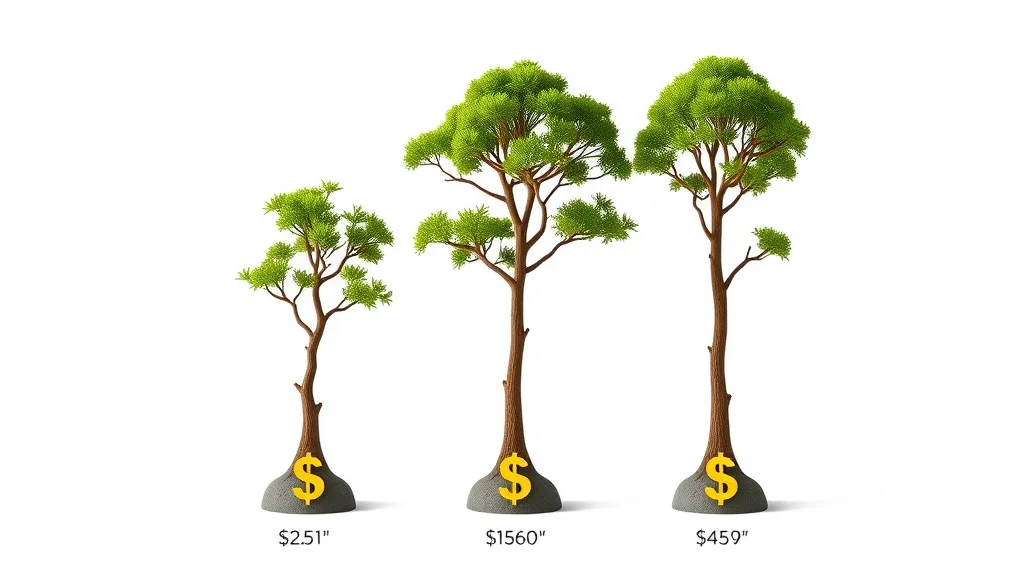
Infographic on tree removal service costs: three trees increasing in size with dollar signs, showing price differences by tree size

One of the most common questions homeowners ask is about the cost of emergency tree removal. Prices fluctuate based on tree size, location, urgency, and the complexity of the job. Typically, urgent tree cutting is more expensive than routine tree work due to higher risks, required speed, and demanding equipment. For small trees, removal service rates may be affordable; however, for a large tree or jobs requiring crane access or power line mitigation, costs climb quickly. Ensure you get a detailed, written estimate before work begins.

Remember, investing in timely professional tree services may save thousands by preventing broader property damage. Work with certified arborists and insured teams to secure the best value—some removal services even offer financing or insurance claim assistance to soften the impact on your budget.

Average Cost for Cutting Down a Tree

Tree Size Average Cost per Tree (USD)
Small (under 30 ft) $150 - $400
Medium (30-60 ft) $400 - $800
Large (60+ ft) $800 - $2000+

As seen above, the expense increases with height, risk, and the proximity to structures or utilities. Emergency tree removal or urgent cutting usually leans toward the higher end—especially when rapid response, heavy machinery, or technical cleanup (like stump grinding and debris removal) are required. For complex or hazardous sites, get multiple quotes to ensure transparency and the best service match for your situation.

Lists: What to Ask Before Hiring a Tree Cutting or Removal Service

Consulting with tree removal service expert: friendly professional and homeowner discuss urgent tree cutting options in a sunlit front yard
  • Is the company insured and licensed?
  • Do they employ certified arborists?
  • Can they respond to emergencies promptly?
  • Will they handle debris and tree stump removal?

Vetting your chosen tree service is essential for homeowner safety and satisfaction. Make sure your provider carries proper insurance and is licensed to perform tree work in your area. When hazardous tree removal is on the line, only trust crews with certified arborists, robust references, and a proven track record of rapid emergency response. Clarify whether the quote includes dirty jobs like debris cleanup and stump grinding—hidden surprises can inflate your removal cost. Strong communication, documentation support (for insurance), and post-job cleanup are non-negotiable signs of professional, customer-first tree services.

People Also Ask About Urgent Tree Cutting
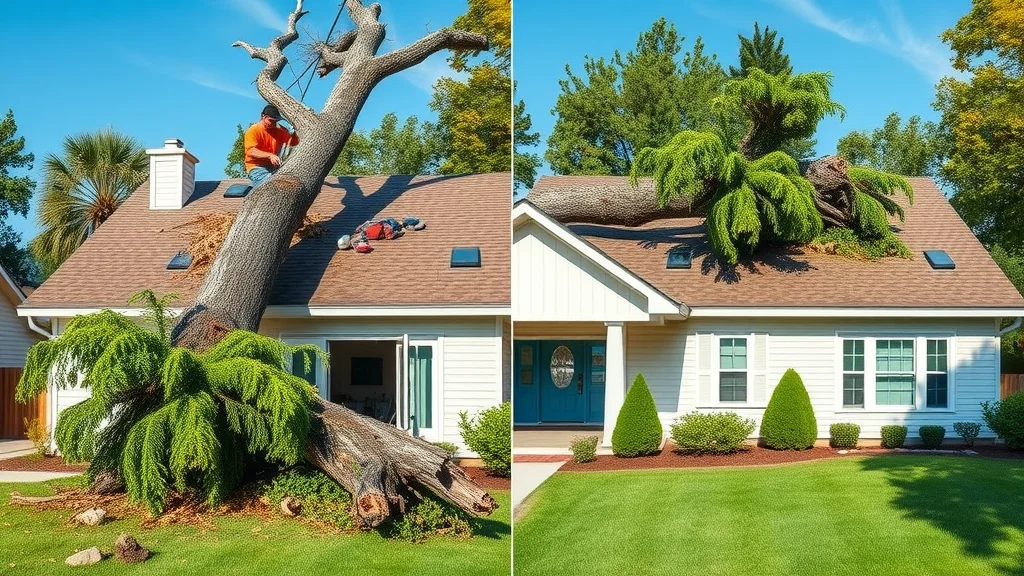
Before-and-after urgent tree cutting: large fallen tree removed from roof, revealing a safely restored and tidy yard

Will lumber companies cut down trees for free?

Answer: Most lumber companies do not provide free urgent tree cutting, as they generally only offer free removal if the timber is valuable to them for commercial purposes.

How much do tree removal services charge per hour?

Answer: Tree removal service rates can range from $50 to $200 per hour depending on tree size, location, and emergency response needs.

How can I get my tree cut down for free?

Answer: Some community programs or government initiatives may offer free urgent tree cutting for hazardous trees, but most cases require paid removal services.

What's the average cost for cutting down a tree?

Answer: The average cost for cutting down a tree usually ranges from $400 to $1200, with urgent or emergency tree removal often costing more due to specialized equipment and risk.

FAQs: Common Questions About Urgent Tree Cutting and Removal Services

  • What is the best season for urgent tree cutting?
    While tree emergencies can arise anytime, late winter and early spring are optimal for scheduled cutting, with urgent removal possible year-round as needed.
  • Why is fallen tree removal risky for homeowners?
    Removing a fallen tree without professional help is highly dangerous due to instability, heavy limbs, risk of further property damage, and potential entanglement with power lines.
  • How quickly can emergency tree services respond?
    Most certified emergency services can respond within hours—some even offer 24/7 dispatch for major tree emergencies in urban and suburban areas.
  • How is tree stump removal handled after urgent cutting?
    Tree stump removal often requires professional-grade stump grinding to fully eliminate trip hazards and prevent regrowth; confirm this service during your initial consultation.

Key Takeaways: Why Immediate Action Matters for Emergency Tree Removal

  • Delaying urgent tree cutting can result in severe property damage.
  • Certified emergency tree services ensure safety and expertise.
  • Know the costs and key services before a tree emergency arises.

Ready to Act? Trusted Urgent Tree Cutting Is Just a Call Away

Grow your landscaping expertise—call 203-271-7991 or visit TreeGuardianNews.com to subscribe.

Protecting your home from tree-related disasters is just one aspect of comprehensive property safety. If you’re interested in learning how communities and homeowners are coming together to address broader environmental risks, such as wildfire smoke and storm aftermath, you’ll find valuable insights in the latest coverage of California’s smoke claims task force. Discover how proactive support systems and coordinated response efforts can make a difference for homeowners facing urgent challenges by reading how the California Smoke Claims Task Force is becoming a lifeline for property owners. Take the next step in safeguarding your property by staying informed about evolving strategies and resources designed to keep your home and family secure.

When facing urgent tree cutting needs, it’s crucial to act swiftly to prevent potential disasters. For instance, Sound Tree Care LLC offers 24/7 emergency tree removal services, ensuring rapid response to hazardous situations. (soundtreecarellc.com) Similarly, Clean Cut Tree Solutions provides round-the-clock emergency tree services, specializing in storm damage cleanup and hazardous tree removals. (cleancuttreesolutions.com) If you’re serious about safeguarding your property from tree-related hazards, these resources will equip you with the necessary information and services to address emergencies promptly.
Latest News

75 Views

Write A Comment

*
*
Please complete the captcha to submit your comment.
Related Posts All Posts
11.14.2026

Discover How to Protect Southern Live Oaks from Common Dangers!

Update Understanding Southern Live Oak Damage in Flower Mound Hello, Flower Mound residents! Today, we're diving into the world of trees, focusing on the Southern Live Oak, a prominent tree in our area. I'm Bob Davidson, an arborist dedicated to making tree care understandable and relatable for everyone, especially those curious young minds out there. Recently, I evaluated a mature Southern Live Oak that exhibited several intriguing conditions affecting its health. Anyone who is familiar with these stunning trees will appreciate how essential proper care is to their longevity. Let’s explore some serious conditions that can impact Southern Live Oaks, which are a staple of our landscape. What are the Potential Dangers? This particular oak tree showed signs of three major concerns: included bark, freeze damage, and a possible lightning strike. If you think your tree looks healthy on the outside, remember: it might still have hidden issues, like this one. Let’s discuss each condition in detail! Condition #1: The Hidden Risks of Included Bark Included bark occurs when the bark gets trapped between two stems growing closely together, called codominant stems. This can weaken the tree's structure over time. Imagine two friends holding hands; if one friend squeezes too tight and the other can’t get a good grip, one might slip away. For trees, this means one stem can break free if a storm hits. Condition #2: Freeze Damage Impacts The second concern stemmed from the freeze damage caused by our notorious winter storm in February 2021. Severe cold can harm the tree’s tissues, resulting in open wounds that expose it to decay and disease. If you’ve ever had a cold sore, you can understand how an outside injury can cause more problems as bacteria make their way in. Condition #3: The Threat of Lightning Strikes Lightning strikes can dramatically affect a tree, as seen in this case, by creating channels of damage that may extend down to the roots. Lightning doesn’t just knock a tree down; it can compromise its health, much like how a severe injury affects our ability to play sports. If you notice unusual splits in a tree after a storm, keep a lookout! Managing Tree Health So, what can homeowners do to keep their trees safe? Regular check-ups with a certified arborist are vital. These professionals can spot issues that might not be visible to you. Treatments like cabling and bracing can be used to support the tree structurally while also enabling it to grow naturally. Why Knowing About Tree Health Matters Tree care is essential not just for aesthetics but for the environment as well. Healthy trees provide cleaner air and a home for wildlife. By understanding and managing the conditions that affect them, we all help to keep our community flourishing and secure for years to come. If you've found these insights helpful and want to keep your trees in check, consider reaching out to a trusted arborist in your area. They can provide professional evaluations and treatments to ensure your trees stay healthy and thriving!

11.13.2026

Unlocking the Secrets to Keeping Italian Cypress Trees Healthy in Fort Worth

Update Mastering the Art of Italian Cypress Care in Fort Worth Italian Cypress trees (Cupressus sempervirens) can transform any landscape with their unique, towering appearance, creating a picturesque sight that captivates many in Fort Worth, Texas. However, their stunning aesthetics come with a set of challenges that every property owner must navigate. As an ISA Certified Arborist, I've had the privilege of maintaining some of the largest and oldest Italian Cypress trees in the area, each standing resiliently at heights of 75 to 100 feet. Let’s explore the essential practices for ensuring these magnificent trees thrive in the fluctuating climate of North Texas. The Challenge of North Texas Weather The Mediterranean origins of Italian Cypress trees mean they are naturally equipped to handle hot, dry summers and mild winters. However, Fort Worth's climate can be quite different, posing significant challenges to their health and longevity. Seasonal weather changes, including extended droughts and sudden downpours, considerably affect soil conditions, water availability, and tree resilience. Notably, these trees have shown vulnerability to specific issues, such as fungal diseases like Diplodia and Seiridium canker and pests like spider mites. Without a dedicated Plant Healthcare program, such threats can compromise their beauty and productivity. Ongoing care, tailored specifically to their needs, helps maintain their lush green foliage and architectural elegance. Importance of Proper Drainage One of the critical factors for the health of Italian Cypress is proper drainage. These trees require well-drained soils to thrive. If water saturates the soil for too long, it can lead to root zone hypoxia, creating a hostile environment for their roots. Roots are vital for nutrient absorption, and without sufficient oxygen in the soil, the trees can suffer, leading to reduced vigor and even mortality. During wet spring seasons, heavy rains can create conditions where compacted or clay-rich soils are unable to drain effectively. This is why I emphasize the necessity of proper drainage systems. For properties where the risk of waterlogging exists, implementing engineered drainage solutions can markedly improve tree health. Long-term Strategies for Maintenance To cultivate strong, healthy Italian Cypress trees, embracing a long-term Plant Healthcare strategy is essential. This approach goes beyond reactive measures and focuses on prevention through regular monitoring and maintenance. Not only do we manage disease and insect threats, but we also assess soil conditions and implement cultural controls to improve tree resilience. It's crucial to understand that these trees need time and care to adapt to their environment. Over the years, with proper stewardship, these iconic trees can continue to thrive, providing aesthetic joy and ecological benefits that enhance the landscape. Conclusion In summation, while Italian Cypress trees bring undeniable charm to Fort Worth properties, managing their health requires attentive care, knowledge of environmental conditions, and proactive strategies. Understanding their needs means embracing a comprehensive approach to tree care, ensuring these beauties remain vibrant for generations to come. As arborists, it’s our goal to demystify tree care practices, providing the insights necessary to empower property owners. Simplifying tree care into an actionable strategy can elevate the beauty of your landscape while benefiting the environment. For continued learning and tree care tips, stay connected with your local arborists and explore their offerings!

11.12.2026

Why Are Pine Tree Needles Turning Yellow? Discover the Causes and Treatments

Update Pine Trees and Their Colorful Needles If you’ve noticed your pine tree’s needles turning yellow or even brown in Westover Hills, Texas, you might be worried about the health of your tree. Before jumping to conclusions and thinking your tree is dying, let’s explore what yellowing needles really mean. It can be a sign of several conditions, some of which may not be severe at all. Understanding these factors is key to keeping your tree healthy. What Causes Yellowing Needles? Pine trees face various challenges, especially in North Texas, where extreme summer heat and periodic droughts can take a toll. However, factors can range from environmental stressors to normal changes in the tree's life cycle. Here are some common reasons why your pine tree’s needles might be showing signs of distress: The Role of Fungal Diseases One significant cause of needle yellowing is a fungal disease known as tip blight. This disease affects newer growth and is often linked to the fungus Diplodia sapinea. Symptoms can include: Yellowing or browning of young needles. Stunted or distorted branch shoots. Death of the tips or terminal buds. Visible resin on affected shoots. Understanding these signs is crucial as they can resemble symptoms of insect infestations or other health issues, making accurate diagnosis vital. Environmental Factors at Play In addition to disease, the condition of the soil plays a big role in the health of your pine tree. If the soil is overly wet, it can lead to a lack of oxygen for the roots, causing what’s termed root-zone hypoxia. This inability to breathe effectively leads to physiological stress for the tree, making it more susceptible to infections and less capable of thriving. How to Treat Your Pine Tree When determining how to treat a pine tree with yellowing needles, it’s essential to identify the specific issue at hand. Techniques may include treating for fungal infections or improving drainage around the tree's roots. A certified arborist, like those at Arborist USA, can help assess your tree's condition and recommend the best course of action tailored to your specific situation. Your Tree’s Health and Local Significance Understanding these tree health issues is significant not only for maintaining the beauty of your landscape but also because healthy trees contribute to the greater environment. They provide habitat, improve air quality, and enhance the biodiversity of your local community. Taking Action: What You Can Do If your pine tree is showing signs of distress, consider contacting a professional arborist. They can evaluate your tree and help implement a care strategy. Regular maintenance and awareness can go a long way in ensuring your trees thrive!

Green Space News

Homeowners & Businesses concerned about tree and landscape care, safety issues from storms, old or diseased trees, structural damage risks, and insurance implications.

Green Space News is a subsidiary of RP Design Web Services.

COMPANY

  • Privacy Policy
  • Terms of Use
  • Advertise
  • Contact Us
  • Menu 5
  • Menu 6

AVAILABLE FROM 8AM - 5PM

Cheshire,CT

POBox 1189

ABOUT US

Green Space News is your go-to media hub for cutting-edge strategies to maintain a safe and vibrant environment. We are committed to protecting your property and family by providing proactive tree hazard prevention and awareness. Our platform  empower communities to safeguard their surroundings and enjoy healthier, more resilient landscapes.

© 2026 RP Design Web Services All Rights Reserved. P.O. Box 1189, Cheshire, CT 06410 . Contact Us . Terms of Service . Privacy Policy

eyJjb21wYW55IjoiUlAgRGVzaWduIFdlYiBTZXJ2aWNlcyIsImFkZHJlc3MiOiJQLk8uIEJveCAxMTg5IiwiY2l0eSI6IkNoZXNoaXJlIiwic3RhdGUiOiJDVCIsInppcCI6IjA2NDEwIiwiZW1haWwiOiJyb2JlcnRAcnBkZXNpZ24uY29tIiwidG9zIjoiUEhBK1BITjBjbTl1Wno0OFpXMCtWMmhsYmlCNWIzVWdjMmxuYmkxcGJpQjNhWFJvSUhWekxDQjViM1VnWVhKbElHZHBkbWx1WnladVluTndPeUI1YjNWeUlIQmxjbTFwYzNOcGIyNGdZVzVrSUdOdmJuTmxiblFnZEc4Z2MyVnVaQ0I1YjNVZ1pXMWhhV3dnWVc1a0wyOXlJRk5OVXlCMFpYaDBJRzFsYzNOaFoyVnpMaUJDZVNCamFHVmphMmx1WnlCMGFHVWdWR1Z5YlhNZ1lXNWtJRU52Ym1ScGRHbHZibk1nWW05NElHRnVaQ0JpZVNCemFXZHVhVzVuSUdsdUlIbHZkU0JoZFhSdmJXRjBhV05oYkd4NUlHTnZibVpwY20wZ2RHaGhkQ0I1YjNVZ1lXTmpaWEIwSUdGc2JDQjBaWEp0Y3lCcGJpQjBhR2x6SUdGbmNtVmxiV1Z1ZEM0OEwyVnRQand2YzNSeWIyNW5Qand2Y0Q0S0NqeHdQanhoSUdoeVpXWTlJbWgwZEhBNkx5OTNkM2N1WjI5dloyeGxMbU52YlNJK2FIUjBjRG92TDNkM2R5NW5iMjluYkdVdVkyOXRQQzloUGp3dmNENEtDanh3UGladVluTndPend2Y0Q0S0NqeHdQanh6ZEhKdmJtYytVMFZTVmtsRFJUd3ZjM1J5YjI1blBqd3ZjRDRLQ2p4d1BsZGxJSEJ5YjNacFpHVWdZU0J6WlhKMmFXTmxJSFJvWVhRZ1kzVnljbVZ1ZEd4NUlHRnNiRzkzY3lCNWIzVWdkRzhnY21WalpXbDJaU0J5WlhGMVpYTjBjeUJtYjNJZ1ptVmxaR0poWTJzc0lHTnZiWEJoYm5rZ2FXNW1iM0p0WVhScGIyNHNJSEJ5YjIxdmRHbHZibUZzSUdsdVptOXliV0YwYVc5dUxDQmpiMjF3WVc1NUlHRnNaWEowY3l3Z1kyOTFjRzl1Y3l3Z1pHbHpZMjkxYm5SeklHRnVaQ0J2ZEdobGNpQnViM1JwWm1sallYUnBiMjV6SUhSdklIbHZkWElnWlcxaGFXd2dZV1JrY21WemN5QmhibVF2YjNJZ1kyVnNiSFZzWVhJZ2NHaHZibVVnYjNJZ1pHVjJhV05sTGlCWmIzVWdkVzVrWlhKemRHRnVaQ0JoYm1RZ1lXZHlaV1VnZEdoaGRDQjBhR1VnVTJWeWRtbGpaU0JwY3lCd2NtOTJhV1JsWkNBbWNYVnZkRHRCVXkxSlV5WnhkVzkwT3lCaGJtUWdkR2hoZENCM1pTQmhjM04xYldVZ2JtOGdjbVZ6Y0c5dWMybGlhV3hwZEhrZ1ptOXlJSFJvWlNCMGFXMWxiR2x1WlhOekxDQmtaV3hsZEdsdmJpd2diV2x6TFdSbGJHbDJaWEo1SUc5eUlHWmhhV3gxY21VZ2RHOGdjM1J2Y21VZ1lXNTVJSFZ6WlhJZ1kyOXRiWFZ1YVdOaGRHbHZibk1nYjNJZ2NHVnljMjl1WVd4cGVtRjBhVzl1SUhObGRIUnBibWR6TGp3dmNENEtDanh3UGxsdmRTQmhjbVVnY21WemNHOXVjMmxpYkdVZ1ptOXlJRzlpZEdGcGJtbHVaeUJoWTJObGMzTWdkRzhnZEdobElGTmxjblpwWTJVZ1lXNWtJSFJvWVhRZ1lXTmpaWE56SUcxaGVTQnBiblp2YkhabElIUm9hWEprSUhCaGNuUjVJR1psWlhNZ0tITjFZMmdnWVhNZ1UwMVRJSFJsZUhRZ2JXVnpjMkZuWlhNc0lFbHVkR1Z5Ym1WMElITmxjblpwWTJVZ2NISnZkbWxrWlhJZ2IzSWdZMlZzYkhWc1lYSWdZV2x5ZEdsdFpTQmphR0Z5WjJWektTNGdXVzkxSUdGeVpTQnlaWE53YjI1emFXSnNaU0JtYjNJZ2RHaHZjMlVnWm1WbGN5d2dhVzVqYkhWa2FXNW5JSFJvYjNObElHWmxaWE1nWVhOemIyTnBZWFJsWkNCM2FYUm9JSFJvWlNCa2FYTndiR0Y1SUc5eUlHUmxiR2wyWlhKNUlHOW1JR1ZoWTJnZ1UwMVRJSFJsZUhRZ2JXVnpjMkZuWlNCelpXNTBJSFJ2SUhsdmRTQmllU0IxY3k0Z1NXNGdZV1JrYVhScGIyNHNJSGx2ZFNCdGRYTjBJSEJ5YjNacFpHVWdZVzVrSUdGeVpTQnlaWE53YjI1emFXSnNaU0JtYjNJZ1lXeHNJR1Z4ZFdsd2JXVnVkQ0J1WldObGMzTmhjbmtnZEc4Z1lXTmpaWE56SUhSb1pTQlRaWEoyYVdObElHRnVaQ0J5WldObGFYWmxJSFJvWlNCVFRWTWdkR1Y0ZENCdFpYTnpZV2RsY3k0Z1YyVWdaRzhnYm05MElHTm9ZWEpuWlNCaGJua2dabVZsY3lCbWIzSWdaR1ZzYVhabGNua2diMllnWlcxaGFXd2diM0lnVTAxVExpQlVhR2x6SUdseklHRWdabkpsWlNCelpYSjJhV05sSUhCeWIzWnBaR1ZrSUdKNUlIVnpMaUJJYjNkbGRtVnlMQ0J3YkdWaGMyVWdZMmhsWTJzZ2QybDBhQ0I1YjNWeUlHbHVkR1Z5Ym1WMElITmxjblpwWTJVZ2NISnZkbWxrWlhJZ1lXNWtJR05sYkd4MWJHRnlJR05oY25KcFpYSWdabTl5SUdGdWVTQmphR0Z5WjJWeklIUm9ZWFFnYldGNUlHbHVZM1Z5SUdGeklHRWdjbVZ6ZFd4MElHWnliMjBnY21WalpXbDJhVzVuSUdWdFlXbHNJR0Z1WkNCVFRWTWdkR1Y0ZENCdFpYTnpZV2RsY3lCMGFHRjBJSGRsSUdSbGJHbDJaWElnZFhCdmJpQjViM1Z5SUc5d2RDMXBiaUJoYm1RZ2NtVm5hWE4wY21GMGFXOXVJSGRwZEdnZ2IzVnlJR1Z0WVdsc0lHRnVaQ0JUVFZNZ2MyVnlkbWxqWlhNdUlGbHZkU0JqWVc0Z1kyRnVZMlZzSUdGMElHRnVlU0IwYVcxbExpQktkWE4wSUhSbGVIUWdKbkYxYjNRN1UxUlBVQ1p4ZFc5ME95QjBieUE4YUdsbmFHeHBaMmgwSUdOc1lYTnpQU0pqYjIxd1lXNTVVR2h2Ym1WVmNHUmhkR1VpUGlzeE1qQXpNamN4TnprNU1Ud3ZhR2xuYUd4cFoyaDBQaTRnUVdaMFpYSWdlVzkxSUhObGJtUWdkR2hsSUZOTlV5QnRaWE56WVdkbElDWnhkVzkwTzFOVVQxQW1jWFZ2ZERzZ2RHOGdkWE1zSUhkbElIZHBiR3dnYzJWdVpDQjViM1VnWVc0Z1UwMVRJRzFsYzNOaFoyVWdkRzhnWTI5dVptbHliU0IwYUdGMElIbHZkU0JvWVhabElHSmxaVzRnZFc1emRXSnpZM0pwWW1Wa0xpQkJablJsY2lCMGFHbHpMQ0I1YjNVZ2QybHNiQ0J1YnlCc2IyNW5aWElnY21WalpXbDJaU0JUVFZNZ2JXVnpjMkZuWlhNZ1puSnZiU0IxY3k0OEwzQStDZ284Y0Q0OGMzUnliMjVuUGxsUFZWSWdVa1ZIU1ZOVVVrRlVTVTlPSUU5Q1RFbEhRVlJKVDA1VFBDOXpkSEp2Ym1jK1BDOXdQZ29LUEhBK1NXNGdZMjl1YzJsa1pYSmhkR2x2YmlCdlppQjViM1Z5SUhWelpTQnZaaUIwYUdVZ1UyVnlkbWxqWlN3Z2VXOTFJR0ZuY21WbElIUnZPand2Y0Q0S0NqeHZiRDRLQ1R4c2FUNXdjbTkyYVdSbElIUnlkV1VzSUdGalkzVnlZWFJsTENCamRYSnlaVzUwSUdGdVpDQmpiMjF3YkdWMFpTQnBibVp2Y20xaGRHbHZiaUJoWW05MWRDQjViM1Z5YzJWc1ppQmhjeUJ3Y205dGNIUmxaQ0JpZVNCMGFHVWdVMlZ5ZG1salpTWWpNems3Y3lCeVpXZHBjM1J5WVhScGIyNGdabTl5YlNBb2MzVmphQ0JwYm1admNtMWhkR2x2YmlCaVpXbHVaeUIwYUdVZ0puRjFiM1E3VW1WbmFYTjBjbUYwYVc5dUlFUmhkR0VtY1hWdmREc3BJR0Z1WkR3dmJHaytDZ2s4YkdrK2JXRnBiblJoYVc0Z1lXNWtJSEJ5YjIxd2RHeDVJSFZ3WkdGMFpTQjBhR1VnVW1WbmFYTjBjbUYwYVc5dUlFUmhkR0VnZEc4Z2EyVmxjQ0JwZENCMGNuVmxMQ0JoWTJOMWNtRjBaU3dnWTNWeWNtVnVkQ0JoYm1RZ1kyOXRjR3hsZEdVdUlFbG1JSGx2ZFNCd2NtOTJhV1JsSUdGdWVTQnBibVp2Y20xaGRHbHZiaUIwYUdGMElHbHpJSFZ1ZEhKMVpTd2dhVzVoWTJOMWNtRjBaU3dnYm05MElHTjFjbkpsYm5RZ2IzSWdhVzVqYjIxd2JHVjBaU3dnYjNJZ2QyVWdhR0YyWlNCeVpXRnpiMjVoWW14bElHZHliM1Z1WkhNZ2RHOGdjM1Z6Y0dWamRDQjBhR0YwSUhOMVkyZ2dhVzVtYjNKdFlYUnBiMjRnYVhNZ2RXNTBjblZsTENCcGJtRmpZM1Z5WVhSbExDQnViM1FnWTNWeWNtVnVkQ0J2Y2lCcGJtTnZiWEJzWlhSbExDQjNaU0JvWVhabElIUm9aU0J5YVdkb2RDQjBieUJ6ZFhOd1pXNWtJRzl5SUR4emRISnZibWMrUEhOd1lXNGdjM1I1YkdVOUltTnZiRzl5T2lOR1JqQXdNREE3SWo1MFpYSnRhVzVoZEdVZ2VXOTFjaUJoWTJOdmRXNTBMM0J5YjJacGJHVWdZVzVrSUhKbFpuVnpaU0JoYm5rZ1lXNWtJR0ZzYkNCamRYSnlaVzUwSUc5eUlHWjFkSFZ5WlNCMWMyVWdiMllnZEdobElGTmxjblpwWTJVZ0tHOXlJR0Z1ZVNCd2IzSjBhVzl1SUhSb1pYSmxiMllwTGp3dmMzQmhiajQ4TDNOMGNtOXVaejQ4TDJ4cFBnbzhMMjlzUGdvS1BIQStKbTVpYzNBN1BDOXdQZ284YUdsbmFHeHBaMmgwSUdOc1lYTnpQU0pqYjIxd1lXNTVUbUZ0WlZWd1pHRjBaU0krVWxBZ1JHVnphV2R1SUZkbFlpQlRaWEoyYVdObGN6d3ZhR2xuYUd4cFoyaDBQanhpY2lBdlBnbzhhR2xuYUd4cFoyaDBJR05zWVhOelBTSmpiMjF3WVc1NVFXUmtjbVZ6YzFWd1pHRjBaU0krVUM1UExpQkNiM2dnTVRFNE9Td2dRMmhsYzJocGNtVXNJRU5VSURBMk5ERXdQQzlvYVdkb2JHbG5hSFErUEdKeUlDOCtDanhvYVdkb2JHbG5hSFFnWTJ4aGMzTTlJbU52YlhCaGJubFFhRzl1WlZWd1pHRjBaU0krS3pFeU1ETXlOekUzT1RreFBDOW9hV2RvYkdsbmFIUStQR0p5SUM4K0NqeG9hV2RvYkdsbmFIUWdZMnhoYzNNOUltTnZiWEJoYm5sRmJXRnBiRlZ3WkdGMFpTSStjbTlpWlhKMFFISndaR1Z6YVdkdUxtTnZiVHd2YUdsbmFHeHBaMmgwUGc9PSIsInByaXZhY3kiOiJQSEErUEhOMGNtOXVaejVRVWtsV1FVTlpQQzl6ZEhKdmJtYytQQzl3UGdvS1BIQStQSE4wY205dVp6NVVhR1VnYVc1bWIzSnRZWFJwYjI0Z2NISnZkbWxrWldRZ1pIVnlhVzVuSUhSb2FYTWdjbVZuYVhOMGNtRjBhVzl1SUdseklHdGxjSFFnY0hKcGRtRjBaU0JoYm1RZ1kyOXVabWxrWlc1MGFXRnNMQ0JoYm1RZ2QybHNiQ0J1WlhabGNpQmlaU0JrYVhOMGNtbGlkWFJsWkN3Z1kyOXdhV1ZrTENCemIyeGtMQ0IwY21Ga1pXUWdiM0lnY0c5emRHVmtJR2x1SUdGdWVTQjNZWGtzSUhOb1lYQmxJRzl5SUdadmNtMHVJRlJvYVhNZ2FYTWdiM1Z5SUdkMVlYSmhiblJsWlM0OEwzTjBjbTl1Wno0OEwzQStDZ284Y0Q0OGMzUnliMjVuUGtsT1JFVk5Ua2xVV1R3dmMzUnliMjVuUGp3dmNENEtDanh3UGp4bGJUNVpiM1VnWVdkeVpXVWdkRzhnYVc1a1pXMXVhV1o1SUdGdVpDQm9iMnhrSUhWekxDNGdZVzVrSUdsMGN5QnpkV0p6YVdScFlYSnBaWE1zSUdGbVptbHNhV0YwWlhNc0lHOW1abWxqWlhKekxDQmhaMlZ1ZEhNc0lHTnZMV0p5WVc1a1pYSnpJRzl5SUc5MGFHVnlJSEJoY25SdVpYSnpMQ0JoYm1RZ1pXMXdiRzk1WldWekxDQm9ZWEp0YkdWemN5Qm1jbTl0SUdGdWVTQmpiR0ZwYlNCdmNpQmtaVzFoYm1Rc0lHbHVZMngxWkdsdVp5QnlaV0Z6YjI1aFlteGxJR0YwZEc5eWJtVjVjeVlqTXprN0lHWmxaWE1zSUcxaFpHVWdZbmtnWVc1NUlIUm9hWEprSUhCaGNuUjVJR1IxWlNCMGJ5QnZjaUJoY21semFXNW5JRzkxZENCdlppQkRiMjUwWlc1MElIbHZkU0J5WldObGFYWmxMQ0J6ZFdKdGFYUXNJSEpsY0d4NUxDQndiM04wTENCMGNtRnVjMjFwZENCdmNpQnRZV3RsSUdGMllXbHNZV0pzWlNCMGFISnZkV2RvSUhSb1pTQlRaWEoyYVdObExDQjViM1Z5SUhWelpTQnZaaUIwYUdVZ1UyVnlkbWxqWlN3Z2VXOTFjaUJqYjI1dVpXTjBhVzl1SUhSdklIUm9aU0JUWlhKMmFXTmxMQ0I1YjNWeUlIWnBiMnhoZEdsdmJpQnZaaUIwYUdVZ1ZFOVRMQ0J2Y2lCNWIzVnlJSFpwYjJ4aGRHbHZiaUJ2WmlCaGJua2djbWxuYUhSeklHOW1JR0Z1YjNSb1pYSXVQQzlsYlQ0OEwzQStDZ284Y0Q0OGMzUnliMjVuUGtSSlUwTk1RVWxOUlZJZ1QwWWdWMEZTVWtGT1ZFbEZVend2YzNSeWIyNW5Qand2Y0Q0S0NqeHdQanh6ZEhKdmJtYytXVTlWSUVWWVVGSkZVMU5NV1NCVlRrUkZVbE5VUVU1RUlFRk9SQ0JCUjFKRlJTQlVTRUZVT2p3dmMzUnliMjVuUGp3dmNENEtDanh2YkQ0S0NUeHNhVDVaVDFWU0lGVlRSU0JQUmlCVVNFVWdVMFZTVmtsRFJTQkpVeUJCVkNCWlQxVlNJRk5QVEVVZ1VrbFRTeTRnVkVoRklGTkZVbFpKUTBVZ1NWTWdVRkpQVmtsRVJVUWdUMDRnUVU0Z0puRjFiM1E3UVZNZ1NWTW1jWFZ2ZERzZ1FVNUVJQ1p4ZFc5ME8wRlRJRUZXUVVsTVFVSk1SU1p4ZFc5ME95QkNRVk5KVXk0Z0xDNGdRVTVFSUZWVExDQkpWQ1lqTXprN1V5QkRWVk5VVDAxRlVsTXNJRVZZVUZKRlUxTk1XU0JFU1ZORFRFRkpUVk1nUVV4TUlGZEJVbEpCVGxSSlJWTWdUMFlnUVU1WklFdEpUa1FzSUZkSVJWUklSVklnUlZoUVVrVlRVeUJQVWlCSlRWQk1TVVZFTENCSlRrTk1WVVJKVGtjc0lFSlZWQ0JPVDFRZ1RFbE5TVlJGUkNCVVR5QlVTRVVnU1UxUVRFbEZSQ0JYUVZKU1FVNVVTVVZUSUU5R0lFMUZVa05JUVU1VVFVSkpURWxVV1N3Z1JrbFVUa1ZUVXlCR1QxSWdRU0JRUVZKVVNVTlZURUZTSUZCVlVsQlBVMFVnUVU1RUlFNVBUaTFKVGtaU1NVNUhSVTFGVGxRdVBDOXNhVDRLQ1R4c2FUNU5RVXRGVXlCT1R5QlhRVkpTUVU1VVdTQlVTRUZVSUNocEtTQlVTRVVnVTBWU1ZrbERSU0JYU1V4TUlFMUZSVlFnV1U5VlVpQlNSVkZWU1ZKRlRVVk9WRk1zSUNocGFTa2dWRWhGSUZORlVsWkpRMFVnVjBsTVRDQkNSU0JWVGtsT1ZFVlNVbFZRVkVWRUxDQlVTVTFGVEZrc0lGTkZRMVZTUlN3Z1QxSWdSVkpTVDFJdFJsSkZSU3dnS0dscGFTa2dWRWhGSUZKRlUxVk1WRk1nVkVoQlZDQk5RVmtnUWtVZ1QwSlVRVWxPUlVRZ1JsSlBUU0JVU0VVZ1ZWTkZJRTlHSUZSSVJTQlRSVkpXU1VORklGZEpURXdnUWtVZ1FVTkRWVkpCVkVVZ1QxSWdVa1ZNU1VGQ1RFVXNJRUZPUkNBb2FYWXBJRUZPV1NCRlVsSlBVbE1nU1U0Z1ZFaEZJRk5QUmxSWFFWSkZJRmRKVEV3Z1FrVWdRMDlTVWtWRFZFVkVMand2YkdrK0NnazhiR2srUVU1WklFMUJWRVZTU1VGTUlFUlBWMDVNVDBGRVJVUWdUMUlnVDFSSVJWSlhTVk5GSUU5Q1ZFRkpUa1ZFSUZSSVVrOVZSMGdnVkVoRklGVlRSU0JQUmlCVVNFVWdVMFZTVmtsRFJTQkpVeUJFVDA1RklFRlVJRmxQVlZJZ1QxZE9JRVJKVTBOU1JWUkpUMDRnUVU1RUlGSkpVMHNnUVU1RUlGUklRVlFnV1U5VklGZEpURXdnUWtVZ1UwOU1SVXhaSUZKRlUxQlBUbE5KUWt4RklFWlBVaUJCVGxrZ1JFRk5RVWRGSUZSUElGbFBWVklnUTA5TlVGVlVSVklnVTFsVFZFVk5JRTlTSUV4UFUxTWdUMFlnUkVGVVFTQlVTRUZVSUZKRlUxVk1WRk1nUmxKUFRTQlVTRVVnUkU5WFRreFBRVVFnVDBZZ1FVNVpJRk5WUTBnZ1RVRlVSVkpKUVV3dVBDOXNhVDRLQ1R4c2FUNU9UeUJCUkZaSlEwVWdUMUlnU1U1R1QxSk5RVlJKVDA0c0lGZElSVlJJUlZJZ1QxSkJUQ0JQVWlCWFVrbFVWRVZPTENCUFFsUkJTVTVGUkNCQ1dTQlpUMVVnUmxKUFRTQlBVaUJVU0ZKUFZVZElJRTlTSUVaU1QwMGdWRWhGSUZORlVsWkpRMFVnVTBoQlRFd2dRMUpGUVZSRklFRk9XU0JYUVZKU1FVNVVXU0JPVDFRZ1JWaFFVa1ZUVTB4WklGTlVRVlJGUkNCSlRpQlVTRVVnVkU5VExqd3ZiR2srQ2p3dmIydytDZ284Y0Q0OGMzUnliMjVuUGt4SlRVbFVRVlJKVDA0Z1QwWWdURWxCUWtsTVNWUlpQQzl6ZEhKdmJtYytQQzl3UGdvS1BIQStXVTlWSUVWWVVGSkZVMU5NV1NCVlRrUkZVbE5VUVU1RUlFRk9SQ0JCUjFKRlJTQlVTRUZVSUVGT1JDQlRTRUZNVENCT1QxUWdRa1VnVEVsQlFreEZJRVpQVWlCQlRsa2dSRWxTUlVOVUxDQkpUa1JKVWtWRFZDd2dTVTVEU1VSRlRsUkJUQ3dnVTFCRlEwbEJUQ3dnUTA5T1UwVlJWVVZPVkVsQlRDQlBVaUJGV0VWTlVFeEJVbGtnUkVGTlFVZEZVeXdnU1U1RFRGVkVTVTVISUVKVlZDQk9UMVFnVEVsTlNWUkZSQ0JVVHl3Z1JFRk5RVWRGVXlCR1QxSWdURTlUVXlCUFJpQlFVazlHU1ZSVExDQkhUMDlFVjBsTVRDd2dWVk5GTENCRVFWUkJJRTlTSUU5VVNFVlNJRWxPVkVGT1IwbENURVVnVEU5VFUwVlRJQ2hGVmtWT0lFbEdJRWhCVXlCQ1JVVk9JRUZFVmtsVFJVUWdUMFlnVkVoRklGQlBVMU5KUWtsTVNWUlpJRTlHSUZOVlEwZ2dSRUZOUVVkRlV5a3NJRkpGVTFWTVZFbE9SeUJHVWs5Tk9qd3ZjRDRLQ2p4dmJENEtDVHhzYVQ1VVNFVWdWVk5GSUU5U0lGUklSU0JKVGtGQ1NVeEpWRmtnVkU4Z1ZWTkZJRlJJUlNCVFJWSldTVU5GT3p3dmJHaytDZ2s4YkdrK1ZFaEZJRU5QVTFRZ1QwWWdVRkpQUTFWU1JVMUZUbFFnVDBZZ1UxVkNVMVJKVkZWVVJTQkhUMDlFVXlCQlRrUWdVMFZTVmtsRFJWTWdVa1ZUVlV4VVNVNUhJRVpTVDAwZ1FVNVpJRWRQVDBSVExDQkVRVlJCTENCSlRrWlBVazFCVkVsUFRpQlBVaUJUUlZKV1NVTkZVeUJRVlZKRFNFRlRSVVFnVDFJZ1QwSlVRVWxPUlVRZ1QxSWdUVVZUVTBGSFJWTWdVa1ZEUlVsV1JVUWdUMUlnVkZKQlRsTkJRMVJKVDA1VElFVk9WRVZTUlVRZ1NVNVVUeUJVU0ZKUFZVZElJRTlTSUVaU1QwMGdWRWhGSUZORlVsWkpRMFU3UEM5c2FUNEtDVHhzYVQ1VlRrRlZWRWhQVWtsYVJVUWdRVU5EUlZOVElGUlBJRTlTSUVGTVZFVlNRVlJKVDA0Z1QwWWdXVTlWVWlCVVVrRk9VMDFKVTFOSlQwNVRJRTlTSUVSQlZFRTdQQzlzYVQ0S0NUeHNhVDVUVkVGVVJVMUZUbFJUSUU5U0lFTlBUa1JWUTFRZ1QwWWdRVTVaSUZSSVNWSkVJRkJCVWxSWklFOU9JRlJJUlNCVFJWSldTVU5GT3lCUFVqd3ZiR2srQ2drOGJHaytRVTVaSUU5VVNFVlNJRTFCVkZSRlVpQlNSVXhCVkVsT1J5QlVUeUJVU0VVZ1UwVlNWa2xEUlM0OEwyeHBQZ284TDI5c1Bnb0tQSEErUEhVK1Fua2djbVZuYVhOMFpYSnBibWNnWVc1a0lITjFZbk5qY21saWFXNW5JSFJ2SUc5MWNpQmxiV0ZwYkNCaGJtUWdVMDFUSUhObGNuWnBZMlVzSUdKNUlHOXdkQzFwYml3Z2IyNXNhVzVsSUhKbFoybHpkSEpoZEdsdmJpQnZjaUJpZVNCbWFXeHNhVzVuSUc5MWRDQmhJR05oY21Rc0lDWnhkVzkwTzNsdmRTQmhaM0psWlNCMGJ5QjBhR1Z6WlNCVVJWSk5VeUJQUmlCVFJWSldTVU5GSm5GMWIzUTdJR0Z1WkNCNWIzVWdZV05yYm05M2JHVmtaMlVnWVc1a0lIVnVaR1Z5YzNSaGJtUWdkR2hsSUdGaWIzWmxJSFJsY20xeklHOW1JSE5sY25acFkyVWdiM1YwYkdsdVpXUWdZVzVrSUdSbGRHRnBiR1ZrSUdadmNpQjViM1VnZEc5a1lYa3VQQzkxUGp3dmNENEtDanh3UGladVluTndPend2Y0Q0S1BHaHBaMmhzYVdkb2RDQmpiR0Z6Y3owaVkyOXRjR0Z1ZVU1aGJXVlZjR1JoZEdVaVBsSlFJRVJsYzJsbmJpQlhaV0lnVTJWeWRtbGpaWE04TDJocFoyaHNhV2RvZEQ0OFluSWdMejRLUEdocFoyaHNhV2RvZENCamJHRnpjejBpWTI5dGNHRnVlVUZrWkhKbGMzTlZjR1JoZEdVaVBsQXVUeTRnUW05NElERXhPRGtzSUVOb1pYTm9hWEpsTENCRFZDQXdOalF4TUR3dmFHbG5hR3hwWjJoMFBqeGljaUF2UGdvOGFHbG5hR3hwWjJoMElHTnNZWE56UFNKamIyMXdZVzU1VUdodmJtVlZjR1JoZEdVaVBpc3hNakF6TWpjeE56azVNVHd2YUdsbmFHeHBaMmgwUGp4aWNpQXZQZ284YUdsbmFHeHBaMmgwSUdOc1lYTnpQU0pqYjIxd1lXNTVSVzFoYVd4VmNHUmhkR1VpUG5KdlltVnlkRUJ5Y0dSbGMybG5iaTVqYjIwOEwyaHBaMmhzYVdkb2REND0ifQ==

Terms of Service

Privacy Policy

Core Modal Title

Sorry, no results found

You Might Find These Articles Interesting

T
Please Check Your Email
We Will Be Following Up Shortly
*
*
*