








Did you know improper tree cutting causes over $1 billion in property damages every year?That’s a figure most homeowners never expect—until it happens to them. Tree cutting isn’t just about chopping wood; it’s riddled with risks, hidden costs, and legal requirements that can turn a simple job into a costly ordeal. This guide reveals the biggest pitfalls in tree cutting and how you can sidestep them—saving your home, wallet, and peace of mind.
The Hidden Realities of Tree Cutting: Insights Backed by Surprising Data
"Recent studies show that improper tree cutting causes over $1 billion in property damages annually—don’t be part of the statistic."

Tree cutting is far from a routine landscaping task—it's a high-stakes project with real financial and safety consequences. Many people underestimate the expertise required for proper tree felling, leading to common and costly mistakes, especially when using tools like chainsaws or misjudging the felling cut. Data from arborist associations and insurance companies show that most DIY incidents result from improper planning, forgotten safety gear, or neglecting critical elements like the face cut and chain brake.
In the United States, property owners face legal responsibility if their fallen branches or trees damage a neighbor’s property—whether by accident or negligence. Local ordinances often require permits, and removal methods can deeply impact not only your finances but also your property value and environmental footprint. From ignoring tree branch lean and decay to using the wrong cutting branches method, the risks add up fast. Before you fire up the chainsaw blade, you need data, expertise, and the right tools: otherwise, a $100 job could become a $10,000 liability.
Understanding the nuances of tree cutting is crucial, but even experienced homeowners can overlook key safety steps or local regulations. For a deeper dive into avoiding the most frequent and expensive errors, you may want to review this comprehensive guide on how to avoid costly mistakes in tree cutting, which covers practical tips and real-world scenarios.
Why Tree Cutting Matters More Than You Think
- Little-known risks of tree felling: Fallen trees or limbs can easily harm people, vehicles, and utilities in seconds, especially if the bar tip or chainsaw kickback isn’t controlled properly.
- Potential legal liabilities of improper tree cutting: Owners can face lawsuits and regulatory fines for damaging neighboring structures or municipal property.
- Hidden long-term costs: Mistakes in pruning trees or removing the wrong specimens damage landscape aesthetics and even property value. Improper removal also leads to costly stump regrowth.
- Environmental impacts: The wrong cut increases erosion risk, reduces local biodiversity, and eliminates shade crucial for cooling homes and habitats.
What You'll Learn About Tree Cutting
- The essential steps and safety protocols of tree cutting
- How to choose the right felling cut and face cut
- The importance of personal protective equipment
- How to avoid common tree felling mistakes
- When and how to hire professionals

Understanding the Basics: Tree Cutting, Tree Felling, and Pruning
Tree cutting, often used interchangeably with tree felling, encompasses a range of tasks from pruning small tree branches to safely removing entire trees. While the goal may be to clear an area or improve tree health, each technique requires specific tools, safety measures, and expert knowledge.
Pruning trees focuses on removing dead or overgrown limbs to promote growth or eliminate hazards. In contrast, tree felling refers to bringing down whole trees, often to prevent future hazards, clear land, or make way for new projects. Knowing when to use a felling wedge or how to make the perfect face cut can make all the difference. Without these distinctions, homeowners risk injury, property loss, and ecological damage.
Tree Cutting vs. Tree Felling—Key Differences
The primary distinction lies in scope and technique. Tree cutting is any removal of limbs or trunks, performed for maintenance or emergency reasons. Tree felling targets removing an entire tree at ground level, usually with careful planning using methods like the felling cut and face cut. While many attempt tree felling with a standard chainsaw, this process becomes complex with tree lean, obstacles, or decay present. The chain brake and felling wedge are critical safety devices that every professional uses but most homeowners overlook. Knowing when each task is appropriate saves money and prevents damage.
Don’t confuse basic trimming with full-scale tree felling. Pruning utilizes shears or hand tools targeted at tree branches, focusing on the crown of blooming trees or maintenance. Full tree felling requires chainsaws, protective gear, and expertise in predicting where the tree begins to fall. In urban and suburban areas, where power lines and property lines complicate things, misjudgments are hazardous and may be subject to liability. Seek guidance from your district office or a reputable tree service for jobs beyond routine tree trimming.
Pruning Trees: When and How to Prune Effectively
- Benefits of pruning methods: Pruning improves air circulation, stimulates new growth, and shapes the tree crown for better light penetration. This results in healthier blooming trees, longer life spans, and reduced disease risks.
- Safety tips for pruning trees: Always wear personal protective equipment including gloves and goggles. Make cuts on the outside of the branch collar to prevent trunk damage. Use the correct hand tool for the branch size and never cut directly overhead.
- Common misconceptions about tree cutting and felling cut: Many believe that cutting more branches means faster growth or safety, but over-pruning and poor felling cut execution can lead to stress, instability, or even death of the tree. Follow the right pruning method and avoid removing more than 25% of a tree's live crown in a single season.
Planning for Success: How to Prepare for Tree Cutting

Choosing Trees for Removal: Assessing Risk and Health
Start by evaluating which trees need to go. Look for signs of disease—like mushroom growth near the base, peeling bark, dead upper branches, or hollow trunks. Consider proximity to structures and utility lines; even a healthy tree can be hazardous if it leans toward your home or wires. Severe root damage, cracks at ground level, or repeated storm damage make a compelling case for removal.
Always double-check with a certified arborist or your district office if you’re unsure. Some native or protected species require government permission for removal. If your tree or branch seems hazardous, consult local gov website resources or a reputable tree company before proceeding. Save healthy trees where possible—pruning or crown thinning may suffice.
Obtaining Permits and Understanding Legal Requirements
Almost all municipalities require permits for removing trees above a certain diameter (commonly 6–12 inches in diameter at chest height). Ignoring these requirements can result in steep fines and forced replanting. Before you start tree felling, contact the city’s planning or environmental department—often found on the local gov website or district office. Note that rules vary greatly: urban lots, historic districts, and areas prone to soil erosion may have strict limitations.
Special care is required for trees near sidewalks, utility easements, and protected wetlands. Submit permit applications with information on tree size, type, and justification. In some areas, removal of blooming trees or significant landscape features also demands review. Never start work until written approval is received!
Site Preparation: Setting Up a Safe Tree Felling Zone
A safe felling zone is essential for effective tree felling. Begin by clearing at least two tree-lengths in all directions from the tree’s base, removing cars, furniture, tools, and bystanders. Mark your escape routes—these should be angled away from the expected fall and free of tripping hazards.
Check for obstacles in both the fall path and the retreat direction—like fences, power lines, or other trees. Test your tools beforehand, especially the chain brake and felling wedge. Remember, dust and debris from the chainsaw blade can obscure vision and cause injuries. Always have a spotter or second person present.
- Checklist for site prep and required tools:
- Confirm fall and retreat paths are clear
- Face cut and felling wedge location pre-marked
- Test and adjust chain brake
- Check quality of personal protective equipment
- Inspect chainsaw (bar tip, chain tension, air filter)
- First aid and communication devices ready
Essential Tools and Protective Equipment for Tree Cutting
Must-Have Cutting Tools (Chainsaws, Felling Wedges, and More)
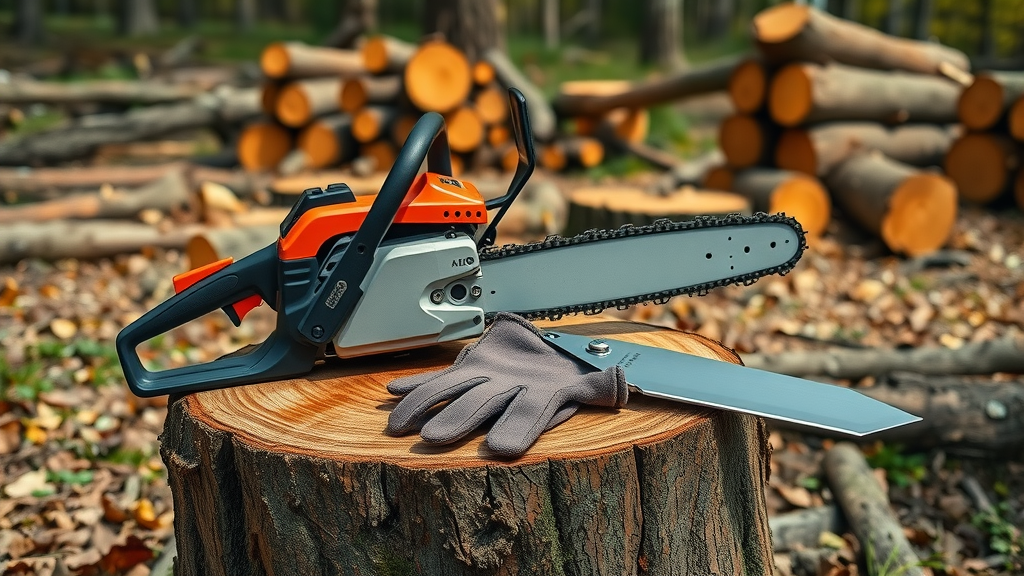
A high-quality chainsaw with an effective chain brake and a sharp chainsaw blade is the core tool for tree cutting. For trees thicker than 6 inches in diameter, you’ll also need a felling wedge to prevent the kerf from pinching the bar tip. Hand tools like pruning saws, pole loppers, and axes help manage higher limbs or smaller cuts—critical for pruning trees safely.
Always calibrate the chainsaw, inspect the bar tip for damage, and clean the air filter for maximum performance and safety. Keep a second saw blade on hand in case of pinching or rapid dulling. Secure a hand tool for fine branch work and ensure all tools are in excellent condition—dull or damaged equipment can cause accidents.
Personal Protective Equipment: What the Experts Require
- Helmet and face shield: These protect from falling limbs and flying sawdust, as well as chainsaw kickback.
- High-visibility vest: Makes you visible to helpers and keeps you safe near traffic or other workers.
- Chainsaw-proof trousers: Critical for resisting accidental chainsaw contact at leg level.
- Gloves and boots: Provide a strong grip and shield hands and feet from lacerations and crashes.
- Chain brake use: Always engage the chain brake when starting, moving, or resting the saw—it’s your most important built-in safety device.
Experts insist on full personal protective equipment every time. Skipping any item risks life and limb—literally. Standard gear includes helmets with integrated face shields, earmuffs to block engine noise, and reinforced gloves and boots. Chainsaw-proof trousers are non-negotiable, even for small jobs. Protective equipment is not optional if you value your safety.
Step-by-Step Guide: Safe and Efficient Tree Cutting
Evaluating the Tree and Its Surroundings
Begin every job by examining the tree carefully. Note any signs of decay, cracks, or cavities in the trunk, especially at ground level where weakness is most dangerous. Study the lean of the tree, the weight distribution of the crown, and the direction neighboring branches extend. These factors should guide where you make the face cut and anticipate where the tree will fall.
Clear the working area of logs, firewood, and leaves to avoid trips and slips. Assess wind conditions; even a moderate breeze can divert a tree or branch unexpectedly. If power lines are nearby, stop and call the utility company. Safety begins with vigilance—never skip this step.
How to Make the Face Cut—Techniques and Best Practices
The face cut is the first and most important cut in tree felling. Stand squarely to the side of the tree, not behind, to avoid the danger zone if the chainsaw kickback occurs. Start with a shallow top cut about one-third through the trunk, angled downward, followed by a bottom cut to meet the first, creating a notch pointing towards the intended fall direction. This notch acts as a directional guide, encouraging the tree to fall cleanly and predictably.
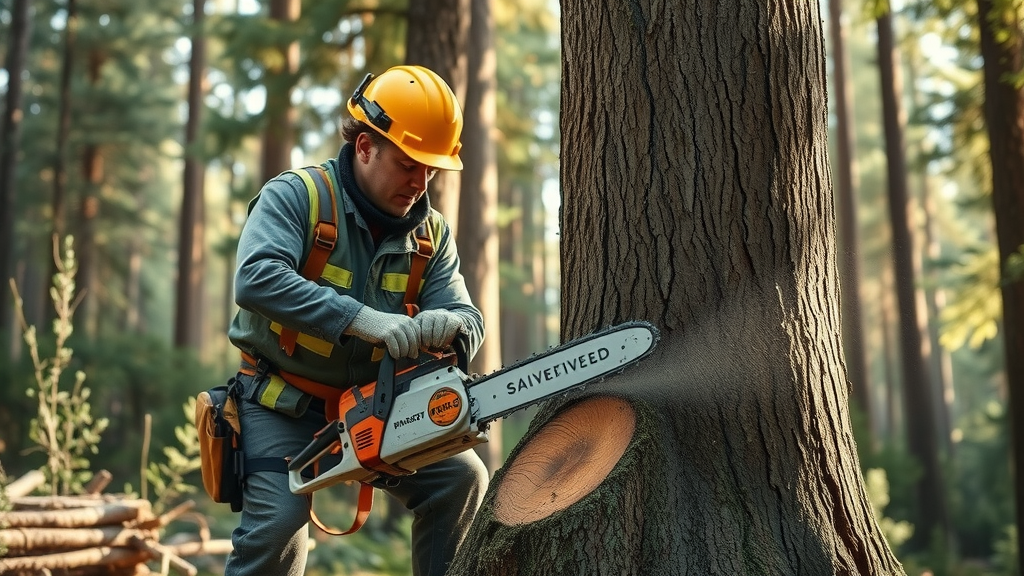
For trees over 12 inches in diameter, use a felling wedge to keep the kerf open and avoid pinching the bar tip. Ensure chainsaw blade sharpness before starting, and use the chain brake if you need to reposition. Incorrect placement or angles can cause the tree to fall off-course, threatening people and property.
Executing the Felling Cut: Avoiding Common Mistakes
The felling cut comes next and should be made from the back of the tree, slightly above the bottom notch of the face cut. Work slowly, pausing to insert felling wedges if you detect binding or unexpected movement. Never saw through the hinge wood left by the notch, as this hinge guides the tree’s descent and helps prevent uncontrolled falls.
Common mistakes include cutting too quickly, underestimating tree lean, or letting the saw deviate from a level line. Losing focus or neglecting to engage the chain brake when moving around the trunk can result in catastrophic chainsaw kickback. When in doubt, pause, reassess, and proceed methodically.
Using Felling Wedges and Chain Brake for Added Safety
A felling wedge is vital for keeping the cut open and preventing the trunk from shifting onto the bar tip. Place the wedge in the opening as you progress with the felling cut, gently tapping it as needed to maintain stability. The chain brake should be engaged whenever the saw is not actively cutting—accidental throttle or movement can cause severe injuries.
Always have multiple felling wedges and a hand tool (such as a small axe or mallet) nearby to free the saw if stuck. Wedges are invaluable for larger, heavy, or leaning trees, greatly reducing the risk of bar pinching or sudden trunk collapse.
Precision and Timing: When to Perform the Final Cut
Timing is everything in tree felling. Once the face cut and primary felling cut are made, watch for movement, cracking, or creaking in the trunk and crown. When the tree begins to fall, step sideways down your predefined retreat path immediately. Chainsaw users must release the throttle, engage the chain brake, and move away quickly to avoid unpredictable rebounds or falling branches.
If the tree becomes hung up in other branches or stalls mid-fall, never attempt to dislodge it alone. Specialized tools, winches, or professional intervention are often required. The final cut involves clearing any remaining hinge wood only once you’ve confirmed all movement has stopped and the tree is securely down.
Common Tree Cutting Mistakes and How to Avoid Them
- Misusing equipment like chain brake
- Poor placement of face cut or felling cut
- Neglecting personal protective equipment
- Ignoring tree lean and natural fall direction
"An incorrectly judged felling cut is the number one cause of DIY tree removal disasters."

Mistakes in tree cutting lead to property damage, personal injuries, and sometimes fatal accidents. Misjudgments in the placement of the face cut or felling cut result in trees falling unpredictably, sometimes crashing through fences, homes, or onto power lines. Not using essential personal protective equipment or forgetting to engage the chain brake can cause life-changing injuries, including severe lacerations from chainsaw kickback.
To avoid these pitfalls, always follow a checklist, train on safe pruning method and felling technique, and seek expert advice for complex situations or urban environments. Better to spend extra time on preparation than to become a cautionary tale.
Special Cases: Christmas Tree Cutting and Urban Tree Removal
How Christmas Tree Cutting Differs from Standard Tree Felling
Cutting a Christmas tree is generally an easier, smaller scale job than felling large trees in your yard. Christmas trees are typically grown for purpose and removed using basic hand tools such as saws, rather than chainsaws. The focus is less about directional control and more on safe, clean cuts near ground level, preserving as much trunk length as possible for the stand. That said, always check for buried wires or uneven ground before proceeding.

Transporting Christmas trees still poses a risk of damaging vehicles or property if not secured properly. Whether you select a tree from a farm or local lot, plan ahead and carry gloves, a saw, and netting. Never underestimate the hazards, even for small trees—personal protective equipment still matters.
Urban Tree Cutting Challenges—Wires, Crowded Spaces, and Permitting
Urban tree removal introduces complications like power lines, crowded lots, and strict permitting. Trees often overhang homes, driveways, or neighboring properties, making tree felling nearly impossible with basic DIY methods. Professional crews use advanced rigging, cranes, and sometimes even traffic control to minimize disruption and collateral damage.
Applying for permits is more involved—multiple city or district offices may have jurisdiction, and there is often a public notice period. Urban jobs should always be handled by licensed, insured professionals—attempting these without training can result in legal consequences and significant danger. When in doubt, contact a local expert or search your municipal gov website for guidance.
Cost Considerations and Savings in Tree Cutting
How Much Should Tree Cutting Cost?
The cost of tree cutting varies widely, from $100 for small, straightforward jobs to over $2,000 for large, complex tree felling jobs in dense neighborhoods or near power lines. Size, location, tree type, and the presence of obstacles all impact pricing—urban tree removal or emergency cutting commands the highest rates. Cutting a christmas tree yourself costs little beyond hand tool rental, while professional crane work is most expensive.
| Type of Service | Professional Cost | DIY Cost | Notes |
|---|---|---|---|
| Small tree removal (<12 inches in diameter) | $100 - $500 | $50 - $150 (tools rental) | Minimal risk if isolated; DIY safe if using proper PPE |
| Medium tree removal (12–24 inches) | $400 - $1,200 | $100 - $250 | Challenging for beginners, check for required permits |
| Large/urban or hazardous trees | $1,000 - $2,500+ | Not recommended DIY | Requires advanced gear, insurance, and often crane support |
| Christmas tree cutting | $40 - $150 | $20 - $40 | Usually DIY, hand tool only |
The Cheapest Time of Year for Tree Removal
Winter and early spring are typically the least expensive times for tree cutting in most regions. Trees are dormant, foliage is sparse, and low demand often leads to off-season discounts from local experts. Scheduling jobs before new growth starts—especially before blooming trees leaf out—simplifies cleanup and minimizes landscape disruption.
However, watch out for weather-related risks in icy or wet conditions. Some areas—especially the northern United States—may have frozen ground, providing a firmer surface for heavy machinery and reducing turf damage. Always check with local companies for seasonal specials!
How to Get a Tree Removed for Free—Programs and Tips
Some utilities, municipal governments, or neighborhood programs offer free tree removal for hazardous trees threatening power lines, sewers, or other infrastructure. Contact your local district office or check the gov website for available grants or volunteer initiatives. Homeowners’ insurance may also cover emergency removal after a storm, especially if the tree or branch fell due to wind or lightning.

Additionally, if your tree is suitable for logs or firewood, some companies may remove it free in exchange for the timber. Get multiple quotes and always verify credentials before agreeing to “free” removal offers!
Tree Cutting for Beginners: Practical Advice
- Start with small jobs like pruning trees or removing low-hanging branches before tackling large tree felling projects.
- Always double-check your personal protective equipment and safety protocols—helmets, gloves, boots, and chain brake before every cut.
- Learn correct pruning method and safe felling cut from arborist guides or video tutorials.
- Consult your local district office or extension service for permit advice and site-specific risks.
- If unsure, hire a professional—one mistake can cause injury or property loss that far exceeds the cost of expert help.

People Also Ask—Expert Answers on Tree Cutting
How much should tree cutting cost?
Professional tree cutting typically ranges from $100 to $2,500, depending on tree size, type, health, proximity to structures, and region. Cutting a small tree with hand tools may cost as little as $50–$150 with tool rental, while large jobs in urban settings demand specialized equipment and insurance, driving up fees. Get multiple quotes and ensure they include debris removal—hidden fees can inflate your final bill.
How can I get a tree removed for free?
City programs or utility companies occasionally provide free tree removal for hazardous or storm-damaged trees threatening public safety or power lines. Contact your district office, check the local gov website, or consult with your insurer after a severe weather event—relief programs and neighborhood grants may be available. Some firewood suppliers will also cut down suitable trees in exchange for timber.
How to cut a tree for beginners?
For first-timers, start by assessing the tree’s health and surroundings. Wear all necessary personal protective equipment. Mark a safe retreat path, clear the area, and use a sharp pruning hand tool or saw for small limbs. For full tree felling, make a face cut on the side of the tree facing your intended fall direction, then make a felling cut from the opposite side, using felling wedges if needed. Retreat quickly once the tree begins to fall. If you’re unsure, hire a professional.
What is the cheapest time of year for tree removal?
Late winter and early spring offer the best rates for tree cutting, with many companies offering off-season discounts before tree trimming and landscaping demand surges. Fewer leaves and dormant trees mean less debris and easier cleanup, often lowering labor costs. Schedule early and request multiple estimates to maximize savings.
Frequently Asked Questions About Tree Cutting
-
Is tree cutting always necessary, or can trees be saved?
Not always. Healthy trees with minor issues may only need pruning or crown reduction. Only trees with advanced disease, severe lean, or root instability require removal. -
What tools are best for tree cutting at home?
For small tasks, a hand tool or pruning saw is best; for medium jobs, a chainsaw with a reliable chain brake, plus felling wedge and safety gear, is essential. -
When should I hire a professional for tree felling?
Anytime trees are near structures, wires, or other people—or if the trunk is over 12 inches in diameter and you lack experience—always call a pro. -
What safety risks should I be aware of in tree cutting?
Chainsaw kickback, falling branches, unstable trees, and improper retreat routes are the main dangers. Always focus on PPE and planning. -
How long does it take to cut a tree?
Small jobs can take 1–2 hours; large, complicated removals may take a full day with equipment and cleanup.
Key Takeaways for Safe and Successful Tree Cutting
- Prioritize safety and proper planning
- Understand the type of tree cutting being performed
- Always use personal protective equipment
- Be informed about local regulations and costs
- When in doubt, consult a tree felling expert
Empower Your Tree Cutting Skills—Take the Next Step
"Knowledge and caution are your strongest tools—don’t let common mistakes cost you your home or your health."
- Continue your learning
- Connect with local tree felling professionals
- Subscribe for updates on pruning trees and best practices
Grow your landscaping expertise—call 203-271-7991 or visit TreeGuardianNews.com to subscribe.
Conclusion:
Proper tree cutting requires planning, training, and respect for safety protocols—protect your home and your well-being by applying these best practices every time.
If you’re ready to take your tree care knowledge even further, consider exploring the broader aspects of maintaining healthy, beautiful trees year-round. Our in-depth resource on tree cutting and garden tree maintenance in Connecticut offers expert advice on seasonal care, disease prevention, and sustainable landscaping strategies. By understanding not just removal, but also ongoing tree health, you’ll maximize your property’s value and safety for years to come. Dive deeper into advanced techniques and discover how proactive maintenance can save you time, money, and stress in the long run.
Tree cutting is a complex task that requires careful planning and adherence to safety protocols to prevent injuries and property damage. The Centers for Disease Control and Prevention (CDC) provides comprehensive guidelines on chain saw safety, emphasizing the importance of proper equipment use and personal protective gear. Their resource, “Chain Saw Safety,” outlines essential precautions to take before and during tree cutting operations. (cdc.gov)
Additionally, the Texas Department of Insurance offers valuable insights in their article “Tree Trimming Safety,” which discusses the necessity of personal protective equipment, hazard identification, and maintaining a safe distance from power lines during tree trimming activities. (tdi.texas.gov)
By consulting these authoritative resources, you can gain a deeper understanding of the risks associated with tree cutting and learn best practices to ensure safety and compliance with legal requirements.




Write A Comment