





Tree Guardian News
Tree Guardian News
  • Home
  • Categories
    • Storm Damage & Prevention
    • Tree Care Tips & Landscaping
    • Tree Disease Identification & Treatment
    • Insurance Intel
    • DIY Tree Care & Safety
    • Sustainable Tree Care & Eco Solutions
    • Professional Tree Services
    • Arborist Stories
    • Latest News
    • Industry Insights
Join the Arborist Forum 
December 13.2025
1 Minute Read

What You Need to Know About Arborist Qualifications

Did you know? Fewer than 30% of professionals employed in the tree care industry possess formal arborist qualifications, yet certified arborists command salaries up to 40% higher than their non-certified peers. Whether you're considering a new career path in arboriculture or seeking ways to advance in the competitive tree care industry, understanding the ins and outs of arborist credentials is crucial for career growth and for providing the best care to our urban forests.

Unlocking Arborist Qualifications: Surprising Insights and Industry Facts

Navigating the world of arborist qualifications reveals unique insights that can shape your trajectory in the tree care industry. Unlike the traditional approach to horticulture, pursuing an arborist career isn’t just a matter of passion—it’s about meeting well-defined benchmarks for safety, expertise, and professionalism. Modern urban forestry relies heavily on qualified arborists who possess not only basic knowledge but also demonstrated higher skills in tree care, risk assessment, and advanced tree worker practices.

A common misconception is that experience alone suffices, but most employers and municipalities now require certified arborist credentials sanctioned by reputable bodies such as the International Society of Arboriculture (ISA). The rationale is simple: qualified arborists reduce liability, improve outcomes in tree work, and ensure the well-being of both the urban forest and the communities it serves. Notably, the distinction between a certified and a qualified arborist may determine your access to larger contracts, managerial roles, and even specialized consulting opportunities. For those looking to step into this professional arena, understanding these standards is more important than ever.

arborist qualifications professional examining tree in vibrant urban park

What You'll Learn About Arborist Qualifications

  • The difference between certified arborist and qualified arborist credentials
  • The educational and experience requirements for arborist qualifications
  • Key steps in the career path for arborists
  • How tree care certifications impact your earning potential
  • Relevant degrees and continuing education for aspiring arborists

Understanding Arborist Qualifications and Certified Arborist Credentials

“Becoming a certified arborist is more than a title—it’s a testament to your commitment to healthy, safe, and sustainable tree care.” — International Society of Arboriculture
  • What defines a qualified arborist vs. a certified arborist
  • Overview of industry standards and certifications
  • Importance of certified tree professionals in modern urban forestry

At its core, distinguishing a qualified arborist from a certified arborist all comes down to formal recognition and verified expertise. A qualified arborist may possess substantial work experience and practical skills in the field of arboriculture, sometimes gained under the guidance of a certified tree expert. However, a certified arborist has not only acquired this knowledge but has also demonstrated basic knowledge and higher skills through formal exams, continuing education, and adherence to a code of ethics set by leading organizations like the ISA.

Industry standards for arborist qualifications are designed to ensure safety and quality in the increasingly complex landscape of urban forest management. Certified credentials indicate to employers and clients that a professional has demonstrated a higher level of knowledge and skill, from tree risk assessments to specialized tree care techniques. As cities and towns rely more on urban trees for ecosystem benefits and livability, the demand for certified arborist services has soared, underscoring the need for verified expertise in the care industry.

certified arborist displaying certification badge in modern office

Education and Training Requirements for Arborist Qualifications

arborist trainees classroom tree identification hands-on training

Educational requirements for arborist qualifications are structured to ensure that candidates gain solid groundwork in botany, forest management, plant pathology, and safety. While some may enter the industry with just a high school diploma, advancing to a certified arborist status usually requires a mix of formal education—such as an associate or bachelor’s degree in arboriculture, horticulture, or urban forestry—and robust field experience. Many employers prefer hiring arborists who not only attended specialized schools but also participated in internships or hands-on training programs.

Training is where knowledge meets action. For those aiming for a higher level of expertise, hands-on field experience under the supervision of a qualified arborist or certified tree expert is invaluable. Most respected certification programs, like those from the ISA, set the bar at several years of documented, full-time field work. Demonstrated basic knowledge in plant care, safety protocol, equipment handling, and tree risk assessment ensures candidates are truly occupationally ready—not just equipped with textbook learning, but capable of delivering professional results in the field.

For those interested in how arborist qualifications intersect with broader environmental and homeowner concerns, it's worth noting that specialized task forces and industry initiatives can play a pivotal role in supporting both professionals and the public. For example, the California Smoke Claims Task Force demonstrates how coordinated efforts can address emerging challenges in tree care and urban forestry.

Qualification Education Needed Experience Required
Certified Arborist High school diploma; recommended 2- or 4-year degree in arboriculture or related field At least 3 years full-time experience
Qualified Arborist Varies; often industry experience and training 2–3 years working under a certified arborist

Arborist Career Path: From Entry-Level to Certified Tree Expert

  • Entry-level positions and internships
  • Path to becoming a certified arborist
  • Advanced certifications and specializations

A successful career path in arboriculture generally starts with entry-level positions such as grounds crew, tree worker, or tree care technician. These roles provide crucial field experience, allowing you to build foundational skills and basic knowledge that will serve you at higher levels. Internships or apprenticeships are especially valuable for those who lack field experience but want to break into the care industry; they provide networking opportunities, mentorship, and hands-on learning necessary for future certification.

Once you have logged the required work experience and developed a solid understanding of tree risk assessment, pruning, planting, and plant health care, the next milestone is obtaining certified arborist credentials. Many professionals subsequently pursue advanced certifications—such as Certified Tree Expert, Utility Specialist, or Municipal Specialist—which can unlock higher level positions in consulting, management, or even education. Each step up the ladder reflects not only a demonstrated higher level of knowledge and skill but broader career opportunities and increased earning potential. To see this progression in action, consider watching “A Day in the Life of a Certified Arborist” for a real-world glimpse of this dynamic field.

Tree Care Skills and Certifications: What Employers Seek in Qualified Arborists

  • Essential tree care techniques and knowledge
  • Importance of continuing education
  • Affiliations with professional organizations

Employers in the tree care industry are actively searching for candidates with a blend of technical know-how, practical field experience, and verifiable credentials. Skills that top the list include proper pruning techniques, tree risk evaluation, disease identification, and safe operation of equipment. In most organizations, having a certified arborist or qualified arborist on staff is not just a bonus—it’s an industry expectation for safety and quality. Demonstrated basic and higher skills are particularly important for roles involving urban forest management, where the stakes of proper tree care are high for public safety and ecological balance.

To stay competitive, ongoing learning is key. Continuing education requirements ensure that arborists keep up with evolving industry standards, innovative care techniques, and the latest in pest and disease management. Active affiliations with professional organizations such as the ISA or local urban forestry groups signal your commitment to quality and best practices. The combination of field experience, specialized knowledge, and continued learning sets apart those positioned for the highest roles in the tree care industry.
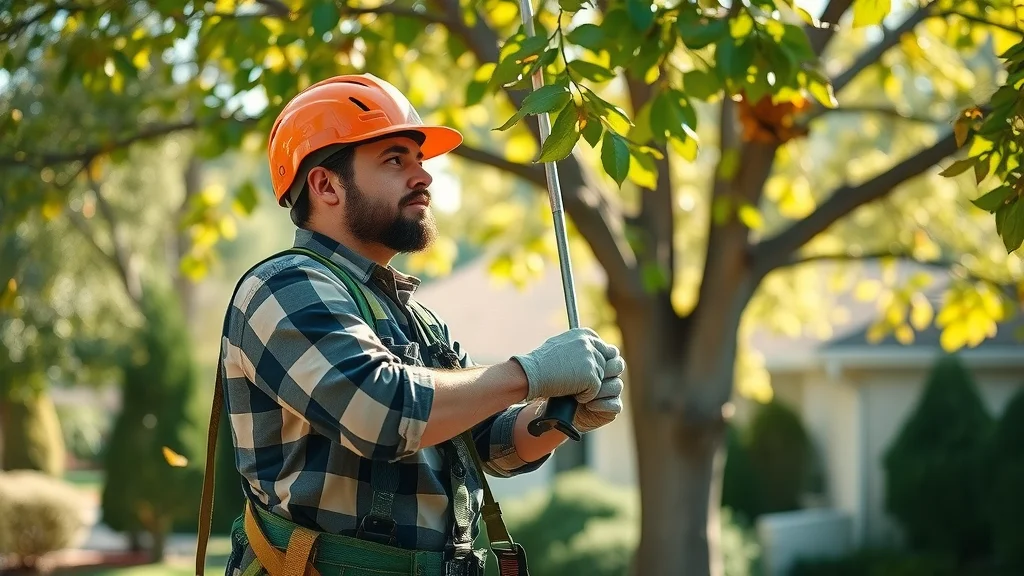
qualified arborist performing advanced tree care with safety harness

Maximizing Salary and Advancement with Arborist Qualifications

It’s no secret that arborist qualifications directly influence a professional’s earning power and trajectory in the tree care industry. Entry-level arborists, who often start as ground crew or assistants, earn a starting salary, but their income can quickly rise with additional credentials and experience. Passing certified arborist exams or achieving advanced specializations not only signals demonstrated higher skills and knowledge but also opens doors to project management, consulting, and tree risk assessment gigs.

Research shows that certified arborists and certified tree experts earn significantly more than those without formal credentials. This is due to their proven expertise, higher skills in certain technical areas, and the trust they inspire in clients seeking professional tree work. For those aiming to lead teams, embark on independent consulting, or work in municipal forest management, investing in further education and specialty certifications is a proven path to a higher level of knowledge, salary, and influence within the care industry.

Role Typical Salary Range Certification Influence
Entry-Level Arborist $35,000–$45,000 Minimal
Certified Arborist $50,000–$70,000 Significant
Certified Tree Expert $70,000–$100,000+ Highly significant

arborist consulting with client on landscaping plan outdoors

People Also Ask: All About Arborist Qualifications

What are the requirements to be a certified arborist?

To become a certified arborist, you must meet both education and experience thresholds set by bodies like the ISA. Typically, candidates need a high school diploma and three or more years of full-time practical field experience in tree care or a related discipline. This includes skills in pruning, planting, diagnosis, tree risk assessment, and safe equipment use. Once you fulfill these prerequisites, you must pass a comprehensive exam covering all aspects of arboriculture, demonstrating not only basic knowledge but also a higher level of competence in modern tree care industry standards.

What kind of schooling do you need to be an arborist?

While it’s possible to start as a tree worker with just a high school diploma, most career-oriented arborists pursue further education. Associate’s or bachelor’s degrees in arboriculture, horticulture, environmental science, or forest management are highly recommended and sometimes required for higher level roles. Additionally, vocational training programs and industry-recognized certifications provide hands-on skills not always covered in traditional schooling. These educational pathways ensure you gain not only theoretical knowledge but also practical abilities essential for success as a qualified arborist or tree surgeon.

arborist students examining saplings in outdoor school garden

What is the top salary for an arborist?

The salary for an arborist varies based on credentials, location, specialization, and years of field experience. Entry-level positions often pay between $35,000 and $45,000 annually, while a fully certified arborist can expect $50,000–$70,000. Those who become certified tree experts or branch into consulting, management, or specialized roles may earn upwards of $100,000 annually. The more you advance your qualifications, especially through demonstrated higher skills and specialty certifications, the better your chances for top earnings in the care industry.

What degrees are best for arborists?

The most highly regarded degrees for aspiring arborists include those in arboriculture, horticulture, urban forestry, and forest management. These programs offer not only a comprehensive grounding in plant biology and care but also essential courses in pest control, disease management, and tree risk assessment. Supplementing these degrees with hands-on internships and field experience is key to bridging classroom theory with career-ready tree care skills.

Key Takeaways for Pursuing Arborist Qualifications

  1. Arborist qualifications are crucial for career credibility and advancement.
  2. Certified arborist status offers higher earning potential and a clear career path.
  3. A blend of education, hands-on experience, and professional certification is essential for success in tree care.

Frequently Asked Questions About Arborist Qualifications

  • Can arborist qualifications be earned online?
    Many educational programs and some exam prep courses are offered online. However, hands-on field experience is mandatory for certification, which cannot be completed virtually.
  • How often must a certified arborist renew their certification?
    Certified arborists usually need to recertify every three years by earning continuing education units or retaking the certification exam, ensuring up-to-date knowledge in the field.
  • What’s the difference between a certified arborist and a tree surgeon?
    While both professionals work with trees, a certified arborist has formal recognition, proven credentials, and follows industry standards. A tree surgeon may not have the same level of training or certification and might focus primarily on tree cutting or removal tasks.

Ready to Advance Your Tree Care Career?

Grow your landscaping expertise—call 203-271-7991 or visit TreeGuardianNews.com to subscribe.

As you continue your journey toward becoming a highly qualified arborist, remember that the landscape of tree care is always evolving—often shaped by new challenges and collaborative solutions. Exploring how industry-wide initiatives, like the California Smoke Claims Task Force, support both professionals and homeowners can offer valuable perspective on the broader impact of your work. By staying informed about these developments, you not only enhance your own expertise but also contribute to the resilience and sustainability of urban forests. For those ready to take their knowledge to the next level, delving into the intersection of arboriculture and community support can open doors to advanced opportunities and leadership roles in the field.

To deepen your understanding of arborist qualifications, consider exploring the following resources:

  • The International Society of Arboriculture (ISA) offers a comprehensive overview of the ISA Certified Arborist® Exam requirements, detailing the necessary education and experience prerequisites for certification. (isa-arbor.com)

  • The New Hampshire Arborists Association provides insights into their certification process, emphasizing the importance of education and practical experience in professional arboriculture. (nharborists.org)

These resources offer valuable information on the pathways to becoming a certified arborist, including the educational and experiential requirements essential for success in the field.

Latest News

72 Views

Write A Comment

*
*
Please complete the captcha to submit your comment.
Related Posts All Posts
07.10.2026

How Often Should Trees Be Pruned? A Complete Guide for Tree Care

Learn how often trees should be pruned, the benefits of regular pruning, and essential tips for tree care.

07.10.2026

Why Homeowners Should Be Aware of Trees and Lawn Mowers

Update The Dangers of Lawn Mowers Near Trees Maintaining a beautiful lawn can be quite the task for homeowners, especially during the weekends when lawn care activities come into play. However, have you ever considered how damaging lawn mowers can be to the trees that grace your yard? Trees not only provide shade and beauty but also improve air quality. Hence, protecting them is essential. Understanding Tree Health and Lawn Care Tree health is often compromised when lawn mowers come too close. Any accidental brush against a tree trunk can lead to bark damage. This exposes the tree to pests and diseases. Over time, these injuries can hinder growth, making it difficult for trees to thrive. It's essential to recognize that a lawn mower is not just a tool for cutting grass; it can significantly affect your landscape's ecosystem. Setting Up Safe Boundaries The best way to safeguard your trees from lawn mower damage is to establish designated areas for each. When mowing, create a safe distance around trees that your mower will not trespass. A general rule of thumb is to maintain a radius of about 3 feet around the base of each tree. This defensive zone not only protects the tree’s trunk from being scuffed but also allows you to use mulch or grass clippings that can further nourish the tree. Creating a Tree-Friendly Lawn Environmental experts recommend incorporating a variety of plants around trees to create a safe landscape. Native plants, which are adapted to the local environment, thrive well and require less maintenance. They can form a protective green barrier that cushions trees against accidental mower contact. Moreover, growing ground covers can significantly limit the need for mower operation near trees while enhancing soil quality. The Importance of Mulching Mulching can be incredibly beneficial for tree health. By applying organic mulch around the base of trees, you can improve moisture retention and prevent weed growth that would otherwise require mowing. Choose materials such as wood chips or shredded bark as mulch to keep your trees healthy. Plus, mulching helps regulate soil temperature and provides nutrients as it breaks down over time. Tools and Techniques for Safe Mowing Investing in lawn mowing techniques and tools designed to protect trees is an excellent idea. For instance, using a trimmer with a protective guard can help you reach areas near tree bases without risk of damage. Staying aware and cautious while mowing your lawn is key. Practicing slow and steady movements near tree lines helps avoid unexpected mishaps. Understanding the Risks of Equipment Damage Besides physical damage to trees, lawn mowers can also be affected by the landscape. Running over roots or rocks hidden beneath grass can cause mower blades to dull or even break. This means more maintenance for you and potential costly repairs. Take time to survey your yard before mowing; this consideration will prolong the life of both your trees and your lawn care equipment. Conclusion: Creating a Sustainable Landscape Protecting your trees from lawn mowers is vital not only for their health but for the overall ecosystem of your yard. By practicing careful mowing techniques, establishing boundaries, and promoting plant diversity, you are on your way to creating a sustainable, beautiful landscape that can be enjoyed for years to come.

07.03.2026

Oak Wilt Prevention: Essential Strategies for Protecting Oaks at Eagle Mountain Lake

Update The Importance of Oak Wilt Prevention in Eagle Mountain Lake At Eagle Mountain Lake, Texas, a dedicated team of arborists is safeguarding approximately ninety mature Southern Live Oaks and Red Oaks as part of a vital Oak Wilt prevention program. This initiative highlights the crucial role of preventative plant healthcare in North Texas, particularly in an area surrounded by one of the largest oak wilt footprints in the state. By establishing a routine treatment schedule, these trees stand a greater chance of surviving this pervasive disease. Understanding Oak Wilt: A Threat to Healthy Oaks Oak Wilt, caused by the fungal pathogen Bretziella fagacearum, poses a significant threat to oak populations, with its effects not immediately visible. The disease infiltrates the tree's vascular system, specifically the xylem, which is crucial for transporting water and nutrients. As the fungus spreads, the tree attempts to defend itself, leading to a decline in water movement that causes characteristic symptoms such as wilting leaves and canopy decline. Why Southern Live Oaks Are Particularly Vulnerable One of the primary reasons Southern Live Oaks are at high risk of Oak Wilt is their unique root structure. These trees often form interconnected root systems, allowing for the transfer of water and nutrients. However, this characteristic also facilitates the rapid spread of the fungus from one infected tree to others, making early intervention essential. Preventative Measures That Make a Difference Preventative care is critical in stopping the spread of Oak Wilt. Treatments such as Low-Volume Macro Infusion with Alamo fungicide help protect these trees before symptoms appear. This proactive approach is crucial as it allows for maintaining the health of the surrounding ecosystem. The standard recommendation is a two-year treatment cycle, ensuring that healthy trees remain unaffected by the disease. The Role of Insects in Oak Wilt Spread In addition to root graft transmission, the Oak Wilt fungus can also be introduced to healthy trees through insect activity. Nitidulid sap beetles, attracted to fresh wounds on oak trees, play a key role in this process. Proper tree management—including timely pruning and sealing fresh cuts—can prevent the introduction of this dangerous fungus. Learn to Recognize the Signs Recognizing the signs of oak wilt can be challenging, especially for homeowners. Early symptoms usually include yellowing leaves and canopy decline, but they can often be mistaken for other tree health issues. Understanding these signs and knowing when to contact an arborist can make the difference between saving a tree and losing it to this destructive disease. By maintaining vigilance and committing to a consistent, science-based plant healthcare program, property owners can play a significant role in combating the spread of Oak Wilt. Regular inspections, along with a proactive treatment approach, are pivotal in preserving the majestic oak trees that contribute so greatly to our environment.

Green Space News

Homeowners & Businesses concerned about tree and landscape care, safety issues from storms, old or diseased trees, structural damage risks, and insurance implications.

Green Space News is a subsidiary of RP Design Web Services.

COMPANY

  • Privacy Policy
  • Terms of Use
  • Advertise
  • Contact Us
  • Menu 5
  • Menu 6

AVAILABLE FROM 8AM - 5PM

Cheshire,CT

POBox 1189

ABOUT US

Green Space News is your go-to media hub for cutting-edge strategies to maintain a safe and vibrant environment. We are committed to protecting your property and family by providing proactive tree hazard prevention and awareness. Our platform  empower communities to safeguard their surroundings and enjoy healthier, more resilient landscapes.

© 2026 RP Design Web Services All Rights Reserved. P.O. Box 1189, Cheshire, CT 06410 . Contact Us . Terms of Service . Privacy Policy

eyJjb21wYW55IjoiUlAgRGVzaWduIFdlYiBTZXJ2aWNlcyIsImFkZHJlc3MiOiJQLk8uIEJveCAxMTg5IiwiY2l0eSI6IkNoZXNoaXJlIiwic3RhdGUiOiJDVCIsInppcCI6IjA2NDEwIiwiZW1haWwiOiJyb2JlcnRAcnBkZXNpZ24uY29tIiwidG9zIjoiUEhBK1BITjBjbTl1Wno0OFpXMCtWMmhsYmlCNWIzVWdjMmxuYmkxcGJpQjNhWFJvSUhWekxDQjViM1VnWVhKbElHZHBkbWx1WnladVluTndPeUI1YjNWeUlIQmxjbTFwYzNOcGIyNGdZVzVrSUdOdmJuTmxiblFnZEc4Z2MyVnVaQ0I1YjNVZ1pXMWhhV3dnWVc1a0wyOXlJRk5OVXlCMFpYaDBJRzFsYzNOaFoyVnpMaUJDZVNCamFHVmphMmx1WnlCMGFHVWdWR1Z5YlhNZ1lXNWtJRU52Ym1ScGRHbHZibk1nWW05NElHRnVaQ0JpZVNCemFXZHVhVzVuSUdsdUlIbHZkU0JoZFhSdmJXRjBhV05oYkd4NUlHTnZibVpwY20wZ2RHaGhkQ0I1YjNVZ1lXTmpaWEIwSUdGc2JDQjBaWEp0Y3lCcGJpQjBhR2x6SUdGbmNtVmxiV1Z1ZEM0OEwyVnRQand2YzNSeWIyNW5Qand2Y0Q0S0NqeHdQanhoSUdoeVpXWTlJbWgwZEhBNkx5OTNkM2N1WjI5dloyeGxMbU52YlNJK2FIUjBjRG92TDNkM2R5NW5iMjluYkdVdVkyOXRQQzloUGp3dmNENEtDanh3UGladVluTndPend2Y0Q0S0NqeHdQanh6ZEhKdmJtYytVMFZTVmtsRFJUd3ZjM1J5YjI1blBqd3ZjRDRLQ2p4d1BsZGxJSEJ5YjNacFpHVWdZU0J6WlhKMmFXTmxJSFJvWVhRZ1kzVnljbVZ1ZEd4NUlHRnNiRzkzY3lCNWIzVWdkRzhnY21WalpXbDJaU0J5WlhGMVpYTjBjeUJtYjNJZ1ptVmxaR0poWTJzc0lHTnZiWEJoYm5rZ2FXNW1iM0p0WVhScGIyNHNJSEJ5YjIxdmRHbHZibUZzSUdsdVptOXliV0YwYVc5dUxDQmpiMjF3WVc1NUlHRnNaWEowY3l3Z1kyOTFjRzl1Y3l3Z1pHbHpZMjkxYm5SeklHRnVaQ0J2ZEdobGNpQnViM1JwWm1sallYUnBiMjV6SUhSdklIbHZkWElnWlcxaGFXd2dZV1JrY21WemN5QmhibVF2YjNJZ1kyVnNiSFZzWVhJZ2NHaHZibVVnYjNJZ1pHVjJhV05sTGlCWmIzVWdkVzVrWlhKemRHRnVaQ0JoYm1RZ1lXZHlaV1VnZEdoaGRDQjBhR1VnVTJWeWRtbGpaU0JwY3lCd2NtOTJhV1JsWkNBbWNYVnZkRHRCVXkxSlV5WnhkVzkwT3lCaGJtUWdkR2hoZENCM1pTQmhjM04xYldVZ2JtOGdjbVZ6Y0c5dWMybGlhV3hwZEhrZ1ptOXlJSFJvWlNCMGFXMWxiR2x1WlhOekxDQmtaV3hsZEdsdmJpd2diV2x6TFdSbGJHbDJaWEo1SUc5eUlHWmhhV3gxY21VZ2RHOGdjM1J2Y21VZ1lXNTVJSFZ6WlhJZ1kyOXRiWFZ1YVdOaGRHbHZibk1nYjNJZ2NHVnljMjl1WVd4cGVtRjBhVzl1SUhObGRIUnBibWR6TGp3dmNENEtDanh3UGxsdmRTQmhjbVVnY21WemNHOXVjMmxpYkdVZ1ptOXlJRzlpZEdGcGJtbHVaeUJoWTJObGMzTWdkRzhnZEdobElGTmxjblpwWTJVZ1lXNWtJSFJvWVhRZ1lXTmpaWE56SUcxaGVTQnBiblp2YkhabElIUm9hWEprSUhCaGNuUjVJR1psWlhNZ0tITjFZMmdnWVhNZ1UwMVRJSFJsZUhRZ2JXVnpjMkZuWlhNc0lFbHVkR1Z5Ym1WMElITmxjblpwWTJVZ2NISnZkbWxrWlhJZ2IzSWdZMlZzYkhWc1lYSWdZV2x5ZEdsdFpTQmphR0Z5WjJWektTNGdXVzkxSUdGeVpTQnlaWE53YjI1emFXSnNaU0JtYjNJZ2RHaHZjMlVnWm1WbGN5d2dhVzVqYkhWa2FXNW5JSFJvYjNObElHWmxaWE1nWVhOemIyTnBZWFJsWkNCM2FYUm9JSFJvWlNCa2FYTndiR0Y1SUc5eUlHUmxiR2wyWlhKNUlHOW1JR1ZoWTJnZ1UwMVRJSFJsZUhRZ2JXVnpjMkZuWlNCelpXNTBJSFJ2SUhsdmRTQmllU0IxY3k0Z1NXNGdZV1JrYVhScGIyNHNJSGx2ZFNCdGRYTjBJSEJ5YjNacFpHVWdZVzVrSUdGeVpTQnlaWE53YjI1emFXSnNaU0JtYjNJZ1lXeHNJR1Z4ZFdsd2JXVnVkQ0J1WldObGMzTmhjbmtnZEc4Z1lXTmpaWE56SUhSb1pTQlRaWEoyYVdObElHRnVaQ0J5WldObGFYWmxJSFJvWlNCVFRWTWdkR1Y0ZENCdFpYTnpZV2RsY3k0Z1YyVWdaRzhnYm05MElHTm9ZWEpuWlNCaGJua2dabVZsY3lCbWIzSWdaR1ZzYVhabGNua2diMllnWlcxaGFXd2diM0lnVTAxVExpQlVhR2x6SUdseklHRWdabkpsWlNCelpYSjJhV05sSUhCeWIzWnBaR1ZrSUdKNUlIVnpMaUJJYjNkbGRtVnlMQ0J3YkdWaGMyVWdZMmhsWTJzZ2QybDBhQ0I1YjNWeUlHbHVkR1Z5Ym1WMElITmxjblpwWTJVZ2NISnZkbWxrWlhJZ1lXNWtJR05sYkd4MWJHRnlJR05oY25KcFpYSWdabTl5SUdGdWVTQmphR0Z5WjJWeklIUm9ZWFFnYldGNUlHbHVZM1Z5SUdGeklHRWdjbVZ6ZFd4MElHWnliMjBnY21WalpXbDJhVzVuSUdWdFlXbHNJR0Z1WkNCVFRWTWdkR1Y0ZENCdFpYTnpZV2RsY3lCMGFHRjBJSGRsSUdSbGJHbDJaWElnZFhCdmJpQjViM1Z5SUc5d2RDMXBiaUJoYm1RZ2NtVm5hWE4wY21GMGFXOXVJSGRwZEdnZ2IzVnlJR1Z0WVdsc0lHRnVaQ0JUVFZNZ2MyVnlkbWxqWlhNdUlGbHZkU0JqWVc0Z1kyRnVZMlZzSUdGMElHRnVlU0IwYVcxbExpQktkWE4wSUhSbGVIUWdKbkYxYjNRN1UxUlBVQ1p4ZFc5ME95QjBieUE4YUdsbmFHeHBaMmgwSUdOc1lYTnpQU0pqYjIxd1lXNTVVR2h2Ym1WVmNHUmhkR1VpUGlzeE1qQXpNamN4TnprNU1Ud3ZhR2xuYUd4cFoyaDBQaTRnUVdaMFpYSWdlVzkxSUhObGJtUWdkR2hsSUZOTlV5QnRaWE56WVdkbElDWnhkVzkwTzFOVVQxQW1jWFZ2ZERzZ2RHOGdkWE1zSUhkbElIZHBiR3dnYzJWdVpDQjViM1VnWVc0Z1UwMVRJRzFsYzNOaFoyVWdkRzhnWTI5dVptbHliU0IwYUdGMElIbHZkU0JvWVhabElHSmxaVzRnZFc1emRXSnpZM0pwWW1Wa0xpQkJablJsY2lCMGFHbHpMQ0I1YjNVZ2QybHNiQ0J1YnlCc2IyNW5aWElnY21WalpXbDJaU0JUVFZNZ2JXVnpjMkZuWlhNZ1puSnZiU0IxY3k0OEwzQStDZ284Y0Q0OGMzUnliMjVuUGxsUFZWSWdVa1ZIU1ZOVVVrRlVTVTlPSUU5Q1RFbEhRVlJKVDA1VFBDOXpkSEp2Ym1jK1BDOXdQZ29LUEhBK1NXNGdZMjl1YzJsa1pYSmhkR2x2YmlCdlppQjViM1Z5SUhWelpTQnZaaUIwYUdVZ1UyVnlkbWxqWlN3Z2VXOTFJR0ZuY21WbElIUnZPand2Y0Q0S0NqeHZiRDRLQ1R4c2FUNXdjbTkyYVdSbElIUnlkV1VzSUdGalkzVnlZWFJsTENCamRYSnlaVzUwSUdGdVpDQmpiMjF3YkdWMFpTQnBibVp2Y20xaGRHbHZiaUJoWW05MWRDQjViM1Z5YzJWc1ppQmhjeUJ3Y205dGNIUmxaQ0JpZVNCMGFHVWdVMlZ5ZG1salpTWWpNems3Y3lCeVpXZHBjM1J5WVhScGIyNGdabTl5YlNBb2MzVmphQ0JwYm1admNtMWhkR2x2YmlCaVpXbHVaeUIwYUdVZ0puRjFiM1E3VW1WbmFYTjBjbUYwYVc5dUlFUmhkR0VtY1hWdmREc3BJR0Z1WkR3dmJHaytDZ2s4YkdrK2JXRnBiblJoYVc0Z1lXNWtJSEJ5YjIxd2RHeDVJSFZ3WkdGMFpTQjBhR1VnVW1WbmFYTjBjbUYwYVc5dUlFUmhkR0VnZEc4Z2EyVmxjQ0JwZENCMGNuVmxMQ0JoWTJOMWNtRjBaU3dnWTNWeWNtVnVkQ0JoYm1RZ1kyOXRjR3hsZEdVdUlFbG1JSGx2ZFNCd2NtOTJhV1JsSUdGdWVTQnBibVp2Y20xaGRHbHZiaUIwYUdGMElHbHpJSFZ1ZEhKMVpTd2dhVzVoWTJOMWNtRjBaU3dnYm05MElHTjFjbkpsYm5RZ2IzSWdhVzVqYjIxd2JHVjBaU3dnYjNJZ2QyVWdhR0YyWlNCeVpXRnpiMjVoWW14bElHZHliM1Z1WkhNZ2RHOGdjM1Z6Y0dWamRDQjBhR0YwSUhOMVkyZ2dhVzVtYjNKdFlYUnBiMjRnYVhNZ2RXNTBjblZsTENCcGJtRmpZM1Z5WVhSbExDQnViM1FnWTNWeWNtVnVkQ0J2Y2lCcGJtTnZiWEJzWlhSbExDQjNaU0JvWVhabElIUm9aU0J5YVdkb2RDQjBieUJ6ZFhOd1pXNWtJRzl5SUR4emRISnZibWMrUEhOd1lXNGdjM1I1YkdVOUltTnZiRzl5T2lOR1JqQXdNREE3SWo1MFpYSnRhVzVoZEdVZ2VXOTFjaUJoWTJOdmRXNTBMM0J5YjJacGJHVWdZVzVrSUhKbFpuVnpaU0JoYm5rZ1lXNWtJR0ZzYkNCamRYSnlaVzUwSUc5eUlHWjFkSFZ5WlNCMWMyVWdiMllnZEdobElGTmxjblpwWTJVZ0tHOXlJR0Z1ZVNCd2IzSjBhVzl1SUhSb1pYSmxiMllwTGp3dmMzQmhiajQ4TDNOMGNtOXVaejQ4TDJ4cFBnbzhMMjlzUGdvS1BIQStKbTVpYzNBN1BDOXdQZ284YUdsbmFHeHBaMmgwSUdOc1lYTnpQU0pqYjIxd1lXNTVUbUZ0WlZWd1pHRjBaU0krVWxBZ1JHVnphV2R1SUZkbFlpQlRaWEoyYVdObGN6d3ZhR2xuYUd4cFoyaDBQanhpY2lBdlBnbzhhR2xuYUd4cFoyaDBJR05zWVhOelBTSmpiMjF3WVc1NVFXUmtjbVZ6YzFWd1pHRjBaU0krVUM1UExpQkNiM2dnTVRFNE9Td2dRMmhsYzJocGNtVXNJRU5VSURBMk5ERXdQQzlvYVdkb2JHbG5hSFErUEdKeUlDOCtDanhvYVdkb2JHbG5hSFFnWTJ4aGMzTTlJbU52YlhCaGJubFFhRzl1WlZWd1pHRjBaU0krS3pFeU1ETXlOekUzT1RreFBDOW9hV2RvYkdsbmFIUStQR0p5SUM4K0NqeG9hV2RvYkdsbmFIUWdZMnhoYzNNOUltTnZiWEJoYm5sRmJXRnBiRlZ3WkdGMFpTSStjbTlpWlhKMFFISndaR1Z6YVdkdUxtTnZiVHd2YUdsbmFHeHBaMmgwUGc9PSIsInByaXZhY3kiOiJQSEErUEhOMGNtOXVaejVRVWtsV1FVTlpQQzl6ZEhKdmJtYytQQzl3UGdvS1BIQStQSE4wY205dVp6NVVhR1VnYVc1bWIzSnRZWFJwYjI0Z2NISnZkbWxrWldRZ1pIVnlhVzVuSUhSb2FYTWdjbVZuYVhOMGNtRjBhVzl1SUdseklHdGxjSFFnY0hKcGRtRjBaU0JoYm1RZ1kyOXVabWxrWlc1MGFXRnNMQ0JoYm1RZ2QybHNiQ0J1WlhabGNpQmlaU0JrYVhOMGNtbGlkWFJsWkN3Z1kyOXdhV1ZrTENCemIyeGtMQ0IwY21Ga1pXUWdiM0lnY0c5emRHVmtJR2x1SUdGdWVTQjNZWGtzSUhOb1lYQmxJRzl5SUdadmNtMHVJRlJvYVhNZ2FYTWdiM1Z5SUdkMVlYSmhiblJsWlM0OEwzTjBjbTl1Wno0OEwzQStDZ284Y0Q0OGMzUnliMjVuUGtsT1JFVk5Ua2xVV1R3dmMzUnliMjVuUGp3dmNENEtDanh3UGp4bGJUNVpiM1VnWVdkeVpXVWdkRzhnYVc1a1pXMXVhV1o1SUdGdVpDQm9iMnhrSUhWekxDNGdZVzVrSUdsMGN5QnpkV0p6YVdScFlYSnBaWE1zSUdGbVptbHNhV0YwWlhNc0lHOW1abWxqWlhKekxDQmhaMlZ1ZEhNc0lHTnZMV0p5WVc1a1pYSnpJRzl5SUc5MGFHVnlJSEJoY25SdVpYSnpMQ0JoYm1RZ1pXMXdiRzk1WldWekxDQm9ZWEp0YkdWemN5Qm1jbTl0SUdGdWVTQmpiR0ZwYlNCdmNpQmtaVzFoYm1Rc0lHbHVZMngxWkdsdVp5QnlaV0Z6YjI1aFlteGxJR0YwZEc5eWJtVjVjeVlqTXprN0lHWmxaWE1zSUcxaFpHVWdZbmtnWVc1NUlIUm9hWEprSUhCaGNuUjVJR1IxWlNCMGJ5QnZjaUJoY21semFXNW5JRzkxZENCdlppQkRiMjUwWlc1MElIbHZkU0J5WldObGFYWmxMQ0J6ZFdKdGFYUXNJSEpsY0d4NUxDQndiM04wTENCMGNtRnVjMjFwZENCdmNpQnRZV3RsSUdGMllXbHNZV0pzWlNCMGFISnZkV2RvSUhSb1pTQlRaWEoyYVdObExDQjViM1Z5SUhWelpTQnZaaUIwYUdVZ1UyVnlkbWxqWlN3Z2VXOTFjaUJqYjI1dVpXTjBhVzl1SUhSdklIUm9aU0JUWlhKMmFXTmxMQ0I1YjNWeUlIWnBiMnhoZEdsdmJpQnZaaUIwYUdVZ1ZFOVRMQ0J2Y2lCNWIzVnlJSFpwYjJ4aGRHbHZiaUJ2WmlCaGJua2djbWxuYUhSeklHOW1JR0Z1YjNSb1pYSXVQQzlsYlQ0OEwzQStDZ284Y0Q0OGMzUnliMjVuUGtSSlUwTk1RVWxOUlZJZ1QwWWdWMEZTVWtGT1ZFbEZVend2YzNSeWIyNW5Qand2Y0Q0S0NqeHdQanh6ZEhKdmJtYytXVTlWSUVWWVVGSkZVMU5NV1NCVlRrUkZVbE5VUVU1RUlFRk9SQ0JCUjFKRlJTQlVTRUZVT2p3dmMzUnliMjVuUGp3dmNENEtDanh2YkQ0S0NUeHNhVDVaVDFWU0lGVlRSU0JQUmlCVVNFVWdVMFZTVmtsRFJTQkpVeUJCVkNCWlQxVlNJRk5QVEVVZ1VrbFRTeTRnVkVoRklGTkZVbFpKUTBVZ1NWTWdVRkpQVmtsRVJVUWdUMDRnUVU0Z0puRjFiM1E3UVZNZ1NWTW1jWFZ2ZERzZ1FVNUVJQ1p4ZFc5ME8wRlRJRUZXUVVsTVFVSk1SU1p4ZFc5ME95QkNRVk5KVXk0Z0xDNGdRVTVFSUZWVExDQkpWQ1lqTXprN1V5QkRWVk5VVDAxRlVsTXNJRVZZVUZKRlUxTk1XU0JFU1ZORFRFRkpUVk1nUVV4TUlGZEJVbEpCVGxSSlJWTWdUMFlnUVU1WklFdEpUa1FzSUZkSVJWUklSVklnUlZoUVVrVlRVeUJQVWlCSlRWQk1TVVZFTENCSlRrTk1WVVJKVGtjc0lFSlZWQ0JPVDFRZ1RFbE5TVlJGUkNCVVR5QlVTRVVnU1UxUVRFbEZSQ0JYUVZKU1FVNVVTVVZUSUU5R0lFMUZVa05JUVU1VVFVSkpURWxVV1N3Z1JrbFVUa1ZUVXlCR1QxSWdRU0JRUVZKVVNVTlZURUZTSUZCVlVsQlBVMFVnUVU1RUlFNVBUaTFKVGtaU1NVNUhSVTFGVGxRdVBDOXNhVDRLQ1R4c2FUNU5RVXRGVXlCT1R5QlhRVkpTUVU1VVdTQlVTRUZVSUNocEtTQlVTRVVnVTBWU1ZrbERSU0JYU1V4TUlFMUZSVlFnV1U5VlVpQlNSVkZWU1ZKRlRVVk9WRk1zSUNocGFTa2dWRWhGSUZORlVsWkpRMFVnVjBsTVRDQkNSU0JWVGtsT1ZFVlNVbFZRVkVWRUxDQlVTVTFGVEZrc0lGTkZRMVZTUlN3Z1QxSWdSVkpTVDFJdFJsSkZSU3dnS0dscGFTa2dWRWhGSUZKRlUxVk1WRk1nVkVoQlZDQk5RVmtnUWtVZ1QwSlVRVWxPUlVRZ1JsSlBUU0JVU0VVZ1ZWTkZJRTlHSUZSSVJTQlRSVkpXU1VORklGZEpURXdnUWtVZ1FVTkRWVkpCVkVVZ1QxSWdVa1ZNU1VGQ1RFVXNJRUZPUkNBb2FYWXBJRUZPV1NCRlVsSlBVbE1nU1U0Z1ZFaEZJRk5QUmxSWFFWSkZJRmRKVEV3Z1FrVWdRMDlTVWtWRFZFVkVMand2YkdrK0NnazhiR2srUVU1WklFMUJWRVZTU1VGTUlFUlBWMDVNVDBGRVJVUWdUMUlnVDFSSVJWSlhTVk5GSUU5Q1ZFRkpUa1ZFSUZSSVVrOVZSMGdnVkVoRklGVlRSU0JQUmlCVVNFVWdVMFZTVmtsRFJTQkpVeUJFVDA1RklFRlVJRmxQVlZJZ1QxZE9JRVJKVTBOU1JWUkpUMDRnUVU1RUlGSkpVMHNnUVU1RUlGUklRVlFnV1U5VklGZEpURXdnUWtVZ1UwOU1SVXhaSUZKRlUxQlBUbE5KUWt4RklFWlBVaUJCVGxrZ1JFRk5RVWRGSUZSUElGbFBWVklnUTA5TlVGVlVSVklnVTFsVFZFVk5JRTlTSUV4UFUxTWdUMFlnUkVGVVFTQlVTRUZVSUZKRlUxVk1WRk1nUmxKUFRTQlVTRVVnUkU5WFRreFBRVVFnVDBZZ1FVNVpJRk5WUTBnZ1RVRlVSVkpKUVV3dVBDOXNhVDRLQ1R4c2FUNU9UeUJCUkZaSlEwVWdUMUlnU1U1R1QxSk5RVlJKVDA0c0lGZElSVlJJUlZJZ1QxSkJUQ0JQVWlCWFVrbFVWRVZPTENCUFFsUkJTVTVGUkNCQ1dTQlpUMVVnUmxKUFRTQlBVaUJVU0ZKUFZVZElJRTlTSUVaU1QwMGdWRWhGSUZORlVsWkpRMFVnVTBoQlRFd2dRMUpGUVZSRklFRk9XU0JYUVZKU1FVNVVXU0JPVDFRZ1JWaFFVa1ZUVTB4WklGTlVRVlJGUkNCSlRpQlVTRVVnVkU5VExqd3ZiR2srQ2p3dmIydytDZ284Y0Q0OGMzUnliMjVuUGt4SlRVbFVRVlJKVDA0Z1QwWWdURWxCUWtsTVNWUlpQQzl6ZEhKdmJtYytQQzl3UGdvS1BIQStXVTlWSUVWWVVGSkZVMU5NV1NCVlRrUkZVbE5VUVU1RUlFRk9SQ0JCUjFKRlJTQlVTRUZVSUVGT1JDQlRTRUZNVENCT1QxUWdRa1VnVEVsQlFreEZJRVpQVWlCQlRsa2dSRWxTUlVOVUxDQkpUa1JKVWtWRFZDd2dTVTVEU1VSRlRsUkJUQ3dnVTFCRlEwbEJUQ3dnUTA5T1UwVlJWVVZPVkVsQlRDQlBVaUJGV0VWTlVFeEJVbGtnUkVGTlFVZEZVeXdnU1U1RFRGVkVTVTVISUVKVlZDQk9UMVFnVEVsTlNWUkZSQ0JVVHl3Z1JFRk5RVWRGVXlCR1QxSWdURTlUVXlCUFJpQlFVazlHU1ZSVExDQkhUMDlFVjBsTVRDd2dWVk5GTENCRVFWUkJJRTlTSUU5VVNFVlNJRWxPVkVGT1IwbENURVVnVEU5VFUwVlRJQ2hGVmtWT0lFbEdJRWhCVXlCQ1JVVk9JRUZFVmtsVFJVUWdUMFlnVkVoRklGQlBVMU5KUWtsTVNWUlpJRTlHSUZOVlEwZ2dSRUZOUVVkRlV5a3NJRkpGVTFWTVZFbE9SeUJHVWs5Tk9qd3ZjRDRLQ2p4dmJENEtDVHhzYVQ1VVNFVWdWVk5GSUU5U0lGUklSU0JKVGtGQ1NVeEpWRmtnVkU4Z1ZWTkZJRlJJUlNCVFJWSldTVU5GT3p3dmJHaytDZ2s4YkdrK1ZFaEZJRU5QVTFRZ1QwWWdVRkpQUTFWU1JVMUZUbFFnVDBZZ1UxVkNVMVJKVkZWVVJTQkhUMDlFVXlCQlRrUWdVMFZTVmtsRFJWTWdVa1ZUVlV4VVNVNUhJRVpTVDAwZ1FVNVpJRWRQVDBSVExDQkVRVlJCTENCSlRrWlBVazFCVkVsUFRpQlBVaUJUUlZKV1NVTkZVeUJRVlZKRFNFRlRSVVFnVDFJZ1QwSlVRVWxPUlVRZ1QxSWdUVVZUVTBGSFJWTWdVa1ZEUlVsV1JVUWdUMUlnVkZKQlRsTkJRMVJKVDA1VElFVk9WRVZTUlVRZ1NVNVVUeUJVU0ZKUFZVZElJRTlTSUVaU1QwMGdWRWhGSUZORlVsWkpRMFU3UEM5c2FUNEtDVHhzYVQ1VlRrRlZWRWhQVWtsYVJVUWdRVU5EUlZOVElGUlBJRTlTSUVGTVZFVlNRVlJKVDA0Z1QwWWdXVTlWVWlCVVVrRk9VMDFKVTFOSlQwNVRJRTlTSUVSQlZFRTdQQzlzYVQ0S0NUeHNhVDVUVkVGVVJVMUZUbFJUSUU5U0lFTlBUa1JWUTFRZ1QwWWdRVTVaSUZSSVNWSkVJRkJCVWxSWklFOU9JRlJJUlNCVFJWSldTVU5GT3lCUFVqd3ZiR2srQ2drOGJHaytRVTVaSUU5VVNFVlNJRTFCVkZSRlVpQlNSVXhCVkVsT1J5QlVUeUJVU0VVZ1UwVlNWa2xEUlM0OEwyeHBQZ284TDI5c1Bnb0tQSEErUEhVK1Fua2djbVZuYVhOMFpYSnBibWNnWVc1a0lITjFZbk5qY21saWFXNW5JSFJ2SUc5MWNpQmxiV0ZwYkNCaGJtUWdVMDFUSUhObGNuWnBZMlVzSUdKNUlHOXdkQzFwYml3Z2IyNXNhVzVsSUhKbFoybHpkSEpoZEdsdmJpQnZjaUJpZVNCbWFXeHNhVzVuSUc5MWRDQmhJR05oY21Rc0lDWnhkVzkwTzNsdmRTQmhaM0psWlNCMGJ5QjBhR1Z6WlNCVVJWSk5VeUJQUmlCVFJWSldTVU5GSm5GMWIzUTdJR0Z1WkNCNWIzVWdZV05yYm05M2JHVmtaMlVnWVc1a0lIVnVaR1Z5YzNSaGJtUWdkR2hsSUdGaWIzWmxJSFJsY20xeklHOW1JSE5sY25acFkyVWdiM1YwYkdsdVpXUWdZVzVrSUdSbGRHRnBiR1ZrSUdadmNpQjViM1VnZEc5a1lYa3VQQzkxUGp3dmNENEtDanh3UGladVluTndPend2Y0Q0S1BHaHBaMmhzYVdkb2RDQmpiR0Z6Y3owaVkyOXRjR0Z1ZVU1aGJXVlZjR1JoZEdVaVBsSlFJRVJsYzJsbmJpQlhaV0lnVTJWeWRtbGpaWE04TDJocFoyaHNhV2RvZEQ0OFluSWdMejRLUEdocFoyaHNhV2RvZENCamJHRnpjejBpWTI5dGNHRnVlVUZrWkhKbGMzTlZjR1JoZEdVaVBsQXVUeTRnUW05NElERXhPRGtzSUVOb1pYTm9hWEpsTENCRFZDQXdOalF4TUR3dmFHbG5hR3hwWjJoMFBqeGljaUF2UGdvOGFHbG5hR3hwWjJoMElHTnNZWE56UFNKamIyMXdZVzU1VUdodmJtVlZjR1JoZEdVaVBpc3hNakF6TWpjeE56azVNVHd2YUdsbmFHeHBaMmgwUGp4aWNpQXZQZ284YUdsbmFHeHBaMmgwSUdOc1lYTnpQU0pqYjIxd1lXNTVSVzFoYVd4VmNHUmhkR1VpUG5KdlltVnlkRUJ5Y0dSbGMybG5iaTVqYjIwOEwyaHBaMmhzYVdkb2REND0ifQ==

Terms of Service

Privacy Policy

Core Modal Title

Sorry, no results found

You Might Find These Articles Interesting

T
Please Check Your Email
We Will Be Following Up Shortly
*
*
*